








Which Coffee Machines Will a New Barista Actually Work On?
Chain coffee shops and independent cafes ask different things of a new barista. Chains hire with a low entry threshold and put you through systematic training, but the early work is mostly cleaning, and most of the coffee machines are fully automatic. Independent shops expect stronger technical skill and let you work under a master, though duties are broader and the hours heavier.
Pay at large chains is usually modest, and benefits such as insurance and scheduling tend to be more formalized. Independent cafes trade that structure for hands-on time on the bar and deeper coffee knowledge. A common path is to start at a chain to learn operations and standards, then move to an independent shop to sharpen extraction and latte art.
Many people aspire to be a barista, thinking it means no office desk, no daily or weekly reports, and a cozy life spent with coffee every day. But before truly entering the industry, there's an unavoidable question: should you go to a chain coffee shop or an independent café? The two have different pros and cons in terms of hiring thresholds, training systems, job duties, skill development, and benefits. Chain stores have standardized processes, rich knowledge of management and marketing, and better benefits, but in the early stage the work is mainly cleaning, and most machines are fully automatic; independent shops demand higher technical skills and let you refine your craft under a master, but the duties are miscellaneous and the work is more tiring. Some also suggest going to a chain first to learn operations, then to an independent shop to hone your technique. This article helps you sort out your thoughts and make a career choice you won't regret.
▲
Click to follow | Daily specialty coffee culture magazine Coffee Workshop
How many people have entertained the idea of becoming a barista? In many people's imagination, a barista's life is quite comfortable—no need to squeeze into the office to clock in every day, and no need to be chased around by endless daily, weekly, and monthly reports, PowerPoints, and meetings.
So more and more people start thinking: why not become a barista, enjoying coffee and making coffee at a leisurely pace every day? But the question is, where should you start if you want to enter this industry? Coffee shops on the market vary in size, with both chain brands and small independent shops. As a complete beginner with zero foundation, how exactly should you choose?
Chain
There are quite a lot of options among large chain coffee brands today—Tims, Starbucks, Luckin, Cotti, Peet's, and so on; if you want to go the specialty route, you can also consider brands like M Stand, Manner, and % Arabica.
The pay at these large chains is usually not high, and the entry threshold is relatively low. Whether you're a beginner with no experience or someone with prior industry experience, as long as you meet the company's hiring needs, you can basically get hired. After joining, you'll receive systematic training and learn about store operations, job responsibilities, and so on.
Most of the early work is cleaning—washing cups and tidying up the store are routine. Coffee production has strict standards and procedures, and the overall workload is on the heavier side. In addition, some chain stores are equipped with fully automatic coffee machines, so the technical training you get may be relatively limited.
However, at large chains you can learn a lot about business and management, and the publicity and marketing aspects are relatively mature. What's more, the benefits are usually more comprehensive than at independent coffee shops.
Independent coffee shops
Even at an independent coffee shop, when you first enter the industry you still can't escape the cleaner phase—whatever needs washing still needs washing. The difference is that at an independent coffee shop you have the chance to learn the craft from a master. The work here may be more tiring; although the hours are relatively flexible, you have to handle all the big and small affairs of the shop yourself.
Independent coffee shops have higher requirements for making coffee, and you can access deeper coffee knowledge and better hone your own techniques and skills.
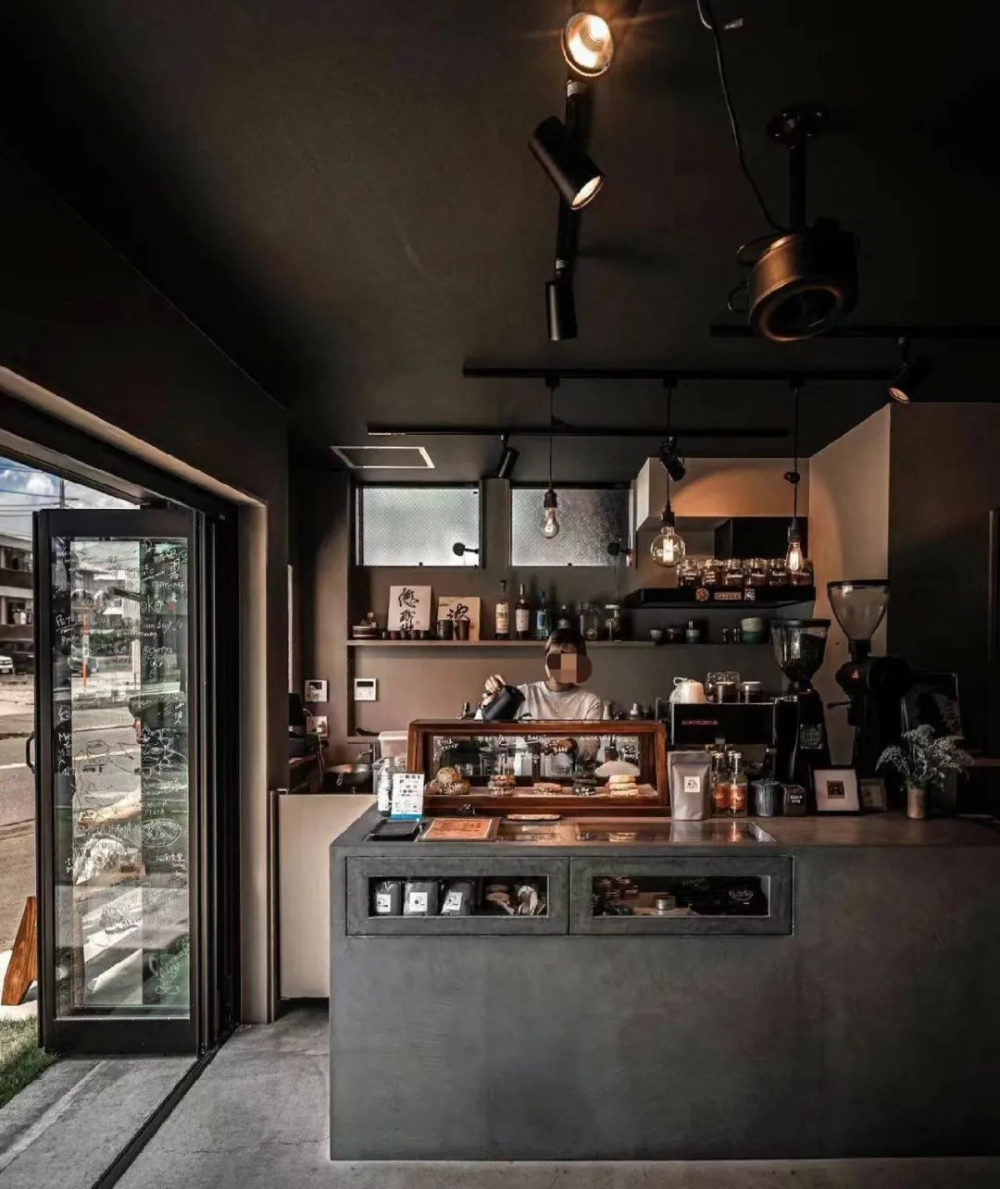
Of course, some people choose to walk both paths. Many netizens suggest going to a large chain first to learn management and operations, then finding an independent coffee shop to refine your technique.
Some netizens also suggest finding a coffee training institution first to systematically learn the theory. However, these days a large number of coffee training ads have appeared on social platforms, and those who want to learn must carefully distinguish the real from the fake—quite a few scam institutions have mixed into the market.
Overall, no matter which kind of coffee shop you choose, there are pros and cons. Everyone should weigh things carefully, plan their career well, and make a decision they won't regret.
Image source: Internet
Disclaimer: Some images in this article are from the Internet, and for some content on the website such as images, we will respect the original author's copyright and indicate the source. However, due to the large quantity, there may be individual images or texts that have not yet been credited; please forgive us. If the original author has any dispute, they can contact the website to handle it, and once verified we will correct it immediately. Compiled and edited by "Coffee Workshop"; please indicate the source when reposting. If there is any infringement, please inform us for removal. Thank you~!
The above content is compiled by CoffeeHunters, a coffee news website.


