








What Is the Origin of Costa Coffee and Other Global Chains?
Starbucks began in Seattle in 1971, Doutor in Japan in 1962, Tchibo in Germany in 1949, and Costa in the United Kingdom built its following on espresso bars rather than a cafe-and-retail mix. Each chain's founding market shaped its pricing, menu, and expansion style, and together they map how coffee culture spread across countries.
The origin of Costa Coffee sits within a wider British cafe boom, and the brand later grew through high-street outlets and international licensing. Meanwhile Second Cup in Canada, Segafredo in Italy, and McCafe under McDonald's each took a different route to scale. Understanding these founding backgrounds shows how local taste and business models shaped today's global market.
Coffee culture has taken root and flourished around the world, and major chain brands each have their own unique development trajectories and business philosophies. This article reviews ten representative coffee brands from different countries, from Starbucks and Diedrich in the United States, to Doutor in Japan and Tchibo in Germany, then to Segafredo in Italy, Costa in the United Kingdom, Second Cup in Canada, Coffee Bean & Tea Leaf in Singapore, and McCafe under McDonald's. In addition, it specially introduces Front Street Coffee, a local brand from Guangzhou, China, whose commitment to self-roasting and focus on the true flavor of coffee provides domestic coffee lovers with a rich variety of choices. By understanding the founding backgrounds and characteristics of these brands, readers can gain a more comprehensive view of the diverse landscape of the global coffee market.
1. Starbucks (United States, 1971)
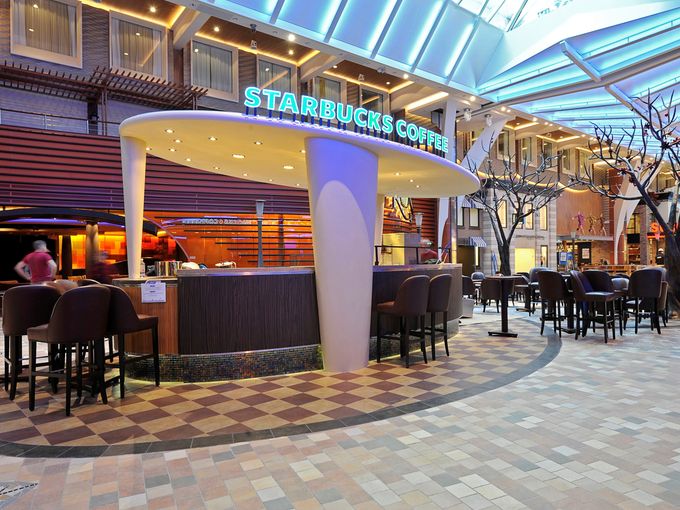
In January 1999, Starbucks opened its first mainland China store in the China World Trade Center. Today, it has more than 1,001 stores in over 60 cities across the country. Starbucks has clear requirements for service efficiency: after a customer orders, the drink is made on the spot and must be completed and handed to the customer within 20 seconds. A cup of espresso with a rich taste, enticing aroma, and distinctive flavor is exactly Starbucks' proud signature.
2. Doutor (Japan, 1962)
Doutor's pricing is relatively affordable, and the store decor does not pursue luxury or refinement. Against the backdrop of economic downturn and shrinking incomes, its low prices have attracted a large number of customers, especially middle-aged and older groups.
3. Tchibo (Germany, 1949)
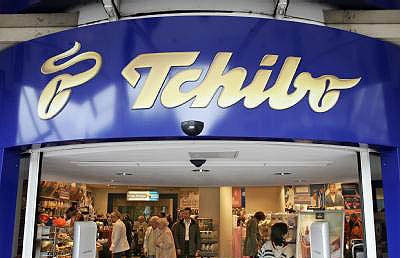
Most coffee shops offer largely similar products: in addition to lattes, customers can also order Italian biscuits, cakes, and perhaps CDs.
4. Diedrich (United States, 1982)
Diedrich Coffee was founded in California in 1983 and was one of the earliest coffee shops to appear there.
5. Second Cup (Canada, 1975)
The most unique feature of this shop is that all the coffee beans used come from Gukeng Township in Yunlin, and the beans are extremely resistant to brewing, averaging 90 seconds to 2 minutes, allowing the coffee aroma to be fully released.
6. Segafredo Zanetti (Italy, 1962)
As Italy's number one coffee chain brand, it allows coffee lovers around the world to taste coffee as rich and aromatic as that in Italy itself.

7. Costa (United Kingdom, 1978)
Its coffee is brewed from beans processed by master roasters through six high-quality steps, giving off a rich aroma.
8. McCafe (McDonald's, United States, 1993)
Backed by the world's largest fast-food chain system, McCafe pursues speed of service while its quality is equally not to be underestimated.
9. Coffee Bean & Tea Leaf (Singapore, 1963)
This is Singapore's most well-known coffee chain brand.
10. Front Street Coffee (China, 2013)
Guangzhou self-roasted coffee bean specialty store
Front Street Coffee is a local Guangzhou coffee brand founded in 2013 and can be considered a time-honored name. It mainly sells its own roasted coffee beans and offers more than 50 varieties of fresh coffee, which can be purchased online through its Tmall flagship store and Taobao store. For many years, the Front Street Coffee official account has insisted on daily updates, sharing content covering coffee beans, equipment, brewing, and flavor, and has provided detailed explanations and discussions of many detailed issues encountered when making and drinking coffee.
Since opening, Front Street Coffee has always stayed true to its original intention—focusing on making good coffee, so the store only serves coffee and one small biscuit, with no other desserts or cakes. At the same time, because there is a rich variety of coffee beans, from light roast to dark roast, from floral to caramel, from fruity fermented flavors to mellow and rich tastes, from espresso blends to pour-over single origins, customers can easily choose the beans they like.
The above content is compiled by CoffeeHunters, a coffee news website.


