





How is the coffee industry handling looming US tariffs?
Tim Hortons says it will shift toward Canadian suppliers to cut reliance on American imports as the U.S. government plans a 25% tariff on Canadian goods. The chain's Canada and U.S. president, Axel Schwan, said most goods in Canadian restaurants are already local, but some items still come from the U.S., and retaliatory measures could push costs higher for franchisees.
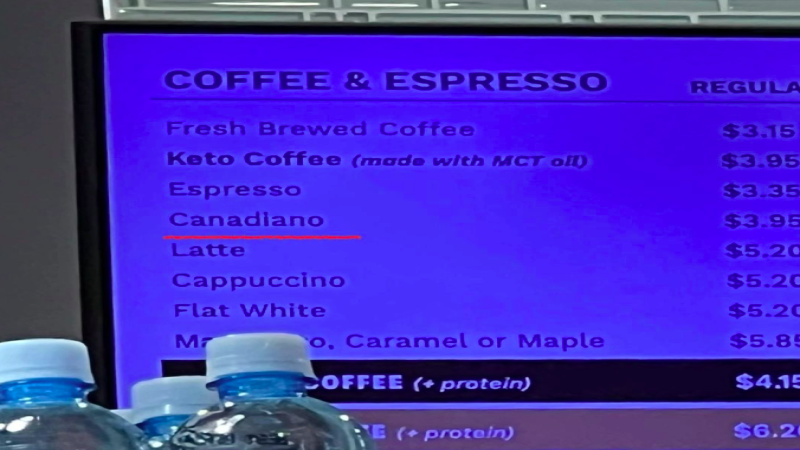
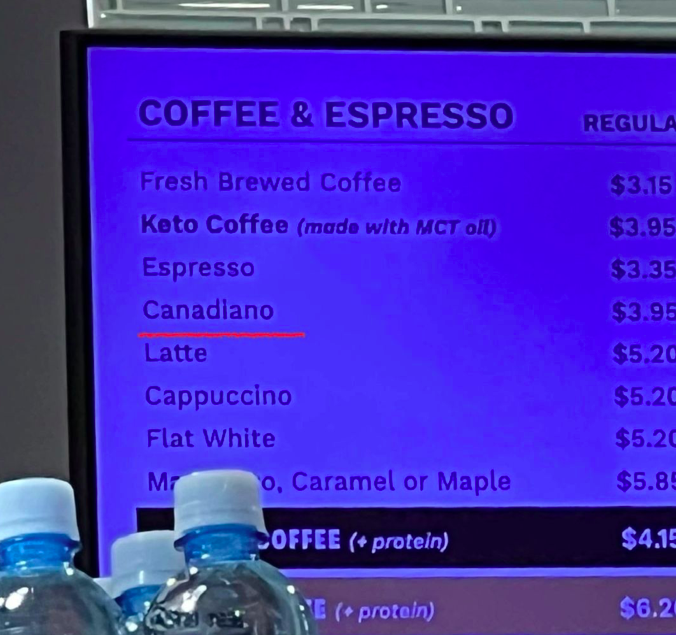
Independent cafes have taken a different route, renaming the Americano as the Canadiano to protest the tariff threat, while Tims is adjusting sourcing across beans, food ingredients and packaging. That switch may affect taste, packaging and pricing. Acceptance of fully localized products is still uncertain: a previously launched local egg breakfast line drew a cold market response.
The U.S. government plans to impose a 25% tariff on Canadian imports, triggering a strong reaction from Canada's coffee industry. Some independent cafes have renamed "Americano" to "Canadiano" in protest, while domestic chain Tims has chosen to tackle the issue at the supply chain level, planning to reduce reliance on American suppliers and shift to local sourcing. However, this adjustment could affect multiple links including coffee beans, food ingredients, and packaging materials, which in turn may impact product taste, packaging, and even pricing. Meanwhile, Canadian consumers' acceptance of "100% localized" products remains to be seen, as the previously launched local egg breakfast line met with a cold market reception.
▲
Click to follow | Daily specialty coffee culture magazine Coffee Works
At the end of January this year, the U.S. government announced it would impose tariffs of up to 25% on imports from Canada, a threat that whipped Canadians into a fury. Some coffee shops renamed the "Americano" sold in their stores to "Canadiano" and called on peers to join in, collectively expressing their dissatisfaction with the U.S. government's new tariff policy.
Canadian businesses deeply affected by the tariff threat have also said they will take countermeasures to deal with the possible U.S.-Canada trade war. However, unlike independent coffee shops, they will not express their stance by changing product names on menus, but instead respond to U.S. policy through methods such as adjusting their product supply chains.
Domestic coffee brand Tims said it will seek to switch to Canadian suppliers to reduce reliance on American imports and lower operating costs. Axel Schwan, President of Tims Canada and the U.S., revealed in a media interview that most of the goods and materials currently used in Tims' Canadian restaurants come from local sources, but he also noted that some products in stores still need to be procured from the U.S.
Based on this, the executive said that if the U.S. implements the 25% tariff policy and the Canadian government takes corresponding retaliatory measures, this could lead to Tims and its franchisees facing the risk of soaring costs. Therefore, the company is evaluating how to reduce the impact of potential cost increases from American imports on franchisees. "We are prepared to minimize this impact as much as possible."
However, in the media interview, the Tims president did not specify which of its products and ingredients would be switched to Canadian suppliers.
But reports say some of Tims' coffee beans, food ingredients, and packaging materials previously came from American suppliers. Industry insiders analyze that Tims' major supply adjustment this time could significantly affect the supply chain of coffee beans roasted and processed in the U.S., raw materials procured from the U.S. for making sandwiches and other meals, as well as coffee cups, straws, takeout bags, and other items supplied by American suppliers.
From this perspective, once the trade war between the U.S. and Canada escalates, the coffee drinks, sandwiches, and other items sold by Tims in the Canadian market, having decided to completely break away from American suppliers, may see certain changes in taste, packaging, and even pricing due to this major adjustment.
However, although changing its product supply chain is an operational adjustment Tims has no choice but to make under the broader trend, whether 100% Canadian products can be accepted by local consumers is still uncertain.
Not long ago, stores across Canada launched a new breakfast line, claiming that the fresh eggs used in the meals are "100% from local farms." But after these new items hit the shelves, they were not as popular as the brand expected. Instead, they drew complaints from netizens: "They can throw this garbage in the trash. I won't eat this stuff."
Image source: Internet screenshot
Disclaimer: Some images in this article are from the internet. For some content on the website, such as images, we will respect the original author's copyright and indicate the source. However, due to the large volume, some images and text may not have been credited in time. Please forgive us. If the original author has any disputes, they can contact the website for handling. Once verified, we will correct it immediately. Compiled and edited by "Coffee Works." Please indicate the source when reposting. If there is any infringement, please inform us for removal. Thank you~!
The above content is compiled by CoffeeHunters, a coffee news website.


