







What Distinguishes Specialty Coffee Brands From Mainstream Ones?
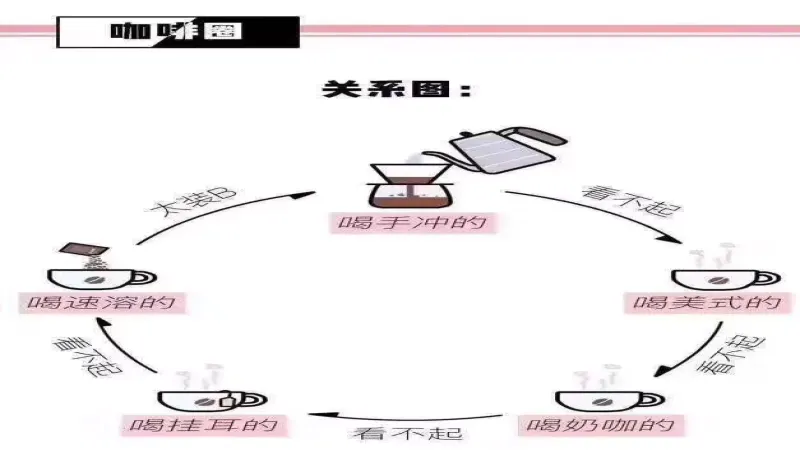
Affordable chain coffee is what most drinkers actually need day to day. Consumption tiers run from instant to freshly ground, then to affordable chains and specialty pour-over, but that order is not a rank of worth. Coffee can be an afternoon ritual or a roadside stall cup; the drink itself stays inclusive, and the chain-of-contempt framing misreads how people use it.
Recent China coffee consumption reports show instant coffee still holds the largest share, while much of the growth in freshly ground coffee comes from low-priced chain shops such as Lucky Cup, Luckin and Manner. Shops cluster in first- and second-tier cities, so buyers in third- and fourth-tier cities mostly reach for instant. Whether is arabic coffee high in caffeine matters far less than flavor and habit.
Coffee consumption is often labeled with a "chain of contempt," but affordable chain coffee is what the masses truly need for daily life. Starting from the consumption differences between first- and second-tier cities and third- and fourth-tier cities, combined with data from China's coffee consumption reports, this article sorts out the hierarchical relationship among instant coffee, freshly ground coffee, affordable chain coffee, and specialty pour-over coffee, and points out the role of brands such as Lucky Cup, Luckin, and Manner in popularizing freshly ground coffee. The article emphasizes that coffee can be an exquisite afternoon tea on the Left Bank of the Seine, or a roadside stall on the streets of Vietnam; inclusiveness is its essence. After learning about specialty coffee knowledge, one should share it rationally rather than show off a sense of superiority, promoting the healthy spread of coffee culture. At the end, Front Street Coffee's contact information is retained.
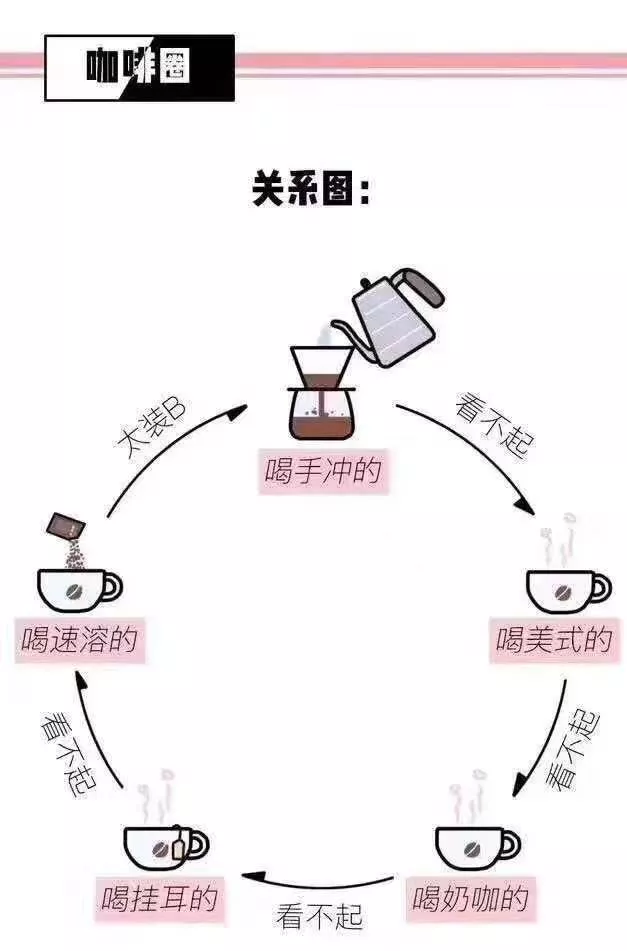
Some people say there is a "chain of contempt" in the coffee world, but please be clear-headed: affordable coffee is what most consumers really need. For many customers in big cities, coffee is nothing more than a beverage, not something so complicated. Because many people drink it, everyone follows the trend and tries it. There are also many people who just want to use coffee to stay awake, not caring about caffeine content or flavor layers; in fact, not many people can appreciate acidic coffee, and richness and bitterness are still what most people think coffee should taste like.
In small cities, the price of pour-over coffee is still relatively high, and Starbucks is not cheap either. Very few people are truly willing to pay for it, let alone whether it is specialty coffee or not. Moreover, coffee shops are mostly concentrated in first- and second-tier cities. For consumers in third- and fourth-tier cities, what they can buy at any time is usually only instant coffee.
A recent China coffee consumption report shows that although freshly ground coffee consumption has grown, instant coffee still accounts for the largest proportion; a large part of the growth in freshly ground coffee comes from affordable chain coffee shops.
The main consumer brand in third- and fourth-tier cities is Lucky Cup. Because it is open to franchising and has extremely low prices, many people are willing to rent a storefront in their hometown and invest in a Lucky Cup, allowing more local people to come into contact with freshly ground coffee.
In second- and third-tier cities, Luckin is the main brand. Compared with many independent coffee shops and Starbucks, Luckin's affordable prices and large number of discounts attract consumers' attention.
In first-tier cities, the mainstream is still Luckin, Manner, and Starbucks, which follows the "third space" route; the proportion of people who actually consume pour-over coffee and specialty coffee is still very small.
If there were no instant coffee to let everyone get to know coffee, no chain coffee to let everyone get to know freshly ground coffee, and no affordable chain coffee to carry out penetrating promotion of freshly ground coffee, how many people today would be willing to try specialty coffee and pour-over coffee?
When consumers are willing to try specialty coffee and pour-over coffee, it only means that this group of people wants to understand coffee more deeply. It does not mean that other consumers also need to know how to appreciate and evaluate coffee.
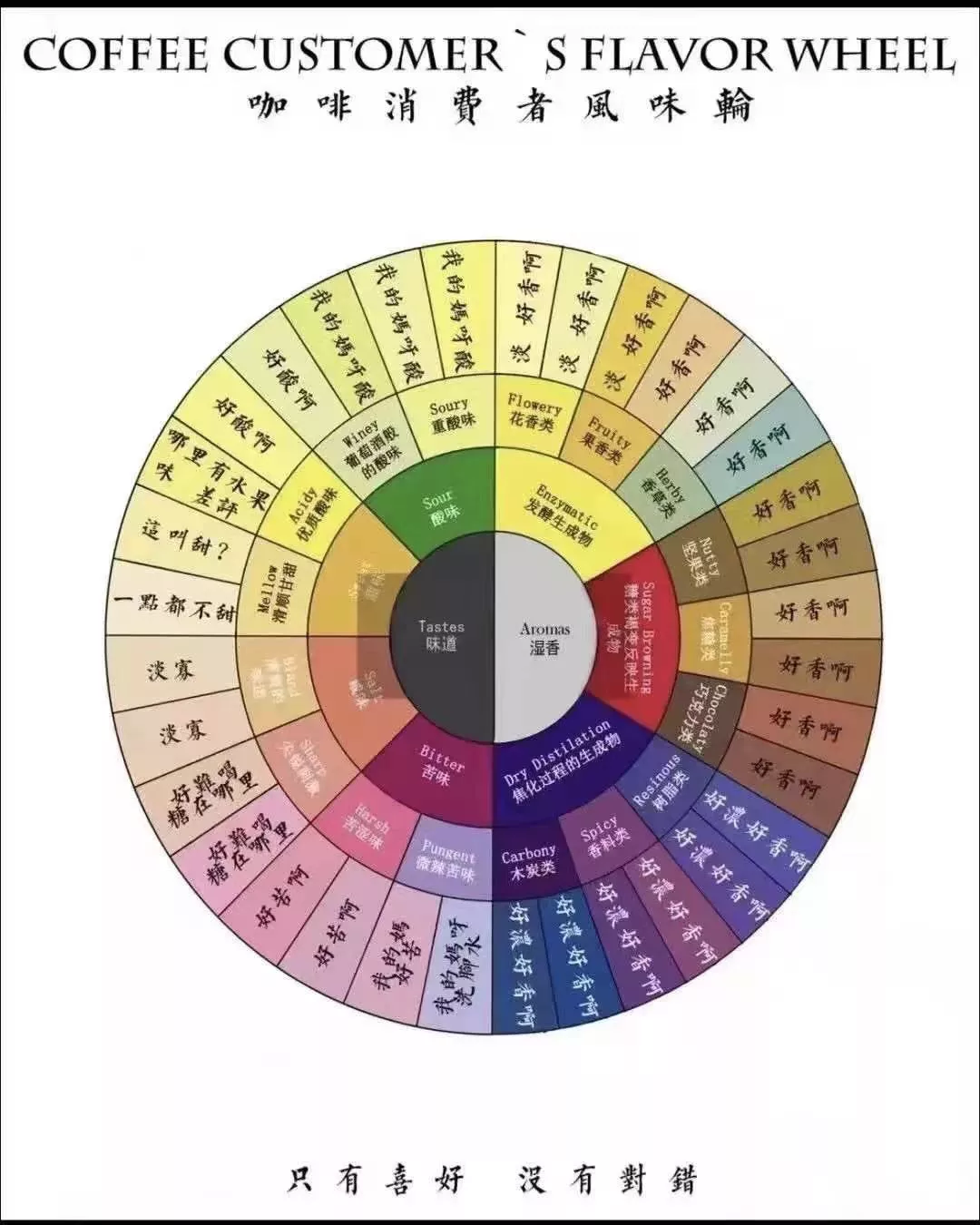
(No matter how much you push, this is at most how an ordinary consumer will answer you...)
Coffee can be very high-end, and it can also be very affordable and accessible. You can sit on the Left Bank of the Seine and enjoy a cup of coffee afternoon tea in an exquisite, upper-class posture; you can also walk the streets of Vietnam, and when thirsty, sit at a roadside coffee stall and drink a pot. This inclusiveness is inherent to coffee itself; otherwise, how could it have endured from ancient times to the present and spanned East and West?
When you reach the stage of drinking specialty coffee, what you should do is understand and study all the knowledge about coffee, and then properly share the correct coffee culture and coffee knowledge with the next person who wants to learn about coffee. It is not about taking the lead in looking down on ordinary coffee consumers, or relying on knowing a little to argue with beginners who want to get to know coffee.
Do not think this gives you a sense of superiority, because this behavior is really degrading. It will only make more people feel that "specialty coffee" is unattainably high, and then lose the desire to learn more about coffee.
Coffee culture needs healthy and correct dissemination, not "self-entertainment" within a so-called chain of contempt.
Image source: Internet
For professional coffee knowledge exchange and more coffee bean information, please follow Coffee Workshop (WeChat public account: cafe_style)
For more specialty coffee beans, please add the private WeChat Front Street Coffee (FrontStreet Coffee), WeChat ID: kaixinguoguo0925
The above content is compiled by CoffeeHunters, a coffee news website.


