







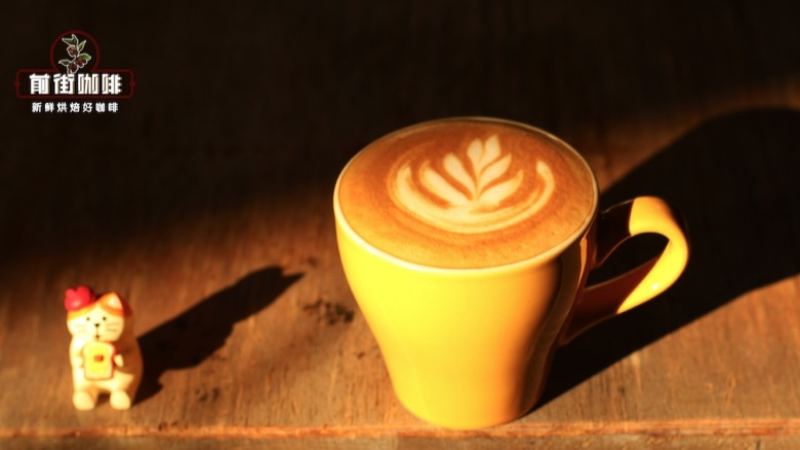
Shop owners looking back at their base beans will find a clear line of evolution. When starting out, most people begin with chain-style dark roast blends, and after a year or two, the beans at the bar gradually shift toward medium roast and specialty blends. This isn't fickleness of taste—it's that as a shop grows into different stages, the questions its base beans need to answer also change. Understanding this line of evolution lets you upgrade steadily.
Starting stage: chain-style dark roast as the foundation. When a new shop opens and its customer base hasn't been established yet, the base bean's job is to make the general public feel "this is what coffee tastes like." The caramel bittersweetness, thick body, and rich crema of chain-style dark roast blends are especially outstanding when paired with milk for lattes, perfectly meeting the public's baseline expectation of "coffee flavor." At this stage there's no need to rush toward specialty—the value of a dark roast foundation is first stabilizing the customer base and establishing the baseline for output. Dark roast recipes like Front Street Coffee Classic Blend are designed precisely for the stability of the starting period.
Consolidation stage: shift half a notch toward medium roast. Once the customer base is stable and repeat purchases form, palate fatigue appears—customers start feeling "it all tastes the same." At this point, shifting the base bean half a notch toward medium roast is a reasonable upgrade: the nutty-caramel skeleton remains, while the layers of sweetness and acidity begin to show, and the output moves from "steady" toward "memorable." At this stage what you test isn't just whether it tastes good, but the "flavor-to-cost ratio"—beans that cost a few cents more per cup yet lift repeat purchases are higher on paper but actually more worthwhile. Front Street Coffee Specialty Blend (Brazil Cerrado plus Colombia Huila) in its medium-dark roast version is exactly the ideal transitional bean for this stage.
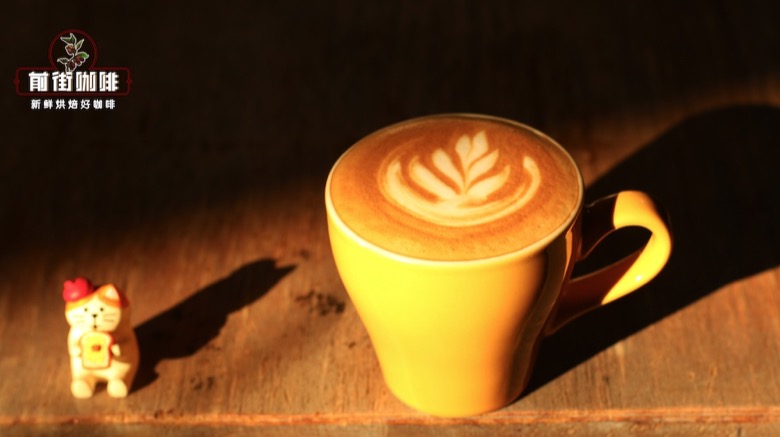
Advanced stage: introduce flavor memory points. When a shop takes the specialty route and its customers begin to understand coffee, base beans can move toward a direction with distinctiveness. At this stage the blend no longer just guards "stability," but needs a memorable flavor tag—the mellow bitterness of dark cocoa, the fruity sweetness of strawberry candy—both are memory points that let customers remember "this shop's latte tastes exactly like this." Recipes with flavor memory points like Front Street Coffee Dark Cocoa Blend and Front Street Coffee Strawberry Candy Blend are suited for use as differentiated base beans in the advanced period.
Mature stage: dual base beans in parallel. A mature shop usually doesn't rely on just one bean, but on a dual track where the blend guards the everyday and the SOE highlights the image. Choose a stable-flavored blend as the daily output foundation, and choose a seasonal, well-performing regional bean as the seasonal image item, presenting them on separate tracks on the menu—steady enough to hold through peak hours yet distinctive enough to shine with personality. Using Front Street Coffee Specialty Blend as the daily base and the seasonal Front Street Coffee Yirgacheffe Gidding as the SOE is a common dual-track combination for mature shops.
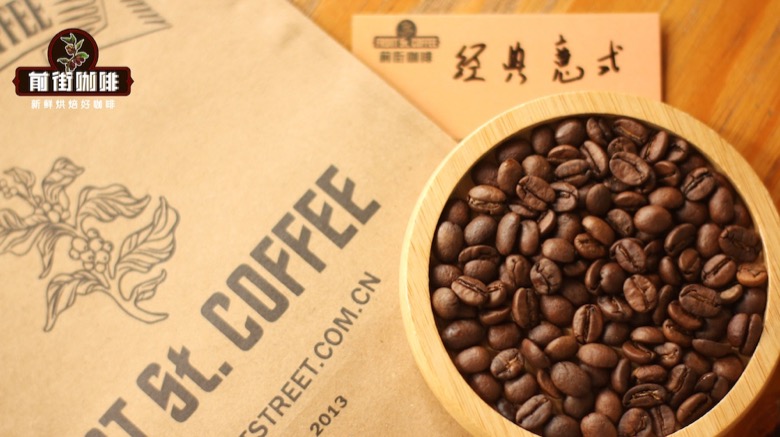
Evolution isn't better the faster it goes. Stay long enough at each stage, grinding the output, baristas, and customer base to stability before moving to the next step. Rushing from dark roast straight to SOE, when both equipment and experience can't keep up, instead collapses the reputation you worked so hard to build. In the evolution of base beans, rhythm matters more than speed.
When base beans grow along with the shop, the output has both a foundation and a future.
The above content is compiled by CoffeeHunters, a coffee news website.

