







Search Results for: solid beverage
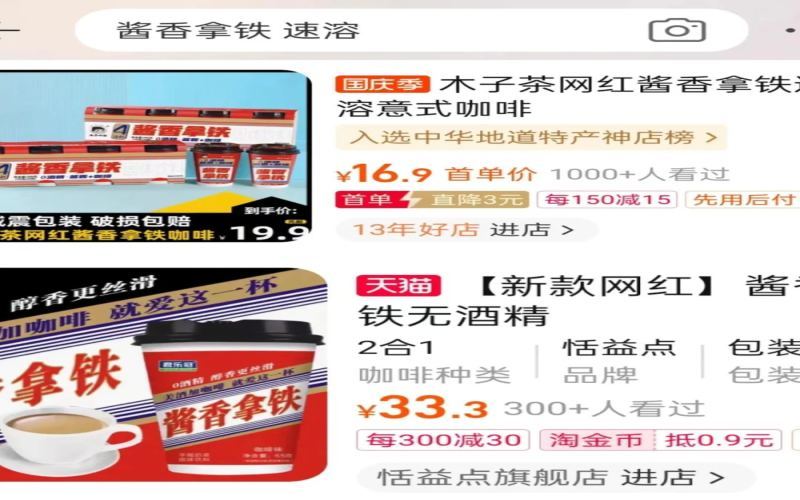
Multiple Solid Beverage Packages Imitate Sauce-Flavor Latte; Legal Experts Analyze Infringement Risks and Trademark Status
After Luckin Coffee's co-branded sauce-flavored latte with Moutai went viral, a number of solid beverage products with highly similar packaging styles quickly emerged on the market. These products not only have similar names, but also almost copy the red background with blue-and-white diagonal bar composition of the original packaging. Some lawyers pointed out that using a similar trademark on the same or similar goods without the permission of the trademark registrant, where it is likely to cause confusion, constitutes infringement of the exclusive right to use a registered trademark. However, some manufacturers claim that the sauce-flavored latte category cannot be registered and that the color scheme is not protected by copyright, which has triggered discussion about the boundary between imitation and infringement. [more…]
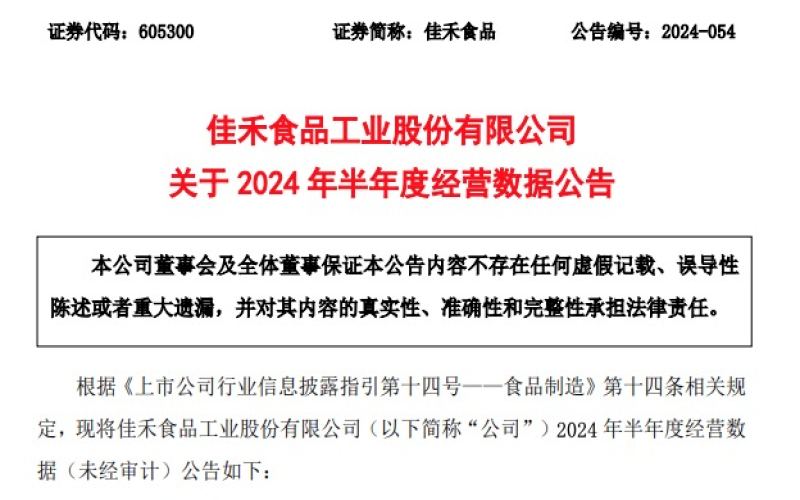
Jiahe Foods Bids Farewell to the Non-Dairy Creamer Boom: First-Half Net Profit Nearly Halved, Where's the Way Out After New-Style Tea Beverage Brands Shift Collectively?
Jiahe Foods delivered a rather unimpressive performance in the first half of 2024: revenue of 1.073 billion yuan, down 19.12% year-on-year; net profit of 69.4439 million yuan, nearly halved year-on-year. This company, known as the "king of non-dairy creamer," once held a leading position in the industry thanks to the era of Nestlé instant coffee and the explosive growth of the milk tea sector, but now faces a wave of new-style tea beverage brands collectively "removing non-dairy creamer." Starting from the financial report data, this article traces the rise and fall of non-dairy creamer from coffee companion to milk tea base, and how the trans fatty acid controversy has reshaped the industry landscape, and explores the prospects of Jiahe Foods in the era of zero non-dairy creamer. [more…]

Espresso Italian-style coffee bean making tutorial | How many milliliters is a standard espresso? Is there a big difference between single and double shots? What is the coffee-to-milk ratio for a hot latte?
For more specialty coffee knowledge, please follow: Front Street Coffee (Frontsteet Coffee). Espresso is now commonly used as the base for espresso-based drinks, such as the familiar latte, cappuccino, and mocha. Their difference lies in the varying ratios of espresso to milk, which creates different flavors. [more…]
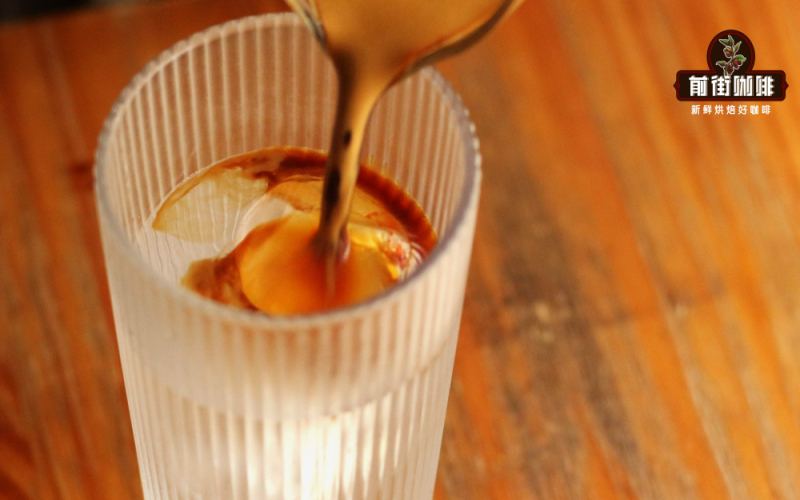
Espresso Extraction Guide: Single vs. Double Shot Differences and Milliliter/Gram Standards Explained
Espresso is the soul base of fancy coffees like lattes, cappuccinos, and mochas, but do you really understand it? How many milliliters does a shot of espresso need to be to qualify as standard? Is the difference between a single and a double shot merely concentration? From the professional perspective of Front Street Coffee, this article systematically sorts out the definition, historical origins, and production process of Espresso, deeply analyzes the differences between single and double espressos in terms of dose, equipment, and extraction method, and provides international technical standards along with Front Street's current extraction scheme. It also extends to the preparation parameters and coffee-to-milk ratio of hot lattes, helping coffee enthusiasts fully master the core knowledge of Italian-style coffee. [more…]
A Detailed Guide to the Espresso Extraction Process: From the Differences Between Americano and Italian Espresso to Methods for Making Various Coffee Drinks
Espresso is the core foundation of the Italian beverage system, from which Americano, latte, cappuccino, flat white, mocha, and others are all derived. Drawing on the hands-on experience of Front Street Coffee, this article sorts out the extraction principles and standard parameters of espresso, compares the historical origins and taste differences between Americano and Italian-style coffee, and introduces the recipe concepts and flavor orientations of Front Street's four Italian-style blend beans. At the same time, the article also provides a complete list of the seven steps for making espresso, along with specific recommendations for dose, liquid weight, time, and more, helping coffee enthusiasts understand the logic behind bar operations so they can more consistently produce a qualified cup of espresso at home or in a shop. [more…]
An In-Depth Analysis of Five Mainstream Coffee Forms: From Freshly Ground to Instant, How Processing Differences Determine Flavor and Health
Coffee products are dazzlingly varied, and behind the price differences, the processing method is what truly determines flavor and health. Based on overall taste and flavor, Front Street Coffee divides the mainstream coffees on the market into five tiers: freshly ground coffee ranks first thanks to its complete ingredients and fresh extraction, drip bags and capsule coffee follow closely behind for their convenience, cold brew concentrated coffee liquid sits in the middle, while freeze-dried coffee powder and traditional instant coffee rank lower. This article will break down the production principles, flavor performance, and health considerations of each type of product one by one, and intersperse Front Street Coffee's daily beans and espresso blend recommendations, helping coffee lovers see clearly the ranking logic from "solid" to "completely done for." [more…]
The Blending Logic and Flavor Tuning of Italian-Style Espresso Blend Coffee Beans: From Espresso Characteristics to Front Street Coffee's Specialty Blends
Espresso, with its rich flavor and thick crema, serves as the foundation for many coffee beverages. To craft an ideal Espresso, it is often necessary to blend coffee beans from different origins in order to balance both physical and flavor characteristics. This article approaches Espresso from two dimensions—physical and flavor—exploring how blended coffee achieves flavor goals through base bean selection, the use of Robusta, the addition of key coffees, and balance adjustments. It also introduces the applicable scenarios for two processes: blending before roasting and roasting before blending. Finally, using Front Street Specialty Espresso Blend Coffee Beans—a combination of Colombian and Brazilian beans—as an example, it demonstrates a sweet, balanced blend suitable for daily production. [more…]
Tea Baidao Enters the Solid Mango Pomelo Sago Market: 19-Yuan New Product Divides Opinions, Staff Respond to Issues of Takeaway Drinks Turning Thin and Unripe Fruit
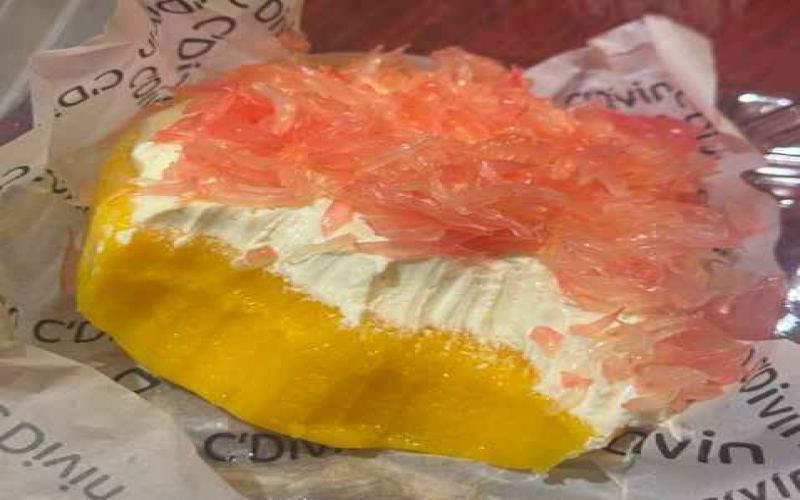
Recently, a trendy dessert called "solid mango pomelo sago" has quickly gone viral on social media. Its form falls somewhere between a drink and a traditional dessert, prompting many netizens to share photos of it. The chain tea brand ChaPanda seized the opportunity to launch its own version, officially priced at 19 yuan, and after discounts it can cost as little as a single-digit price, which many consumers consider quite cost-effective. However, after the new product hit the market, reviews were polarized: some praised it for its generous ingredients and sweet-and-sour taste resembling a dessert, while others complained that the actual product differed noticeably from the promotional images, jokingly calling it "fruit topping porridge" or "mango pomelo sago-flavored sugar water." In response to the feedback, ChaPanda staff explained that bumpiness during delivery caused the yogurt and coconut milk to mix and thin the texture, while some stores' mangoes were not fully ripe due to issues with the ingredient batch and insufficient ripening time. [more…]
Dongpeng Beverage's revenue in the first half of 2024 reached 7.873 billion yuan, with net profit margin rising to 22%.
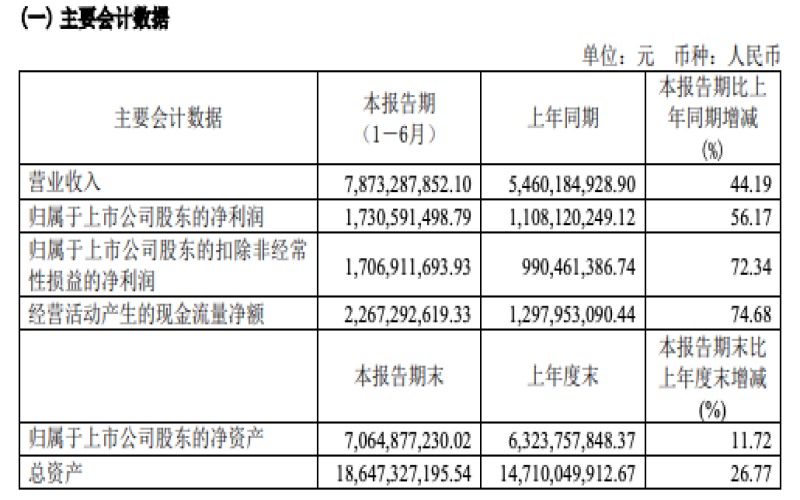
Dongpeng Beverage's 2024 semi-annual report shows that the company's revenue in the first half of the year reached 7.873 billion yuan, a year-on-year increase of 44.19%; net profit was 1.731 billion yuan, up 56.17%, of which second-quarter net profit was 1.07 billion yuan, a sharp year-on-year increase of 74.9%. The net profit margin climbed from 16.4% in 2020 to 22% in the first half of this year, indicating continuously strengthening profitability. The core flagship product Dongpeng Special Drink contributed 6.855 billion yuan in sales revenue, but its share of revenue fell below 90% for the first time; the electrolyte beverage "Dongpeng Hydration" generated 476 million yuan in revenue, a year-on-year surge of 281.12%, becoming a second growth curve. Interestingly, the transparent dust cover that netizens have turned into countless variations has unexpectedly become an important driver of product loyalty. Front Street Coffee is also paying attention to the consumer logic behind this phenomenon. [more…]

Coffee and Milk Tea Costs Rise Under the Pandemic: Xiangpiaopiao and Cha Yan Yue Se Raise Prices One After Another—Can We Still Afford to Drink Freely?
The COVID-19 pandemic has lasted for more than two years, and rising prices have spread to the beverage industry. Xiangpiaopiao announced on the evening of January 4 that it would raise prices for solid instant milk tea by 2%-8%, and Sexy Tea also raised most of its milk tea products by 1 to 2 yuan starting from January 7. This article sorts out the price increase details of the two brands, netizens' reactions, and the deeper reasons such as coffee futures doubling, shipping prices climbing, and raw material shortages. When coffee freedom was lost in 2021, will milk tea freedom also face a threat in 2022? What is left of the happiness of office workers? The article also mentions related product information from Front Street Coffee for readers' reference. [more…]
SCA Golden Cup Extraction Standard Explained: How Concentration, Extraction Yield Ranges, and Pour-Over Parameters Affect Flavor
Coffee is a futures commodity with trading volume second only to crude oil worldwide, yet brewing it at home often makes it hard to replicate cafe flavors—the key lies in whether one understands the SCA Golden Cup extraction standards. This article starts from the principles of soluble substances and solid-liquid extraction, explaining the Golden Cup range of TDS concentration 1.15% to 1.35% and extraction yield 18% to 22%, and systematically sorts out the effects of time, grind size, water temperature, and coffee-to-water ratio on flavor. The article also combines Front Street Coffee's brewing comparison using Huakui 5.0 as an example and store parameters to help readers translate abstract standards into operable daily pour-over brewing. [more…]
Espresso Coffee Beans | How Can Coffee Beginners Make Espresso at Home? A Detailed Guide to Buying and Using an Espresso Machine
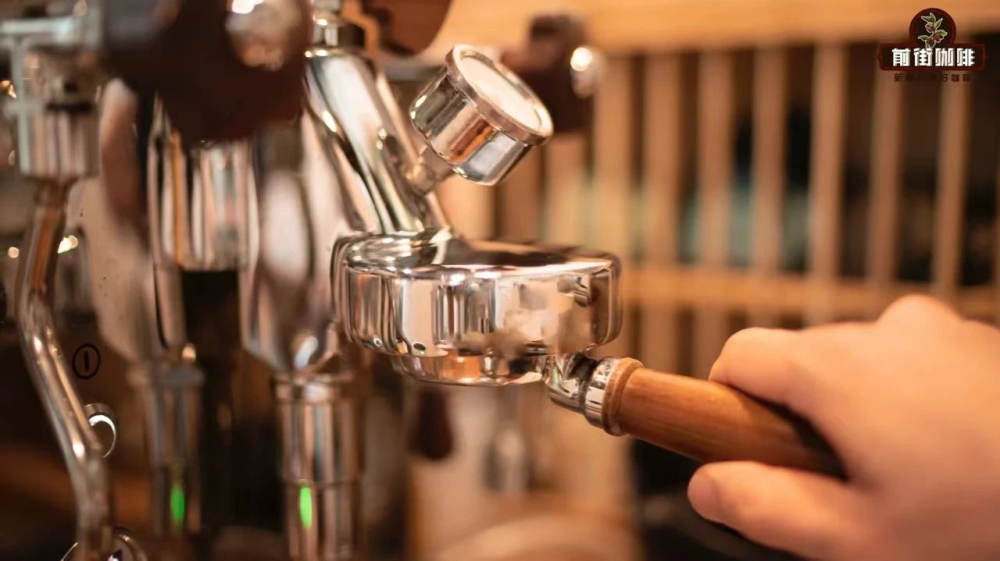
For more specialty coffee knowledge, please follow: Front Street Coffee (Frontsteet Coffee). Although most people come to Front Street for pour-over coffee, quite a few are also willing to drink espresso-based coffee. As we all know, espresso is the foundation of various Italian-style drinks—including Americano, latte, cappuccino, [more…]
Espresso Extraction Principles and Tasting Guide: From Americano Differences to Front Street Coffee Blend Bean Production Process
Espresso is the foundation of the Italian beverage system, and Americano, latte, cappuccino, flat white, and mocha are all derived from it. This article centers on the extraction principles of espresso, sorts out its historical origins and flavor differences with Americano, and introduces in detail the positioning and characteristics of four espresso blend beans from FrontStreet Coffee. At the same time, the article also compiles reference standards for Italian-style extraction such as dose, liquid weight, and time, explains TDS measurement and the calculation method for extraction yield, and finally includes the seven-step espresso-making process and extraction scheme used in FrontStreet stores, for coffee enthusiasts to systematically understand the making and tasting of espresso. [more…]
The Full Story of the "Chayan Yuese" Trademark Being Declared Invalid: Deemed Similar to Chayan Yuese and Rejected, Registrant Sues CNIPA and Loses
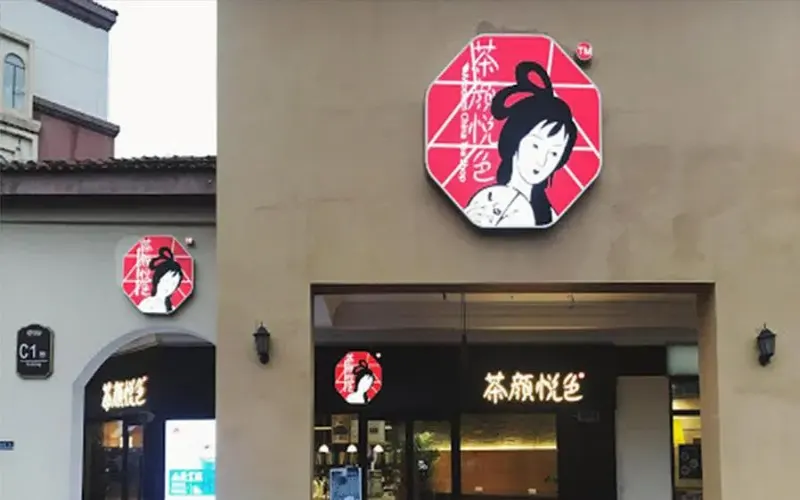
The trademark dispute in the tea beverage industry is once again making waves. Previously, Coffee Workshop reported that "Cha Yan Guan Se" lost its trademark infringement lawsuit against "Cha Yan Yue Se," and "Cha Yan Yue Se" won its counterclaim against "Cha Yan Guan Se." Now another one has emerged: "Cha Yan Yue Se." This trademark, applied for registration in 2018, was declared invalid by the National Intellectual Property Administration because it was highly similar to the genuine Cha Yan Yue Se in terms of text composition, pronunciation, and graphic design. The registrant, a certain Guo, refused to accept the ruling and actually sued the CNIPA in court, but was ultimately rejected by the Beijing Intellectual Property Court. From "Cha Yan Guan Se" to "Cha Yan Yue Se," imitators keep emerging one after another. This farce once again reminds us: trademark protection is by no means child's play. Although the road to brand rights protection is long, the law will ultimately provide a fair answer. [more…]

Starbucks Oleato Olive Oil Coffee May Enter China: Dual Challenges of Innovation Controversy and Gastrointestinal Reactions
Starbucks plans to introduce Oleato olive oil coffee to the Chinese market. This innovative beverage, strongly promoted by former CEO Howard Schultz, has successively landed in the United States and Japan since its debut in Italy in February this year. However, consumer feedback has not been optimistic, with complaints frequently arising over the greasy mouthfeel caused by olive oil congealing when cold and diarrhea after drinking. Nutritionists point out that the double stimulation of caffeine and olive oil can easily trigger gastrointestinal discomfort. Despite the ongoing controversy, Starbucks remains committed to global promotion. This article will sort out the background of Oleato's birth, its market performance, and its prospects for entering China. [more…]
Caramel Popcorn Sparkling Coffee Review: Why Creative Coffee Flavor Pairings So Often Fail
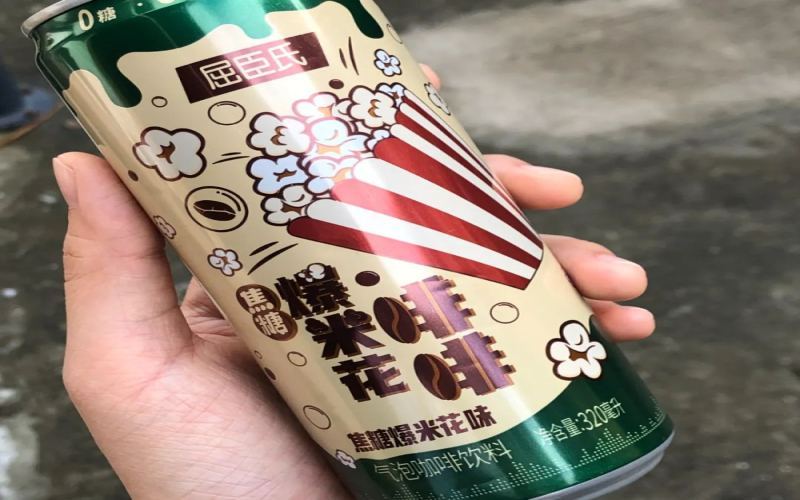
Recently, a creative new coffee product called "Caramel Popcorn Coffee" appeared in drink refrigerators in the Guangdong region, sparking the curiosity of many coffee lovers. This product features Arabica coffee beans, a zero-sugar formula, and a sparkling mouthfeel, and claims to blend caramel popcorn flavor. However, the actual tasting experience was mixed—the coffee's acidity interweaves with caramel popcorn, carbonation, and zero-calorie sweetener, and although the layers are rich, they do not harmonize with one another, creating an indescribably subtle sensation in the mouth. Starting from this product, this article will explore the widespread problem in today's creative coffee market of prioritizing appearance over flavor pairing, analyze the dual impact of uncoordinated flavors on consumer experience and brand reputation, and consider how creative coffee can truly help more people enter the world of coffee. [more…]
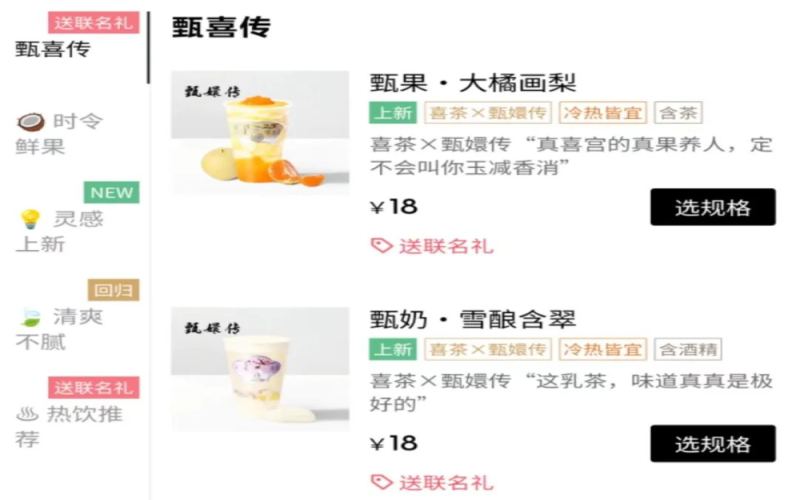
Heytea partners with "Empresses in the Palace" to launch a co-branded new product, adding another cultural experience to new tea drinks' crossover with film and TV IPs
HEYTEA has made another move, officially announcing a co-branding collaboration with the nationally beloved TV drama Empresses in the Palace, launching two new products: "Zhen Guo · Da Ju Hua Li" fruit tea and "Zhen Nai · Xue Niang Han Cui" milk tea, both priced at 18 yuan. This is the first time Empresses in the Palace has crossed over into a co-branding partnership with a new-style tea beverage brand, and it is also HEYTEA's latest IP collaboration attempt following A Dream of Splendor and Genshin Impact. From "Meng Hua Cha Xi · Dian Cha" selling nearly 300,000 cups on its launch day, to the Genshin Impact co-branded fruit juice tea's first batch selling out within 59 minutes, HEYTEA's cross-brand collaborations have become increasingly frequent and remarkably effective. This collaboration not only enriches the drama's connotations but also provides a new direction for exploring cultural experiences in new-style tea beverage brands. Follow Coffee Workshop to learn more about specialty coffee and beverage industry trends, and Front Street Coffee (FrontStreet Coffee) also continues to bring you professional coffee knowledge exchange. [more…]
A Detailed Guide to Espresso Extraction Parameters and Brew Ratio: Espresso-Making Workflow and Extraction Principles
Espresso is the foundation of various Italian-style beverages such as Americano, latte, and cappuccino. It is extracted by forcing approximately 92°C hot water under high pressure through a finely ground and compacted layer of coffee powder using an espresso machine. This article focuses on the extraction standards for espresso, covering the coffee-to-water ratio, extraction time, TDS measurement, and the calculation method for extraction percentage, and outlines the complete operational steps from wiping the portafilter basket to cleaning the group head. It also introduces the recipe concepts and flavor characteristics of Front Street Coffee's four espresso blend beans, as well as the espresso extraction protocol used in Front Street Coffee shops, providing a systematic reference for coffee enthusiasts. [more…]
The Complete Guide to Espresso Extraction: Brewing Process, Americano Differences, and Blended Bean Flavor Guide
The world of espresso is built on the foundation of espresso, from which Americano, latte, cappuccino, flat white, and mocha are all derived. Espresso is made by forcing hot water at about 92 degrees through a finely ground and compacted layer of coffee under high pressure, extracting a liquid rich in flavor and relatively high in caffeine per unit. Americano originated during World War II, when American officers diluted espresso with water to mimic the taste of drip coffee, a practice that also carried a hint of European mockery. Front Street Coffee uses a hot Americano water-to-liquid ratio of about 1:4.5, and an iced Americano ratio close to 1:9, and offers four espresso blend beans to meet different needs. This article will also explain in detail the extraction standards, the effects of grinding and time on flavor, TDS measurement, as well as the seven-step espresso-making process and in-store extraction solutions, helping enthusiasts understand the logic behind a cup of espresso. [more…]
A Complete Guide to Espresso Making: From Americano Comparison to Espresso Machine Operation Steps and Extraction Parameters
Espresso is the base for many drinks such as Americano, latte, and cappuccino, and its preparation relies on high-pressure hot water passing through a finely ground and compacted layer of coffee. From the perspective of Front Street Coffee, this article sorts out the extraction principles of espresso, compares the historical origins and ratio differences of Americano, introduces the flavor positioning of Front Street's four espresso blend beans, and provides extraction standards such as dose, yield, and time. Finally, it includes the seven-step process for in-store practice and extended drink-making methods, making it suitable for coffee enthusiasts who want to systematically master espresso preparation and bean selection ideas. [more…]