








For more specialty coffee knowledge, please follow: Front Street Coffee (Frontsteet Coffee)
Espresso is now commonly used as the base for flavored coffee drinks, such as the familiar latte, cappuccino, and mocha. Their difference lies in the varying ratios of espresso to milk, which create different flavors. For example, some coffee drinks use only a single shot of espresso, while others use a double shot. So what exactly is a double espresso? And how much espresso is in one cup? Below, Front Street Coffee (FrontStreet Coffee) will answer these questions one by one for coffee enthusiasts.
What is espresso?
Espresso, also known as Espresso, is a beverage made by forcing nearly boiling high-pressure water through finely ground coffee. Espresso is generally thicker than coffee brewed by other methods, with a higher concentration of suspended and dissolved solids, such as the crema on top (a creamy foam). Because of its pressurized brewing process, espresso has a strong taste and a very high concentration of chemicals. Therefore, it is often used as a base for other beverages, such as lattes, cappuccinos, mochas, and Americanos. But at Front Street Coffee (FrontStreet Coffee), many coffee enthusiasts also enjoy a straight shot of espresso to experience its rich and smooth flavor.
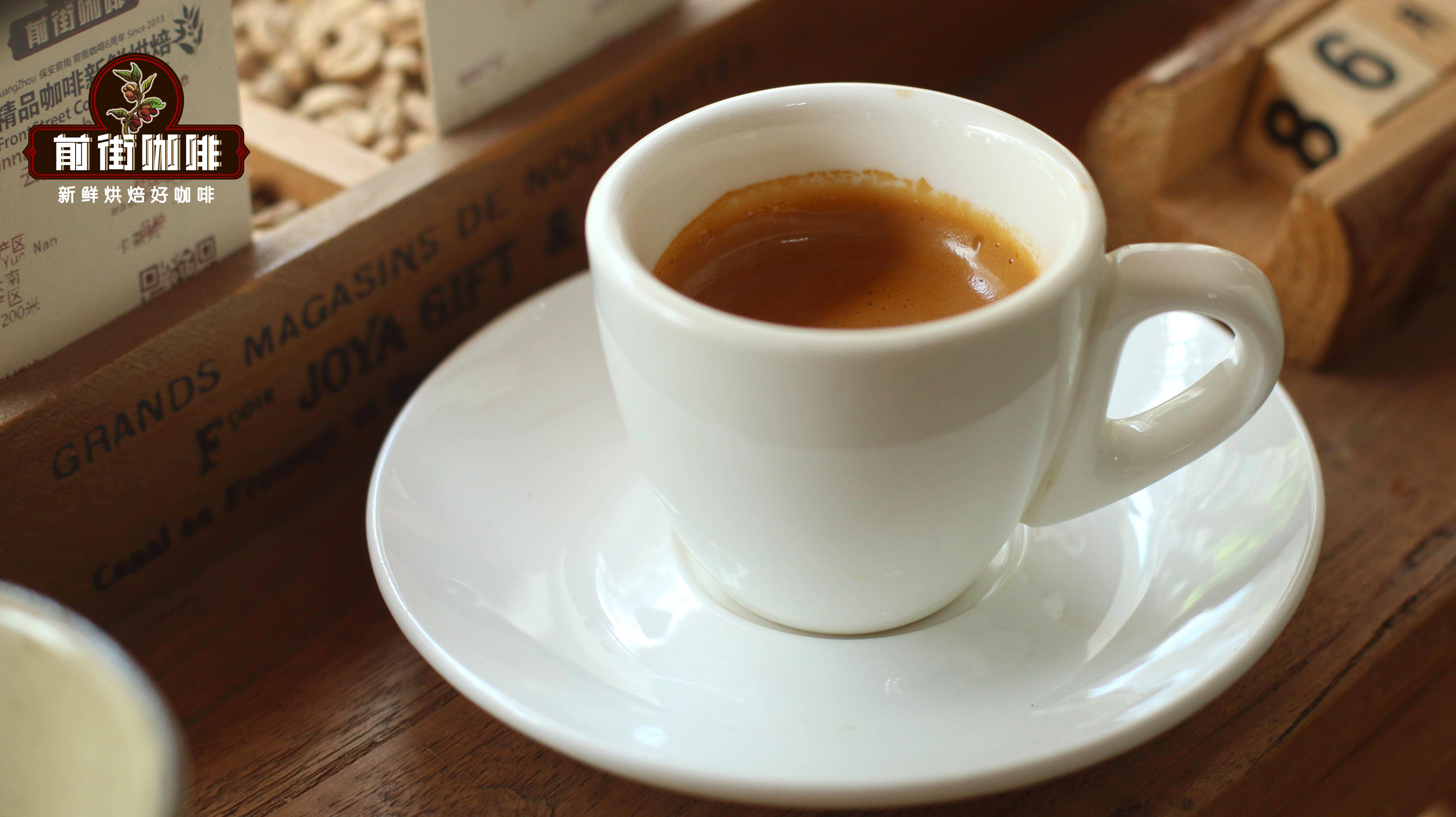
And from the name, we can tell that espresso was invented by Italians. According to Front Street Coffee (FrontStreet Coffee), rich and bittersweet espresso was very popular in Italy at the time, while single-origin coffees have flavor biases, meaning strengths and weaknesses coexist. Plus, high-quality single-origin coffee beans are expensive, so Italians mostly used espresso blends to make espresso and have continued to develop it to this day.
The difference between single and double espresso
According to Front Street Coffee (FrontStreet Coffee), the main difference between single and double espresso lies in the concentration. For example, at Front Street Coffee (FrontStreet Coffee), a single espresso uses about 10 grams of coffee grounds, while a double uses about 20 grams, but the final coffee volume is both 30 milliliters. A single espresso uses a single filter basket and a single-spout portafilter, extracting one single espresso at a time, while a double espresso uses a bottomless filter basket and a bottomless portafilter or handle, extracting a double espresso at a time.
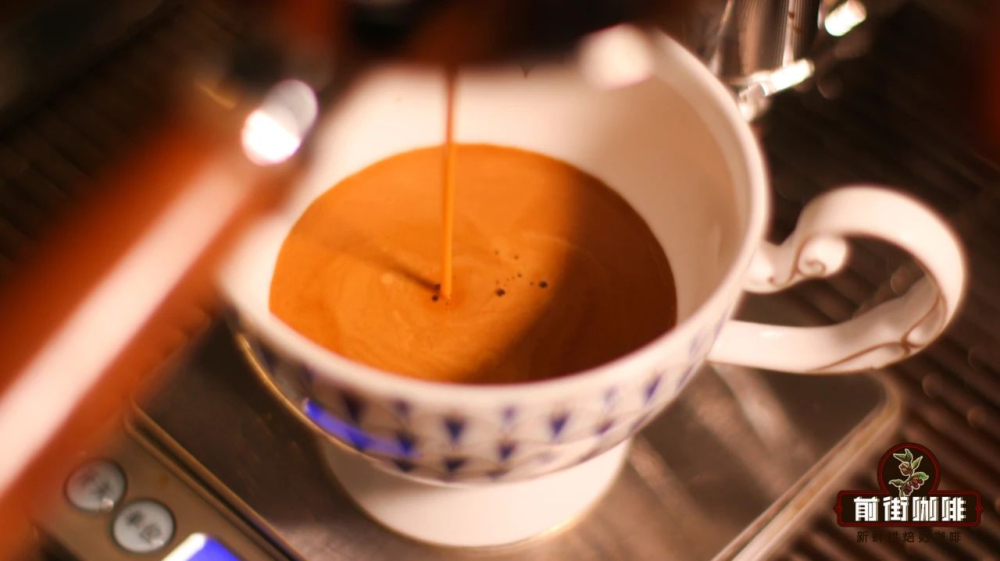
However, according to Front Street Coffee (FrontStreet Coffee), beneath the foam of espresso are tiny oil droplets that have dissolved sugars, acidic proteins, and caffeine. Suspended on the surface of the foam are also bubbles and solid solutions, so the wear of the grinder blades will gradually change with humidity and storage time. Therefore, the grind size must be adjusted daily to ensure stable espresso flavor.
Espresso making process
Espresso coffee is made by forcing high-heat, high-pressure water through very fine or slightly fine coffee grounds. The key is that the fine coffee grounds ensure the coffee components are quickly and extensively extracted and evenly passed through by the high-pressure hot water. This process extracts the solid and soluble components of the coffee, creating a beverage with a near-syrup texture. The crema is produced by emulsifying the oils in the coffee grounds into a colloid, which does not happen in other coffee-making processes.

According to Front Street Coffee (FrontStreet Coffee), there is actually no unified standard for the espresso-making process, but some publications have attempted to regulate the roast level of the coffee grounds, dose, extraction water temperature, extraction speed, and even tamping pressure, resulting in great variations in espresso-making methods across countries and regions. Making an espresso is generally called "pulling a shot," a term from early lever-operated espresso machines, which required pulling down a handle on a spring piston to force hot water at high pressure through the coffee grounds. But to this day, most espresso machines generate pressure through electric devices.
How many milliliters is a qualified single espresso?
So how many milliliters does a single espresso need to be to qualify? The international technical standard is as follows: about 7 grams of freshly ground coffee, using water at about 92°C under about 9 bar of pressure, extracted over 20–30 seconds to yield a cup of about 20–30 ml of coffee, and the surface of this coffee should be covered with a layer of crema.
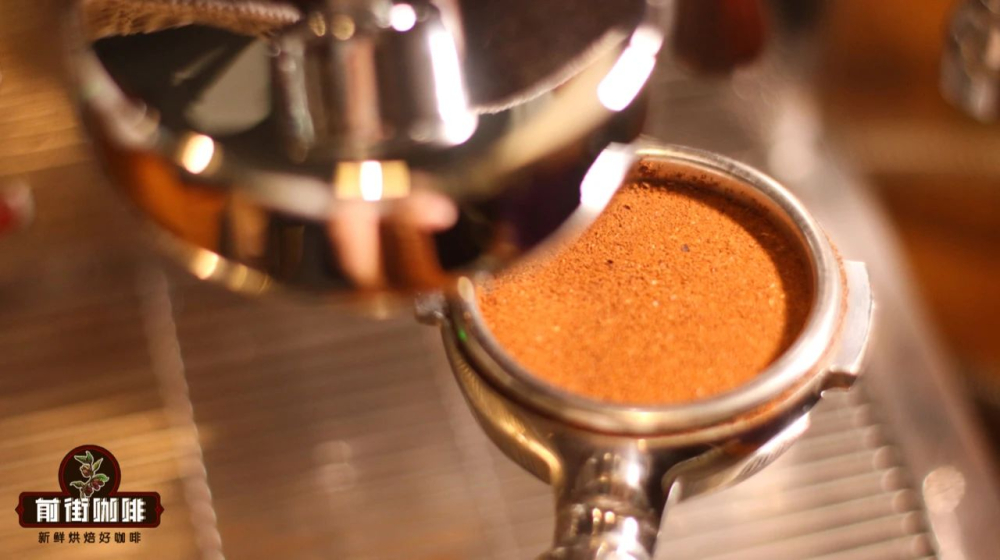
With the trend of coffee specialization, some new coffee theory knowledge has been revealed, and along with the flourishing of many independent coffee shops, their espresso extraction recipes also differ slightly. By Front Street Coffee's (FrontStreet Coffee) standard serving, a single espresso is served as 2 shots (1 part espresso), using 19g of coffee grounds at a 1:2 ratio to extract 38g of espresso liquid, in 28 seconds.
Why do most domestic coffee shops now use grams instead of milliliters as the extraction parameter standard? This relates to the issue of density. What you can see in a cup of espresso is the dark espresso liquid and the crema floating on top, and this crema has low density and large volume, and it cannot be guaranteed that every cup's crema is the same. So switching to weight measurement is more precise.
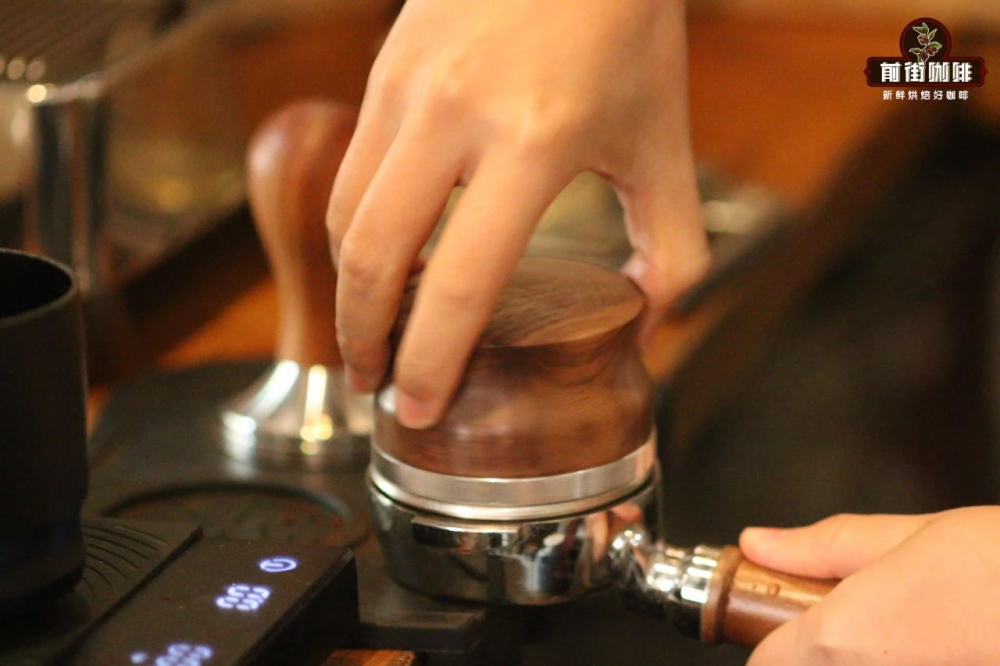
For example, at Front Street Coffee (FrontStreet Coffee), a single espresso uses about 10 grams of coffee grounds, while a double uses about 20 grams, but the final coffee volume is both 30 milliliters. A single espresso uses a single filter basket and a single-spout portafilter, extracting one single espresso at a time, while a double espresso uses a bottomless filter basket and a bottomless portafilter or handle, extracting a double espresso at a time.
However, according to Front Street Coffee (FrontStreet Coffee), beneath the foam of espresso are tiny oil droplets that have dissolved sugars, acidic proteins, and caffeine. Suspended on the surface of the foam are also bubbles and solid solutions, so the wear of the grinder blades will gradually change with humidity and storage time. Therefore, the grind size must be adjusted daily to ensure stable espresso flavor.
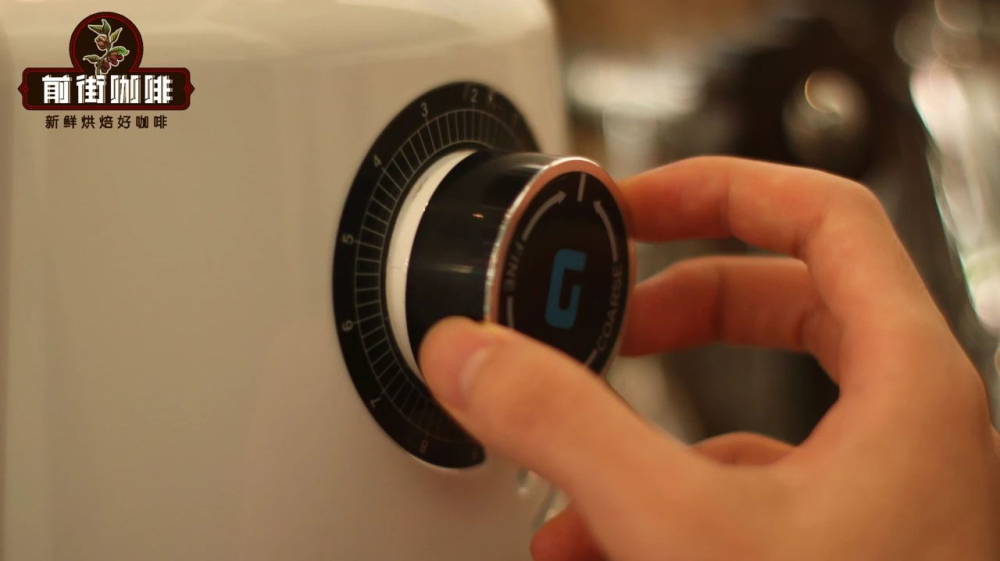
So how many milliliters a single espresso should be to qualify mainly depends on the coffee-to-water ratio. Next, Front Street Coffee (FrontStreet Coffee) will share the parameters and process for making a hot latte.
Latte coffee recipe ratio
Front Street uses a Pegasus E98 espresso machine, with the following extraction parameters:
Pressure: 9 bar
Temperature: 90.5~96°C
Time: 20~30 sec
Coffee-to-water ratio: 1:1.7~1:2
Dose: 12g (single espresso) 20g (double espresso)
Extracted espresso amount: 20ml (single) 40ml (double)
Front Street uses a double espresso to make lattes, using Front Street Coffee (FrontStreet Coffee) Sunflower blend coffee beans. The extracted flavor profile is: noticeable fruit acidity, a faint berry aroma lingering, rich wine and chocolate flavors, and a comfortable sweet aftertaste.
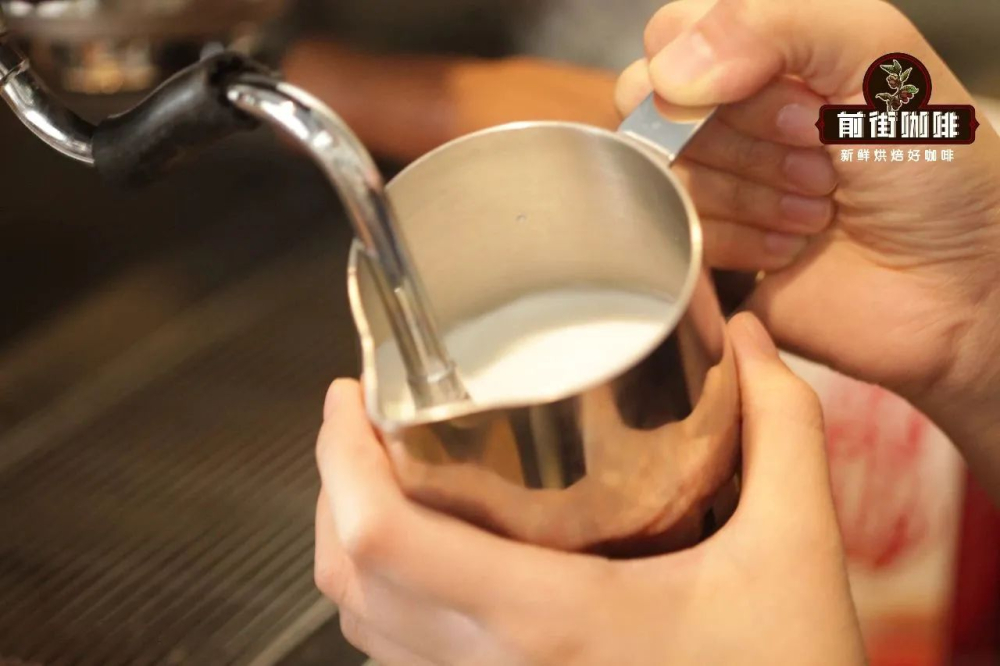
Milk: whole fresh milk (Front Street uses Vitasoy fresh milk)
Milk steaming temperature: 50-60°C (too low a temperature cannot stimulate the lactose in the milk, too high a temperature will destroy the protein in the milk, creating a grainy texture)
Milk foam thickness: 1 cm (foam thinner than 1 cm is for making flat white coffee, foam thicker than 1 cm is for making cappuccino)
Recommended hot latte coffee ratio
Front Street recommends a coffee-to-milk ratio of 1:6.5 for making lattes, 40ml espresso : 260ml hot milk. By swirling to fully integrate the milk and espresso, you get a cup of hot latte. Fresh milk heated produces lactose sweetness molecules that are better released. After mixing evenly with espresso, the whole latte carries the sweet taste of milk without overpowering the espresso; instead, against the backdrop of milk, the espresso's flavor is even more highlighted. Front Street's hot latte flavor profile is: whisky aroma, lactose and coffee acidity colliding into a milkshake-like sweetness, with a hazelnut and other nutty aftertaste.

The above is Front Street Coffee's (FrontStreet Coffee) summary of the differences between single espresso and double espresso, hoping to help coffee enthusiasts who want to learn related knowledge.
The above content is compiled by CoffeeHunters, a coffee news website.


