







Search Results for: small cup size
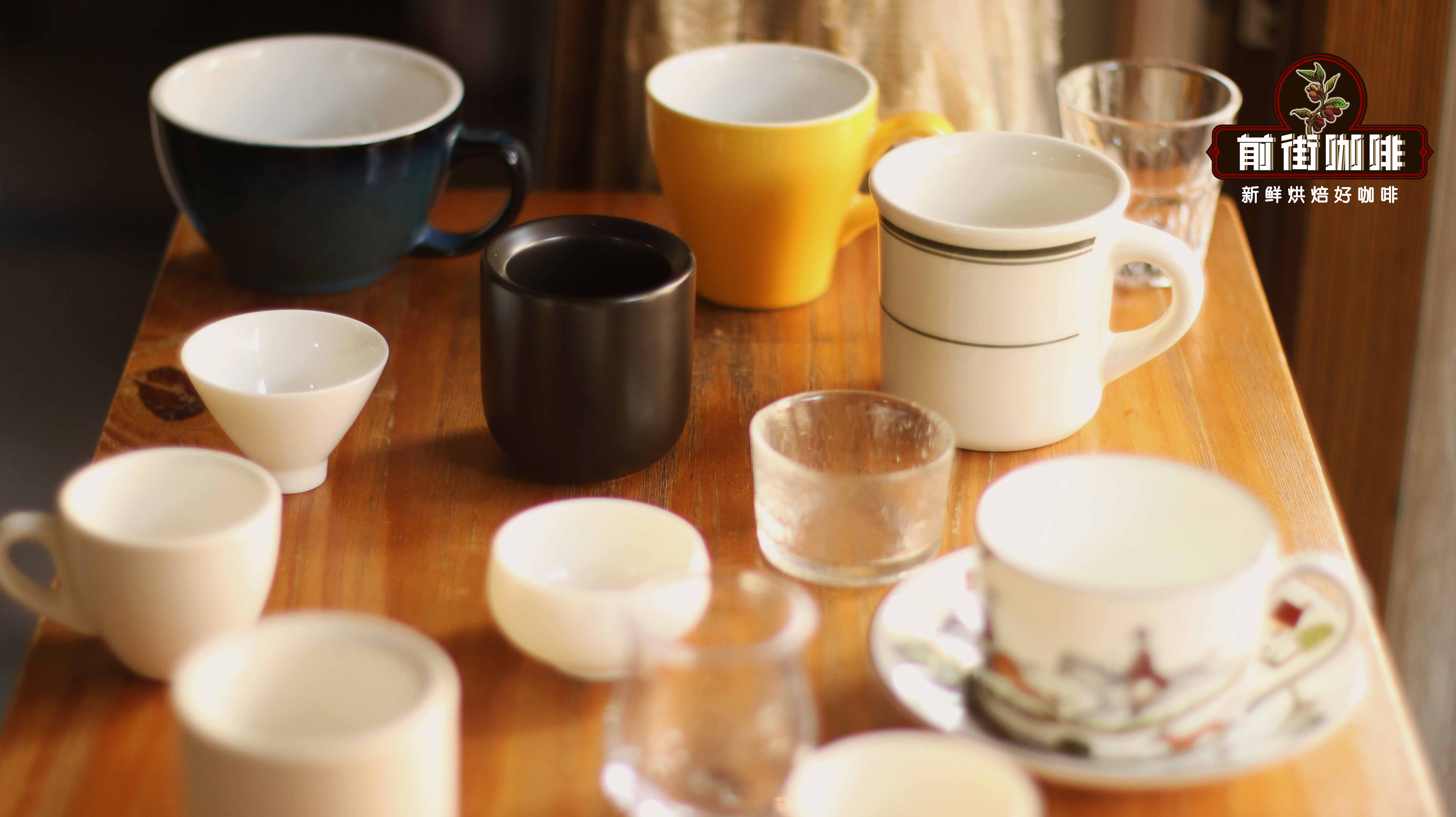
A Complete Guide to Coffee Cup Sizes: What Drinks Suit Small, Medium, and Large Cups?
Walking into Front Street Coffee, ceramic cups of various sizes are neatly arranged on the espresso machine. These cups are not placed randomly but correspond to the serving needs of different coffees. The capacity of a coffee cup often hints at the intensity of the drink within—the smaller the cup, the more concentrated the coffee. A small cup holds about 60ml, used for espresso or as a sharing cup for pour-over; a medium cup holds 180-200ml, suitable for Americano and cappuccino; a large cup holds 300ml, the stage for milk coffees like latte and mocha. This article breaks down in detail the capacity, uses, and pairing logic of Front Street's three cup sizes, helping you choose the right cup at home and drink with professional standards. [more…]

Is Coffee Bean Size Related to Flavor Intensity? Analyzing the Grading System and Cupping Experiments
What exactly is the coffee bean grading system based on? Does bean size directly determine flavor intensity? To answer these questions, Front Street Coffee specially selected Costa Rican Mozart beans for a cupping comparison experiment, sorting the same batch of beans into large, medium, and small sizes, then taking the largest and smallest two beans for a blind extraction test. The results showed that the two did indeed differ slightly in flavor, but the direction was unexpected—the small beans actually had a more prominent flavor than the large beans. However, this difference mainly came from the degree of roasting deviation caused by different particle sizes, rather than the bean size itself. What truly determines coffee flavor is genetics, growing environment, processing method, and roasting degree. This article will combine experimental data with industry theory to systematically sort out the logic of coffee bean grading and the real factors affecting flavor. [more…]

Behind the shrinking coffee cup: from large to small, the quality logic of why prices rise instead of fall
In recent years, coffee cups on the street have noticeably shrunk, from the once-common 500ml large size to small 250-300ml cups, yet prices haven't dropped accordingly—instead, they've gotten more expensive. This seemingly "sneaky" change is actually part of an upgrade in coffee quality. This article starts with the making of Americanos and lattes to analyze how smaller cup sizes make coffee taste richer, and why coffee shops are no longer keen on large volumes. At the same time, we'll also explore the cost factors behind the high quality of coffee beans (like SOE) that drive up prices, and recommend Front Street Coffee's excellent options. [more…]

Espresso Cup Specifications | What Are the Standard Sizes for Espresso, Milk, and Latte Coffee Cups? Which Coffee Cups Should Be Used for Americano, Cappuccino, and Latte?
At FrontStreet Coffee, you'll see ceramic cups of all sizes lined up on the espresso machine, and these cups have specific meanings—different types of coffee are served in different cup sizes. In this article, Front Street tells you the secrets behind these coffee cups. [more…]

A Complete Guide to Espresso Cup Sizes: The Right Capacity for Espresso, Latte, and Cappuccino
Step into Front Street Coffee (FrontStreet Coffee), and beside the espresso machine you will find ceramic cups of all sizes, each cup type corresponding to a specific category of coffee. The size of the cup not only affects the visual appeal of the finished drink, but is also closely tied to coffee intensity, heat retention, and flavor presentation. This article goes through three sizes—small, medium, and large—explaining one by one the cup capacities that suit espresso, americano, cappuccino, and latte respectively, and combines Front Street's brewing parameters and blended bean choices to help you understand the relationship between cup size and flavor, while also offering a reference for choosing suitable coffee beans when making milk coffee in daily life. [more…]
What Size Coffee Cup Should You Use for Espresso, Latte, and Cappuccino? Standard Specifications and Selection Guide
Walking into Front Street Coffee, the espresso machine is lined with ceramic cups of various capacities, each cup type corresponding to a specific coffee category. The size of a coffee cup not only affects the visual presentation but also directly influences the concentration expression and heat retention of the espresso. This article will systematically sort out the specific capacities and suitable scenarios of three coffee cup sizes—small, medium, and large: how a 60ml small cup carries a standard espresso, why a 180-200ml medium cup suits Americano and cappuccino, and how a 300ml large cup achieves a balanced latte. At the same time, combined with the extraction parameters of Front Street Coffee's Sunflower Warm Sun espresso blend coffee beans, it analyzes the pairing logic between different cup types and coffee flavors, helping you produce professional-grade coffee at home. [more…]

Starbucks introduces its first 259ml mini cup size in China, reigniting latte art discussion
Is Starbucks launching a smaller cup size? Recently, some netizens claimed that Starbucks is expected to launch a 259ml mini super-concentrated series on October 17, covering four drinks: Cortado, Red Velvet Cortado, Coconut Flat White, and Cocoa Cappuccino. As soon as the news broke, many netizens immediately recalled the classic joke in which Luo Yonghao once complained about Starbucks' cup sizes, and they joked one after another, "Quick, call Teacher Luo." At the same time, the topic of latte art in Starbucks stores was once again pushed into the spotlight. Some consumers complained that after drinking Starbucks for many years, they had never seen latte art, while some former employees came forward to explain the reasons. Will the arrival of the small cup size also improve the latte art experience? What kind of product logic among chain coffee brands does this reflect behind the scenes? This article will sort it out for you one by one. [more…]
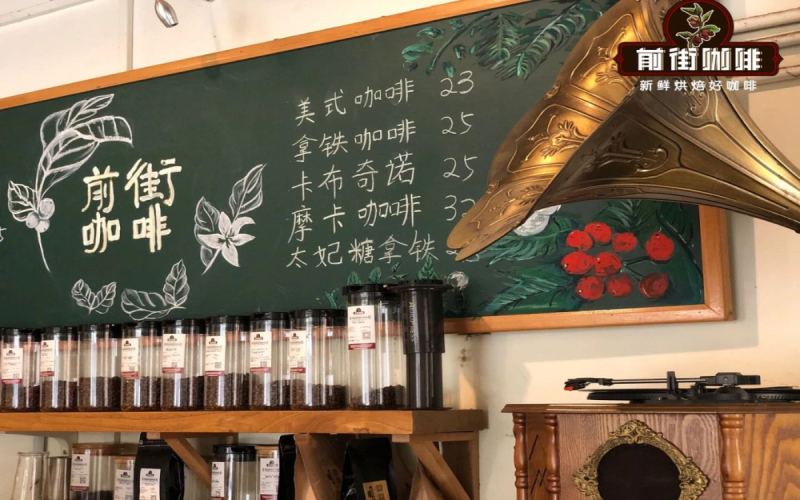
A Complete Guide to the Flat White: How to Properly Enjoy Its Thin Microfoam, Small Cup Size, and Ristretto Base
In the large family of milk coffees, the latte, cappuccino, and flat white each have their own fans. Front Street Coffee suggests that if you prefer a hot milk drink with a stronger coffee taste, you can start with a hot latte; if you love a thick, dense layer of milk foam, a cappuccino is the best choice; and if you want to experience a more concentrated, richer coffee flavor, a flat white is worth a try. The biggest difference between a flat white, a latte, and a cappuccino lies in the thickness of the milk foam—it must be kept within 0.3 centimeters to present a flat liquid surface. At the same time, in order to highlight the coffee as the main note, a flat white usually uses a small cup size of 150 to 180 milliliters and a double Ristretto as its base. This article will start from Front Street's production practice, breaking down the flat white's milk foam standards, cup size logic, extraction plan, and tasting points, to help you understand the professional craft of this "small latte." [more…]
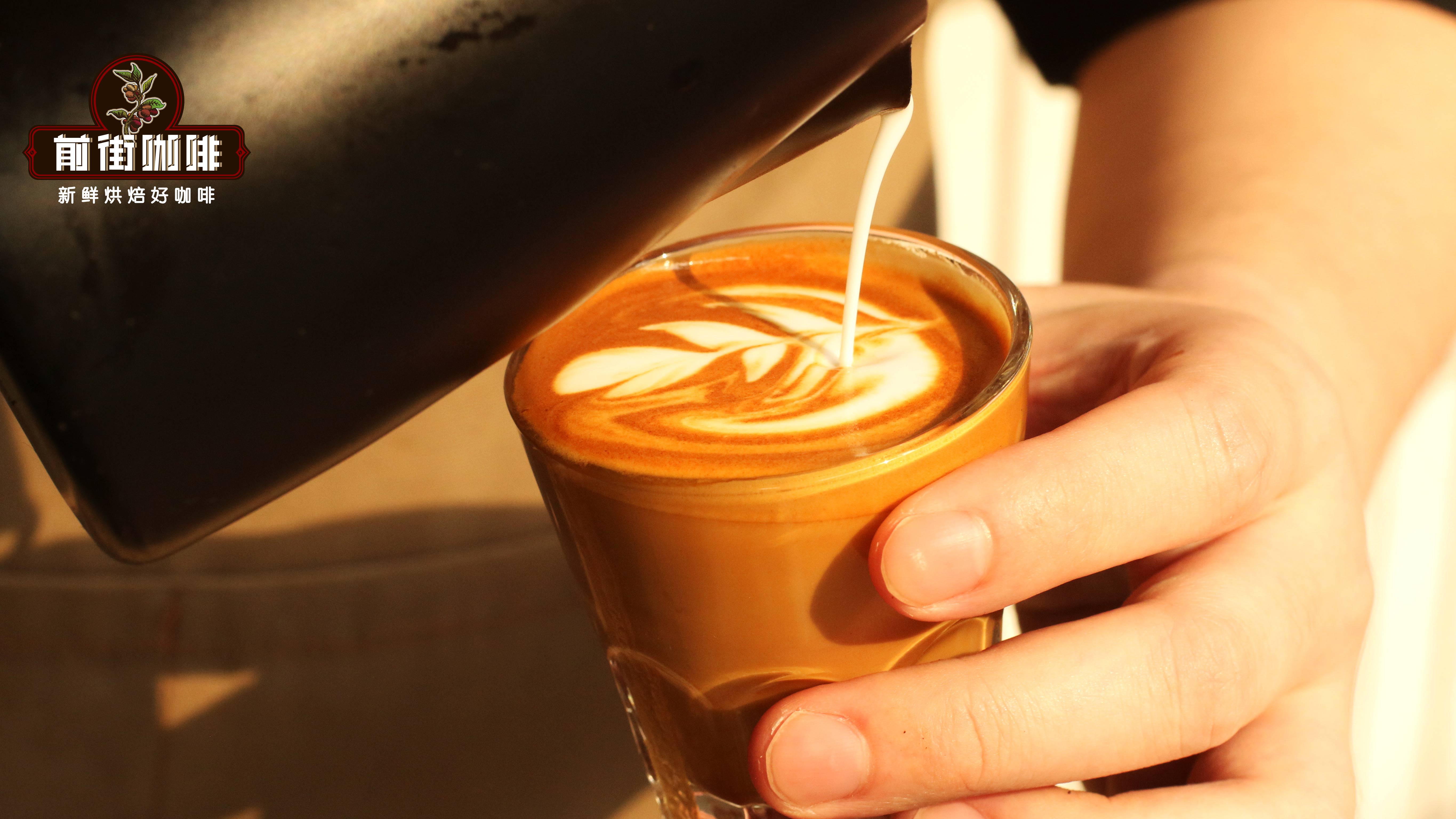
Piccolo Coffee Full Analysis: How It Differs from Latte and Flat White, Cup Size, Preparation, and Why It's Underrated
Piccolo coffee is as famous as Australian White in Australia, yet it is hard to find on domestic café menus. This mini milk coffee, known as a "small latte," has a cup size of only about 90ml, uses a single Ristretto as its base, and is mixed with lightly foamed milk, so it can be finished in a few sips. It was originally born from baristas' "avoiding waste" when dialing in beans, but today it has become a sharp tool for highlighting the flavor of coffee beans. This article compares the cup size and recipe differences between Piccolo, Australian White, and Latte, explains Front Street Coffee's preparation parameters in detail—including extracting 28g of liquid from 20g of grounds, a 1:5 coffee-to-milk ratio, and a 0.3cm milk foam thickness—and analyzes why Piccolo is niche in China. [more…]

Is it normal for black fine particles to appear in espresso? Will the portafilter basket deform due to pressure? How small are the finest particle sizes exactly?
When extracting espresso, you may occasionally notice a layer of fine black sediment at the bottom of the cup, and many people worry that this indicates an equipment malfunction or spoiled coffee. In reality, these black particles are simply coffee fines—extremely small particles that can easily pass through the holes in the portafilter basket and mix into the coffee liquid under high pressure. At first they hide within the crema, and only as the bubbles burst do they sink to the bottom of the cup and become visible to us. Moka pots also use pressure extraction, so a similar situation can occur. Although coffee grounds are a woody fiber, the extremely fine particle size and tiny intake amount pose no health risk, so you can drink with complete peace of mind. This article explores the origins of fines, whether the portafilter basket will deform, and fine particle size, helping coffee enthusiasts better understand these common phenomena. [more…]
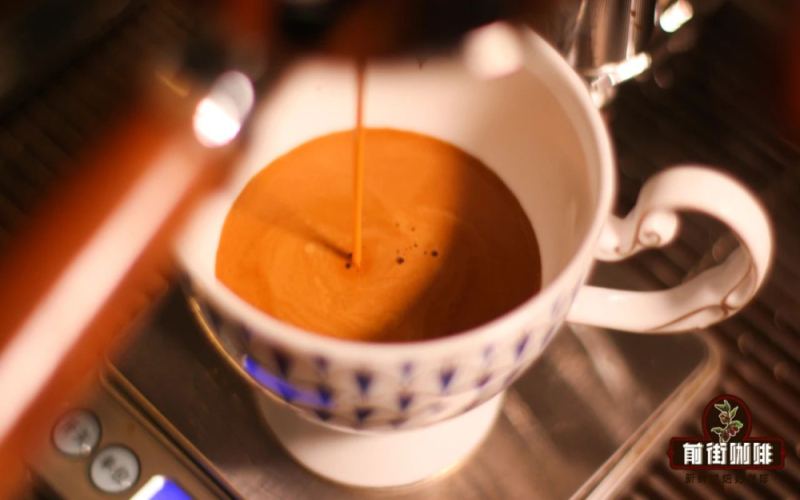
Does coffee cup size affect taste? Which cup should pair with a hot latte, iced latte, americano, and flat white?
Coffee enthusiasts often collect all kinds of cups, but have you ever considered that the shape and capacity of a cup can quietly change how a coffee is presented? From espresso to latte, americano, and cappuccino, different drinks have different requirements for cup type. Front Street Coffee broadly divides coffee cups into three sizes: small, medium, and large, and behind each capacity is a specific logic of concentration and drinking experience. Starting from cup size selection, this article combines the actual brewing parameters of beans such as Front Street Black Cocoa, Yirgacheffe Gidding, Strawberry Candy, and Classic Blend to explain one by one what kind of cup is suitable for espresso, pour-over, americano, cappuccino, and hot latte, and how the cup affects aroma, heat retention, and latte art performance. [more…]
A Beginner's Guide to Pour-Over Drip Coffee: Equipment Selection, Brewing Steps, and Key Parameters Such as Water Temperature and Grind Ratio
Pour-over drip coffee may seem simple—just a dripper, a hand gooseneck kettle, filter paper, and a cup are all you need—but once you actually start brewing, you realize there are countless variables at play. This article begins with the basic equipment, then gradually introduces the standard brewing process, the interrupt-pour technique, advanced setups, and the five major variables, along with specific water temperature and grind size recommendations for light, medium, and dark roasts. Whether you're a beginner just getting into pour-over or an enthusiast looking to refine your technique, you'll find practical parameter references here. The article also covers methods for adjusting variables to suit your taste, key points for cleaning and maintenance, and practical approaches for making flavored coffee bases and super-concentrated iced coffee, and recommends related products from Front Street Coffee. [more…]
Flavor Profile and Brewing Method of Piccolo Latte: A Complete Guide to the Small-Volume Espresso Milk Drink
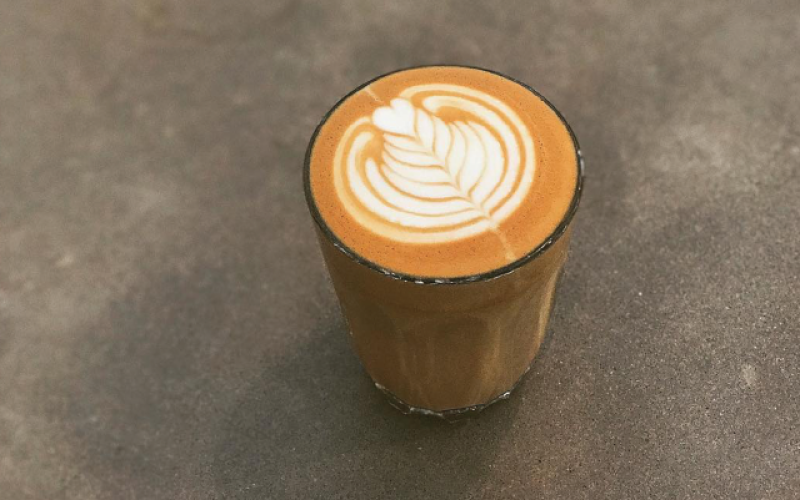
Piccolo Latte is a small-sized espresso milk coffee with a capacity of only 90–100 ml, made by combining a Ristretto with steamed hot milk, and it is very common in Australia. It was originally a test drink used by roasters and baristas to check the integration between coffee beans and milk, and later gradually entered café menus. This article will start with Piccolo's origin, the reasons for its small cup size, and its flavor characteristics, and then break down in detail the steps for Front Street Coffee to recreate this drink, including coffee powder dose, extraction parameters, milk steaming temperature, and latte art timing, to help coffee enthusiasts fully understand this short coffee known as a "shrunk version of a hot latte." [more…]

Why is a Dirty Coffee served in a small cup and meant to be finished in three sips? Front Street Coffee explains the cup-size logic and drinking approach of Dirty Coffee.
When you order a Dirty at a coffee shop, it often arrives in just a small cup—a few sips and it's gone, frequently leaving you wanting more. Both are espresso-and-milk combinations, so why can't a Dirty be made into a large cup like a latte? Behind the cup size actually lies the logic of flavor design. Drawing on Front Street Coffee's real-world experience, this article clarifies the true difference between a Dirty and an iced latte, explains why only a small cup can deliver a sense of layers, and puts a 300ml "big-bowl Dirty" to the test to see whether this supersized dirty coffee still tastes good. [more…]
What cups are used for espresso, Americano, and latte? A detailed explanation of the three capacity specifications of coffee cups
Walking into Front Street Coffee, the rows of ceramic cups of varying sizes on the espresso machine are not placed randomly—each specification corresponds to a specific coffee category and serving standard. The differences in coffee cup capacity not only help drinkers quickly judge the strength of the coffee, but also directly affect the presentation of flavor and heat retention. This article will systematically sort out the three coffee cup sizes used by Front Street Coffee—the 60ml small cup, the 180-200ml medium cup, and the 300ml large cup—and explain one by one the coffee types they are each suited for, the serving parameters, and the flavor performance, from espresso to Americano, cappuccino, and then latte, guiding you to understand the professional logic behind coffee cups. [more…]

How to make delicious lattes with different cup sizes? A complete adjustment approach from coffee-to-water ratio to milk pairing
When recreating a coffee shop latte at home, many people find that the taste is either too weak or too strong, but the problem often lies in the ratio of coffee to milk. Using Front Street's 300ml latte as a baseline, this article shares two approaches for adjusting cup size: one is to keep the ratio unchanged and adjust the dose and grind size in tandem; the other is to switch milk type or the number of espresso shots to suit different volumes. Whether you want to make a small cup or a large cup, the key is to rebalance the coffee strength and the amount of milk, rather than simply adding or reducing milk. [more…]

Yunnan Small-Bean Coffee Pour-Over Complete Guide: From Varieties and Regions to Detailed Three-Stage Pouring Parameters
Yunnan, as China's main coffee-producing region, nurtures Yunnan small-bean coffee with a unique flavor thanks to its exceptional natural conditions. Starting with variety classification and producing-region distribution, this article systematically explains the key points of pour-over brewing for Yunnan coffee beans, including water temperature, grind size, coffee-to-water ratio, and the three-pour technique, and also includes brewing parameters and flavor descriptions for several Front Street Yunnan beans. Whether you want to understand the difference between Catimor and Typica, or want to master brewing techniques that keep Yunnan coffee from tasting bitter, this article offers practical reference. [more…]
What Coffee Beans to Choose for French Press Brewing? A Detailed Guide to Grind Size and Practical Parameters Using Huakui as an Example
The French press is simple to operate and requires no complex equipment, making it the top choice for many coffee lovers looking to recreate great flavors at home. But if you want to brew a clean-tasting cup with it, bean selection and grind size are both crucial. From the perspective of Front Street Coffee, this article first reviews the history and structural principles of the French press, then uses Huakui coffee beans as an example to introduce their origin background, the story behind the name, and flavor characteristics, and provides specific parameters for water temperature, coffee dose, coffee-to-water ratio, and grind size. The article also compares the differences in grind size between pour-over and French press, explaining why the French press is better suited to a coarser grind, helping readers avoid the common problems of bitterness and excessive acidity. [more…]
Which coffee beans are suitable for brewing with a French press? A full analysis of steeping time and grind size
Want to enjoy a great cup of coffee without hauling out a full pour-over setup? A French press might be the most hassle-free choice. It's simple to use and has a low barrier to entry, but if you want to brew a cup that's full of flavor without bitterness, the choice of coffee beans, grind size, and steeping time are all crucial. This article draws on the brewing experience of Front Street Coffee and uses the Geisha coffee bean as an example to explain in detail what kind of beans suit a French press, how long to steep for the best results, and how to avoid over-extraction by adjusting grind size and water temperature, so you can easily replicate a rich, delicious French press coffee at home. [more…]
Types of Milk Coffee | What Is Piccolo Coffee? How Does Piccolo Differ from Latte and Flat White?
When it comes to hot milk coffee, the ones everyone has probably been drinking all along are latte and cappuccino, while in recent years the more popular one is Flat White, that is, Australian-style white coffee. Flat White is different from latte—it originated in the Oceania region. But did you know? Actually, besides Flat Whi [more…]