








What Does SOE Coffee Have to Do With Shrinking Cups?
Coffee cups on the street have shrunk from 500ml to roughly 250-300ml, yet prices have climbed rather than fallen. The change follows a shift in coffee quality rather than cost-cutting alone. A 500ml Americano can dilute a double shot at about 1:7 or 1:8, while a 250ml cup uses the same shot with water at only 1:4 or 1:5, so the drink tastes stronger and sweeter.
Espresso recipes also grew: a double shot once used about 14g of coffee grounds, and today 18g is common. Lattes follow the same logic with milk instead of water. Single-origin espresso, or SOE, pushes costs higher because traceable lots of higher-scoring beans sell at a premium, and shops pass part of that difference into the cup price.
In recent years, coffee cups on the street have noticeably shrunk, going from the once-common 500ml large cups to small 250-300ml cups, yet prices haven't dropped accordingly—instead, they've gotten more and more expensive. This seemingly "sneaky" change is actually backed by an upgrade in coffee quality. This article starts with the making process of Americanos and lattes to analyze how smaller cup sizes make coffee taste richer, and why coffee shops are no longer keen on large cup sizes. At the same time, we'll also explore the cost factors behind high-quality coffee beans (such as SOE) that drive up prices, and recommend Front Street Coffee's excellent choices.
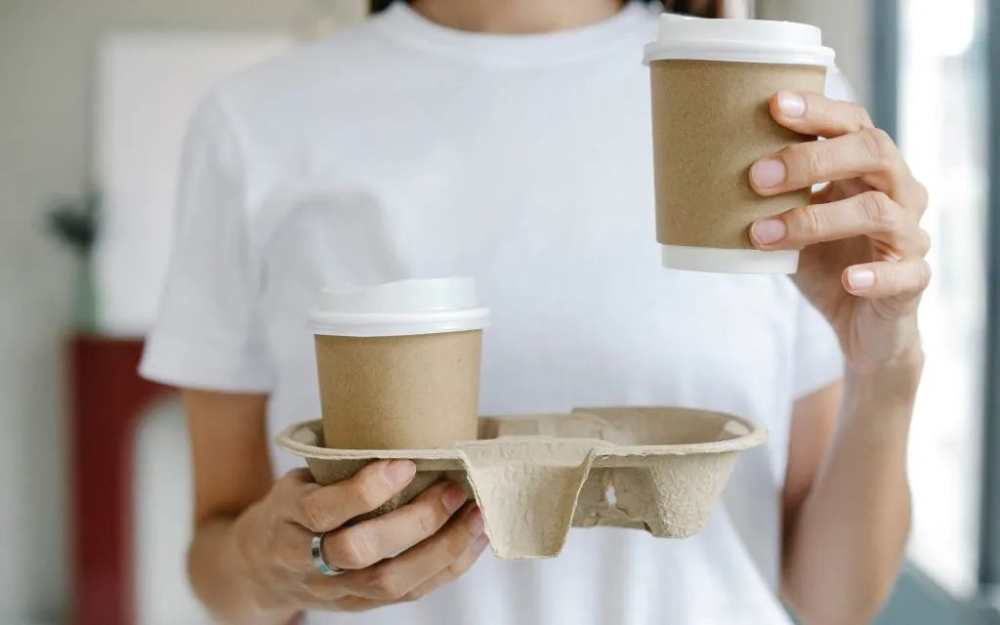
In the past, strolling down the street, you'd always see pedestrians holding 500ml (16oz) large cups of coffee.
However, in the past year or two, the coffee cups in people's hands have visibly shrunk by a size, mostly ranging between 250-300ml (8-10oz). The cup volume has nearly halved, yet prices haven't come down—instead, they've been climbing all the way up.

This inevitably makes people wonder: are coffee shops getting more and more "shrewd"? Looking at cup size and price alone, it's easy to feel like consumers are being treated as suckers. But if you put aside that mindset and taste a cup, you'll find that aside from names like Americano and latte staying the same, the flavor is already completely different from the past. Today's coffee may come in smaller cups, but the flavor has improved by a huge margin.
From the perspective of the brewing process, smaller cup sizes aren't a coffee shop's "scheming" but a quality revolution. Take the most common Americano and latte as examples. Coffee shops usually make Americanos by diluting espresso with water. Assuming the same espresso extraction recipe, a 500ml cup means a double shot diluted with water up to 500ml (ratio about 1:7–1:8), while today's 250ml cup is also a double shot but only filled with water up to 250ml (ratio about 1:4–1:5).
In this way, the smaller cup size simply reduces the water, making the coffee taste richer. Of course, this is under the premise that the espresso parameters are consistent. In reality, the gap is even bigger, because in the past a double shot typically used about 14g of coffee grounds, whereas today a double shot commonly uses 18g of coffee grounds. The situation with lattes is similar, except water is replaced with milk. A large cup adds more milk, while a small cup adds much less. The smaller cup size isn't about saving on milk costs, but about paying more attention to the ratio of coffee to milk. Too much milk will mask the coffee's own flavor. The reason lattes nowadays commonly use a 300ml cup is that, with a double shot as the base and milk added at a 1:5~1:6 ratio, the taste is most balanced.
In addition, another important reason many coffee shops no longer offer large cup sizes is that large cups seem cost-effective but are actually hard to finish. Either you can't finish it because the volume is too large, or you drink it slowly and the coffee goes cold, worsening the taste. Thus, coffee cup sizes transitioned from the era when Teacher Luo insisted on the "medium cup" to coffee shops' fixed small cup sizes.
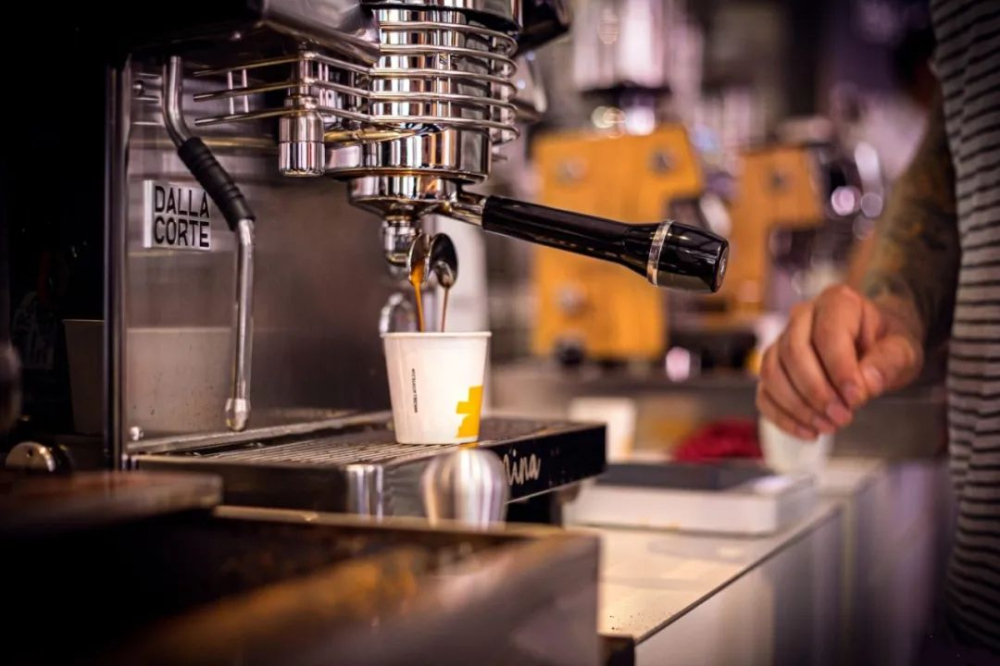
As for coffee now having less volume yet being more expensive, it's largely because higher-quality coffee beans are used. For example, the popular SOE coffee can sell for twenty or thirty yuan for just a small cup. The extra cost is exactly the higher expense brought by high-quality coffee beans. If you also want to experience this quality upgrade, why not try Front Street Coffee's beans—they can help you recreate the same rich, delicious taste at home.
The above content is compiled by CoffeeHunters, a coffee news website.


