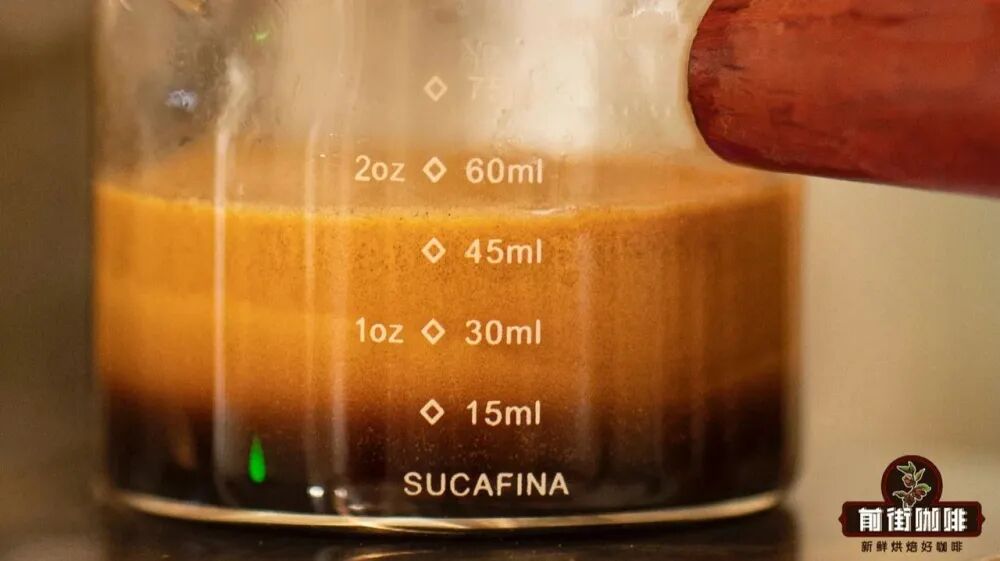
When it comes to hot milk coffee, what everyone has probably been drinking all along are lattes and cappuccinos, while in recent years the more popular one is the Flat White, also known as Australian-style white coffee. Flat White is different from latte—it originated in the Oceania region. But did you know? Actually, besides the Flat White, there is another milk coffee that also comes from Australia, and it is—Piccolo coffee.Piccolo coffee originated in Australia, and is said to have become popular in Melbourne. The English name "Piccolo" comes from Italian, meaning "small." Because it uses a single shot ofEspresso, and the top of the coffee is covered with a thin layer of milk foam, and it is served in a small, roughly 100ml transparent glass cup, it is very petite.And because both the cup size and the ingredients are half of a latte(a normal latte cup is 200ml~300ml), Piccolo is also called a "small latte." Although it is called a "small latte," making a good cup of Piccolo coffee is no simpler than making a latte. What is the difference between Piccolo coffee and latte? Latte originated in Italy, but rose to prominence in Seattle, Washington, in the United States in the 1980s, and following in the footsteps of a certain international brand, it appeared around the world and even became very popular. The word Latte comes from Italian, meaning milk. The difference between Piccolo coffee and latte is that Piccolo's cup size and ingredients are half of a latte's. So Piccolo coffee's taste and mouthfeel will be consistent with a latte, but because the cup size is smaller, it is not easy to feel full when drinking it, and the burden is smaller. It is more suitable for those who do not want to take in so much caffeine and milk.Piccolo coffee and Australian-style white coffeeFlat Whitewhat is the difference? So, what is the difference between Piccolo coffee and Flat White? For people who like milk coffee, the Australian way of making Flat White lets people feel the sweet and rich coffee flavor within the milk, while in the coffee one can also find the silky smoothness of milk. Front Street Coffee found that for Australians, latte is a coffee for people who like milk, and if you want to "truly taste" the aroma of the coffee beans, as well as the perfect pairing with milk, Flat White will be closer to the ideal. Besides the most common Flat White, Australians also invented for heavy coffee lovers the one commonly known as "small latte"—Piccolo Latte. Piccolo is actually a缩小版 of the full version of latte, and it represents the same flavor and coffee strength. This may cause some confusion for customers when ordering in a shop.If we want to drink a cup of milk coffee with high sweetness and a silky mouthfeel, then Flat White is absolutely the unshirkable choice. And if what we want to drink is a cup where the flavors of coffee and milk are balanced, but the coffee flavor is not too concentrated and bitter, Piccolo coffee may be your best choice.It is smooth on the palate, with a moderate temperature; a temperature of about 55–65°C just brings out the lactose sweetness in the milk. In addition, precisely because the milk content is just right, we can both taste the coffee's sweetness, richness, and finish, and even after finishing the whole cup we will not feel stuffed.How to make a standard Piccolo latte In order to give the Piccolo latte a mellow and solid mouthfeel, Front Street Coffee's classic espresso blend coffee beans are used here for production. It adopts the classic "Mamba formula," with Brazil and Mandheling as the main notes, then combined with a small amount of Robusta, with the aim of allowing everyone to extract a rich, mellow, caramelized coffee flavor and full-bodied crema at home as well. Below, Front Street Coffee makes a cup of latte and a cup of Piccolo coffee respectively, so everyone can compare the differences between them. Through multiple adjustments, Front Street Coffee determined the espresso extraction parameters as: 20g coffee grounds, extracting 40g coffee liquid, in 28 seconds. Front Street Coffee stores use a 300ml coffee cup when serving lattes, so 220g milk is poured in and steamed with a steam wand to 55–65°C. The milk foam thickness of a latte is moderate, about 0.5cm or so; after steaming, the milk surface is glossy, without bubbles, and has a certain fluidity. Finally, the steamed milk and espresso liquid are combined for latte art.
 Front Street Coffee uses a small cup of about 100–130ml for making Piccolo, and preheats it in advance to ensure the coffee's drinking taste as much as possible. Then a single shot of espresso (15–20ml) is combined with 100ml of steamed milk with thin milk foam (less than 0.5cm). Apart from the mini cup size, Piccolo coffee is indeed not much different from a regular latte in structure, but because the container it is served in is half the size, the difficulty of making it is undoubtedly much higher than that of a latte.
 Since it is called a "small latte," the latte art that is standard for a hot latte naturally cannot be omitted, but the smaller cup size means less space left for the barista to draw. Along with the shrinking of the whole cup of coffee, the barista must steam the only 100ml of milk in the milk pitcher into silky, dense milk foam, and blend it evenly with the coffee liquid, while also not losing the exquisite appearance of a regular hot milk coffee. This is also why the Piccolo coffees we usually see in cafes are almost always simple patterns like tulips, small leaves, and hearts.They are all milk coffee, so why is latte more famous than Australian-style white coffee and Piccolo latte?Front Street Coffee speculates that it is related to flavor and the strength of promotion. Latte became widely known because Starbucks gradually expanded its market worldwide. Second, compared with Australian milk coffee, in a cup of latte, milk accounts for a relatively large proportion, and the overly concentrated and rich flavor of the espresso liquid is diluted to a great extent, making it easier for people to accept. As Australian-style white coffee and Piccolo latte appear on the menus of more and more cafes, and more and more people drink them, this kind of milk coffee from Australia can become known to more and more people.
 The above content is compiled by CoffeeHunters, a coffee news website.