







Search Results for: single-pour method
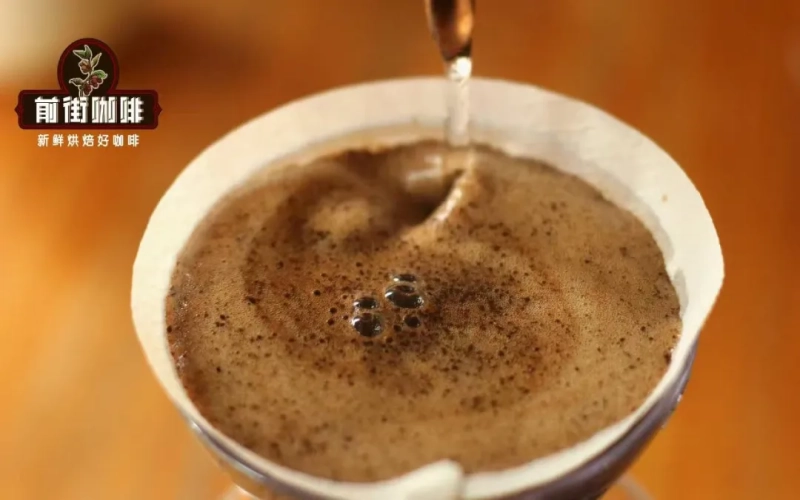
How to Brew with the One-Pour Tornado Hand-Drip Method? Core Differences from Three-Stage Pour-Over and Detailed Practical Parameters
Among the many pouring techniques in pour-over coffee, the single-pour method is widely favored for its simplicity and efficiency, and the "single-pour · tornado" derived from it attracts many enthusiasts with its strong visual impact and unique extraction logic. From the perspective of Front Street, this article systematically explains how this fancy brewing method creates a vortex in the dripper, why it is harder to control than the regular single-pour, and how to compensate for the loss of extraction efficiency by adjusting water temperature, grind size, and dripper type. The article also includes a complete brewing demonstration, using 18g Panama Butterfly, a 1:15 coffee-to-water ratio, and 96°C water temperature, ultimately achieving a 19.7% extraction yield and clear flavor expression, suitable for readers who want to advance their pour-over skills. [more…]
Pour-over Coffee Single-Pour Technique Tutorial: A Complete Guide to Brewing Steps, Flavor Characteristics, and Grind Parameters
Among the many ways to brew pour-over coffee, the single-pour method is one of the first techniques many enthusiasts encounter and the easiest to understand. Its core logic is simple and clear—after the bloom, the entire target volume of water is poured in one go. That said, the single-pour method does not mean pouring water only once; the process still consists of two stages: the bloom and the main pour. Coffee brewed this way tends to be clean, clear, and consistent in flavor, but it also places stricter demands on pouring stability, grind size, and other parameters. In this article, from the perspective of a Front Street Coffee barista, we will break down the complete single-pour brewing process in detail, analyze its flavor performance and operational challenges, and help those just getting started quickly master this classic technique. [more…]

A Complete Guide to Tetsu Kasuya's One-Pour Brewing Method: A Minimalist Pour-Over Approach Rooted in the High-Concentration, Low-Extraction Philosophy
World champion Tetsu Kasuya proposed a brewing method called "one-pour" in 2019, advocating pouring all the target water at once, skipping the blooming step and making pour-over extremely simple. However, it is often mistaken for the single-pour method, when in fact the two are clearly different. This article will comprehensively break down the characteristics of one-pour brewing from its principles, parameters, and operation process to actual measurement comparisons, and use Panama Boquete Geisha as a sample to compare the flavor performance after one-pour and single-pour brewing. At the same time, Front Street Coffee will also sort out five key details to note in one-pour brewing to help coffee lovers avoid misunderstandings. [more…]

A New Hand-Brew Method Without Blooming: The Principles, Parameters, and Practical Points of the One-Pour Brewing Technique
Pour-over coffee usually starts with blooming, but Tetsu Kasuya, the 2016 World Barista Champion, proposed in 2019 a brewing method that skips blooming entirely—the one-pour method. It may look similar to the single-pour technique, but the differences are clear: the single-pour technique splits the water into two pours, while the one-pour method pours all the hot water in at once. This article covers the principles of the one-pour method, its differences from the single-pour technique, equipment and bean selection, grind adjustment, pouring direction, and the full process of Front Street Coffee's hands-on practice with a Colombia · Hope Estate Geisha, providing key parameters such as dose, ratio, water temperature, grind, and time to help you decide whether this minimalist brewing method suits you. [more…]
Why Does Front Street Coffee Stick with the Three-Pour Hand Brew? A Comprehensive Analysis of Its Pros and Cons Versus Single-Pour and Other Pouring Methods
Pour-over coffee brewing methods are endless: one-pour, 4:6, volcano, Kono style… Each method has its own unique expressiveness, bringing out different flavor emphases in coffee. Yet Front Street Coffee has always focused on three-stage brewing, which makes many coffee lovers curious: why not try other methods? This article starts from practical application, analyzes the fundamental reasons Front Street chose the three-stage method, and compares the advantages and differences between three-stage and pouring techniques such as the one-pour method, while retaining relevant product and store information for the Front Street brand, providing coffee lovers with a clear theoretical reference. [more…]

How to Set Pour-Over Coffee Parameters? A Practical Analysis of Water Temperature, Grind Size, Ratio, and the Simplified One-Pour Method
Many people new to pour-over coffee tend to focus on pouring techniques, but Front Street believes that what really determines whether a cup of coffee tastes good is whether the extraction parameters are reasonable. The differences between single-pour, three-stage, and 4:6 methods are essentially differences in parameter configuration. This article starts from Front Street's practical experience, first sorting out the underlying logic of grind size, water temperature, and ratio, then sharing a simplified approach that requires almost no water-control skill—paired with a cake filter cup, you simply bloom and then pour all the remaining hot water in one go, reliably producing a coffee with balanced sweetness and standout sweetness. Using Front Street Ethiopia Huakui as an example, the article lists in detail a parameter comparison between the conventional three-stage method and this simplified brewing method, making it easy for everyone to reproduce at home. [more…]
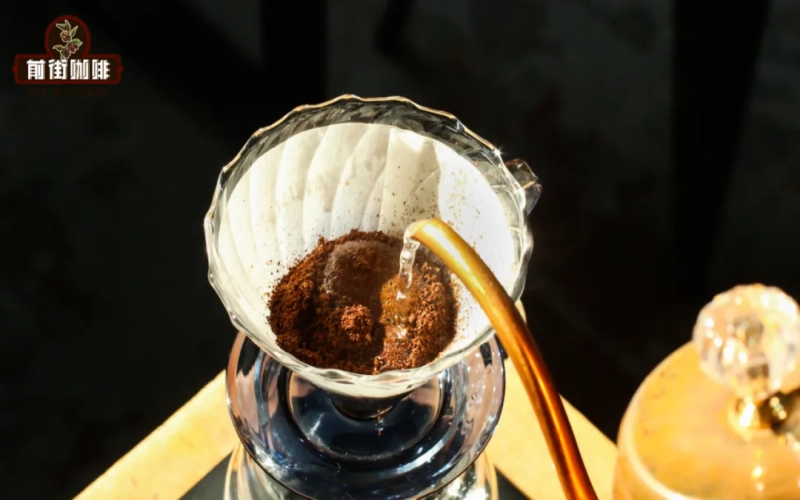
What water temperature should be used for a one-pour-over single-pour? How do you perform the two-stage pouring method? A detailed explanation of world runner-up Patrik Rolf's brewing method.
Pour-over coffee doesn't always require total focus on timing every second and controlling the flow. A two-pour method from Patrik Rolf, founder of Norway's April brand and runner-up at the 2019 WBrC, has a low barrier to entry: simply split the total water into two equal pours and finish pouring at fixed time points, yet the resulting cup is quite balanced and tasty. This method has one prerequisite: it must be used with a flat-bottom or cake filter cup. This article will fully break down the principles, suitable bean types, and practical steps of this approach, and using 15g of Front Street Emerald Estate washed Diamond Mountain as an example, give specific parameters of 94°C water temperature, a 1:16 coffee-to-water ratio, and a 90% pass-through rate on a No. 20 sieve. Front Street will also include bean selection suggestions for different roast levels, so friends who enjoy floral and fruity acidity or a rich, full-bodied taste can both find a direction that suits them. [more…]
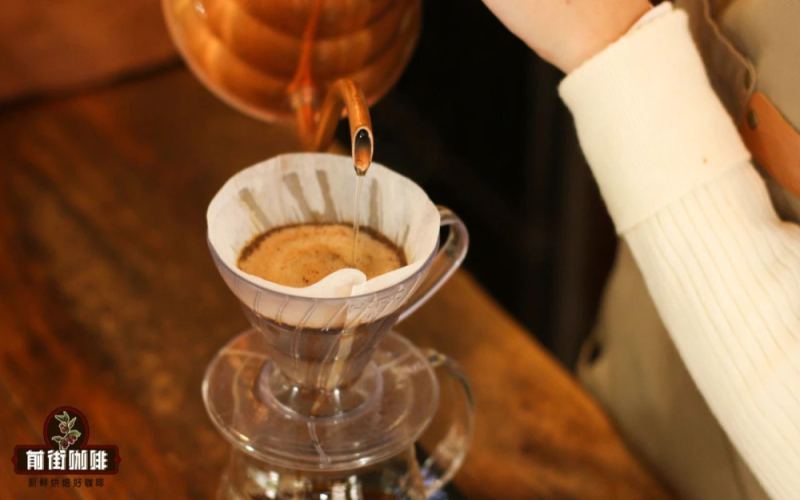
Advanced Pour-Over Coffee Guide: Water Distribution and Technique Details, with Three Front Street Single-Origin Beans for Practice
Front Street Coffee has previously discussed many factors that influence coffee flavor, starting from five objective conditions: coffee dose, coffee-to-water ratio, water temperature, grind size, and brewing device. This time, however, we turn our attention to an easily overlooked subjective variable—your hand, that is, the pouring method during brewing. This article will break down two major areas: water volume distribution and pouring technique. First, it compares the extraction differences between a single-pour and a three-pour method, then analyzes item by item how blooming, circling speed, pouring height, flow rate, and circling range affect the direction of the flavor. At the end, Front Street Coffee has also selected three single-origin beans with high regional distinctiveness for reference in daily brewing practice. [more…]
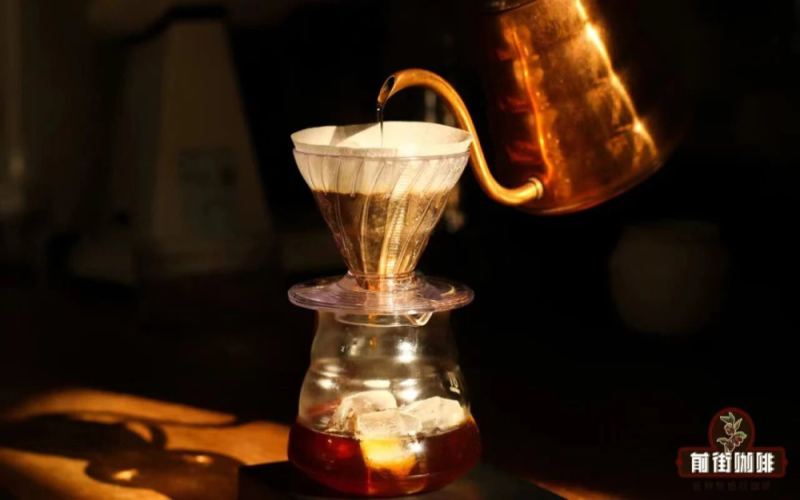
Japanese-style iced pour-over coffee brewing demonstration | What is single-pour iced pour-over? What is a suitable coffee-to-water ratio for iced pour-over coffee?
The recent weather is so hot it feels like it could melt you in minutes. In this kind of weather, anyone still willing to happily meet up at a café is definitely a friend for life! But even in such hot weather, you can't just give up coffee, right? So, if you don't want to go out, can't afford a cold drip tower, and can't wait several hours for cold [more…]
Master the Four Key Pour-Over Essentials: From Pouring Strategy to Circular Pouring Details, with a Practical Guide to Three Front Street Coffee Single-Origin Beans
In the flavor differences of pour-over coffee, besides the five major objective variables—dose, brew ratio, water temperature, grind size, and equipment—the brewer's own technique is equally decisive. This article focuses on two dimensions: the distribution of poured water and pouring technique, breaking down the logic of choosing between a single-pour and a three-pour method, the advanced principles of bloom water volume and time, and the specific effects of circling speed, pouring height, flow rate, and circling range on the flavor in the cup. At the end, it includes brewing recipes for three distinctive single-origin beans—Front Street Coffee washed Yirgacheffe, Costa Rica Tarrazu, and Indonesia Lintong Mandheling—to help coffee enthusiasts build a stable brewing feel through practice. [more…]
The Beginner's Must-Learn One-Pour Center-Pour Method: Yirgacheffe Red Honey Process V60 Brewing Parameters and Flavor Analysis
Pour-over coffee may seem complicated, but there is actually a low-effort yet stable extraction method—the single-pour center pour. It doesn't require segmented circling; simply keep pouring continuously after the bloom, making it especially suitable for those new to pour-over. This article uses the Yirgacheffe Red Honey Red Cherry recommended by Front Street Coffee as an example, first introducing the classification of honey processing and the proportion of pectin retained, then using the Hario V60 dripper to conduct a comparative brewing of two different grind sizes: a coarse grind BG-7K paired with a longer pouring time, and a fine grind BG-6M paired with a shorter pouring time, to experience the flavor differences under the same coffee-to-water ratio and water temperature. The article also explains in detail how the V60's rib structure affects flow rate, and why pouring stability is far more important than fancy techniques. [more…]
How to Choose the Grind Size for Brewing Blue Mountain Coffee with a Flannel Filter Cloth? Front Street Coffee Tests and Compares Three Grind Sizes
The flannel filter cloth retains coffee oils, making the mouthfeel richer and smoother, and is especially suited to the full-flavored Front Street Blue Mountain coffee. But what grind size should be used when brewing with a cloth filter? Is it the same as the common grind size for the KONO dripper? Front Street Coffee conducted a comparative experiment using three grind sizes—BG-5R, BG-6M, and BG-6A—with 20 grams of coffee, a water temperature of 85°C, a coffee-to-water ratio of 1:13, and a single-pour brewing method. The results showed that BG-5R was somewhat strong with a slight astringency, BG-6M had a somewhat thin mouthfeel, while BG-6A performed in a balanced and mellow way. The article also explains the reasons behind the changes in flow rate of the flannel filter cloth and offers grind size recommendations for dark-roasted beans. [more…]
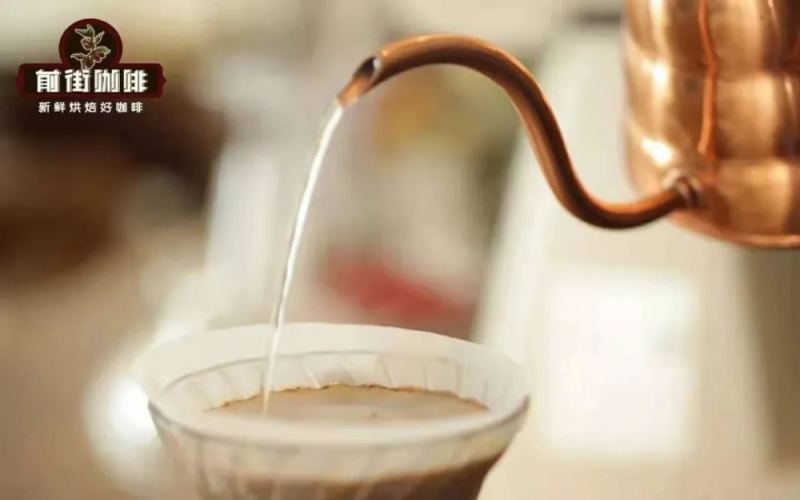
A Detailed Guide to Six Pour-Over Coffee Brewing Techniques: One-Pour, Three-Stage, 4:6 Method, Variable Temperature, Volcano Pour, and Stirring Method
The charm of pour-over coffee lies in the diversity of brewing methods, as different pouring techniques bring out entirely different flavor expressions. This article systematically sorts through six common pour-over techniques—single-pour, three-stage, 4:6 method, Santuario variable-temperature brewing, volcano pour, and stirring method—analyzing each one by one from the logic of pouring, parameter ratios to flavor characteristics, and explaining their respective applicable scenarios and operational difficulties. Using specific parameters such as 15g coffee to 225ml water and 20g coffee to 300ml water as examples, the article helps readers understand the extraction principles behind each technique. At the same time, it retains Front Street Coffee's practical experience with the three-stage method and grind adjustment for coffee enthusiasts to refer to and compare. [more…]
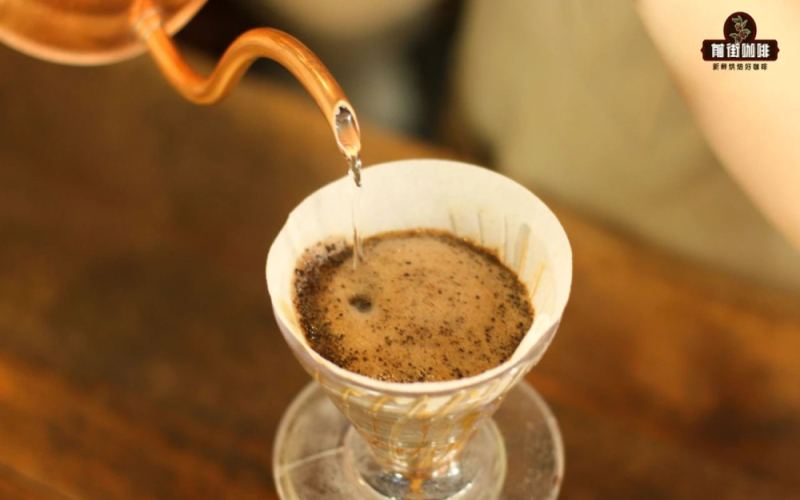
A Complete Guide to the V60 Three-Pour Hand Brew: How Pouring Rhythm and Parameters Make a Great Cup of Coffee
In the world of pour-over coffee, brewing styles emerge one after another—single-pour, 4:6 method, volcano pour, and Kono style each have their followers. However, Front Street Coffee has always insisted on the three-stage pour as the standard method for its shop offerings. This is not stubborn conservatism, but rather because three-stage brewing has extremely broad applicability and excellent reproducibility. This article will use a V60 dripper paired with Front Street Red Cherry coffee beans as an example to fully demonstrate the three-stage brewing process, from blooming, the second pour, to the third and final pour, breaking down key parameters such as water temperature, coffee dose, coffee-to-water ratio, grind size, and timing control one by one, to help coffee enthusiasts build a stable and repeatable pour-over framework. [more…]
How to Calibrate Pour-Over Coffee Grind Size? A Guide to 80% Pass Rate on a #20 Sieve and Grinder Setting Adjustment
Grind size is the most difficult part of pour-over parameters to master. Front Street Coffee uses an 80% pass rate through a No. 20 sieve as a beginner-friendly calibration baseline, but different grinders vary enormously in performance, and the same sieve pass rate can produce drastically different flavor outcomes. This article centers on grind calibration: it first explains the limitations of the sieve method and the particle size distribution characteristics of uniform grinders such as the EK43s, then offers remedies for poor-quality grinders, including hand grinder RPM control, the pull-back technique for staged grinding, and the direction for adjustment when too many fines cause off-flavors. Finally, it discusses the criteria for deciding whether sieving is necessary and the practical technique of a single-pour flush to wash away fines, helping you find the grind parameters that suit you. [more…]
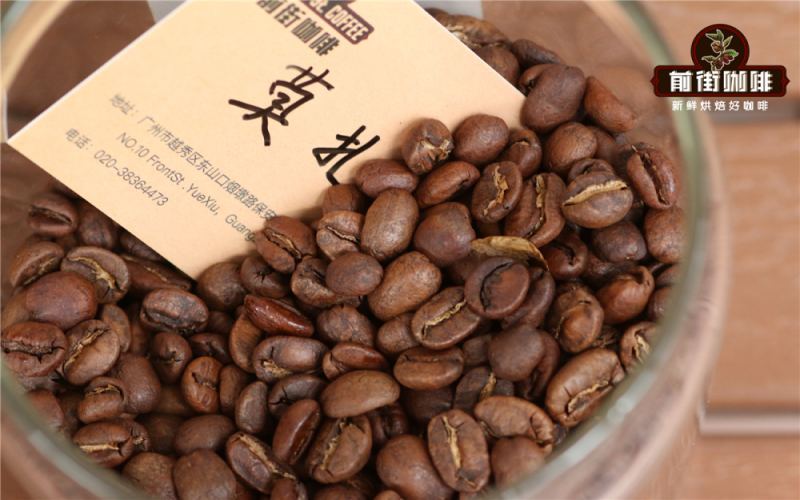
Costa Rica Mozart Coffee: Name Origins, Raisin Honey Processing, and Pour-Over Parameters Explained
In the Front Street Costa Rica Musicians Series, the Mozart coffee beans are named because the manager of the Canet processing plant loves classical music, and their gorgeous flavor echoes the musical prodigy Mozart. This bean uses raisin honey processing: it is first sun-dried and then depulped, retaining all the mucilage, which gives the coffee a rich fermented aroma and prominent sweetness. This article will provide a complete analysis of this uniquely distinctive coffee, from the background of the producing region and the story of the Canet processing plant to the principles of the processing method and Front Street's recommended pour-over parameters and three-stage pouring technique. [more…]
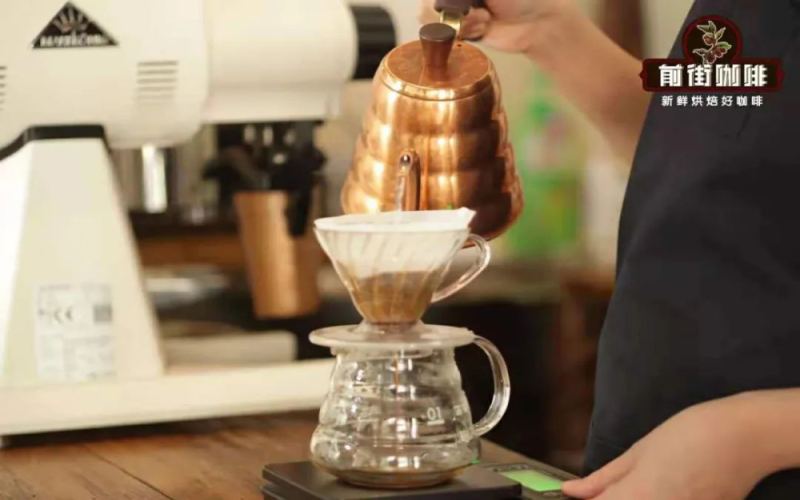
Pour-Over Coffee Extraction Principles Explained: The Complete Workflow of One-Pour, Three-Pour, and Cross-Stir Methods
The flavor expression of pour-over coffee depends on the coordinated interplay of four core parameters: coffee-to-water ratio, grind size, water temperature, and pouring technique. Changing any one of them will affect the final taste. Conventional pour-over practice involves blooming first and then pouring in stages, but there are also some seemingly unconventional approaches. For example, the Hario V60 Immersion Dripper claims to need no blooming and to require only a single pour. After testing it, Front Street found that it produced coffee with extremely high clarity but relatively low extraction. In addition to sorting out common techniques such as the one-pour method and the three-pour method, this article will also share Front Street's complete process of brewing medium-dark roasted beans with a Kono dripper using 24 grams of coffee and 88°C water, and introduce Taiwanese barista Amis's cross-stirring method, to help you understand the logic behind these alternative brewing approaches. [more…]
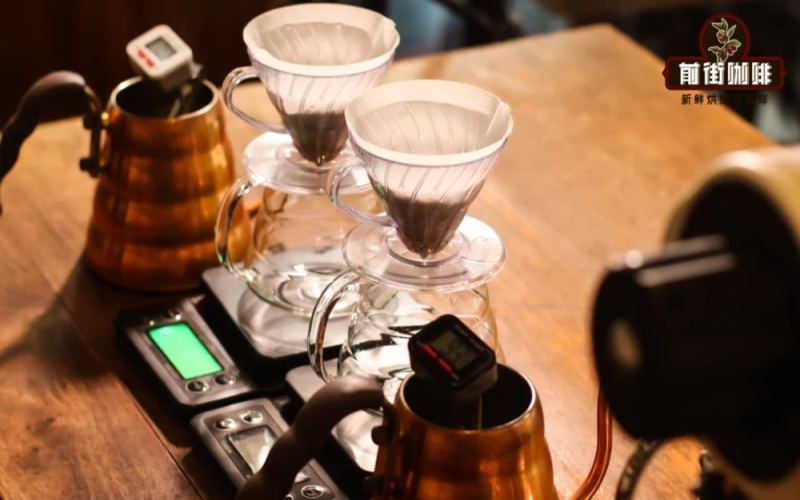
Pour-Over Coffee: One-Pour vs. Three-Pour Comparison — A Comprehensive Analysis of Steps, Ratios, and Brewing Methods
One of the charms of pour-over coffee lies in using different pouring techniques to bring out the diverse flavors of the same bean. Currently, the two most widely used methods—single-pour and three-stage—each have their own followers. Single-pour involves completing the target water volume in one go after blooming; it is simple to operate but extremely demanding on water flow stability and grind size. The three-stage method divides pouring into three phases, enhancing layering and compatibility through staged extraction. Using 15 grams of coffee and a 1:15 coffee-to-water ratio as an example, this article breaks down in detail the specific steps, pouring timing, and parameter requirements of both methods, and combines the brewing performance of Front Street Coffee Huakui and Colombia Huila Washed Caturra to help you find a brewing rhythm that suits you. [more…]
Master the Five Techniques and Four Key Parameters of Pour-Over Coffee: A Quick Guide to Elevate Your Brewing Skills
With the rise of the third wave of coffee, pour-over coffee has attracted many enthusiasts with its ritualistic brewing process. However, many people feel that the flavor they brew at home is not as good as in coffee shops, yet they don't know how to adjust the blooming time, grind setting, pouring method, or water temperature. In this article, Front Street Coffee starts from the four major elements of water temperature, grind coarseness, coffee-to-water ratio, and pouring technique, systematically explaining how to brew a good pot of coffee, and breaks down in detail five practical techniques—three-stage pour, stirred bloom, Japanese drip method, single-pour method, and volcanic pour—to help you consistently reproduce your ideal flavor at home. [more…]
Sharing the Five Major Pour-Over Coffee Techniques | Does the Pouring Technique Affect Coffee Extraction? Flavor Comparison and Differences of Pour-Over Coffee Using the Three-Stage Volcano Pour Stirring Method
Compared to other single-origin coffees, pour-over coffee has a great many brewing methods. For example: one-pour, three-stage, volcano pour, variable-temperature brewing, stirring, and so on. Today let's get to know some of the brewing methods that commonly appear in pour-over coffee~ 1. One-pour The one-pour method and the single-pour method are still [more…]