







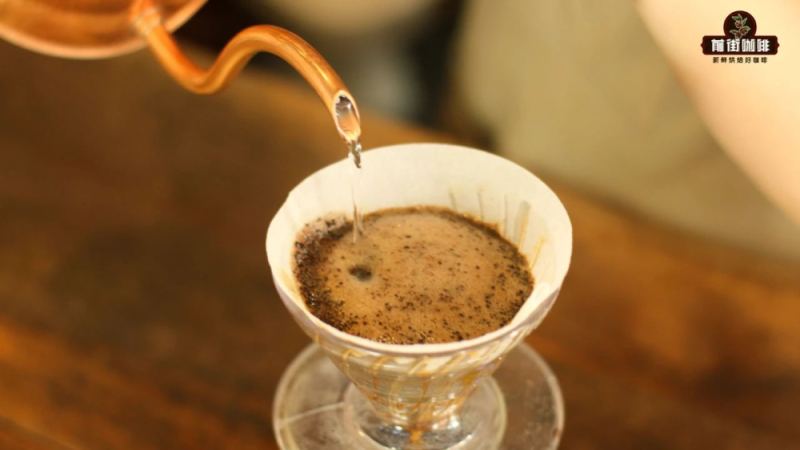
Why Three-Pour Brewing Stands Out Among Coffee Extraction Methods
The V60 three-pour method divides brewing into three stages: a bloom, a second pour, and a final pour. Using 15 grams of coffee at a 1:16 ratio, water at 91 to 92 degrees Celsius, and a grind sized like fine granulated sugar, the approach gives a repeatable framework rather than relying on feel alone.
Among hand poured coffee techniques, three-stage brewing is valued for broad applicability and easy replication. Its step-by-step structure lets a brewer adjust one variable at a time, which suits a wide range of beans, including the Front Street Red Cherry lot used in this demonstration, without demanding a different method for every coffee.
In the world of pour-over coffee, brewing styles emerge endlessly—single-pour, 4:6 method, volcano pour, and Kono style each have their followers. However, Front Street Coffee has always insisted on the three-stage pour as the standard method for its café offerings. This is not out of stubbornness, but because three-stage brewing has extremely broad applicability and excellent reproducibility. This article will use a V60 dripper paired with Front Street Red Cherry coffee beans as an example to fully demonstrate the three-stage brewing process—from blooming, the second pour, to the third and final pour—breaking down key parameters such as water temperature, coffee dose, coffee-to-water ratio, grind size, and timing control one by one, to help coffee enthusiasts build a stable and repeatable pour-over framework.
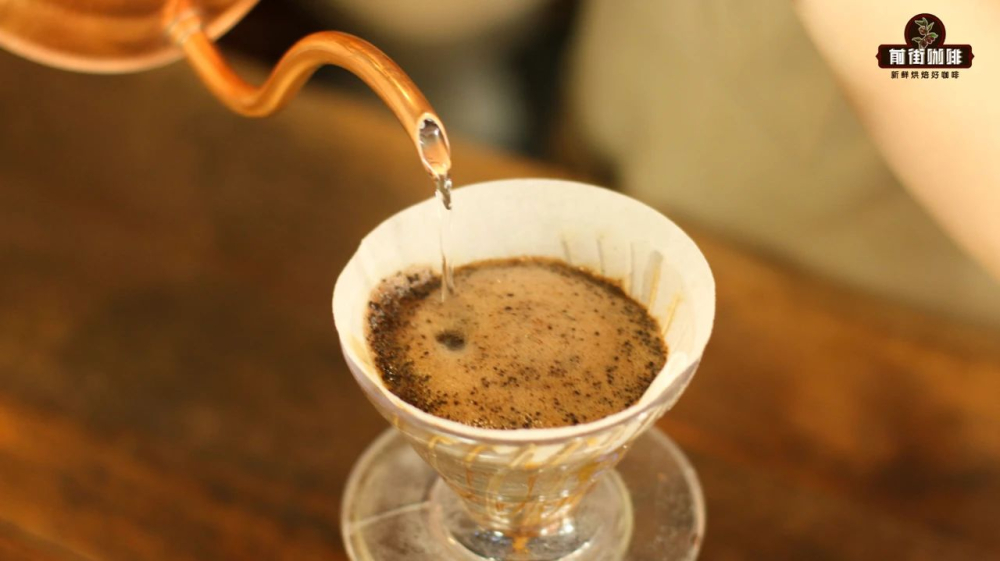
To this day, pour-over coffee extraction methods are already too numerous to count. Whether it's the single-pour method with concentrated pouring, the 4:6 method emphasizing ratio distribution, the volcano pour pursuing a rolling effect, or the Kono style brewing that stresses fine control, these varied techniques make the brewing process full of room for exploration. Yet Front Street has always made three-stage brewing its core method.
Many friends may wonder: since brewing methods are so rich and varied, why be devoted to only one? Or, if a particular bean clearly performs better with a different method, why not adjust accordingly?
Why doesn't Front Street adopt other brewing methods?
Indeed, different pouring techniques bring entirely different flavor directions. Some methods can make coffee feel fuller-bodied, while others can highlight sweetness. These methods, designed based on extraction theory, can genuinely achieve the corresponding effects. Three-stage brewing may not fully express the complete personality of a particular bean, nor necessarily push sweetness to its maximum, but Front Street chooses it because: three-stage brewing has broad applicability and is extremely easy to replicate.
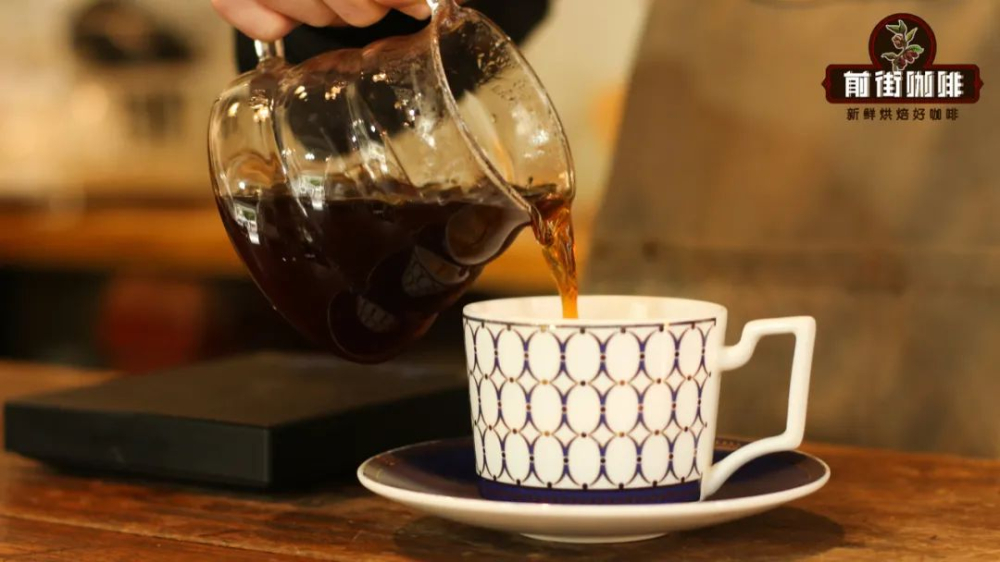
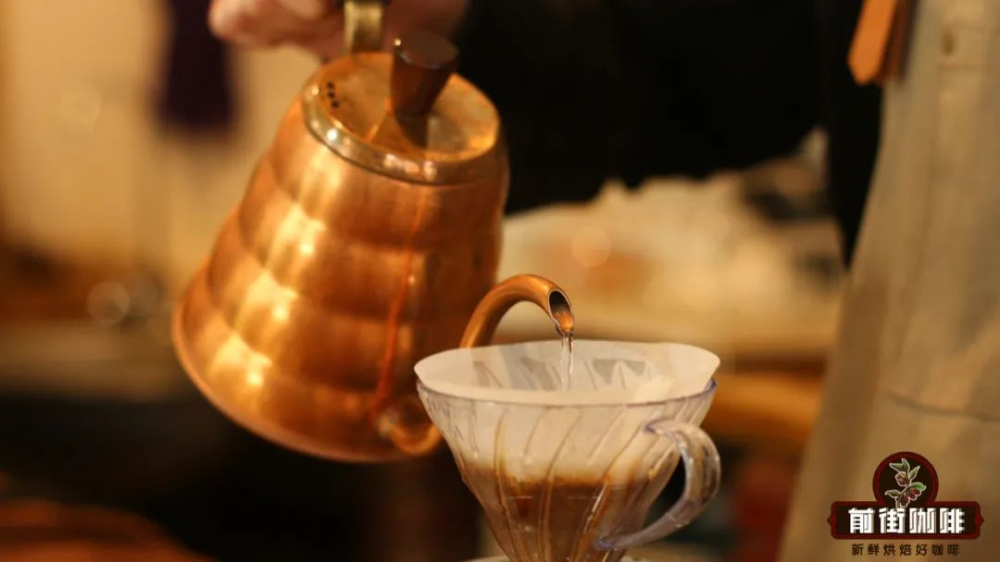
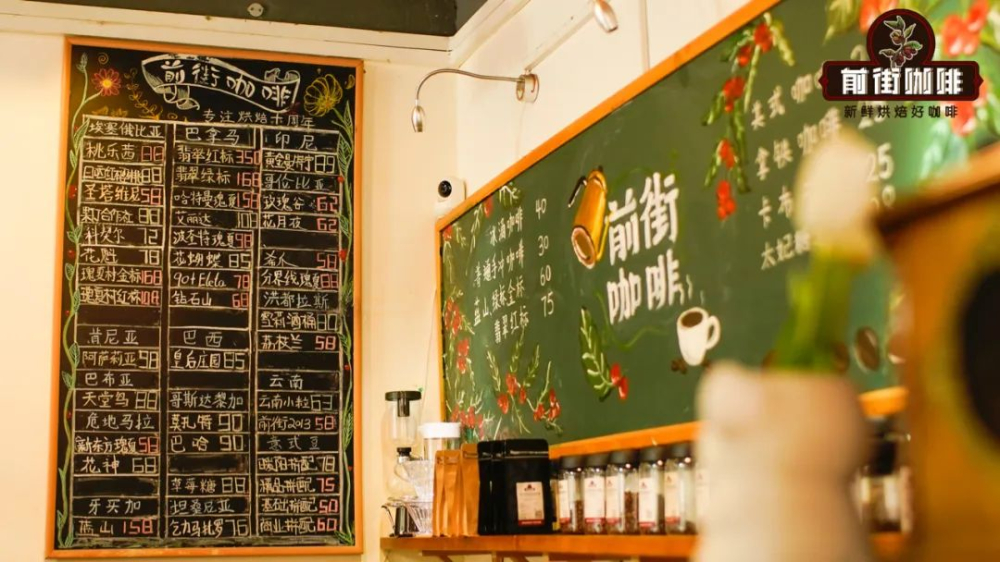
Next, Front Street will use the Front Street Red Cherry coffee beans served in its café to actually demonstrate the complete steps of three-stage pouring. You can follow along for reference and organize your own brewing approach.
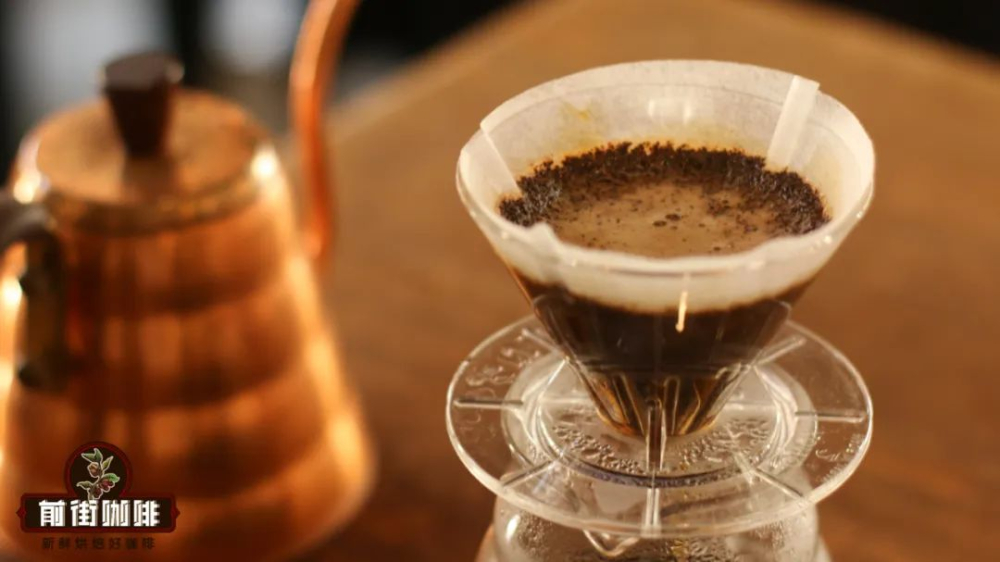
The pour-over parameters for Front Street Red Cherry coffee are as follows: dripper is V60, water temperature controlled at 91 to 92 degrees Celsius, coffee dose 15 grams, coffee-to-water ratio 1:16, grind size referenced to fine granulated sugar, with a No. 20 sieve achieving an 80% pass-through rate.
Step one of three-stage extraction: after pouring 15 grams of coffee grounds into the dripper, tare the electronic scale, then pour 30 grams of water for the bloom in the first stage while starting the timer. Maintain a small stream throughout, circling outward from the center point, making sure the entire coffee bed is saturated with water.
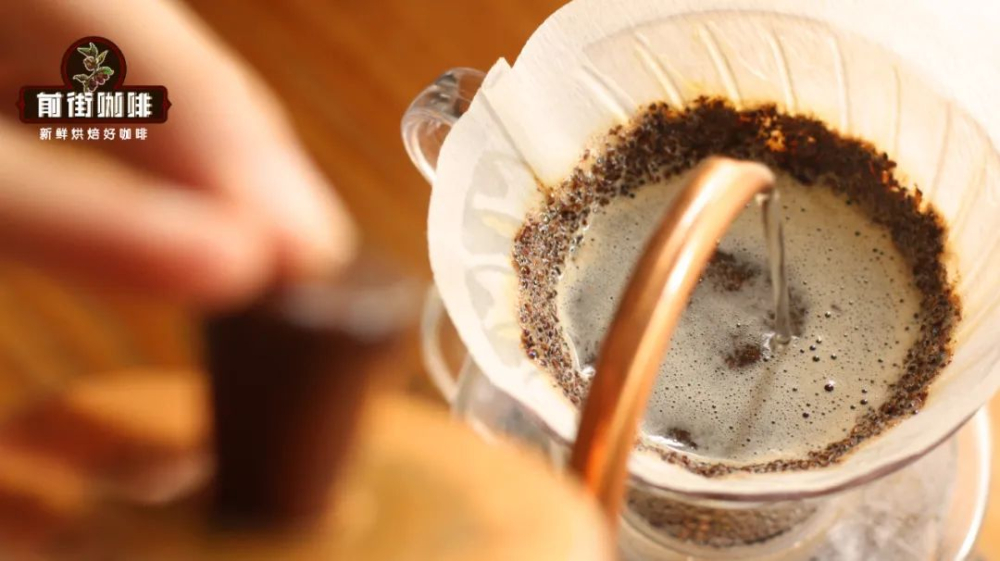
For the second stage, switch to a slightly larger stream and pour 120 grams of water, with the aim of lifting the entire coffee bed. The water column should be poured vertically and evenly. At this point the timer scale reads 150 grams, and the pour is completed at around 55 seconds.
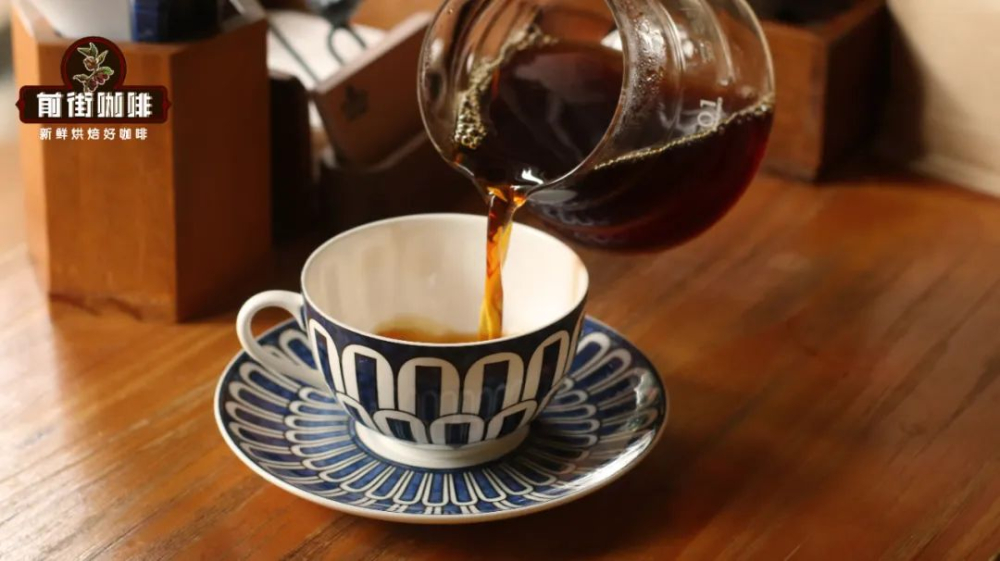
When the liquid level drops to the halfway point, begin the third stage pour, using a small stream to circle in a tight pattern and pour 90 grams. Be careful not to make the circling too wide, otherwise it can easily disturb the coffee bed and result in under-extraction. The final total water poured is 240 grams, and the drip completes at around 2 minutes 10 seconds. After removing the dripper, swirl the coffee liquid in the server to mix it evenly, and it's ready for tasting.
The above content is compiled by CoffeeHunters, a coffee news website.


