








What is the One-Pour brewing method in pour-over coffee?
Tetsu Kasuya released the One-Pour method in 2019. Use a V60, 30g of coffee ground much finer than usual, water at 95C, and pour 300ml in one large stream within 15 seconds using a simple circular motion. No blooming step is needed, and the bed should finish dripping at about 1 minute 30 seconds, clinging evenly to the dripper wall.
One-Pour is often confused with the single-pour method, but the single-pour splits brewing into two stages while One-Pour adds all the water at once. It follows the high-concentration, low-extraction idea. A comparison test using Panama geisha as the sample showed how the two methods differ in the cup, and five key details help coffee enthusiasts avoid common mistakes.
World champion Tetsu Kasuya proposed a brewing method called "One-Pour" in 2019, advocating that all target water be poured in at once, skipping the blooming step, making pour-over extremely simple. However, it is often mistaken for the single-pour method, when in fact the two are clearly different. This article will comprehensively break down the characteristics of One-Pour brewing from its principles, parameters, and operational process to actual comparison tests, and use Panama Boquete Geisha as a sample to compare the flavor performance after One-Pour and single-pour brewing. At the same time, Front Street will also sort out five key details to note in One-Pour brewing, helping coffee enthusiasts avoid pitfalls.

"Oh! What you're talking about is not the single-pour method. The single-pour method divides brewing into two stages, while what you're describing—pouring all at once—is the 'One-Pour,' another brewing invention by Tetsu Kasuya, the inventor of the 4:6 method."
One-Pour, understood literally, means pouring all the target water in at once. Because the name is quite similar to the single-pour method, many people conflate the two, but in reality there is a considerable difference between them.
Tetsu Kasuya has always upheld the philosophy of "making brewing simple," and in 2019 he released this One-Pour brewing method. He practiced what he preached—this method requires no blooming; simply pour all the water in at once according to the ratio, then wait for the dripping to finish. The operation is extremely simple.
This brewing method is precisely one of the brewing schemes under the "high concentration, low extraction" concept we discussed earlier. Next, let's first see how the inventor himself introduces it.
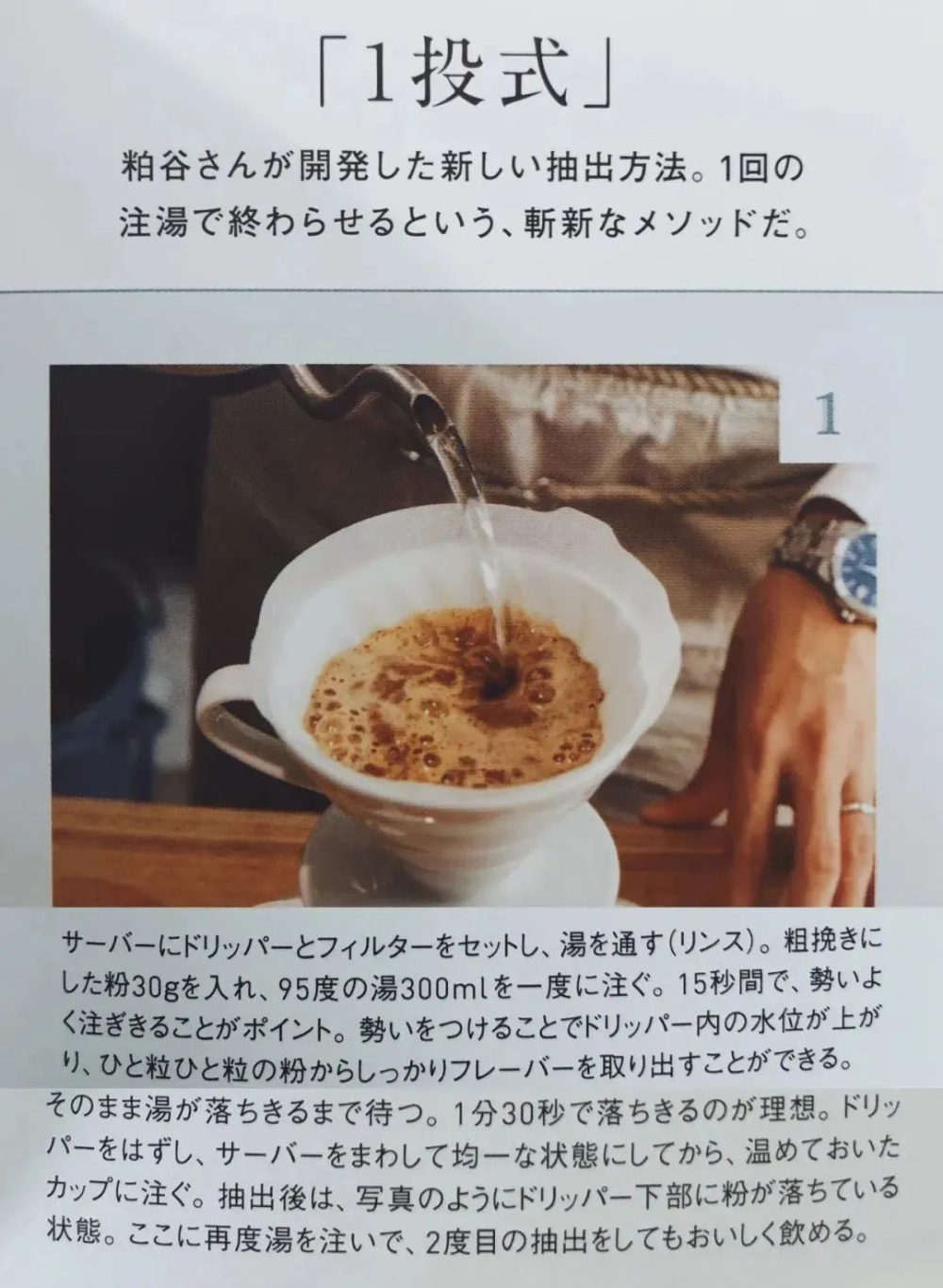
(If you can't understand it, that's fine—the translation is given directly below.)
Use a V60 dripper, take 30g of coffee grounds, with a grind size much finer than regular pour-over, water temperature 95°C, pour 300ml of water in a large stream within 15 seconds; the pouring method only requires a simple circular motion. Under ideal conditions, the coffee liquid should finish dripping completely at 1 minute 30 seconds. After brewing is finished, the coffee bed will evenly cling to the walls of the dripper.
The grind size is noticeably finer than regular pour-over, the water temperature is as high as 95°C, and combined with a larger dose, it fully aligns with the extraction approach of high concentration and low extraction. It is precisely because of the large dose, fine grind, and high temperature that this brewing method does not require blooming—simply pour the hot water in all at once, and the remaining extraction is left to the hot water soaking.
It requires no water-control technique and is not limited by time; you only need to ensure the right amount of water is poured. The extremely high extraction yield extracts a larger dose in a very short time, and while staying simple, it also provides enough coffee concentration to support the flavor. As introduced in the article on high concentration and low extraction, coffee made with this type of brewing method presents a rich sweet-and-sour sensation. If one must name a downside, it may be that the aftertaste is not that long.
Brewing process
Front Street will brew one serving each using One-Pour and single-pour, to see what difference there really is between this pair of "brothers" that are often mistaken for each other.
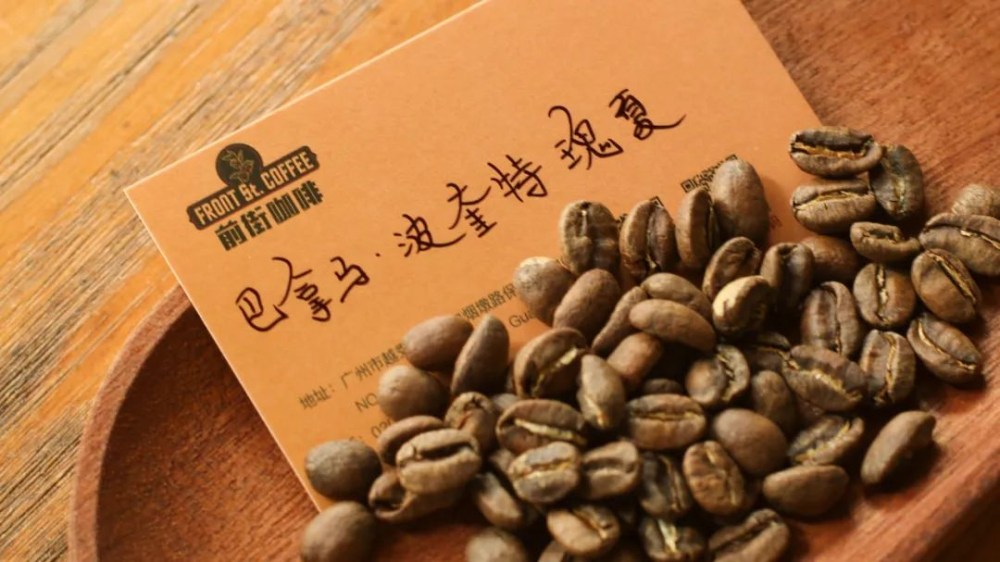
The beans selected this time are Panama · Boquete Geisha. It has rich white floral aromas, as well as citrus and berry-like fruity acidity, making it very suitable as the "selected bean" for this comparison.
Parameters used
One-Pour: V60 dripper 02 (large), dose 30g, coffee-to-water ratio 1:10, i.e. water amount 300ml, water temperature 95°C, grind set to 2.5 on EK43.
Single-pour: V60 dripper 01 (small), dose 20g, coffee-to-water ratio 1:15, i.e. water amount 300ml, water temperature 92°C, grind set to 10 on EK43.
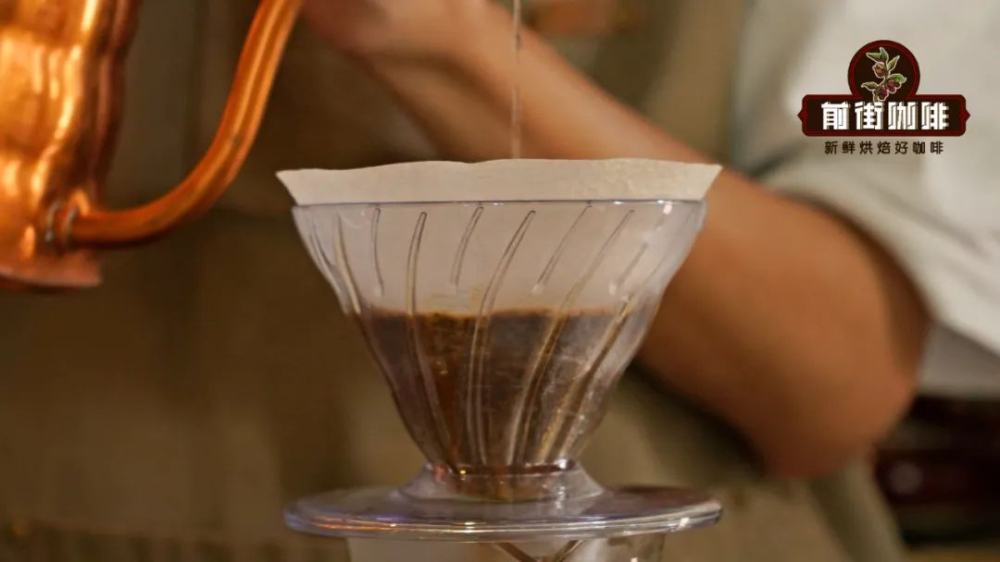
One-Pour brewing: Once the water temperature reaches the target temperature, add the coffee grounds and begin brewing. According to Tetsu Kasuya's description in his book, pour continuously in a circular motion, and after all the target water (300ml) has been poured, wait for the dripping to finish.
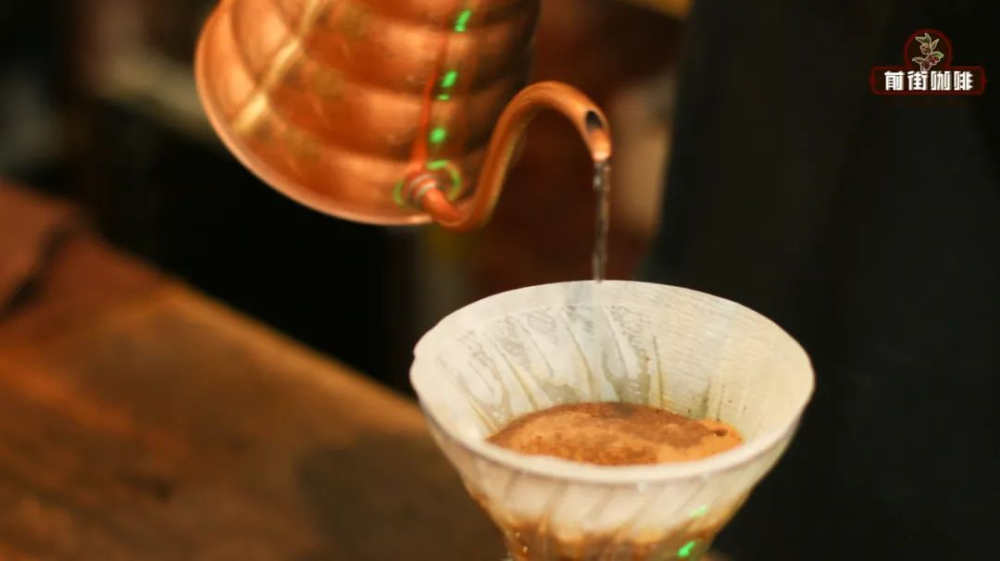
Single-pour brewing: Cut once into two stages—first bloom with water at twice the dose (40ml) for 30 seconds, then pour all the remaining target water (260ml) in at once, and wait for the dripping to finish.
The total time for One-Pour is 1 minute 20 seconds. On the palate, it has a very round citrus acidity, along with an elegant jasmine aroma, and a relatively high sweetness.
The total time for single-pour is 2 minutes. On the palate, the jasmine aroma is more intense, and the overall experience is more balanced than One-Pour, with a fuller body as well.
The difference between the two brews is quite obvious, so everyone must be careful not to confuse One-Pour with single-pour. In addition, although One-Pour is simple to operate, there are actually quite a few details to note.
Points to note for One-Pour:
1. Choice of dripper: It is best to use a large 02 dripper. Because all the target water needs to be poured in at once, a small dripper may clog due to the coffee bed, making it impossible to pour all the water in one go—in which case One-Pour becomes "single-pour."
2. Choice of coffee beans: Since this is an extraction method of high concentration and low extraction, when selecting beans it is best to focus on light-roasted beans that release a large amount of sweet-and-sour substances in the early-to-mid stages.
3. Control of the water stream: The circular-pouring principle just shared yesterday can now come in handy. When pouring, it is best to use a circular motion to reduce turbulence and maximize fault tolerance.
4. Adjustment of grind: Because the grind is relatively fine, Front Street cannot give overly detailed parameters; you only need to keep the time within 1 minute 30 seconds, and that is the correct grind.
(The left image shows grinding at 2.5 on EK43; the right image shows grinding at 10 on EK43.)
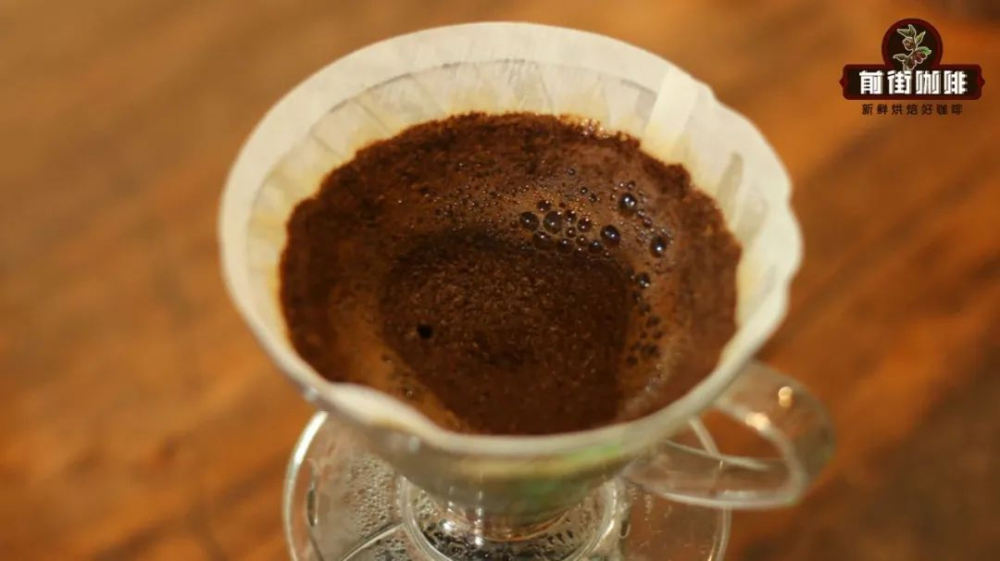
5. Appearance of the coffee bed: Under correct brewing, the coffee bed will ultimately present the "big crater" that everyone loves to show off. If what you get is flat, it means the coffee bed may not have been fully agitated, and it is best to adjust the brewing technique accordingly.
- END -
Front Street Coffee (FrontStreet Coffee)
No. 10, Baoqian Street, Yandun Road, Dongshankou, Yuexiu District, Guangzhou, Guangdong Province
The above content is compiled by CoffeeHunters, a coffee news website.


