







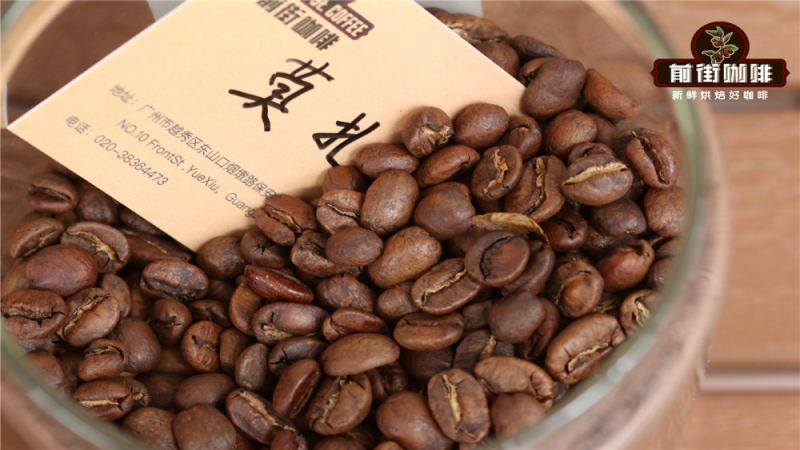
What Is the Origin of Costa Coffee in the Mozart Series?
The Mozart beans come from Costa Rica's Musician Series, produced through the Canet processing plant under the Black Gold group in Taiwan. The name honors the plant supervisor, a classical music lover. Raisin honey processing sun-dries the cherries, then depulps while keeping all mucilage, which lengthens fermentation and brings a wine-and-raisin aroma with pronounced berry notes.
Canet began as a buying station where farmers sold cherries by the bucket each harvest, then took odd jobs in the off season. Black Gold now runs several Costa Rican plants in small batches, adjusting processing to local terroir. For pour-over, a three-stage pour with steady water flow suits the bean, letting the berry sweetness and fermented depth come through without over-extraction.
The Mozart coffee beans from Front Street Coffee's Costa Rica Musician Series are named after the supervisor of the Canet processing plant, who is a lover of classical music, and their magnificent flavors echo those of the musical prodigy Mozart. These beans undergo raisin honey processing, starting with sun-drying followed by depulping while retaining all the mucilage, which imparts a rich fermented aroma and pronounced sweetness to the coffee. This article will provide a complete analysis of this uniquely characteristic coffee, covering the background of the producing region, the story of the Canet processing plant, the principles of the processing method, and the recommended pour-over parameters and three-stage pouring technique from Front Street.
For more specialty coffee knowledge, please follow the WeChat public account: FrontStreet Coffee
Today, Front Street wants to talk about a Mozart coffee bean from the Costa Rica Musician Series. This Front Street Costa Rica bean truly surprised us; it is named after the musician Mozart, making it highly recognizable. Additionally, it uses raisin honey processing, which extends the fermentation period and significantly enhances the overall mouthfeel and flavor of the coffee. The beans have a subtle aroma of wine and raisins, with berry notes standing out particularly during brewing, and an overall profile leaning toward berries. Each bean in this series is produced in small quantities but with a distinct style, which is why Front Street selected it.
On the wall of the FrontStreet Coffee shop hangs a burlap sack of green beans from the Musician Series, specifically the Front Street Bach coffee, printed with the green bean brand logo—BLACK GOLD, which comes from Black Gold in Taiwan, China. Black Gold owns its own coffee processing plants in Costa Rica and implements differentiated processing based on the terroir characteristics of each region, working in small batches. Canet is one of the processing plants under Black Gold.
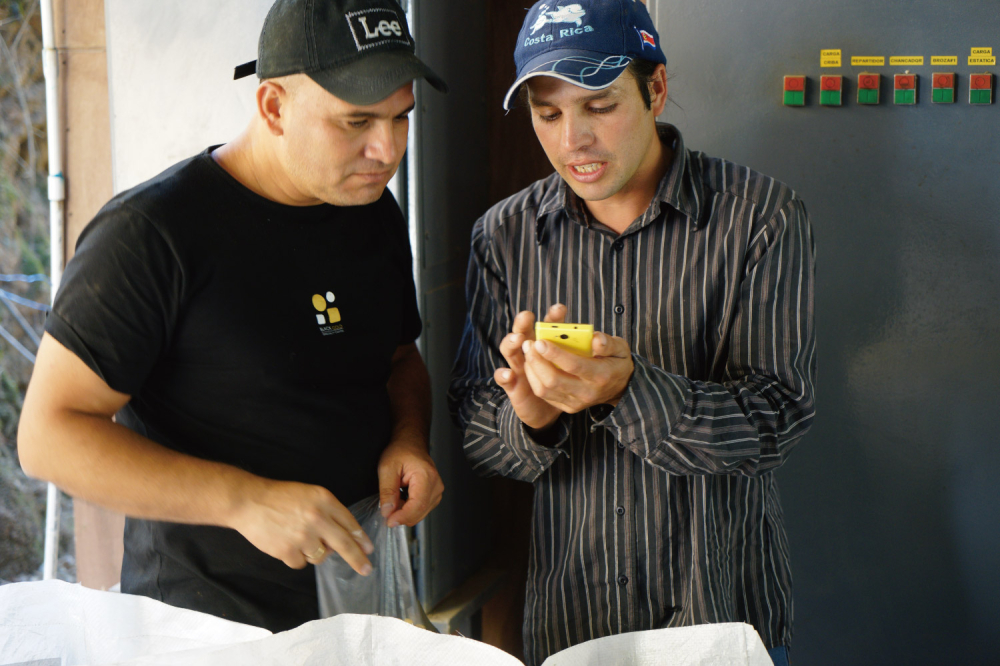
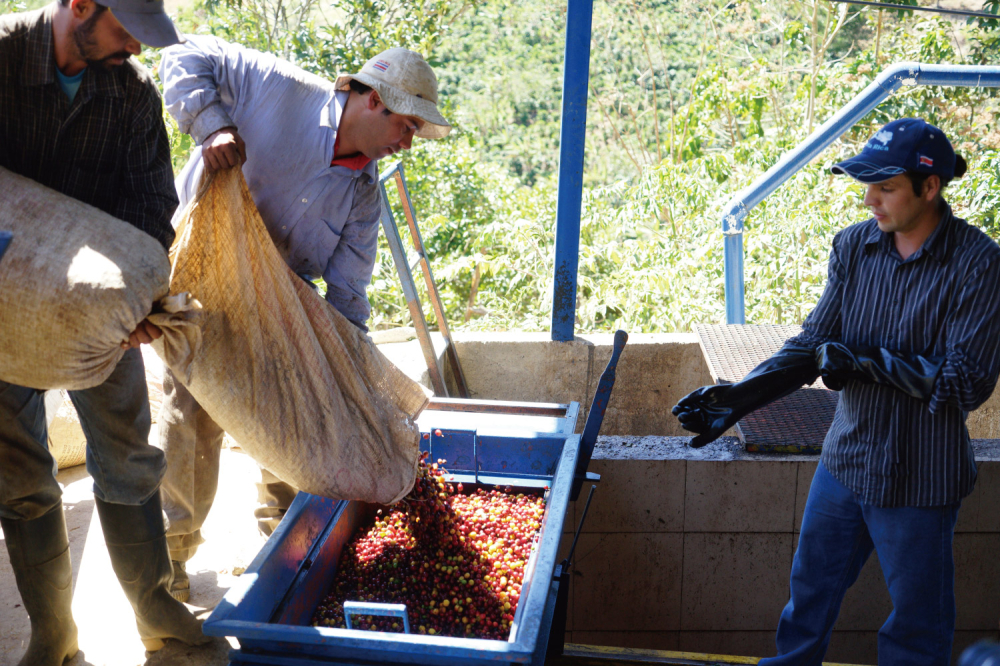
Canet's initial role was as a processing station responsible for purchasing coffee cherries in its region. During each harvest season, farmers would sell their cherries bucket by bucket to the station, after which they had no further connection to their crop. Once the harvest season ended, they had to seek odd jobs to supplement their meager incomes and support their families.
Canet is located in the highest-altitude coffee-growing area of Tarrazu in Costa Rica. This region is also the most concentrated area for fruit cultivation in Costa Rica, primarily growing fruits such as passion fruit, with coffee cultivation being quite limited, planted only in specific blocks and given special care, with only ripe red cherries harvested.
Many friends who have tried coffees from the Musician Series often come to FrontStreet Coffee with the same question: Why are the bean names in the Musician Series so unique? And why is this Front Street Mozart coffee bean called Mozart?
This actually relates to the supervisor of Canet. This supervisor is a passionate lover of classical music, and whenever he tastes a coffee, he associates it with a corresponding musician based on its flavor characteristics. The magnificent flavors displayed by this Front Street Mozart coffee bean happened to remind him of Mozart.
Front Street Mozart coffee exudes unrestrained yet elegant white floral aromas, with rich berry notes leaping out upon entry, followed by a honey-like sweetness in the finish. The overall magnificent character of these beans forms a clever correspondence with the splendid traits of the classical music prodigy Mozart.
Front Street Costa Rica Musician Series Mozart Coffee Beans
Region: Costa Rica Tarrazu
Estate: Canet
Altitude: 1,980 meters
Variety: Caturra, Catuai
Grade: SHB
Processing Method: Raisin Honey Processing
Whenever a customer visits the FrontStreet Coffee shop to ask which coffee has the most prominent sweetness, the baristas at FrontStreet Coffee always recommend Front Street Mozart. The key to its rich flavor lies in its processing method—raisin honey processing.
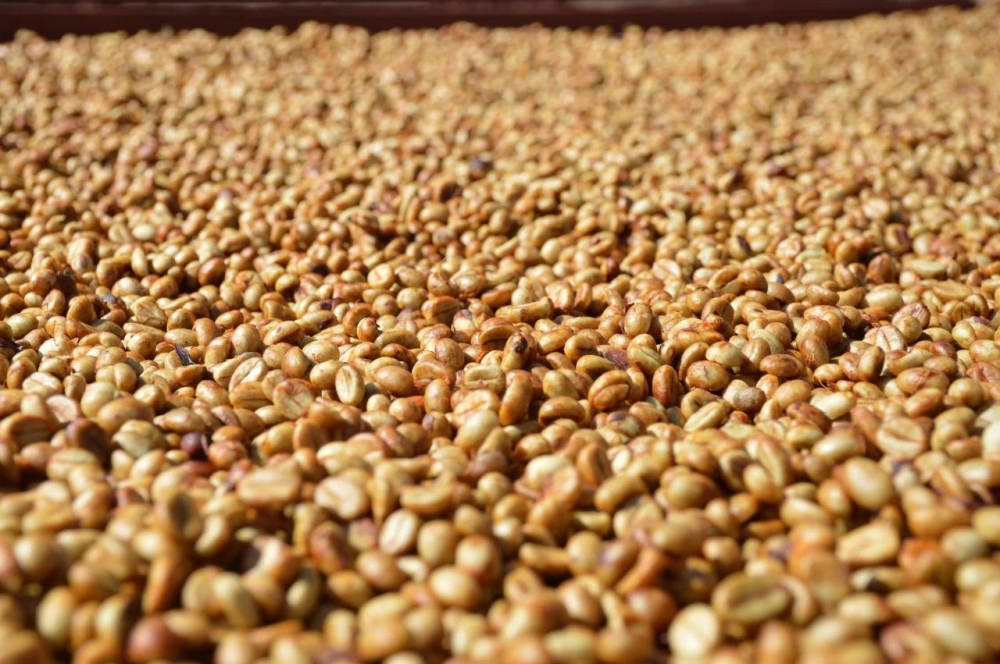
The raisin honey processing of Front Street Mozart is essentially a double fermentation honey process, with fully ripe coffee cherries as a necessary prerequisite. After careful selection, the cherries are evenly spread out for sun-drying. Once they reach a dried, raisin-like state, the depulping step is carried out, while preserving as much of the mucilage layer as possible for drying.
The process of drying first and depulping later gives the coffee a relatively rich fermented flavor. Compared to other honey processes, raisin honey processing retains 100% of the mucilage for drying, significantly enhancing the coffee's sweetness. After the entire raisin honey process, this Front Street Costa Rica Mozart has a white wine-like mouthfeel and balanced acidity, with a more pronounced fermented note in the flavor.
How to brew Front Street Costa Rica Mozart coffee for the best taste?
When FrontStreet Coffee develops a brewing plan for a bean, the first consideration is its roast level. The highlights of this Front Street Costa Rica Mozart coffee bean are its floral aroma and fruity sweet-tartness, so the roasters at FrontStreet Coffee set it to a medium roast.
Because the roast level is on the lighter side, the flavor compounds dissolve relatively slowly when the coffee beans come into contact with water. Therefore, the baristas at FrontStreet Coffee increase the water temperature during brewing to speed up dissolution, while also adjusting the grind finer to increase the contact area between coffee particles and water.
In terms of dripper selection, FrontStreet Coffee shops commonly use the Hario V60 and KONO drippers. Medium and light roast beans paired with high water temperature and fine grind are suitable for brewing with a faster-flow dripper, and the Hario V60 is an ideal choice. Its 12 long ribs allow water to pass through more quickly, reducing the contact time between hot water and coffee grounds to some extent.
Dripper: Hario V60
Water Temperature: 91°C
Coffee Dose: 15 grams
Coffee-to-Water Ratio: 1:15
Grind Size: 80% passing through a Chinese standard No. 20 sieve
First, pour 30 grams of hot water for a 30-second bloom, then slowly pour in a circular motion from the center with a fine stream until reaching 125 grams. When the water level in the dripper drops to just about to expose the coffee bed, continue pouring in a circular motion until reaching 225 grams, with a total extraction time of about 2 minutes.
Friends who frequently read Front Street articles will easily notice that the baristas at FrontStreet Coffee habitually use a three-stage pouring method. Front Street has also learned that some friends who are new to specialty coffee and brew pour-over at home mostly use a single-pour method.
A single pour plus the first bloom stage is actually a two-stage pouring method. Through comparing the single-pour and three-stage methods, Front Street found that with the same beans and identical parameters, the single-pour produces a coffee with a clean but thin mouthfeel, overall relatively light; whereas the three-stage method, represented by multiple pours, brings a richer layering and more prominent sweetness.
When Front Street Costa Rica Mozart coffee beans are brewed with the above parameters and the three-stage pouring method, the entry is complex floral and fermented sauce aromas, accompanied by raisin and dried fruit-like sweetness, bringing out berry acidity and a sugarcane-like sweet aftertaste.
The above content is compiled by CoffeeHunters, a coffee news website.


