







Search Results for: single-layer slow drying
Ethiopia Hambela Estate Single-Layer Sun-Dried Slow Fermentation Method: How the SLD Process Creates High-Quality Natural Beans
Ethiopia, as the birthplace of coffee, has seen a continuous emergence of high-quality lots in emerging producing regions such as Guji in recent years. This article focuses on the single-layer sun-dried slow-drying Lot 121 produced by a single farm in St. Lion Village of Front Street Hambela Estate, offering an in-depth analysis of this rare processing method known as SLD—where only a single layer of coffee cherries is spread on raised beds, the drying period is strictly controlled at around 18 days, and the fruit is allowed to fully ferment through the most perfect convection environment, thereby imparting fuller sweetness and body to the coffee beans. The article also examines why Ethiopia's smallholder-dominated production system makes single-farm traceability difficult to achieve, how Hambela Estate owner Aman adheres to quality at extremely high cost, and compares the subtle flavor differences between the Guji region and Yirgacheffe. [more…]
In-Depth Analysis of Single-Layer Sun-Dried Slow Fermentation (SLD): How the Hambela Region Produces High-Quality Natural Coffee
In the Guji region of Ethiopia, there is a place called Hambela that is quietly changing people's perception of natural coffee. Here, a processing method known as SLD—Single Layer Drying slow fermentation—is used, spreading coffee cherries in a single layer on raised beds and subjecting them to about 18 days of precise drying, so that every cherry receives the most even airflow and the fullest fermentation. Although this technique takes up more space and time, it gives the beans fuller sweetness and greater storage potential. Compared with traditional Yirgacheffe, Hambela coffee is gentler in acidity, yet superior in sweetness and body. This article will take you deeper into what makes this processing method unique and how it influences the final flavor of the coffee. Front Street Coffee also particularly recommends paying attention to beans from this region and experiencing their appealing expression, as warm and smooth as fruit tea. [more…]
Which estate does Saint Lion coffee bean come from? A full analysis of the flavor of the Hambela Benti Nenqua micro-lot special processing method
Sacred Lion coffee beans have attracted considerable attention from coffee enthusiasts in recent years. Which estate do these beans actually come from? And what makes them so special? The answer points to Ethiopia's Hambela estate, specifically lot 121 produced by the single farm Benti Nenqua. The estate belongs to METAD, and after Aman Adinew, who once held a key position at a Fortune 500 company, took over the family business, he introduced corporate management and SCAA quality standards, equipping it with a farm, processing plant, and coffee laboratory. Green bean traders named it "Sacred Lion" and specifically noted the SLD single-layer slow drying process to distinguish it from other natural Ethiopian beans. The cupping profile presents tropical fruit, citrus, stone fruit, strawberry jam, and a blueberry finish. This article will provide a complete introduction to this micro-lot's origin background, processing method, and flavor characteristics, while retaining relevant recommendations for the Front Street Coffee brand. [more…]
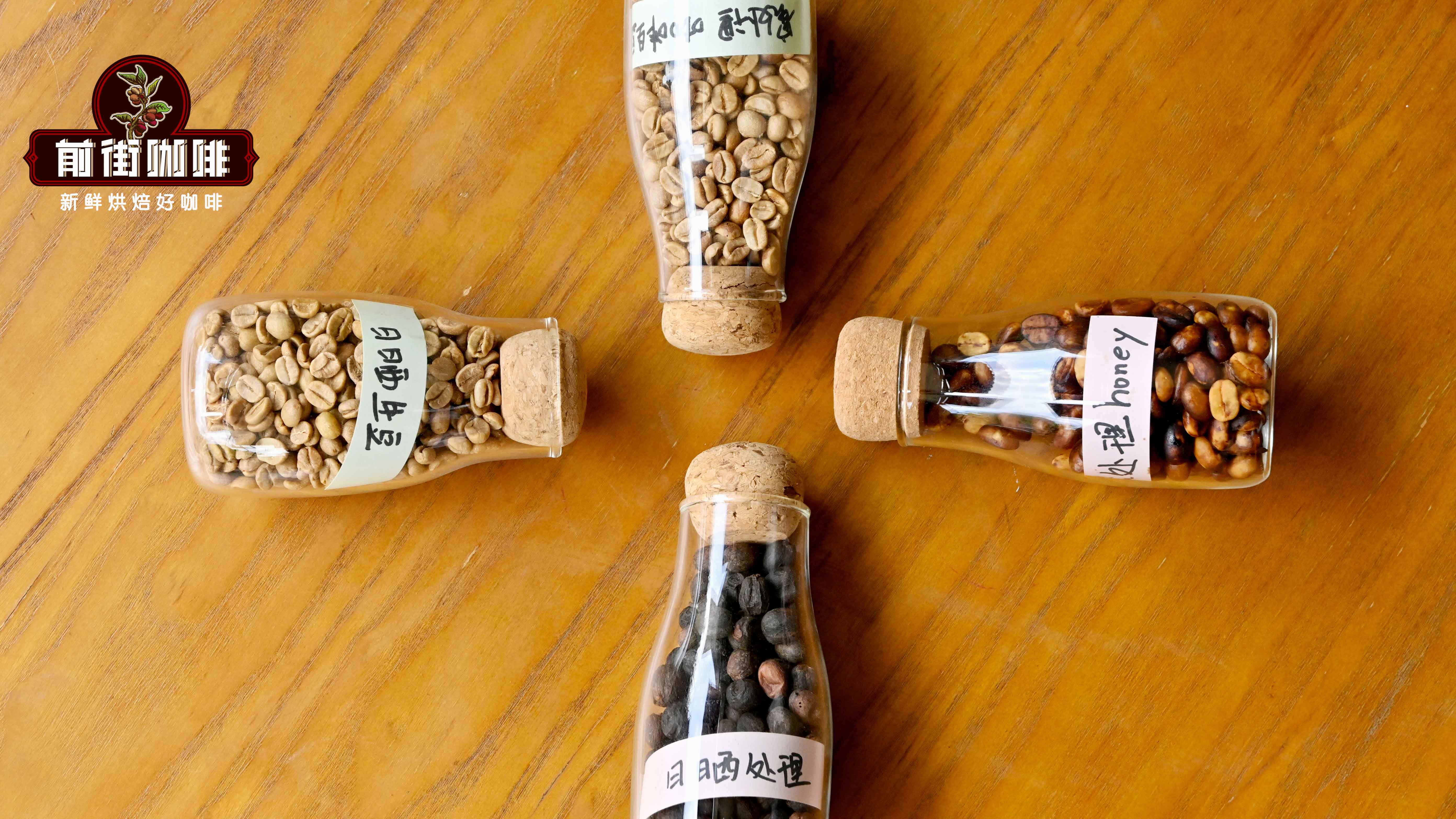
An In-Depth Analysis of the Natural Process: Advantages, Disadvantages, and Flavor Evolution from Traditional Sun-Drying to Slow Fermentation
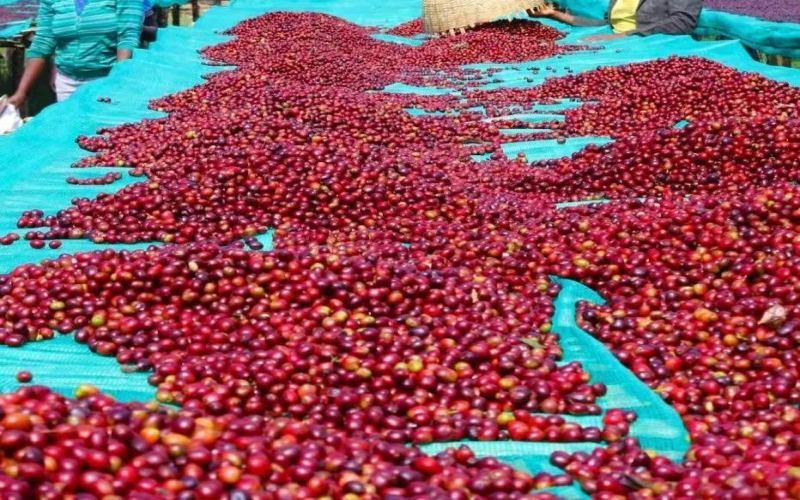
The natural process is the oldest method of coffee processing, allowing the fruit to dry naturally while the beans mature inside the pulp, resulting in intense flavor and prominent sweetness. Today, the natural process has been refined, from African raised beds to single-layer slow fermentation, greatly improving quality and even becoming the top choice for competition-grade coffee. This article will guide you through a comprehensive understanding of the natural process's operational flow, flavor advantages, traditional flaws, and modern improved techniques, and recommend freshly roasted beans such as Front Street Natural Huakui and Front Street Red Cherry, allowing you to understand the unique charm of naturally processed coffee from theory to practice. [more…]
Flavor Analysis of Hoffsa Slow-Dry Washed Beans: The Taste Code of High-Altitude Natural Process Yirgacheffe
Located in Hafursa Village, about eight kilometers west of Yirgacheffe town, it sits on slopes between 1,900 and 2,200 meters above sea level. The local processing station has 12 standard fermentation tanks and more than 160 coded drying bed frames, allowing precise tracking of processing progress. High-altitude berries, after washing, present a distinct lemon note, bright and high-pitched with a delicate texture. However, traditional African beds dry too quickly under bright sun and ventilation, which is actually unfavorable for flavor development. This article explores in depth the agronomic principles of the semi-shaded slow drying method and how it extends the drying period to 16–30 days, thereby preserving more complete contents and bringing a completely different flavor and aftertaste experience. Front Street Coffee recommends this Hafursa slow-dried washed G1, which is worth savoring. [more…]
Ethiopia Guji Ana Sora Farm Natural Sidamo G1: Single Estate Lot 3 Flavor and Origin Interpretation
Located in the Guji region of Ethiopia, the Anasora Farm is a rare single-estate coffee production site in the country, covering about 250 hectares at an altitude of 1,900 to 2,350 meters. This Lot3 batch is processed using the African raised-bed single-layer slow sun-drying method, presenting a complex aroma of strawberry cookie, mixed berries, citrus, and florals, accompanied by maple-syrup-like sweetness and a solid, rich mouthfeel. The delicate blueberry aroma from high fermentation, the sweet, full-bodied coffee, and the typical Sidamo depth at medium temperatures give this bean a long finish and lingering sweetness. Front Street Coffee recommends it to enthusiasts who love sun-dried Ethiopian coffee. This article will outline the estate's background, trends in the Guji region, and relevant Oromo context to help readers fully understand the origins and story of this bean. [more…]

Ethiopia Guji Hambela Buku: Flavor Analysis Under Low-Temperature Slow Sun-Drying Process
In the highlands of southeastern Ethiopia, the Guji region has gradually risen to prominence thanks to its superior terroir, and Buku Abel within the Hanbela village is a pristine coffee-growing site at an altitude of over two thousand meters. This article provides an in-depth introduction to the Buku plot's regional background, processing methods, green bean characteristics, roasting curve, and cupping flavor performance, while also sharing Front Street Coffee's brewing recommendations for this batch of beans. From the drying logic of low-temperature slow sun-drying to the pear, strawberry, orange, and creamy honey-like sweetness presented in the cup, this takes you through a comprehensive understanding of this Ethiopian specialty coffee that combines floral aromatics with tropical fruit notes. [more…]
Ethiopia Guji Hambela Washed Huakui G1: From Origin to Flavor, Comparing the Differences Between Huakui and Huakui 2.0
Huakui coffee beans are the signature product of Hambela in the Guji region of Ethiopia, famous for the floral aromas and citrusy sweet-tart acidity brought by the washed process. This article provides a comprehensive analysis of the characteristics of washed Huakui G1, from growing region, processing station, altitude, and variety to flavor description, and also compares the flavor differences between Huakui and Huakui 2.0. The article also introduces the refined natural process of Hambela Estate and its recognition in the international specialty coffee world, including the reasons Front Street Coffee recommends Huakui. Whether you are a pour-over enthusiast or a cold brew lover, you can discover the unique charm of this bean. [more…]
How do you use a V30 conical pour-over dripper? How many beans to use for small-dose extraction and what to watch out for
Small doses in pour-over brewing are often a headache: the coffee bed becomes thin, water tends to channel straight through, and the cup easily turns out thin and insipid. The 30-degree conical dripper from Japan's Tarachine Conical, known in coffee circles as the "V30," was designed specifically for small doses under 15 grams. How does it differ from the classic V60? How do you fold the filter paper? Front Street Coffee tested light and fruity roasts, medium-dark roasts, and three medium-roast beans, comparing the extraction performance of the V30 and the small V60. This article will explain the V30's structural features, filter-folding method, brewing parameters, and suitable roast levels, helping you brew a cup with concentrated flavor and a full body even at small doses. [more…]

How to brew with the one-pour tornado pour-over method? A full breakdown of pouring technique, parameter settings, and flavor performance
In the exploration of pour-over coffee, enthusiasts always manage to create eye-catching new brewing methods. Today, Front Street Coffee is going to try the "one-pour tornado brewing," an aggressive technique that combines the traditional one-pour method with cyclone-style pouring. It divides the target water volume into two stages—blooming and main extraction—without pausing in between, and then creates a whirlpool through rapid circular pouring and a large, fixed-point stream, resulting in higher extraction efficiency and a thicker body. However, this technique places extremely high demands on flow control and parameter coordination, and it is not suitable for all beans. This article will break down the operational steps of the one-pour tornado, parameter adjustments, comparisons with the conventional one-pour method, and recommendations for suitable bean types, giving you a comprehensive understanding of this brewing method that is both visually striking and challenging. [more…]
Analysis of Yunnan small-bean coffee varieties and pour-over techniques: Flavor evolution from Typica to Catimor
In recent years, Yunnan arabica coffee has attracted considerable attention in the specialty coffee world, and its variety evolution and flavor performance merit in-depth discussion. Starting from the historical context, this article sorts through the rise and fall of two major varieties, Typica and Catimor, in Yunnan, analyzes the flavor advantages and disadvantages that Catimor brings due to its Robusta genes, and shares Front Street Coffee's experience growing sun-dried Typica at its Lincang estate. At the same time, the article introduces in detail practical parameters for pour-over Yunnan arabica coffee, including grind size, water temperature, coffee-to-water ratio, and a three-stage pouring technique, helping coffee enthusiasts brew a rich, layered, solidly sweet Yunnan flavor at home. [more…]
Front Street Coffee Explains Finca El Burro Anaerobic Slow Dry: How the ASD Process Shapes Ultimate Flavor
Front Street Coffee takes you on an in-depth look at Hacienda La Esmeralda's anaerobic slow natural process. In 2019, the estate's natural coffee set a new record with 95.25 points, and its washed lot also scored 95 points, both reaching new highs. The Lamastus family uses an anaerobic slow-dry technique, fermenting the coffee beans in oxygen-free tanks for five days, then drying them slowly over five weeks, resulting in intense wine aromas and cocoa notes in the cup. This article not only reviews the details of this breakthrough processing method, but also analyzes its flavor impact on coffees of different altitudes and varieties, especially how Geisha retains its clean and elegant character at high altitudes. [more…]

Panama Elida Estate Geisha Coffee: Flavor Analysis of the ASD Anaerobic Slow Dry Natural Process
Geisha coffee is widely recognized as the most noble variety in specialty coffee, and Panama's Elida Estate set a historic record of 94.15 points in the 2016 BOP competition with its exceptional Geisha beans. This article will guide you through the origins and flavor characteristics of Geisha, and provide an in-depth analysis of Elida Estate's ASD anaerobic slow-dry natural processing method—a technique pioneered by estate owner Mr. Wilford that, through sealed anaerobic fermentation and low-temperature slow drying, gives the coffee more pronounced floral notes and tropical fruit tones. Front Street Coffee will also share the specific brewing parameters and flavor profile of this Panama Elida Estate Geisha, making it a worthwhile read for every specialty coffee enthusiast. [more…]
Ethiopian Yirgacheffe Aricha Coffee Beans: Flavor Analysis of the ASD Anaerobic Slow-Dry Sun-Drying Process
Ethiopia, as the birthplace of coffee, has nurtured countless native varieties. Among them, the Yirgacheffe region stands apart as its own appellation thanks to its distinctive floral and citrus notes, making it a focal point of attention for coffee lovers worldwide. Within Yirgacheffe's Konga Cooperative, the Armetilalo processing station cultivates coffee cherries at 2,200 meters on red soil and employs an Anaerobic Slow Dry (ASD) process, undergoing 120 hours of sealed fermentation and 5 weeks of slow drying to create a full-flavored specialty coffee. These Armetilalo coffee beans won both the Ethiopian National Competition and the Africa TOH championship in 2019/2020, with a cupping score of 90.7. Front Street Coffee has selected these beans and presents them with a medium-light roast, bringing out layers of citrus, berry, cream, rose tea, and white grape. This article will take an in-depth look at their regional background, processing method, and brewing performance. [more…]
Colombia Flower Night Moon Coffee Flavor Analysis: Anaerobic Slow Sun-Dried Processing Method and the Origin Characteristics of the Caturra Variety
Colombia, as the world's third-largest coffee-producing country, supplies today's specialty coffee market with Arabica beans and has given rise to many well-known coffees. This article focuses on Front Street Coffee's Huayeyue — from the Acevedo Gaitán farm in the Huila region, processed using anaerobic slow sun-drying, undergoing 15 to 20 days of low-temperature fermentation and slow drying, which gives the coffee a distinctive aroma and layered flavor. The article will also introduce the growing background of estate owner Ramirez, as well as the Caturra variety's dwarfing advantages, yield and disease-resistance characteristics, and its crisp fruity acidity, taking you deeper into understanding the appeal of this specially processed coffee. [more…]
Guatemala Huehuetenango Black Angel Estate: An Analysis of Enzymatic Slow-Dry Catuai SHB Coffee
Black Angel Estate is located on the Huehuetenango highlands in northern Guatemala, adjacent to the Mexican border, and has practiced natural farming principles since its founding in 1965. The estate uses coffee husks to make organic compost, and relies on volcanic limestone soil and a high-mountain irrigation system to create a unique growing environment. Fully ripe Catuai varietals can reach a sugar content of over 22 Brix under strict harvesting standards, and are meticulously produced through multiple processes including aerobic fermentation, tank fermentation, and slow drying. Front Street Coffee recommends this washed coffee, which presents a complex flavor profile of green tea, whiskey, elderflower, and nectarine preserve, with rich layers and a captivating fermented wine aroma. This article will provide a comprehensive analysis of Black Angel Estate's cultivation philosophy, processing techniques, and flavor characteristics. [more…]
Practical Comparison of Japanese-Style Slow Roasting vs. Nordic-Style Fast Roasting: Roast Curves and Cupping Flavor Differences of Yirgacheffe Worka Red Cherry
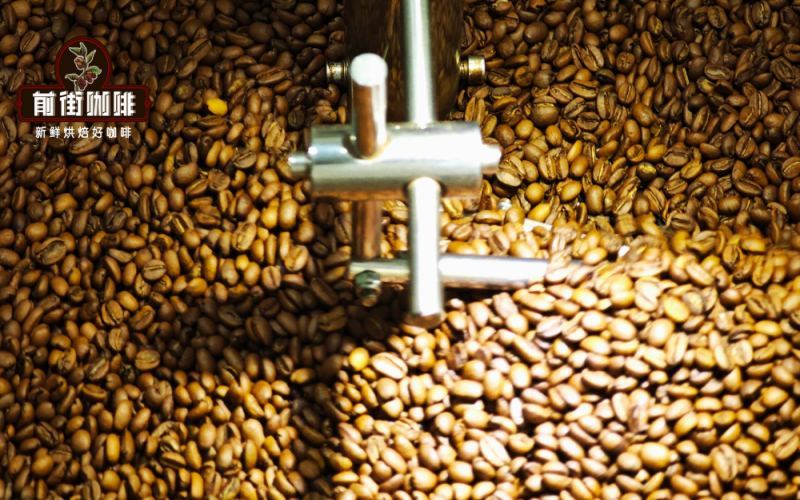
The two major schools of coffee roasting—Japanese slow roasting and Nordic fast roasting—reflect fundamentally different philosophies of tasting: the Japanese value a rich, clean mouthfeel, while the Nordics prefer bright, elevated acidity and aroma. This time, Front Street Coffee selected the sun-dried Yirgacheffe Worka Red Cherry and, through two actual roasting curves, compares the differences between slow roasting and fast roasting one by one—from airflow and heat adjustment, the pace of temperature rise, to the appearance of the roasted beans and cupping performance. Slow roasting is like braising pork until tender, letting heat penetrate evenly; it results in a high degree of development, rounded sweetness, and a short resting period. Fast roasting emphasizes the efficiency of hot air and pursues bright floral and fruity aromas, but it demands stricter quality from the green beans. The article also introduces the origin background of the Worka cooperative and the division of labor at the Banko processing station, and, combining green bean grade, appearance consistency, and actual cupping results, sorts out the applicable scenarios and flavor orientations of the two roasting methods for coffee lovers' reference. [more…]

Ethiopia TOH Double Champion Armeria Lalo: Full Analysis of Anaerobic Slow Drying Processing Method and Flavor
At the Amederaro processing station in Ethiopia, at an altitude of 2,200 meters, a coffee bean named Amederaro was born, one that went on to win both the national and African regional finals of the 2019/20 TOH competition. This bean, brought to you by Front Street Coffee, undergoes anaerobic slow drying; after being harvested as fully ripe cherries and carefully sorted, it is slowly fermented in an anaerobic environment, creating layered flavors of passion fruit, honey, champagne, and white grape, with abundant juiciness and a balanced fermented character. This article will provide a comprehensive introduction to this coffee—both powerful and refined—from the perspectives of its origin background, processing method, flavor profile, and the meaning of the TOH competition. [more…]

Panama Santos Estate Geisha ASD Anaerobic Low-Temperature Slow Dry Process and Flavor Analysis
Santos Café Panamá is located in the Nacimiento area of Santa Clara and has been owned and passed down by the Lezcano family since their purchase in 1947, now spanning five generations. In 2014, estate owner Mario Lezcano acquired La Marma estate and formally entered the specialty coffee field, and his Pacamara "White Horse" even won the traditional washed category championship at the 2021 BOP competition. This article focuses on Santos Estate's Geisha coffee beans, providing a detailed explanation of the ASD anaerobic fermentation low-temperature slow sun-drying process they use, and presenting Front Street Coffee's roasting approach, cupping performance, and V60 brewing parameters for this bean, offering you a comprehensive understanding of this Panamanian Geisha that combines dark berries, hawthorn acidity, and a black tea finish. [more…]
Ethiopian Natural Geisha Ice Drip Coffee: A Low-Temperature Slow-Brew Method That Restores the True Essence of Flowers and Fruit
Cold brew coffee is extracted slowly at low temperature with ice water, and after several hours of dripping, it can reveal a clean, smooth, and richly layered flavor. This article focuses on the Ethiopian sun-dried Grana Geisha, a floral-and-fruity bean variety, and shares a complete approach and parameters for making cold brew coffee at home: from the principles of cold brew, water speed control, and coffee-to-water ratio settings, to the specific data for Front Street Grana sun-dried Geisha, such as 60 grams of coffee, a 1:10 coffee-to-water ratio, and 5 drops per 10 seconds, and then to the operational steps of pre-wetting the coffee, laying filter paper, and refrigerated fermentation. Mastering low-temperature slow extraction and moderate fermentation can better highlight the citrus, honey, and floral notes of Geisha. [more…]