








Where Is Arabica Coffee From in the Guji Highlands?
Buku Abel sits in Hambela, within Ethiopia's Guji region, at about 2,050 meters. The washed and slow sun-dried G1 heirloom lots from this plot cup with pear, strawberry, orange and creamy honey sweetness, backed by floral aromatics and tropical fruit notes. Low-temperature slow drying is what preserves that clarity.
Guji was part of Sidama until 2010, when the Ethiopia Commodity Exchange made it an independent producing region. Its deep black Vertisol soil, terrain above 1,800 meters and wide day-night temperature swings support high-quality arabica, and soil fertility is maintained by natural leaf litter and humus rather than heavy inputs. Hambela borders Kochere to the west and Shakiso to the east.
In the highlands of southeastern Ethiopia, the Guji region has gradually risen to prominence thanks to its superior terroir, and Buku Abel within the Hambela village is a pristine coffee-growing area at an altitude of over two thousand meters. This article provides an in-depth introduction to the Buku plot's regional background, processing method, green bean characteristics, roasting curve, and cupping flavor performance, while also sharing Front Street Coffee's brewing recommendations for this batch of beans. From the drying logic of low-temperature slow sun-drying to the pear, strawberry, orange, and creamy honey-like sweetness presented in the cup, this takes you through a comprehensive understanding of this Ethiopian specialty coffee that combines floral aromatics with tropical fruit notes.
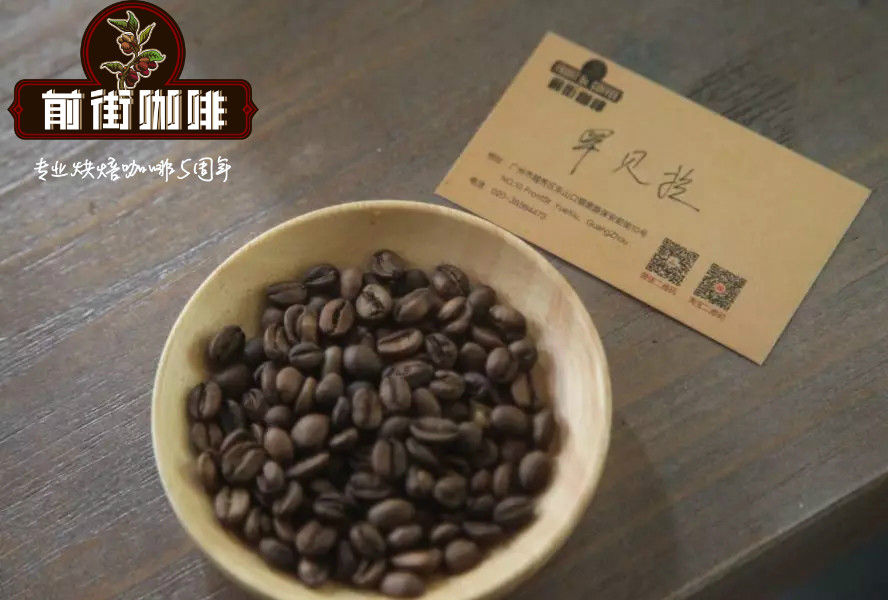
GUJI Hambela Buku Abel
Front Street Ethiopia Guji Region Hambela Buku
Region: Guji Hambela
Altitude: 2050 meters
Processing Method: Low-temperature slow sun-dried
Grade: G1
Variety: Local Heirloom
| Guji Region GUJI
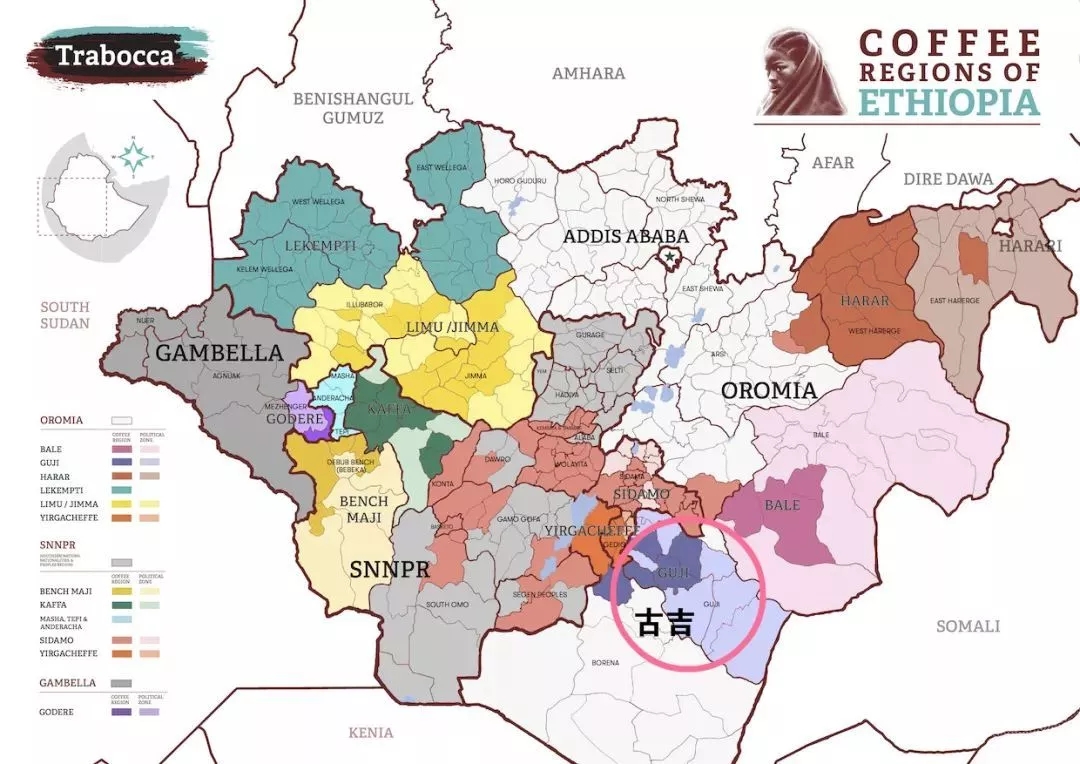
The Guji region has risen to fame in the specialty coffee circle in recent years, with both flavor presentation and quality standards being noteworthy. The area was originally under Sidama's jurisdiction until 2010, when the Ethiopia Commodity Exchange (ECX) established it as an independent coffee-producing region.
Guji is located to the southeast of Yirgacheffe, bordering Sidama and Gedio. This land features towering mountains, highlands, plateaus, valleys, and plains, with extremely diverse terrain.
The soil in this area is fertile black soil (Vertisol), with a soil layer nearly two meters deep and an average altitude exceeding 1,800 meters. The unique geographical conditions bring significant temperature differences between day and night, providing an ideal terroir foundation for producing high-quality specialty coffee.
The greatest advantage here is that soil vitality is maintained through the cycling of natural organic matter—fallen leaves from surrounding trees, litter, and residual plant roots and other natural humus serve as natural sources of nutrients.
Hambela is under the jurisdiction of Oromiyaa, the southernmost administrative state in Ethiopia. To the west, it faces Kochere of the Yirgacheffe region across the mountains at a distance of about 3,200 meters; to the east, it adjoins Shakiso; to the south, it borders Uraga; and to the north is Kochere Kercha.
Currently, there are approximately 20 processing stations in the Hambela area, scattered across different villages and estates in various sub-regions, with varying scales.
| Buku Abel
Buku Abel means "NEW" in the local Ethiopian language, i.e., a new place. In this ancient country with over two thousand years of history and a population of over a hundred million, although the East African Rift Valley blocks the path to Asia, new virgin lands are still constantly being discovered and cultivated on this plateau. Compared to millennia of cultural accumulation, this is a relatively young development area.
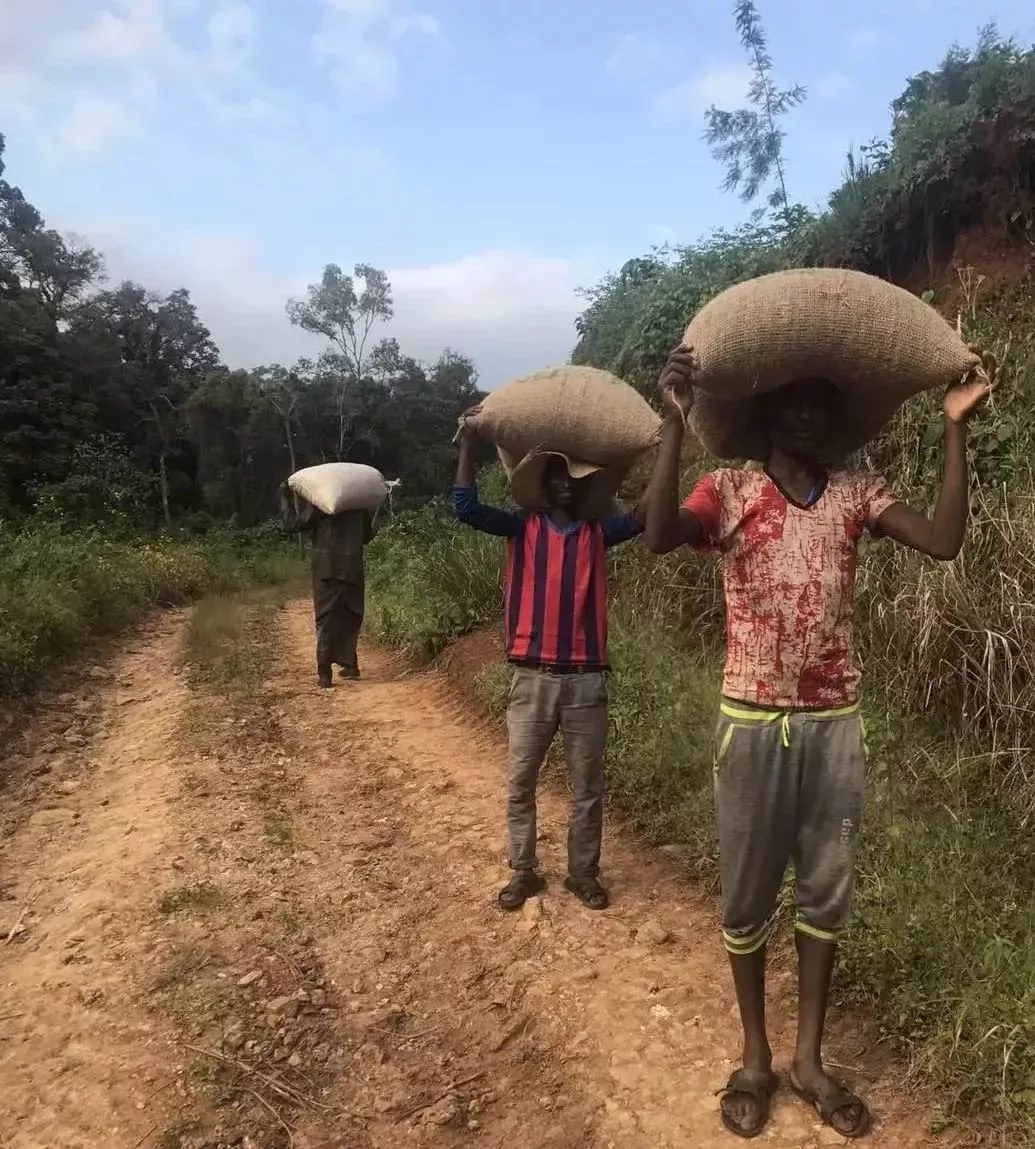
Buku Abel is located in southeastern Ethiopia and is an extremely high-altitude primitive community in the Hambela area of the Guji region, with a population of about 30,000. This small village is similar to most coffee farms in Ethiopia, where coffee trees grow naturally in wild primitive forests, coffee farmers pass down cultivation through generations, and native bananas are also planted, with local native coffee varieties interplanted among the banana trees.
| Processing Method
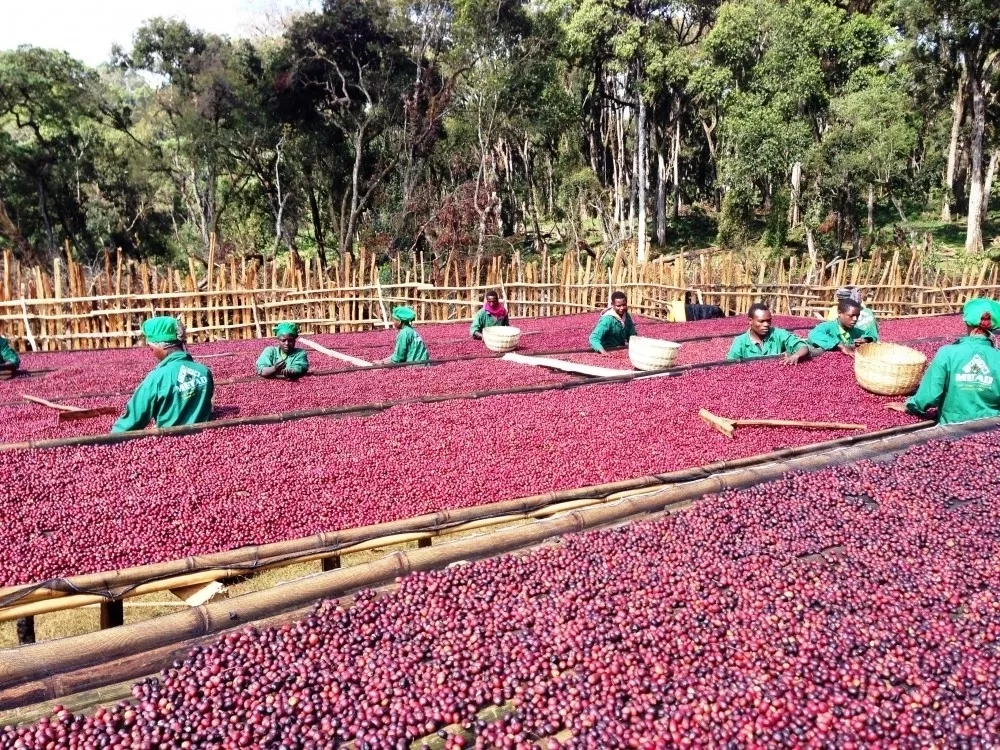
Only fully ripe bright red cherries are picked and dried in a single-layer spread. This laying thickness provides good air convection and a drying environment for the coffee fruit, but it also takes up considerable space, which is not favorable in terms of yield.
Proper slow drying allows coffee cherries to develop optimal water activity during the process. On one hand, flavors can fully develop; on the other hand, green beans can be stored longer during seasonal cycle storage. However, this processing method extends the production cycle of each batch. Adopting such a drying process depends both on favorable climatic conditions and on producers being willing to invest time and effort.
| Green Bean Analysis
Front Street Ethiopia Hambela green beans present a yellow-green color, with a faint fermented fruity aroma and fresh citrus acidity when smelled up close. Upon careful observation, one can find that Front Street Hambela coffee beans are not uniform in size, which is related to the diversity of the bean varieties themselves.
The variety of this [Front Street Ethiopia Hambela Buku] is local Heirloom. Ethiopia has an extremely large number of coffee varieties, making it a natural gene bank for Arabica—the vast number of varieties makes identification and classification extremely difficult, and the Ethiopian government, for protection considerations, is unwilling to disclose variety information, so they are collectively referred to as [Heirloom].
| Roasting Analysis
When the drum temperature rises to 200°C, charge the beans, set the airflow to 3, and after 30 seconds adjust the heat to 160; the turning point appears at 1 minute 36 seconds. When the drum temperature reaches 140°C, adjust the airflow to 4 and reduce the heat to 140; at this point the bean surface turns yellow, the grassy scent completely dissipates, and the dehydration phase begins. When the drum temperature reaches 166°C, further adjust the heat to 100, keeping the airflow unchanged.
At 7 minutes 57 seconds, wrinkles and dark patches appear on the bean surface, and the toast aroma clearly transitions to coffee aroma, which can be regarded as the prelude to first crack; at this point, one needs to carefully catch the cracking sound of first crack. First crack begins at 8 minutes 45 seconds, adjust the airflow to 5, develop for 1 minute 40 seconds after first crack, and drop at 197°C.
The Agtron bean value is 71.8 (top image), the Agtron pink value is 85.7 (bottom image), and the Roast Delta value is 13.9.
Cupping Flavor
Front Street Hambela Buku smells of pear blossom and fermentation aromas. When sipping, one can perceive layers of pear, strawberry, orange, citrus, and peach flavors, as well as creamy and honey-like sweetness.
| Brewing Recommendations
Recommended brewing method: Pour-over
Dripper: V60 dripper
Grind size: fine granulated sugar coarseness (80% passing through Chinese standard No. 20 sieve)
Coffee-to-water ratio: 1:15
Water temperature: 91°C
Brewing technique: Staged extraction
Bloom with 29 grams of water for 30 seconds, then brew with a slow small stream slightly faster to 128 grams as the first stage; when the water level drops to just about to expose the coffee bed, continue pouring with a slightly larger stream to 226 grams and stop; when the water is about to expose the coffee bed, remove the dripper. The extraction time is about 2 minutes 10 seconds.
[Front Street Ethiopia Hambela Buku] coffee flavor: smells of faint fermented fruity aroma, floral notes, and rose fragrance; on the palate there is an orange, strawberry, and creamy sweet-tart profile; mid-palate brings out white peach flavors, with a sugarcane and honey aftertaste and a jackfruit finish; the overall impression is somewhat like a cup of tropical fruit tea.
The above content is compiled by CoffeeHunters, a coffee news website.


