







Search Results for: SLD
In-Depth Analysis of Single-Layer Sun-Dried Slow Fermentation (SLD): How the Hambela Region Produces High-Quality Natural Coffee
In the Guji region of Ethiopia, there is a place called Hambela that is quietly changing people's perception of natural coffee. Here, a processing method known as SLD—Single Layer Drying slow fermentation—is used, spreading coffee cherries in a single layer on raised beds and subjecting them to about 18 days of precise drying, so that every cherry receives the most even airflow and the fullest fermentation. Although this technique takes up more space and time, it gives the beans fuller sweetness and greater storage potential. Compared with traditional Yirgacheffe, Hambela coffee is gentler in acidity, yet superior in sweetness and body. This article will take you deeper into what makes this processing method unique and how it influences the final flavor of the coffee. Front Street Coffee also particularly recommends paying attention to beans from this region and experiencing their appealing expression, as warm and smooth as fruit tea. [more…]
Ethiopia Hambela Estate Single-Layer Sun-Dried Slow Fermentation Method: How the SLD Process Creates High-Quality Natural Beans
Ethiopia, as the birthplace of coffee, has seen a continuous emergence of high-quality lots in emerging producing regions such as Guji in recent years. This article focuses on the single-layer sun-dried slow-drying Lot 121 produced by a single farm in St. Lion Village of Front Street Hambela Estate, offering an in-depth analysis of this rare processing method known as SLD—where only a single layer of coffee cherries is spread on raised beds, the drying period is strictly controlled at around 18 days, and the fruit is allowed to fully ferment through the most perfect convection environment, thereby imparting fuller sweetness and body to the coffee beans. The article also examines why Ethiopia's smallholder-dominated production system makes single-farm traceability difficult to achieve, how Hambela Estate owner Aman adheres to quality at extremely high cost, and compares the subtle flavor differences between the Guji region and Yirgacheffe. [more…]
Which estate does Saint Lion coffee bean come from? A full analysis of the flavor of the Hambela Benti Nenqua micro-lot special processing method
Sacred Lion coffee beans have attracted considerable attention from coffee enthusiasts in recent years. Which estate do these beans actually come from? And what makes them so special? The answer points to Ethiopia's Hambela estate, specifically lot 121 produced by the single farm Benti Nenqua. The estate belongs to METAD, and after Aman Adinew, who once held a key position at a Fortune 500 company, took over the family business, he introduced corporate management and SCAA quality standards, equipping it with a farm, processing plant, and coffee laboratory. Green bean traders named it "Sacred Lion" and specifically noted the SLD single-layer slow drying process to distinguish it from other natural Ethiopian beans. The cupping profile presents tropical fruit, citrus, stone fruit, strawberry jam, and a blueberry finish. This article will provide a complete introduction to this micro-lot's origin background, processing method, and flavor characteristics, while retaining relevant recommendations for the Front Street Coffee brand. [more…]
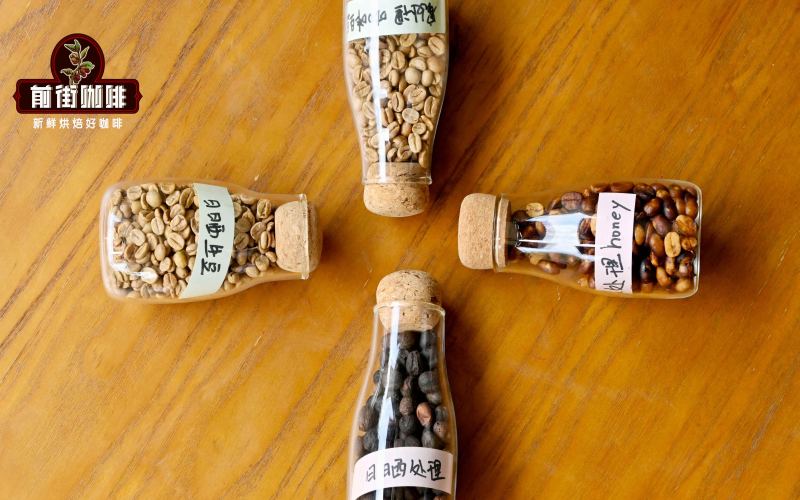
An In-Depth Analysis of the Natural Process: Advantages, Disadvantages, and Flavor Evolution from Traditional Sun-Drying to Slow Fermentation
The natural process is the oldest method of coffee processing, allowing the fruit to dry naturally while the beans mature inside the pulp, resulting in intense flavor and prominent sweetness. Today, the natural process has been refined, from African raised beds to single-layer slow fermentation, greatly improving quality and even becoming the top choice for competition-grade coffee. This article will guide you through a comprehensive understanding of the natural process's operational flow, flavor advantages, traditional flaws, and modern improved techniques, and recommend freshly roasted beans such as Front Street Natural Huakui and Front Street Red Cherry, allowing you to understand the unique charm of naturally processed coffee from theory to practice. [more…]