







Search Results for: sewage backflow

Torrential Rain Hits Shenzhen Coffee Festival: Stalls Leak, Power Out, Sewage Backs Up, Event Forced to Halt and Extended by One Day as Compensation
During the May Day holiday, Guangdong was hit by severe convective weather, and the site of the Shenzhen coffee festival descended into chaos under the onslaught of torrential rain. Leaking canopies over temporary stalls, sudden power outages on site, and yellow sewage gushing from drainage outlets—a triple blow that caught vendors and visitors off guard. Although the organizers and the mall carried out emergency repairs afterward, the incident still exposed the shortcomings of outdoor events in responding to extreme weather. This article reconstructs the course of events and brings the latest news on compensation for the event's postponement. For friends who love coffee culture, Front Street Coffee will also continue to follow such industry developments and bring more on-site reports. [more…]
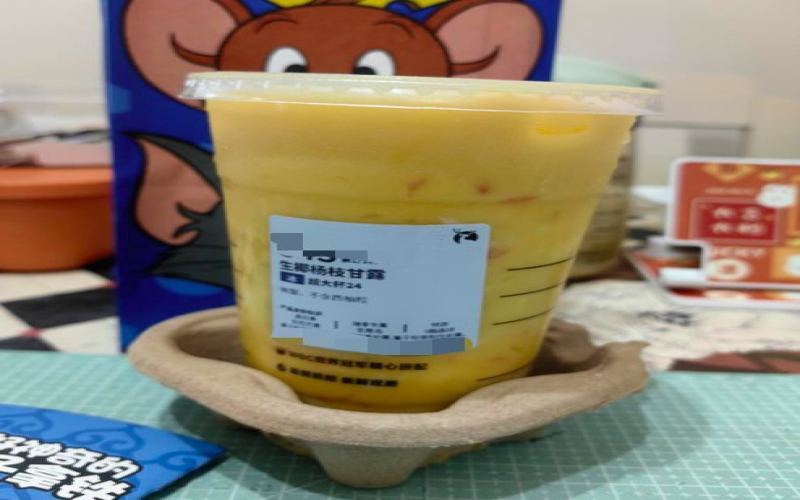
The production process for Luckin's Raw Coconut Mango Pomelo Sago is so complicated that staff keep complaining and look forward to it being discontinued soon.
Entering October, Luckin's pace of launching new products has noticeably accelerated, rolling out multiple new items in succession within two weeks. Among them, the upgraded and returning "Coconut Mango Pomelo Sago" quickly won over consumers and became the top repeat-purchase choice for many. However, making this drink at the store level has employees crying foul—numerous ingredients, lengthy steps, difficult cleanup, and even causing drain clogs. From the meltdown during order surges to the unclogging after closing, staff have taken to social media to call out: when will this "enemy of employees" finally be discontinued? [more…]

Starbucks toilet trampled and collapsed sparks heated debate: why are store restrooms gradually disappearing?
Recently, a customer encountered an bizarre scene at a Starbucks store: while waiting in line to use the restroom, they suddenly heard a loud noise, and then a man hurriedly fled from the bathroom. Upon entering, they discovered that the toilet had been cracked by being stepped on and had separated from the sewage pipe, shifting more than ten centimeters. This bizarre incident quickly sparked heated discussions among netizens and unexpectedly brought up the topic of Starbucks restrooms gradually disappearing. Many netizens were surprised that Starbucks actually had restrooms, while longtime customers recalled that in earlier years, most stores had restrooms open to the public, but this convenience measure brought endless troubles for employees—filth and disorder, long-term occupation, and even people showering or washing vegetables inside. Now, new Starbucks stores are gradually no longer including restrooms, and older stores often lock them, citing malfunctions. This article takes you through the whole incident and the helpless reality behind it. [more…]
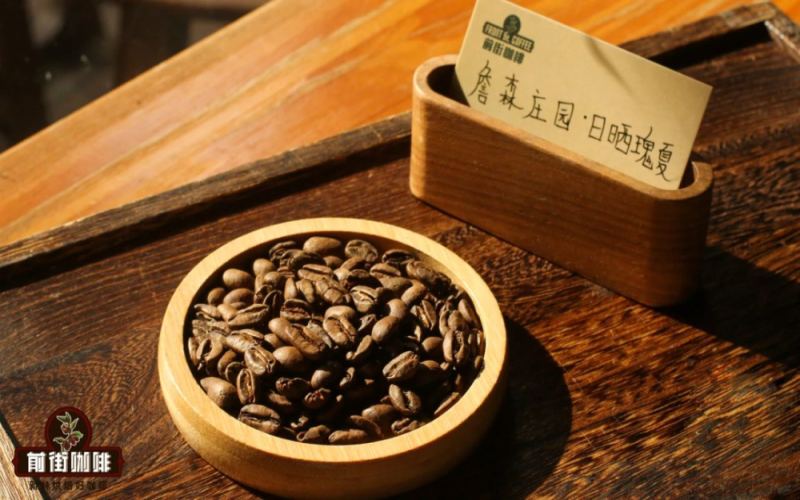
Panama Janson Estate Geisha Coffee Siphon Brewing Full Process and Parameters Detailed Guide
Geisha coffee is known as the "Champagne of the coffee world," and Panama's Janson Estate is a key origin of this legendary variety. This article focuses on Front Street Janson Geisha, first introducing its growing region environment, flavor characteristics, and the estate's ecological philosophy, then providing a complete illustrated step-by-step demonstration of how to brew Geisha with a siphon, including key parameters such as equipment preparation, water temperature control, timing of adding coffee grounds, stirring rhythm, and backflow technique. Whether you want to learn the origin story of Geisha or hope to master the specific techniques for extracting Geisha with a siphon, you will find practical reference here. [more…]
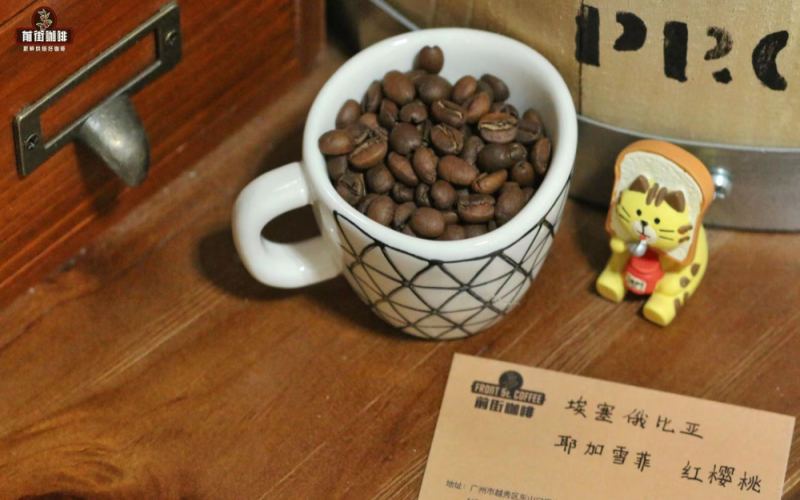
Siphon Coffee Brewing Principles | How to Make Delicious Siphon Coffee? Which Coffee Beans Are Suitable for Siphon Brewing?
In many people's minds, siphon coffee makers have a unique shape akin to chemical apparatus, and they always appear in period films and TV works, giving people a sense of mystery. As a practitioner in the coffee industry, Front Street Coffee naturally values most the use of the siphon brewer and the flavor characteristics of the coffee it brews. Hong [more…]
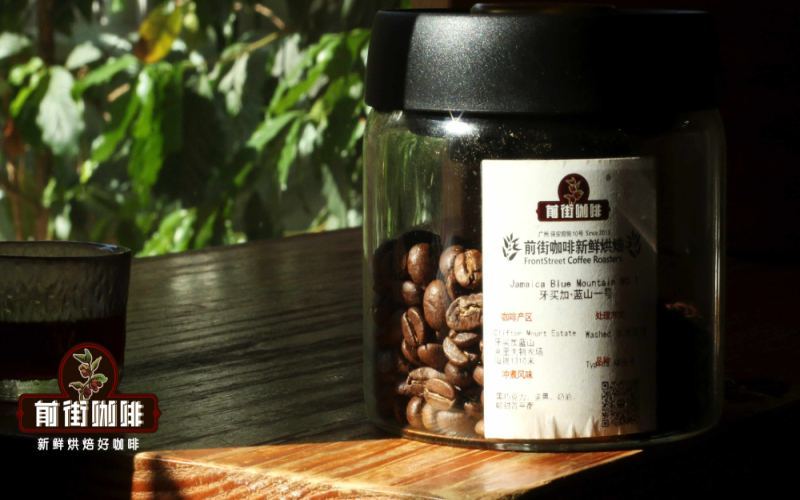
From Blue Mountain to Geisha: An Analysis of Three Brewing Methods for Panama's Top Coffee — Pour-Over, Siphon, and French Press
For a long time, domestic understanding of top-tier coffee was largely influenced by Japan, with Jamaican Blue Mountain and Hawaiian Kona holding sacred status. However, as the specialty coffee wave swept the globe, Panama Geisha rose dramatically, becoming the new generation of coffee royalty with its astonishing aroma performance and auction prices. This article systematically traces the variety's origins and spread, reviews its glorious record in international competitions and auctions, and introduces in detail the product positioning of Front Street Coffee's Emerald Red Label, Green Label, and Boquete Geisha. The article focuses on presenting three brewing methods: pour-over, siphon, and French press, providing specific parameters and operational steps for each, taking you through different dimensions to experience Geisha's signature jasmine, berry, and citrus notes. [more…]

OATLY and other brands of plant-based milk suspected of contamination with Cronobacter sakazakii, Lyons Magnus initiates large-scale recall
On July 29, the US FDA issued a recall announcement: Lyons Magnus has voluntarily recalled 53 of its beverages and nutritional products due to possible contamination with Cronobacter sakazakii, and OATLY's Barista edition oat milk is among them. The bacterium poses a significant threat to infants and people with weakened immune systems. Although no related illnesses have been reported so far, the products have been deemed not to meet commercial sterility standards. This recall involves only specific batches produced at a Wisconsin plant in April of this year, mainly distributed through US foodservice channels, and does not affect other OATLY products or markets outside the United States. Meanwhile, OATLY's latest financial report shows continued revenue growth, with particularly strong performance in Asia, though the company as a whole remains in a loss. [more…]
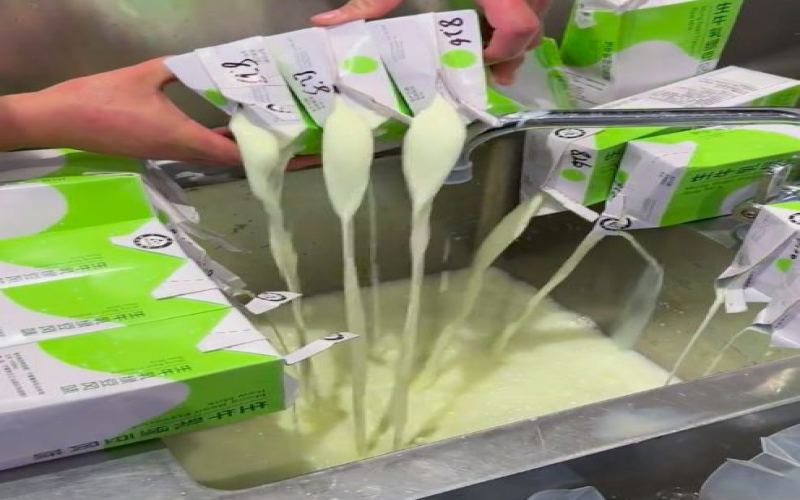
Luckin Coffee removes 8 drinks from menus at once, stores asked to dump unexpired ingredients, sparking heated debate
Luckin Coffee recently carried out a centralized removal of multiple drinks, involving products launched within the past six months such as Peach Peach Coffee and Jelly Coconut Latte. The brand required stores nationwide to pour all unopened, still-within-shelf-life ingredients down the drain after closing, sparking widespread discussion among employees and netizens. Some veteran employees have grown accustomed to this, while more people questioned that this handling method causes serious waste and called on the brand to adopt more reasonable ways to consume inventory. The incident reflects the contradiction between rapid product iteration and ingredient management in chain coffee brands. [more…]
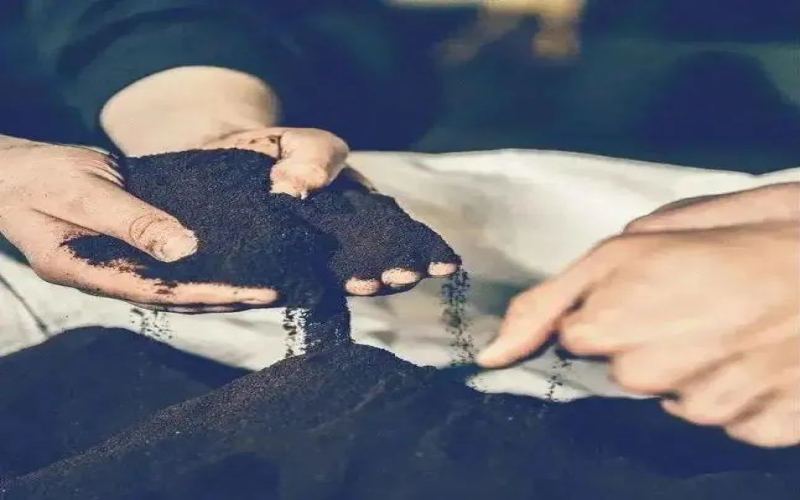
Coffee Grounds Drive Coffee Roasting: Japanese Company Teams Up with University to Develop Biochar Fuel, Claims Zero Carbon Emissions
As the most common waste product in coffee shops, coffee grounds generate over 8 million tons globally each year, and their disposal not only consumes energy but also pollutes the environment. Over the past decade, researchers have continuously explored ways to reuse coffee grounds, from blended fuels to eco-friendly boards, from clothing fabrics to food utensils, coffee grounds are transforming into a new eco-friendly favorite across multiple industries. A Japanese coffee roasting company has teamed up with a research team from Kindai University to develop a biochar fuel made from coffee grounds, and claims that the carbon dioxide released during combustion can be offset by the amount absorbed during the growth of coffee plants, thereby achieving zero carbon dioxide emissions. This "fighting magic with magic" environmental approach—how exactly is it achieved? [more…]
Jamaican Blue Mountain Coffee DIY Blending Guide: Full Analysis of Siphon Brewing Steps and Flavor Blending
Want to recreate an authentic Jamaican Blue Mountain-style coffee at home? This article provides a complete DIY coffee bean blending solution and walks you through the siphon brewing process in detail. From the ratio of ground coffee to purified water, to alcohol lamp heating, wooden spoon stirring, reflux extraction, and finally adding sugar cubes and creamer for seasoning, every step is illustrated with photos and text. It also incorporates Front Street Coffee's blending approach, helping you craft a rich, well-rounded Blue Mountain flavor even without authentic Blue Mountain beans. Whether you're a coffee novice or a seasoned enthusiast, this hands-on guide will help you get started easily and enjoy the pleasure of handmade coffee. [more…]
Blue Mountain Coffee Beans Pour-Over Extraction Tutorial and Flavor Blending Ideas Sharing
Jamaican Blue Mountain coffee is renowned for its balanced and elegant flavor, and only by mastering the proper brewing method can its charm be fully released. Using a siphon pot as an example, this article breaks down in detail the pour-over extraction steps for Blue Mountain coffee beans, explaining the key points of operation step by step, from equipment preparation to pouring water and stirring, to reflux and decanting. At the same time, for everyday drinking needs, it provides a highly practical DIY blending formula for Blue Mountain flavor, helping coffee enthusiasts recreate the classic Blue Mountain taste while keeping costs controllable. The article also combines the product characteristics of Front Street Coffee beans to offer bean selection and pairing suggestions, making it suitable as a reference for readers who wish to gain a deeper understanding of Blue Mountain coffee brewing and blending. [more…]
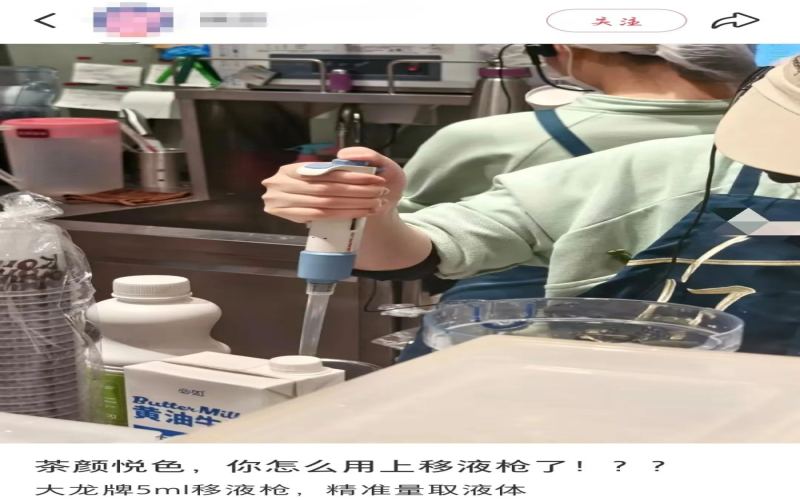
Tea shops introduce laboratory pipettes for mixing milk tea, sparking debate over operating standards and food safety
Recently, a customer at a Sexy Tea store discovered that an employee was actually using a pipette—commonly found in laboratories—to measure milk tea ingredients. The scene was photographed and quickly sparked heated discussion on social media. As precision experimental instruments, pipettes can measure liquids more accurately, but their operating standards are strict, and improper use may pose food safety risks. Many netizens with laboratory experience pointed out that untrained employees operating such equipment risks liquid backflow and contaminated tips, and whether disposable tips meet food-contact standards is also questionable. Opinions continue to clash over whether laboratory instruments can be used in food service settings. [more…]
Blue Mountain No.1 Pour-Over and Siphon Brewing Tutorial: Detailed Guide to Water Temperature, Grind Size, and Coffee-to-Water Ratio
Blue Mountain coffee originates from the Blue Mountains of Jamaica and is named for the blue light reflected from the Caribbean Sea. It is famous for its balanced blend of sweetness, acidity, and bitterness, with almost no bitterness and a gentle acidity, making it the finest among single-origin coffees. This article shares the classic brewing method for Blue Mountain No. 1 recommended by Front Street Coffee, covering equipment choices such as the siphon, filter bag, and drip methods, and explains in detail the key steps: a ratio of two tablespoons of coffee grounds to 150 ml of purified water, water temperature control at 90 to 96°C, boiling the water over medium heat then simmering over low heat for 30 to 40 seconds, gently stirring with a spoon, and natural reflux. It also introduces the optimal tasting temperature of about 60°C and the flavor changes after cooling, helping coffee lovers perfectly extract the unique charm of Blue Mountain coffee at home. [more…]
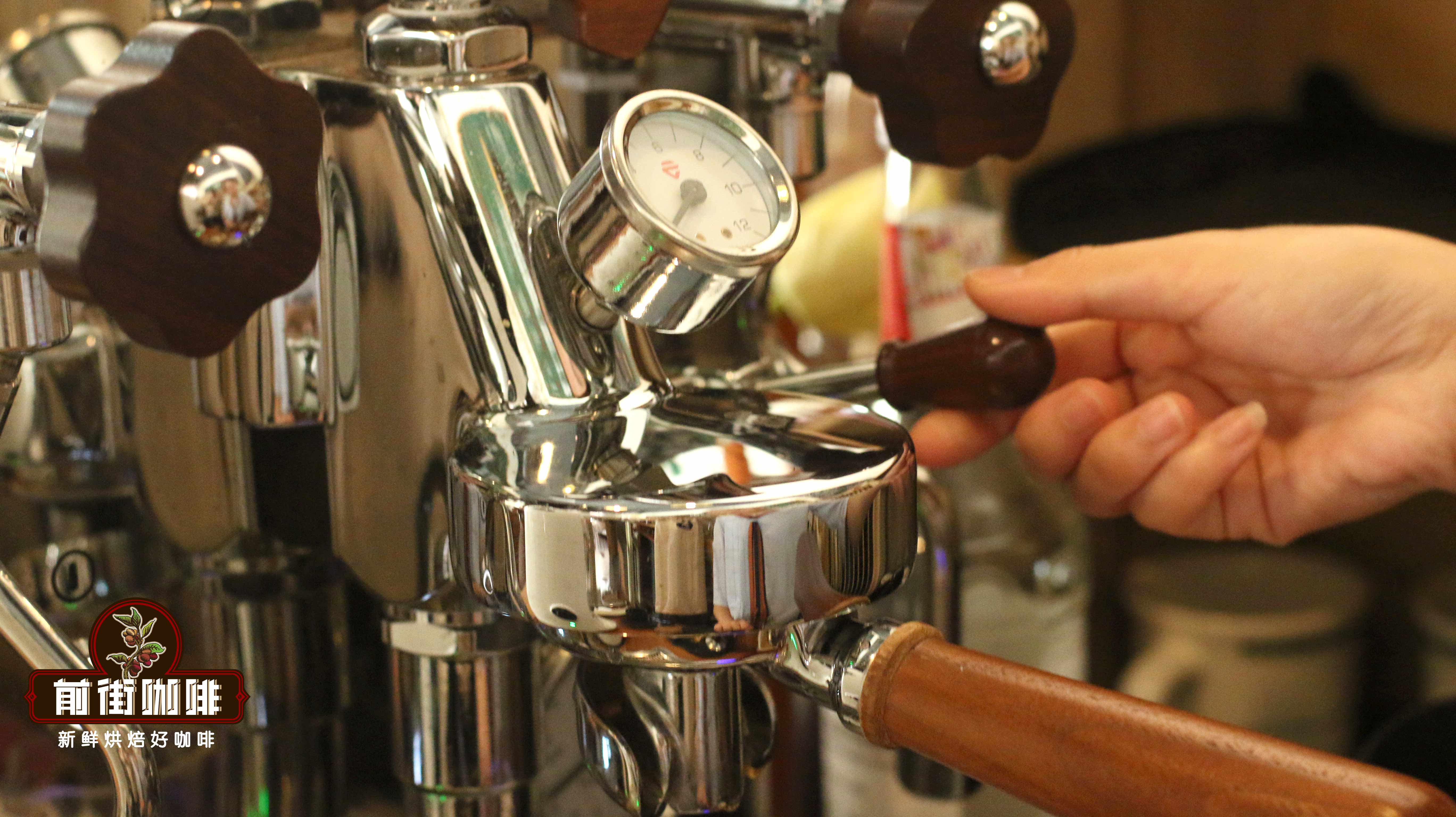
A Detailed Guide to Backflushing the Group Head of a Semi-Automatic Espresso Machine and Daily Maintenance Methods
The espresso machine is the core equipment of a coffee shop. Regular cleaning not only extends the machine's lifespan but also ensures the consistency of every cup produced. This article focuses on the key step of cleaning the interior of the group head, explaining in detail the specific procedures for quick cleaning, daily backflushing, and long-term maintenance. From judging residue on the dispersion screen to the backflush process using a blind basket with cleaning powder, and then to soaking the portafilter to remove oils, each step has clear requirements for timing and frequency. At the end, it also reminds readers that professional deep maintenance is needed every 1–2 years, making this a worthwhile reference for both coffee enthusiasts and industry professionals. [more…]

Latte Art Tutorial: Operational Differences Between Leaf Patterns and Layered Hearts, and a Detailed Guide to Creating Latte Art
After mastering the basic heart and the more advanced multi-layered heart, the leaf pattern is another hurdle to overcome in latte art practice. It may look similar to the multi-layered heart, but in reality there are clear differences in milk foam condition, the amount of integration, the pour point, and the swinging method. This article will break down the key points of making leaf latte art one by one, from milk foam thickness, the amount of milk used for integration, the pour point for creating the pattern, and swinging techniques to the complete hands-on steps. It will also explain the impact of different pitcher capacities on the process, and how to find the right position for creating the design by adjusting the amount of integration. Front Street Coffee suggests first practicing repeatedly with dish soap and soy sauce, and once the technique is proficient, then using milk and espresso for real practice, so you can pour a leaf pattern with clear stripes and a beautiful finish. [more…]
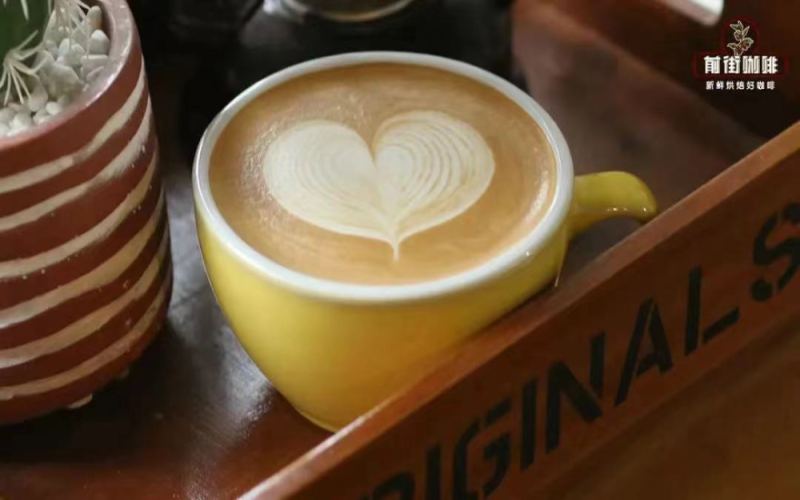
Beginner Latte Art Tutorial Explained | How Can Coffee Newbies Make a Heart-Shaped Latte Art? How Do You Use an Espresso Machine to Steam Silky, Smooth Milk Foam?
For professional coffee knowledge exchange and more coffee bean information, please follow Coffee Workshop (WeChat official account cafe_style). For more specialty coffee beans, please add private WeChat Front Street Coffee (FrontStreet Coffee), WeChat ID: qjcoffeex. Coffee latte art is coffee [more…]
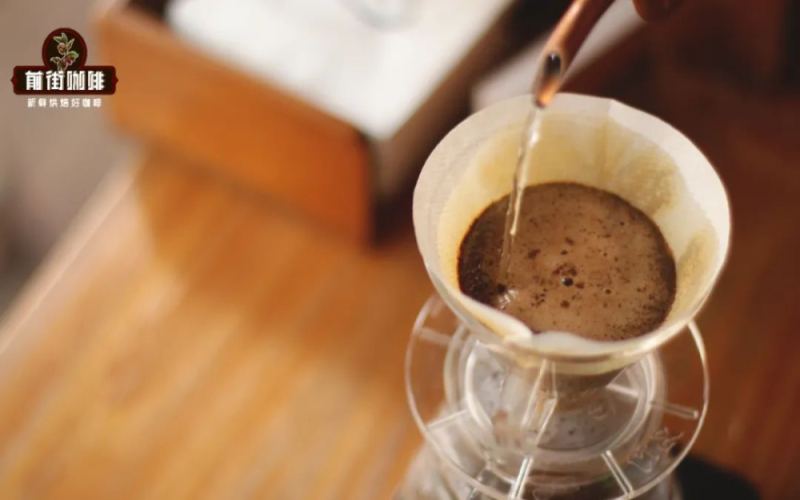
Can gently tapping the dripper really change the extraction result? The hidden link between fine migration and channeling
In pour-over coffee, many enthusiasts habitually tap the dripper before pouring water, trying to make the surface of the coffee bed more level. However, this seemingly harmless little action may cause fines to gradually settle to the bottom under vibration, creating a coffee bed density that is loose at the top and compact at the bottom. When hot water passes through this uneven structure, it will bypass the denser areas of greater resistance and flow toward the edge of the dripper, triggering channeling and a failed bloom, ultimately leading to uneven extraction, clogging in the final stage, and even over-extracted woody flavors. Through comparative experiments, Front Street Coffee found that the two groups of coffee—one without tapping and one with ten taps—showed clear differences in drip time and flavor performance. This article will break down the physical mechanism of fines settling and share a coffee-dosing technique that achieves a level coffee bed without repeated tapping, helping you consistently reproduce the ideal flavor in your daily brewing. [more…]
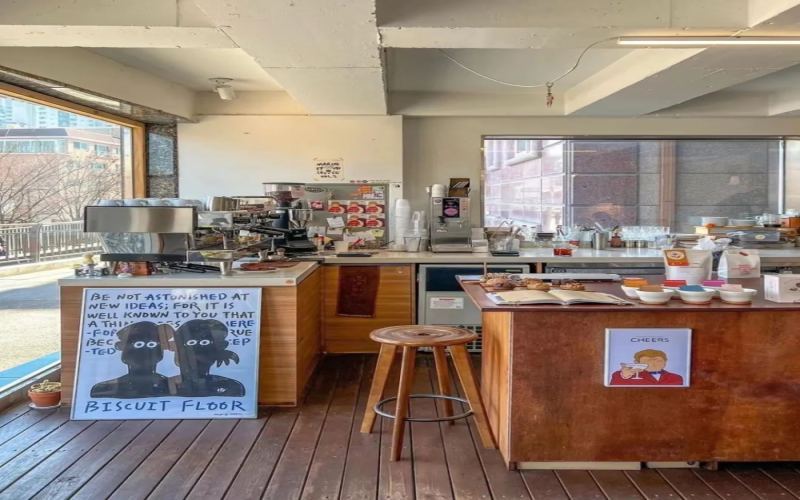
How to scientifically choose a location for a coffee shop? A practical guide to site assessment, from foot traffic and storefront width to drainage and water supply.
Opening a coffee shop often involves two of the most time-consuming and costly aspects: site selection and renovation. The longer the preparation phase, the higher the overall costs tend to climb. Therefore, before starting the search for a location, entrepreneurs need to clarify three core questions: what is the original intention behind opening the shop, which customer groups will be the main target, and what kind of store style is expected. Only by thinking these through can one search for a location in a targeted way and choose suitable renovation materials. Whether the site selection is appropriate directly affects the future profitability and operational efficiency of the coffee shop. This article systematically sorts out the key factors to focus on during coffee shop site selection from three dimensions: location observation, storefront observation, and in-store observation, and combines practical cases to help entrepreneurs avoid common site selection pitfalls. [more…]

Simple Latte Art Illustrated Guide | What is the principle behind coffee latte art? Which kind of milk is used to make latte art? Is it hard for coffee beginners to learn latte art?
Many people ask Front Street, how long does it take to learn latte art? If we're just talking about producing a good-looking pattern, with a bit of luck it only takes one day. If we're talking about truly mastering a pattern, it takes at least 4 days. So many people ask, where do these 4 days come from? It's simple: Day one, read this article from Front Street; day two, practice; day three, [more…]
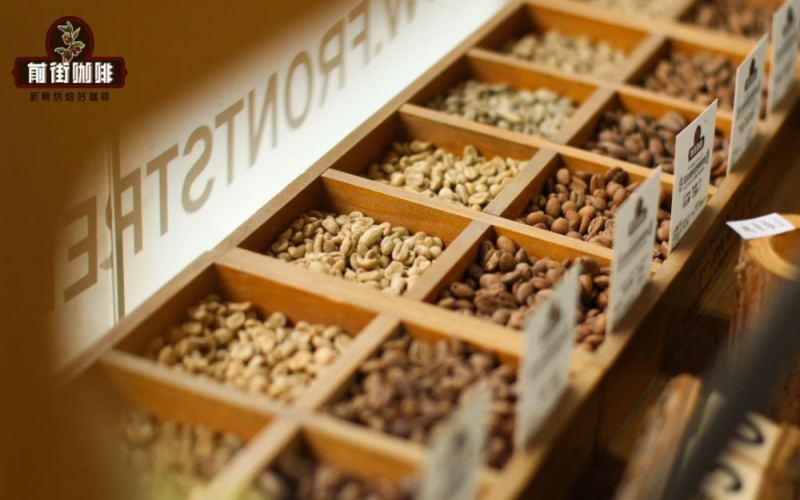
Mandheling Coffee Brewing Guide: How to Choose Between Drip Brewer and Siphon, and a Detailed Look at Golden Mandheling
Mandheling coffee has long been favored by coffee enthusiasts for its full-bodied, low-acid character and rich, deep aroma. But when faced with two brewing methods—the drip pot and the siphon—which one is better suited to bringing out the flavors of Mandheling? This article begins with the 5 Mandheling coffees offered by FrontStreet Coffee, sorts through the production-region system of Sumatran coffee, focuses on explaining the definition of Golden Mandheling and its ties to the PWN company, and includes the detailed parameters of FrontStreet Golden Mandheling along with step-by-step siphon instructions to help you extract a rich, smooth cup of black coffee at home. [more…]