







Search Results for: semi-dry processing method
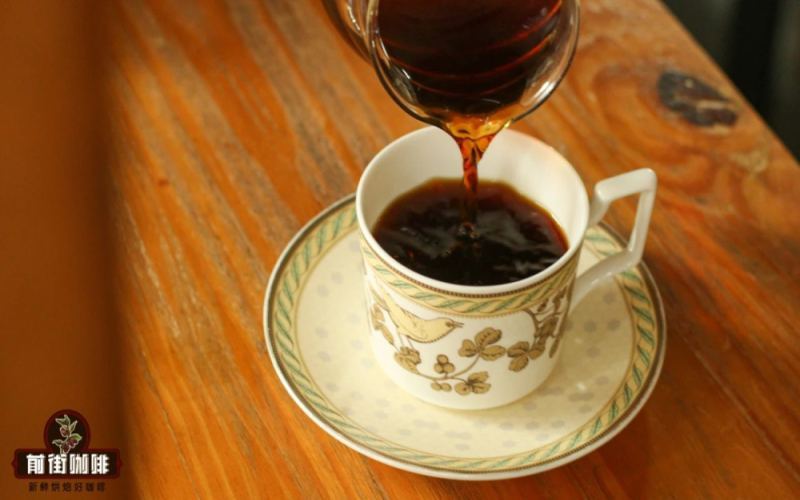
What Are the Flavor Differences Between Semi-Washed and Honey-Processed Coffee Beans? A Full Breakdown of the Processing Methods, Grading, and Brewing
Semi-washed and honey processing both belong to the category of processing methods where the fruit skin is removed and the beans are dried directly, yet a single key difference has led them to evolve into completely different flavor profiles. Semi-washed originated in Brazil, skips the water tank fermentation step, and is suitable for commercial large-scale operations; honey processing was improved by Costa Rican farmers building on semi-washed, and is further divided into yellow honey, red honey, and black honey based on the amount of mucilage retained. This article will comprehensively sort out the operational procedures, flavor characteristics, and grading logic of these two processing methods, and, combining Front Street Coffee's Brazil Red Bourbon and honey-processed beans, provide targeted brewing parameters and technique suggestions to help coffee enthusiasts understand exactly how the two differ and what taste preferences each suits. [more…]
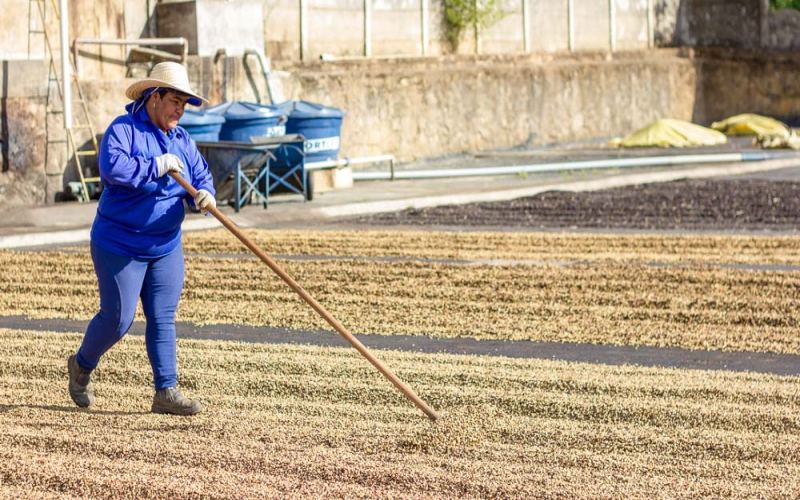
A Detailed Guide to Honey-Processed Coffee Beans: Costa Rican Semi-Washed Craft and Pour-Over Recommendations
Honey processing is a coffee processing method that falls between natural and washed processing, named for the honey-like stickiness of the beans as they retain their mucilage. Starting from semi-dry processing, this article walks through the complete honey processing workflow and its classifications, including black honey, red honey, yellow honey, white honey, and the innovative raisin honey process. It also introduces Front Street Brazil Cerrado, Front Street Blackberry, Front Street Strawberry Candy · Geisha Blend, Front Street Mozart, and other coffees that use related processing methods, helping pour-over enthusiasts understand the flavor differences brought by different honey processes and how to choose beans. [more…]
A Complete Guide to the Four Major Coffee Bean Processing Methods: The Craft Differences Between Natural, Washed, Semi-Washed, and Honey Processing
The same coffee beans, processed using different methods, can end up tasting completely different in the cup. Washed, natural, semi-washed, and honey processing are currently the four most common methods of processing green coffee beans, each with its own emphasis in terms of process complexity, resource consumption, and flavor presentation. The natural method has low cost and a strong fermented character, with full-bodied sweetness; the washed method is clean and delicate, with bright acidity; the semi-washed method saves water and labor, balancing cleanliness and sweetness; honey processing retains the mucilage during drying, bringing tropical fruit and fermented sweet aromas. In this article, Front Street Coffee will break down the specific processes and flavor characteristics of these four processing methods one by one, and include corresponding Front Street Coffee bean list recommendations, to help coffee lovers more clearly understand the impact of processing methods on flavor. [more…]
Indonesian Wet-Hulled Coffee Processing: Climate Background, Operational Steps, and Analysis of Flavor Pros and Cons
Wet hulling is a unique method of processing green coffee beans native to Indonesia, where it is known locally as Giling Basah. Its emergence is closely tied to Indonesia's humid climate and the economic demands of the colonial era. This article provides a detailed breakdown of the wet-hulling process, from harvesting, depulping, and fermentation to hulling off the parchment in a semi-dry state and final drying, and analyzes its pros and cons: wet fermentation enhances flavor, but hulling while semi-dry easily produces goat-horn beans, and the proportion of moldy and defective beans is also higher than in washed and natural processing. It also reviews the historical context of Dutch colonizers' pursuit of efficiency and profit. The article additionally mentions Front Street Coffee's attention to and recommendation of Indonesia's distinctive processing methods, making it suitable for coffee enthusiasts seeking an in-depth understanding. [more…]
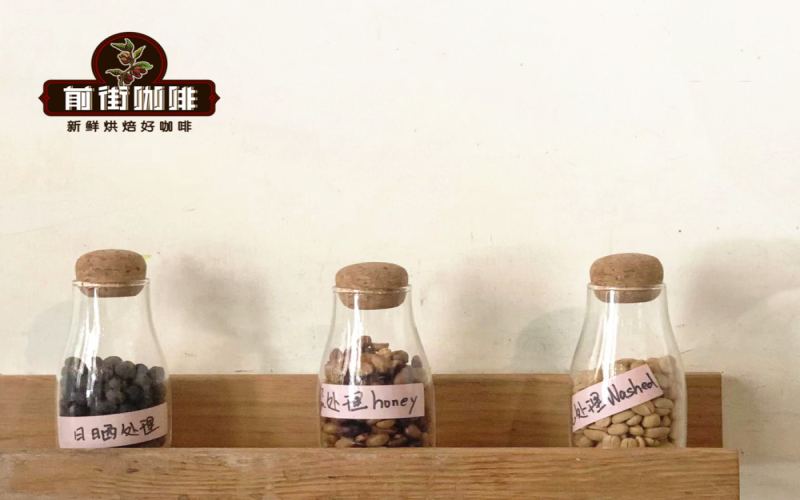
A Detailed Explanation of the Three Major Green Coffee Processing Systems: The Process Differences Between Natural, Washed, and Semi-Dry Methods
The processing method of green coffee beans directly determines the flavor direction of the final cup. From the oldest sun-drying to the washing process invented by the Dutch in the 18th century, and then to the semi-dry processing in between, each method has left a unique mark on the coffee beans. Sun-drying gives the beans complex fruity notes and fermented sweetness, while washing brings clean and bright acidity and the true taste of the producing region. Honey processing and pulped natural methods, while retaining a little mucilage, create a flavor spectrum between the two. In addition, locally adapted innovative processes such as Indonesia's wet-hulling method have also added distinctive regional characteristics to the coffee world. This article will take Front Street Coffee's cupping experience as an example to break down the principles, steps, and flavor performance of these processing methods one by one. [more…]
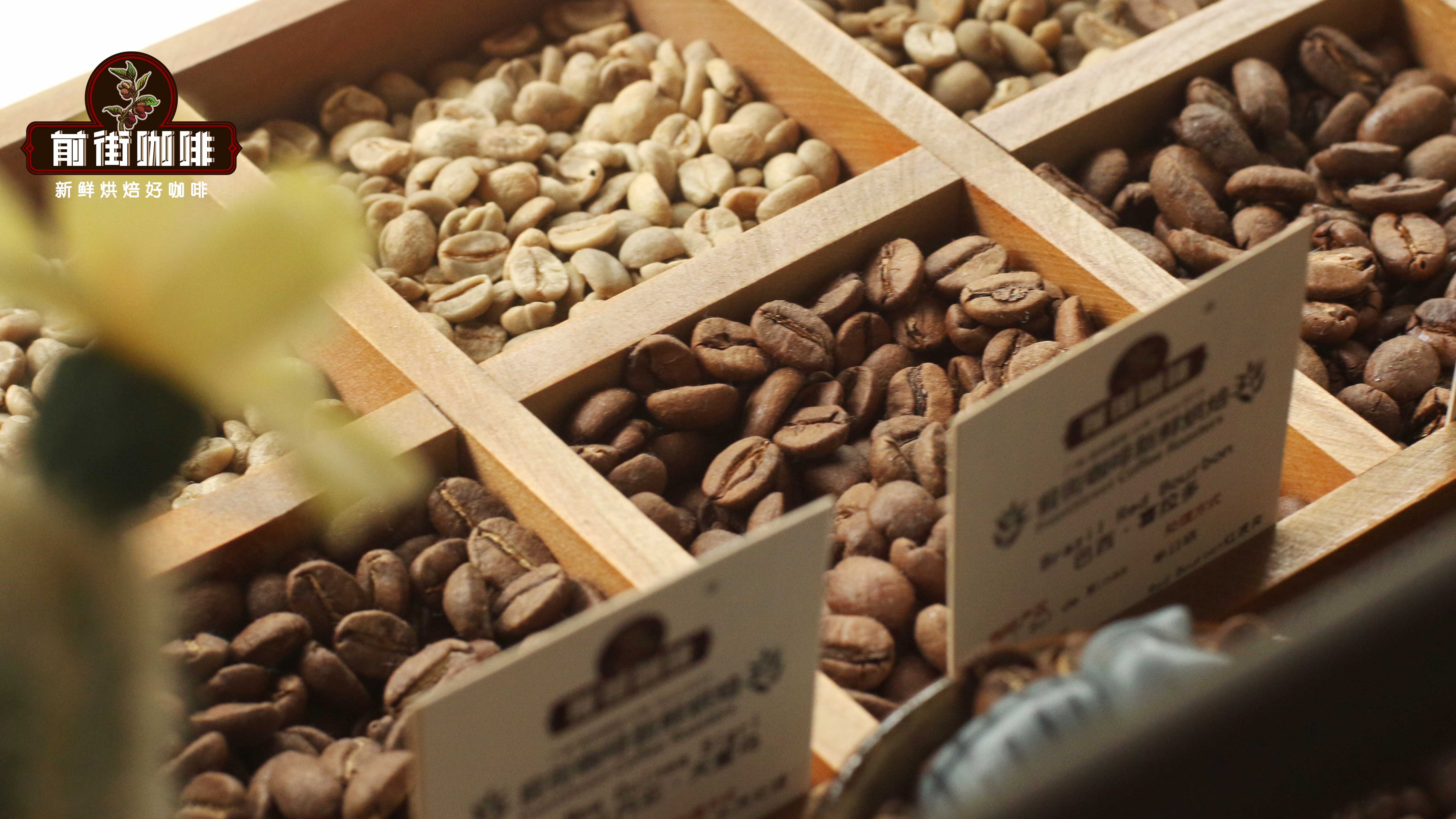
Brazilian Specialty Coffee Flavor Guide: Queen Farm Yellow Bourbon Caramel Sweetness and Full Pour-Over Parameter Analysis
Brazil, as the world's largest coffee producer, has a specialty coffee quality that is equally noteworthy. Front Street Coffee believes that the Yellow Bourbon variety produced by Queen's Farm best represents the flavor of the Brazilian region. This farm belongs to the Carvalho Dias family, which has repeatedly won COE awards, and through high-altitude cultivation, fully manual harvesting, and semi-dry processing, it presents a unique flavor interwoven with nuts, cream, peanuts, fermented fruit, and cane sugar. This article will systematically review Queen's Farm's origin background, variety characteristics, and processing method principles, and include Front Street Coffee's roasting and pour-over extraction parameters, taking you through a comprehensive understanding of the appeal of this high-end Brazilian coffee bean. [more…]
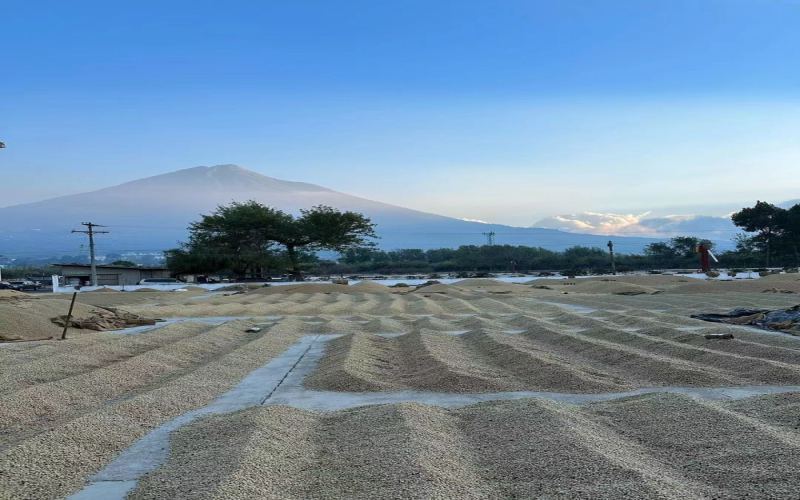
A Complete Analysis of Costa Rican Honey-Processed Coffee Bean Flavors and Processing Methods: From Semi-Washed to Yellow, Red, and Black Honey
The honey processing method originated in Costa Rica and represents an improvement and refinement of Brazil's pulped natural process. After removing the skin and pulp, it retains varying proportions of mucilage for sun-drying. Depending on the amount of mucilage retained and the duration of sunlight exposure, it is further classified into three grades—yellow honey, red honey, and black honey—with flavors ranging from balanced and sweet to intense and rich. This article systematically reviews the operational procedures, flavor characteristics, and grading logic of pulped natural and honey processing, and offers brewing recommendations for two representative beans from Front Street Coffee—the Brazil Red Bourbon and the Costa Rica Geisha—to help coffee enthusiasts gain a deeper understanding of the intricacies of this processing method. [more…]
Analysis of Flavor Differences Between Semi-Washed and Honey-Processed Coffee: Processing Methods, Taste Characteristics, and Brewing Suggestions for Front Street Coffee Beans
Semi-washed and honey processing both belong to the category of methods where the fruit skin is removed and the beans are dried directly, yet they present截然不同的 flavor directions due to differences in how much pectin is retained and the drying conditions. Semi-washed originated in Brazil; it is simple to operate and suitable for large-scale production, with a flavor profile leaning toward nuts, chocolate, and caramel; honey processing began in Costa Rica and, depending on the proportion of pectin retained, is classified into yellow, red, and black grades, with sweetness and aroma being more prominent. This article will systematically sort out the process steps, flavor characteristics, and grading logic of the two, and, combined with Front Street Coffee's Brazil Red Bourbon and Costa Rica Honey Process Geisha, provide specific brewing parameters and technique suggestions to help coffee enthusiasts understand the differences and apply them to daily brewing. [more…]
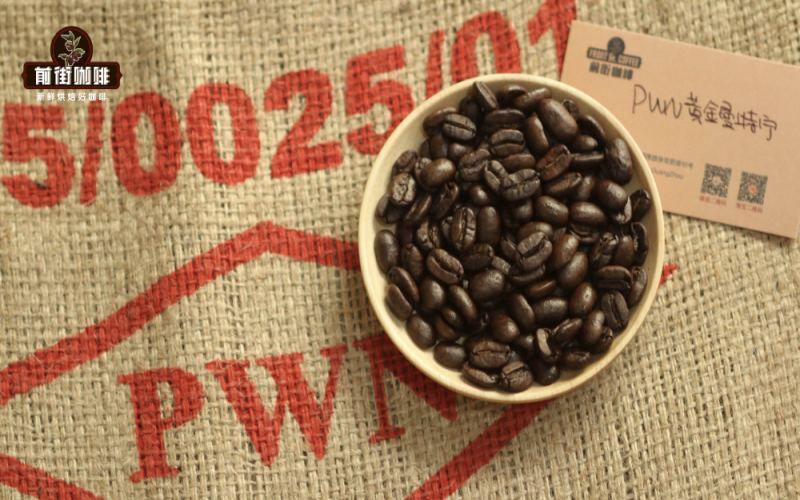
How Does Wet-Hulling Differ from Washed Processing? Where Does the Unique Flavor of Mandheling Coffee Come From?
The signature herbal, medicinal aroma and full-bodied mouthfeel of Indonesian Mandheling coffee are inseparable from its unique wet-hulling processing method. Why did wet-hulling become the choice of the Indonesian producing regions? What exactly are the differences between it and the washed method and semi-dry (pulped natural) method in terms of process flow and flavor presentation? Drawing on Front Street Coffee's years of experience in listing Mandheling, this article sorts out the specific operational steps of wet-hulling, its flavor characteristics, and the causes of common defects, while comparing the processing logic of the washed method and Brazil's semi-dry method, to help readers understand how processing methods shape the final appearance of a cup of coffee. At the end of the article, Front Street's recommended Mandheling bean selection suggestions and pour-over extraction parameters are also included, for coffee lovers at different stages to refer to. [more…]
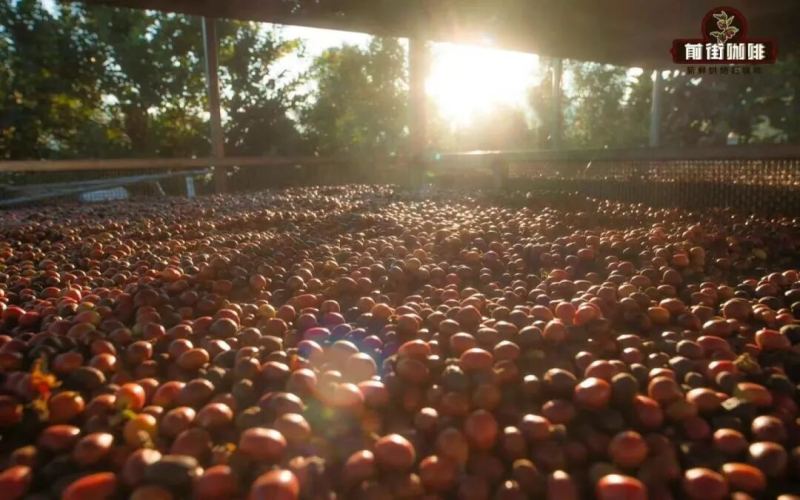
Coffee Processing Methods | What is the difference between semi-washed, natural, washed, and honey processing? What flavor and mouthfeel characteristics do different processing methods give coffee?
The natural process, as the name suggests, is to spread the harvested coffee cherries flat on the ground (on dedicated drying nets or patios) and use direct sunlight (for about 2-3 weeks) to remove moisture from the coffee fruit until the moisture content reaches the target level, after which machines are used to remove the dried husk to obtain the green coffee beans we want. Natural process [more…]
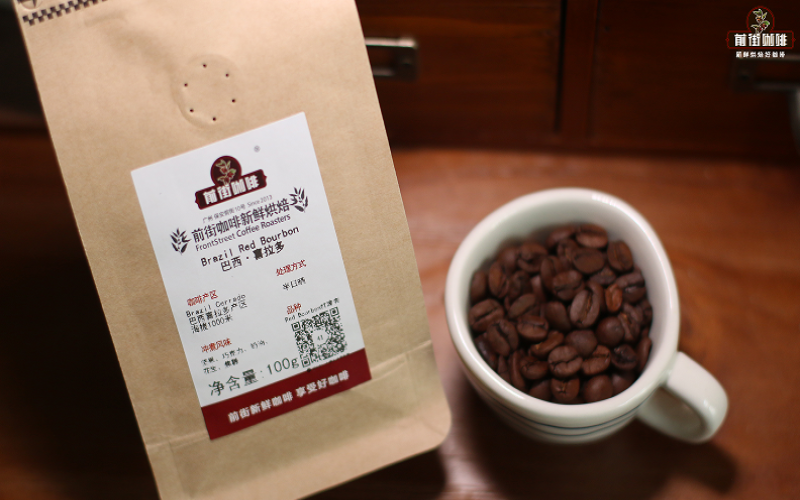
Drip Bag Varieties | What is the brewing method for Brazilian Red Bourbon drip bag coffee? What are the key points for brewing filter-style drip bag coffee packs? Drip bag coffee brand recommendations
Nowadays, more and more people have developed the habit of drinking coffee every day. But for those who don't work at a coffee shop, how can they enjoy coffee anytime? That's when the baristas at Front Street Coffee (FrontStreet Coffee) brought out drip coffee bags! Today, Front Street is here to share Front Street Coffee (F [more…]
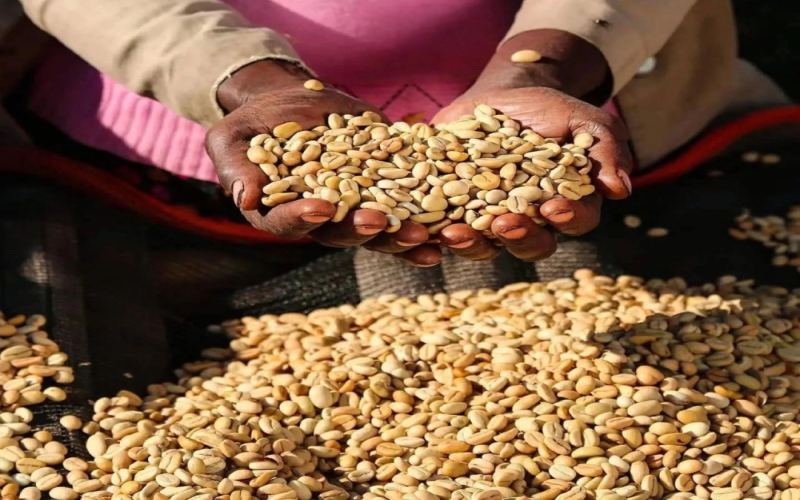
How Does the Semi-Washed Method Differ from the Natural, Washed, and Honey Methods? An Analysis of the Flavor and Mouthfeel Characteristics of Semi-Washed Coffee
The processing method of green coffee beans directly determines the final flavor expression in the cup. Natural, washed, honey, and semi-dry processes each have their own unique craft logic and flavor direction. This article systematically sorts out the core differences among the three major categories of processing methods, provides an in-depth analysis of the origins, key operational points, and flavor characteristics of the semi-dry method (including pulped natural and honey processing), and, combined with Front Street Coffee's cupping experience, helps coffee enthusiasts understand the impact of different processing methods on coffee taste, offering a reference for daily bean selection and tasting. [more…]
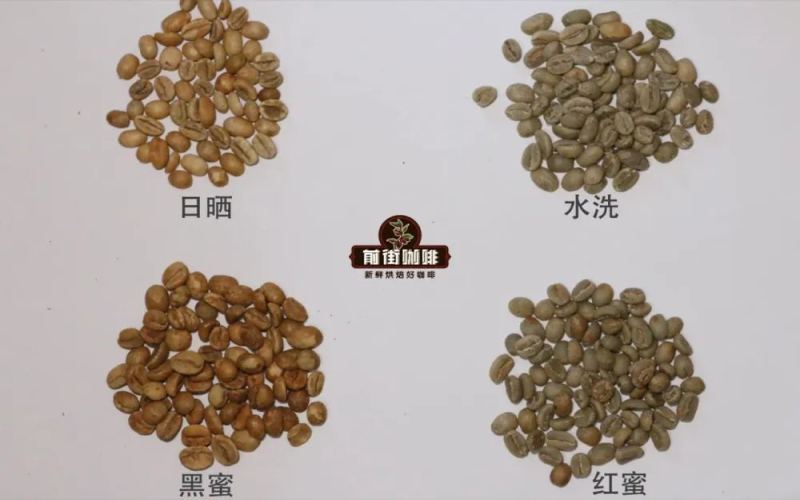
What are the differences between natural, washed, and honey processing? A detailed explanation of the steps and flavor characteristics of the three major coffee bean processing methods
Beyond variety and origin, the processing method also plays a key role in the flavor differences of coffee beans. The mainstream coffee processing methods today can be broadly divided into three major categories: natural processing (dry method), washed processing (wet method), and honey processing (semi-dry method). Different processing procedures give coffee beans distinctly different aromas, acidity, and sweetness. In the following text, Front Street Coffee will explain one by one the specific steps of these three processing methods, their respective characteristics, and the flavor performance found after cupping, to help coffee enthusiasts more systematically understand the impact of processing methods on coffee flavor. [more…]
Indonesian PWN Golden Mandheling Coffee Beans Analysis: Wet-Hulled Flavor Profile and Moka Pot SOE Brewing Guide
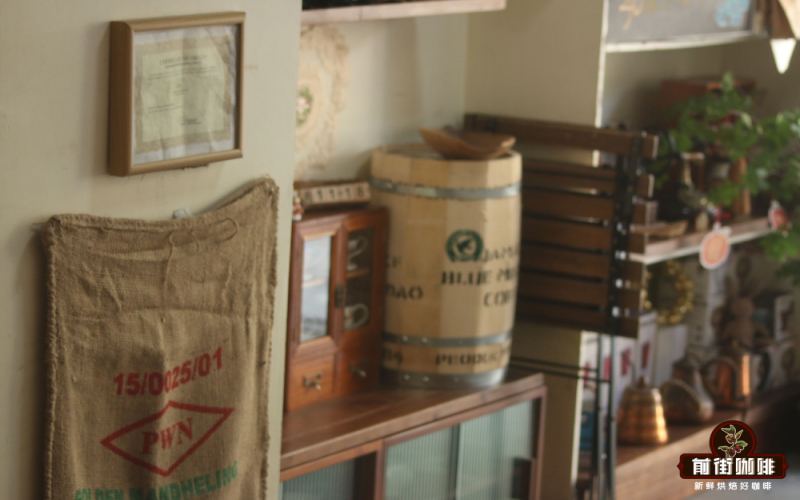
Sumatra Mandheling coffee presents a striking polarization among coffee enthusiasts due to its unique flavor. The formation of this distinctive flavor is closely tied to the local wet-hulling process—removing the parchment while the beans are still semi-dry and semi-wet increases the risk of damage to the green beans, yet unexpectedly imparts a jungle character of herbs, spices, and wood to the coffee. This article will provide an in-depth analysis of the specific steps of the wet-hulling method and recommend two products: Front Street Indonesian Mandheling and Front Street PWN Golden Mandheling. The latter, graded G1 and triple hand-sorted, stands out with even greater cleanliness and sweetness. Both coffees are medium-dark roasted and are suitable not only for pour-over but also for making moka pot coffee and SOE. Detailed moka pot brewing steps will be included in the article. [more…]
A Complete Guide to Indonesia's Wet-Hulled Process: From Mandheling Flavor Profiles to Roasting and Brewing in Practice
Wet Hulling is a green coffee processing method unique to Indonesian origins. In the local language it is called Giling Basah, and it is often regarded as a semi-washed method. It arose from Indonesia's humid, rainy environment, where sun-drying was difficult to sustain—coffee beans have their parchment removed early while still semi-dry, which not only creates the iconic "goat hoof" bean appearance but also gives rise to the distinctive flavor of Mandheling: low acidity, thick body, and a deep, muted aroma. In this article, Front Street Coffee will sort out the core differences between wet hulling and the washed method, break down the complete steps of depulping, soaking, two-stage drying, and wet-hull demucilaging, and, using PWN Golden Mandheling as an example, share a roasting curve and KONO dripper brewing parameters to give you a comprehensive understanding of the unique charm of Indonesian coffee. [more…]
A Complete Guide to the Three Major Coffee Bean Processing Methods: Production Processes and Flavor Differences of Natural, Washed, and Honey Processing
The flavor profile of a cup of coffee is determined not only by variety and roasting, but also decisively by how the green beans are processed. The coffee industry currently groups processing methods into three major categories: natural processing (dry method), washed processing (wet method), and honey processing (semi-dry method). The natural method lets whole coffee cherries dehydrate and dry directly in the sun, giving the beans rich, complex fruity aromas and fermented sweetness; the washed method removes the skin and pulp and involves tank fermentation, producing a clean, bright profile with pronounced acidity; honey processing falls between the two, deliberately retaining some mucilage during drying, creating a distinctive fermented aroma and sweetness. Front Street Coffee will walk through the specific steps, key control points, and flavor outcomes of these three processing methods one by one, helping coffee lovers build a clear framework for understanding processing methods and find the cup that best suits their taste. [more…]
Brazilian Coffee Brand Recommendations and Detailed Guide to the Four Major Producing Regions: A Flavor Journey from Minas Gerais to São Paulo
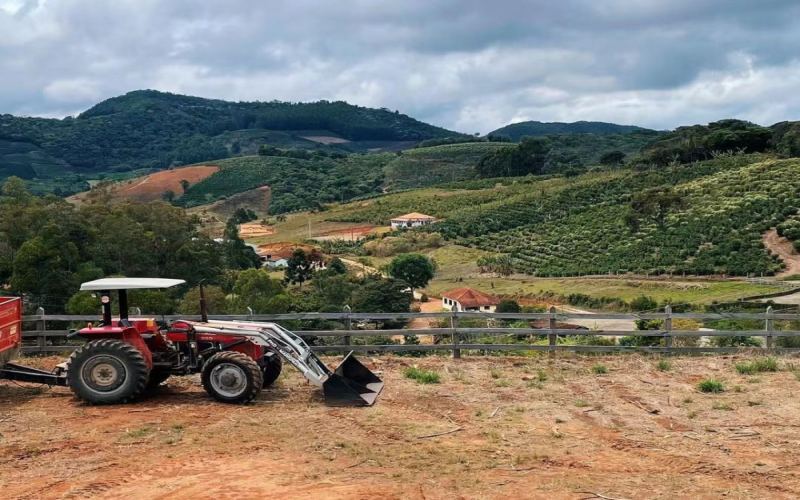
As the world's largest coffee producer, Brazil's coffee beans are ubiquitous in specialty coffee shops and espresso blend recipes. From the perspective of Front Street, this article traces the origins of Brazilian coffee cultivation, the distribution of its main producing regions, green bean processing methods, and grading systems, while offering an in-depth analysis of the brewing approach and flavor profile of Front Street Queen Estate coffee. Whether you want to know which Brazilian coffee brand is worth trying, or want to understand the differences between regions such as Cerrado and Mogiana, this article provides a systematic and practical reference. [more…]

Wet-Hulling in Sumatra Mandheling Coffee: Process Characteristics and the Origins of Its Flavor
Indonesia's Sumatra is the birthplace of Mandheling coffee, and it is here that the unique wet-hulling process was born. Faced with a year-round climate of high humidity and frequent rain, local coffee farmers developed a method of forcibly stripping off the parchment layer while the green beans are still semi-dry. Although this increases the defect rate, it endows Mandheling with a rich regional flavor of herbs, wood, and spices. This article will provide a complete overview of the seven steps of the wet-hulling process, why it became an inevitable choice for Indonesia, and how PWN uses strict sorting to create the clean and bright Front Street Golden Mandheling. In addition, Front Street Coffee's baristas will share the pour-over parameters and three-stage pouring technique for medium-dark roasted Mandheling. [more…]
Exploring Sumatra Mandheling Coffee: Wet-Hulled Processing and a Flavor Comparison of Lintong and Golden Mandheling
Sumatra Mandheling coffee, with its distinctive spicy and herbal flavors and a faint earthy aroma, has won a large following of loyal fans in the coffee world, while also deterring quite a few people. Behind this striking character is the wet-hulling process unique to Sumatra, Indonesia. This article will walk you through the wet-hulling process, how it shapes Mandheling's unique taste, and introduce two representative products from Front Street Coffee (FrontStreet Coffee)—Lintong Mandheling and PWN Golden Mandheling—presenting everything from origin information and grade standards to brewing parameters, helping coffee lovers gain a comprehensive understanding of this classic coffee. [more…]

Complete Guide to Espresso Extraction: Blend Selection, Parameter Settings, and Key Operational Points Explained
To make a well-balanced espresso at home, having the right equipment alone is not enough—choosing the right coffee beans and mastering extraction details are equally crucial. This article starts with several espresso blends available at Front Street Coffee, introducing each one's flavor profile and target audience, while also providing a complete workflow from grinding and dosing, to distribution and tamping, to locking in the portafilter and extracting. It also explains how to adjust variables such as dose, ratio, and time, helping those new to espresso establish a stable and reproducible extraction method. [more…]