







How does honey coffee processing change the flavor of beans?
Honey processing is a coffee processing method that sits between natural and washed processing. The cherry skin and pulp are removed, but the sticky mucilage stays on the bean, which is then dried in the sun instead of being fermented in tanks and rinsed. Because the mucilage resembles honey, the method takes its name from that gel-like layer.
The coffee process includes grades like black, red, yellow, and white honey, plus raisin honey, sorted by how much mucilage remains during drying. Beans are dried to 10.5 to 12 percent moisture, then hulled and polished before export. It uses far less water than washed processing, which is why the method is also called semi-washed or pulped natural.
Honey processing is a coffee processing method that falls between natural and washed processing, named for the sticky, honey-like mucilage covering the beans. Starting from semi-dry processing, this article walks through the complete honey processing workflow and its classifications, including black honey, red honey, yellow honey, white honey, and the innovative raisin honey process. It also introduces Front Street Brazil Cerrado, Front Street Blackberry, Front Street Strawberry Candy · Geisha Blend, Front Street Mozart, and other coffees that use related processing methods, helping pour-over enthusiasts understand the flavor differences brought by different honey processes and how to choose beans.
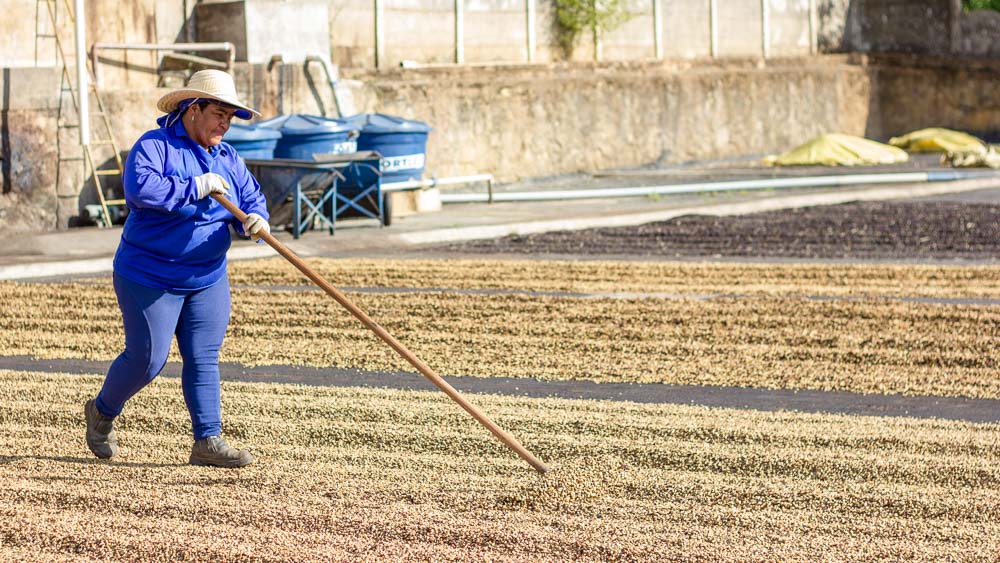
Semi-dry processing sits between natural and washed processing and can be further divided into two categories: pulped natural and honey processing. These two methods are quite similar in operation, both first removing the skin of the coffee cherry like washed processing does, but skipping the "tank fermentation and clean water rinsing" steps of the washed method, instead spreading the beans directly in the sun to dry. Though the difference seems minor, one key distinction leads to completely different flavors in the final cup, making each worth discussing separately.
Semi-dry processing steps 1. First, pour the coffee cherries into a large water tank, remove the floating fruit, then send the sunken fruit into a pulping machine to remove the pulp. This not only more effectively eliminates unripe fruit, but more importantly ensures the coffee beans are no longer covered in pulp when sun-dried, leaving only a layer of mucilage, making the subsequent fermentation process easier to control.
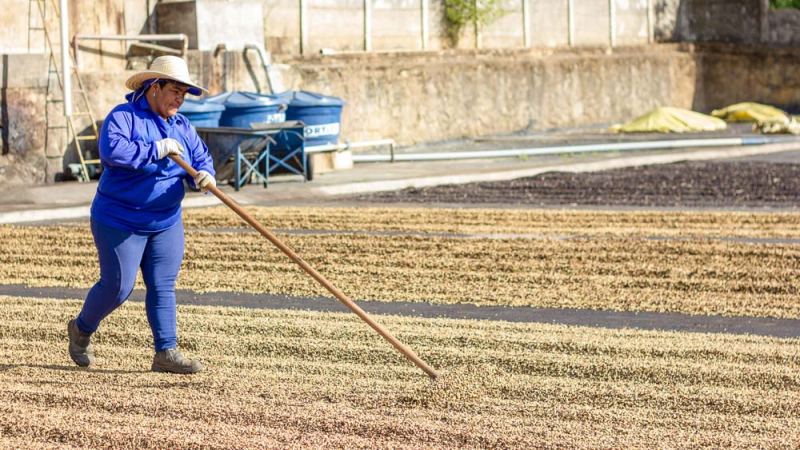
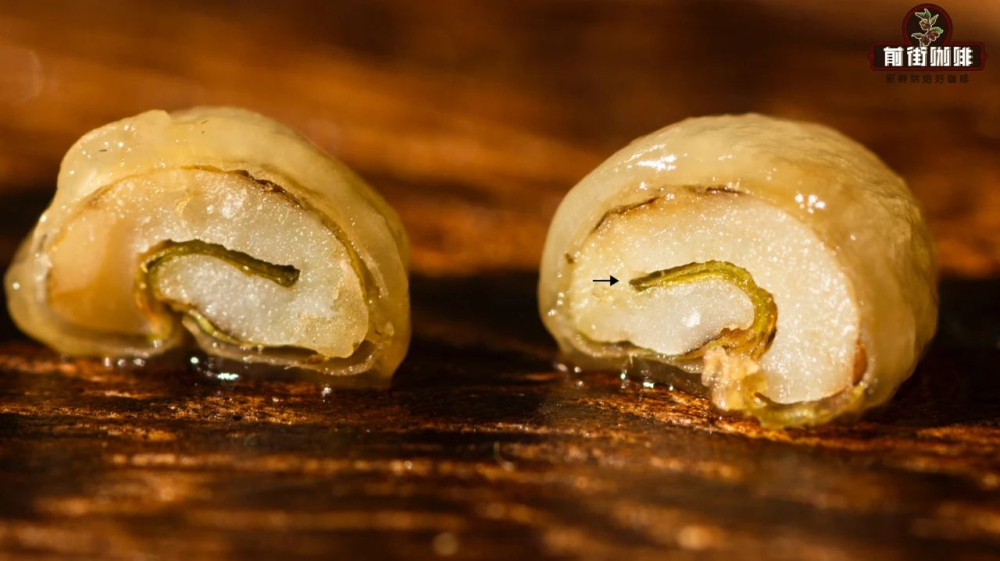
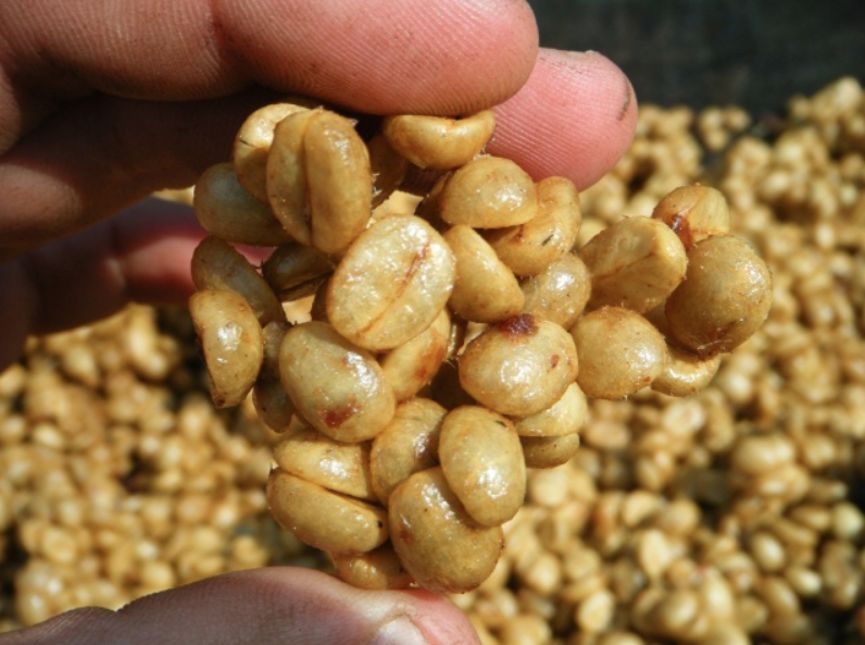
2. After the skin and pulp are removed from the fruit, the yellow mucilage becomes visible. The mucilage-covered coffee fruit is then sun-dried (after the pulp is removed, the coffee beans have a sticky, gel-like layer on the surface, known as mucilage).
3. After drying until the beans' moisture content drops to 10.5%-12%, hulling is carried out.
4. Finally, before the beans are bagged for export, they also go through a polishing process.
This processing method uses far less water than the washed method, and while some practices resemble washed processing (removing skin and pulp), others are closer to natural processing (no tank fermentation), so it is also called the semi-washed method.
This semi-dry processing method originated in Brazil. Front Street Brazil Cerrado is processed using the semi-dry method, carrying distinct creamy nut and chocolate flavors.
Front Street Brazil Cerrado Red Bourbon
Region: Brazil, South Minas region Altitude: 1000m Variety: Red Bourbon Processing: Semi-dry Flavor: Nuts, chocolate, cream, peanut, caramel
In fact, honey processing originated from semi-dry processing and was improved upon it. The method involves removing the skin and part of the mucilage from hand-picked ripe cherries, then spreading the sticky, parchment-covered beans on African raised drying beds with excellent drying performance, turning them every few hours to ensure even drying. Because the mucilage contains sugar and the surface is sticky, it easily reminds people of sweet honey, hence the name honey processing.
Whether dried on patios or raised beds, honey processing requires regular turning to ensure even drying. The overall flavor highlights the sweet aroma of mucilage and fruity notes, approaching the aromas of mango, longan, honey, and hazelnut, with a full body but relatively low, gentle acidity. Depending on the thickness of mucilage removed, the length of sun-drying time (or thickness of the drying layer), and the frequency of turning during drying, honey processing can be further subdivided into black honey, red honey, yellow honey, and white honey.
Based on the thickness of mucilage removed, coffee sugar content, and fermentation state:
Black honey: Almost no mucilage is removed, so drying takes the longest, requiring more than 14 days. To prevent overly rapid drying, covers are used to block excessive sunlight, allowing sugars to convert more fully and giving the finished coffee richer fruity flavors. Black honey processed coffee tends to have wild flavors, expressing intense sweetness and full body, sometimes with a red-wine-like mouthfeel. You can try Front Street Blackberry coffee beans, which use black honey processing and offer rich floral notes, dark berries, ripe grapes, and liqueur chocolate flavors.
Red honey: 25% of mucilage removed (specific practices vary by estate), sun-drying lasts about 12 days, shading may also be used, and the coffee is turned several times daily, not as frequently as yellow honey. Red honey processing sits between washed and natural processes, and red honey is also the most common honey processing method.
Yellow honey: 40% of mucilage removed, receives the most sunlight during drying, lasts about 8 days, coffee is placed on raised beds and turned once per hour
White honey: 40-60% of mucilage retained, shortest fermentation time, the processing method closest to washed processing
Honey processing involves removing the coffee's outer layer first, then fermenting and drying, while raisin honey processing is an innovative honey processing method that breaks away from traditional honey processing. With raisin honey processing, the coffee cherries are dried on raised beds for at least three days before the skin and pulp are removed, allowing the fruit to dehydrate and shrivel into a "raisin" state, after which the skin and pulp are removed and the remaining honey processing steps continue.
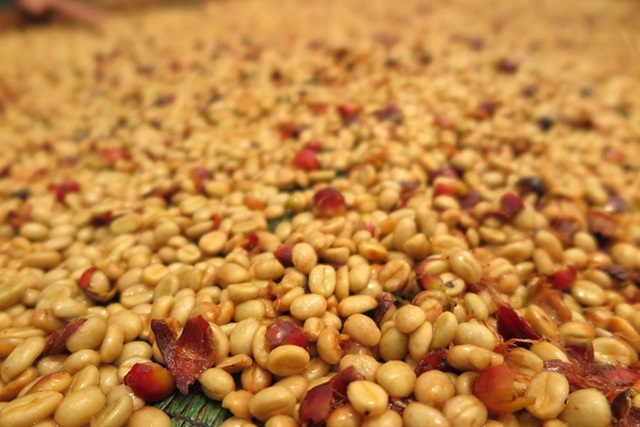
The raisin honey processing method is characterized by "retaining 100% mucilage" and "zero water processing," which also increases the difficulty of the raisin honey processing method. According to Front Street's research and analysis, this requires strict timing control and is even more difficult than black honey processing. The initial drying stage allows the aromatic flavors of the pulp to penetrate into the green beans under the warming sun, so coffee using raisin honey processing not only has rich floral and fruity sweetness but also a clear sweet-and-sour flavor profile.
There are not many coffee beans that use raisin honey processing. Front Street Strawberry Candy · Geisha Blend and Front Street Mozart are two of them, both carrying clear floral notes and sweet fruity flavors.
The above content is compiled by CoffeeHunters, a coffee news website.


