







How Does Wet Hulling Shape Golden Mandheling Coffee?
Sumatra Mandheling coffee is known for spicy, herbal flavors with a faint earthy note, and the wet-hulling process unique to Sumatra, Indonesia, is what creates that signature profile. The method also explains why drinkers tend to either love or dislike the cup. Representative lots include Lintong Mandheling and PWN Golden Mandheling from the Aceh region.
Sumatra's high humidity, abundant rainfall and volcanic soils near Lake Toba support Arabica cultivation, and the harvest runs from May to September. Coffee reached Indonesia around 1600 through Dutch colonists, and early exports shipped via Jakarta on Java, which is why the word JAVA appeared on packaging. Wet hulling removes parchment while beans are still semi-dry.
Sumatra Mandheling coffee, with its distinctive spicy, herbal flavors and a faint earthy note, has won a large and loyal following in the coffee world—while also putting off plenty of people. Behind this bold personality is the wet-hulling method unique to Sumatra, Indonesia. This article will walk you through the wet-hulling process, how it shapes Mandheling's distinctive taste, and introduce two representative products from FrontStreet Coffee—Lintong Mandheling and PWN Golden Mandheling—covering everything from origin information and grade standards to brewing parameters, helping coffee lovers gain a comprehensive understanding of this classic coffee.
In the coffee world, Sumatra Mandheling's supporters and detractors are split almost evenly. Some are utterly obsessed with it, while others simply can't stand it. The distinctive spicy and herbal notes in Mandheling coffee, plus a subtle earthy taste, form a highly recognizable flavor signature. The key to shaping this style is a coffee processing method that also bears the Sumatra imprint—wet hulling.
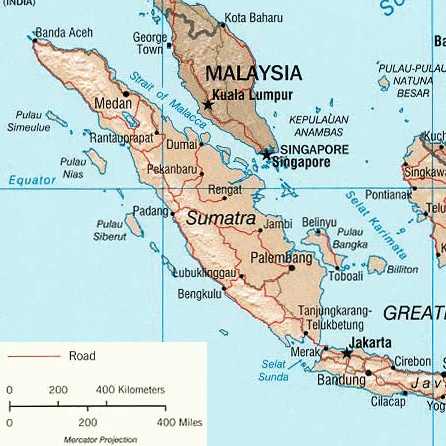
Sumatra is located in Southeast Asia and is the second-largest island in Indonesia, ranking sixth in the world by island area. The island's climate conditions are highly suitable for Arabica coffee cultivation, supplying a large amount of quality beans to the global coffee market.
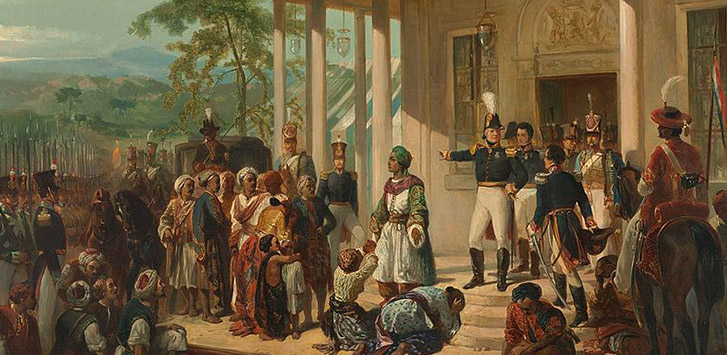
Indonesia's coffee-growing history dates back to 1600, when Dutch colonists introduced coffee to this land for cultivation. Sumatra's coffee-growing areas are mostly concentrated around Lake Toba, and it wasn't until 1884 that local coffee production showed significant growth. Not long after, Indonesia ranked among the world's top coffee-producing countries. Early Indonesian coffee was mostly exported through the port of Jakarta on Java, so coffee bean packaging often bore the word "JAVA." Combined with Indonesia's outstanding coffee quality and pleasant flavors, Java coffee became famous in the international market.
Sumatra has high humidity, abundant rainfall, and proximity to volcanic areas—natural conditions that provide a uniquely favorable environment for coffee cultivation. Due to the climate, Sumatra's coffee harvest season is longer than in most producing countries, with the harvest running from May to September each year.
Because the local rainy season is long and sunshine hours are insufficient, the requirements for the natural (dry) process cannot be met; and the washed process requires significant capital investment, which local economic conditions cannot support. Against this backdrop, a semi-washed processing method with strong regional characteristics—wet hulling—emerged.
After coffee farmers pick the coffee cherries, they first remove the skin and pulp, keeping the mucilage-covered parchment beans, which are left to ferment overnight. The next day, clean water is poured over the parchment beans and stirred to wash off the outer mucilage, then the parchment beans are spread out evenly to dry until they reach a semi-dry, semi-wet state.
In this semi-dry, semi-wet state, the parchment beans are collected and sold to a green coffee processing station. Upon receiving the beans, the station immediately removes the parchment layer, then dries them again. When the green coffee beans' moisture content drops to around 13%, they are stored in warehouses, awaiting export.
What makes this processing method most unusual is that the parchment layer is stripped off while the coffee beans are not yet fully dried and still in a semi-dry, semi-wet state, leaving the green coffee beans directly exposed. Normally, the parchment layer is regarded as a protective layer for green coffee beans and is not removed before export, to prevent the green beans from coming into contact with foreign matter and picking up undesirable odors.
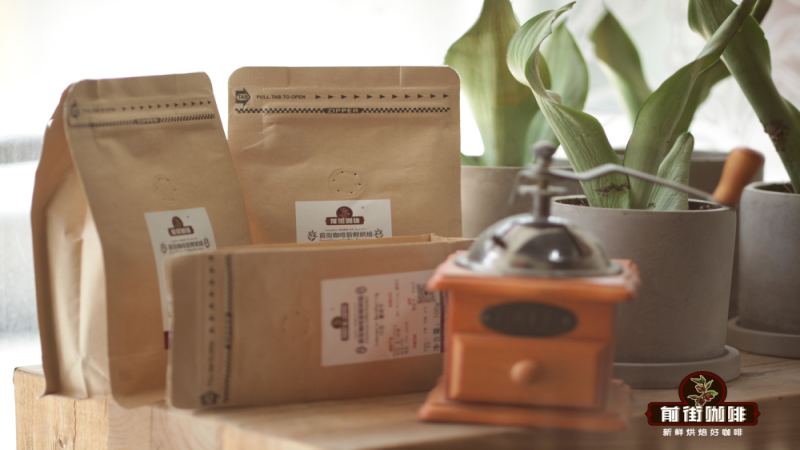
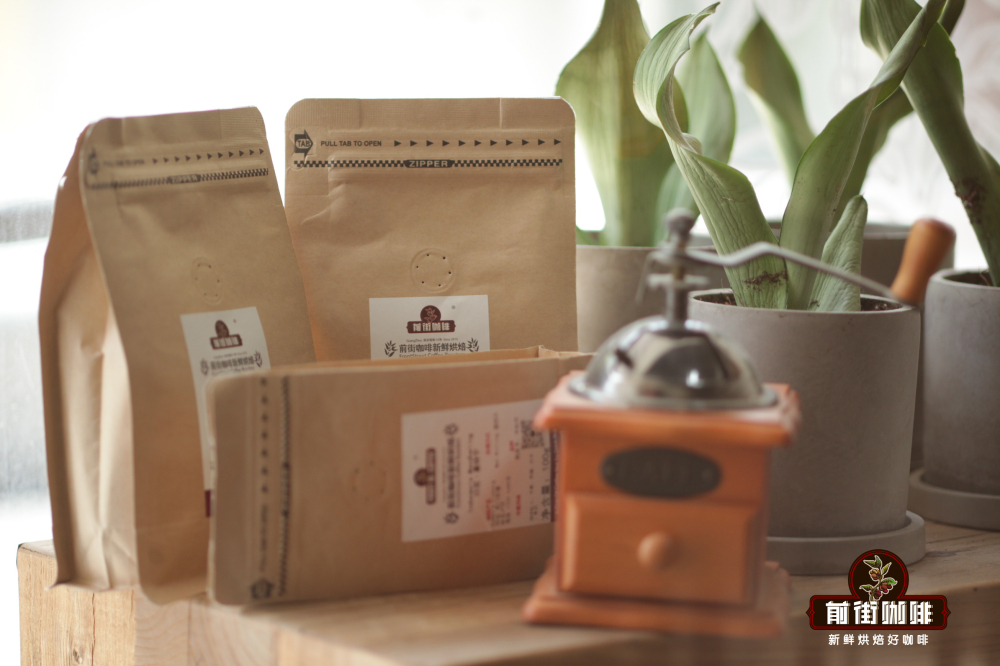
Among FrontStreet Coffee's everyday beans series, there is a Mandheling coffee from the Lintong region of Sumatra. The FrontStreet everyday beans series covers beans from multiple iconic producing regions, most of which use the washed process to showcase the region's most fundamental flavor characteristics. Yet Mandheling coffee's unique flavor is inseparable from wet hulling—one could say Mandheling and wet hulling bring out the best in each other. Precisely because of this, Mandheling coffee stands out from the crowd. The Mandheling coffee in the FrontStreet everyday beans series also uses the wet-hulling process.
FrontStreet Coffee Indonesia Lintong Mandheling
Region: Lintong, Sumatra, Indonesia
Altitude: 1,100 meters
Variety: Typica, Caturra
Processing method: Wet hulling
In addition, FrontStreet Coffee's bean list also includes a Golden Mandheling. FrontStreet's Golden Mandheling coffee comes from Indonesia's PWN company. PWN registered "Golden Mandheling" as a trademark many years ago, while another Japanese green bean trader registered the trademark "Dingshang Golden Mandheling." In other words, only Golden Mandheling coffee beans produced by Indonesia's PWN company qualify as true Golden Mandheling in the strictest sense.
FrontStreet Coffee FrontStreet PWN Golden Mandheling
Region: Gayo Mountain, Aceh, Sumatra, Indonesia
Altitude: 1,100–1,600 meters
Variety: Ateng
Grade: G1, triple hand-sorted
Processing method: Wet hulling
PWN enforces extremely strict standards in the production management of Golden Mandheling. FrontStreet's Golden Mandheling green beans are of the highest G1 grade, meaning the green bean screen size is 18 mesh or above, and there are no more than 3 defective beans per 300-gram sample. In addition to machine sorting, PWN also triple hand-sorts this batch of Golden Mandheling to ensure defective beans are thoroughly removed, thereby enhancing the coffee's cleanliness and sweetness.
Because the processing is so meticulous, PWN's actual output is not high, and a considerable portion of Golden Mandheling on the market does not come from PWN. If consumers have doubts about the Golden Mandheling coffee beans they buy online or offline and aren't sure whether they come from PWN, they can ask the seller to show the Golden Mandheling green bean burlap sacks and certificates bearing the PWN logo, to verify whether it is what is commonly called FrontStreet PWN Golden Mandheling.
After FrontStreet Coffee's roasters received these two Mandheling coffees, they chose a medium-dark roast to fully bring out the rich, full-bodied taste Mandheling should have. For brewing, FrontStreet recommends a water temperature of 88°C, a KONO dripper, and a coarser grind size.
Dripper: KONO dripper
Water temperature: 88°C
Dose: 15 grams
Coffee-to-water ratio: 1:15
Grind size: 70% passing through a Chinese standard No. 20 sieve
First pour 30 grams of water to completely wet the coffee grounds and bloom for 30 seconds. Then pour from the center with a slow, thin stream, circling slowly until 125 grams, at which point pause; when the coffee bed is about to be exposed, continue gently circling and pouring until 225 grams. After the water in the dripper has fully dripped through into the server below, remove the dripper. Total extraction time is about 2 minutes.
[Lintong Mandheling] On the palate, distinct herbal notes come through immediately; as the temperature drops slightly, melon aromas emerge, accompanied by a dark chocolate finish and caramel sweetness.
[Golden Mandheling] Rich nutty flavors; as the temperature drops, deep woody, spicy, and herbal notes gradually appear, with a chocolate finish interwoven with caramel sweetness, yielding a clean yet full-bodied mouthfeel.
For more coffee bean information, please follow Coffee Workshop (WeChat public account: cafe_style) For professional coffee knowledge exchange, please add WeChat: kaixinguoguo0925
The above content is compiled by CoffeeHunters, a coffee news website.


