







Search Results for: self-taught latte art

From Zero to Latte Art: A Self-Taught Barista's Passion and Rewards
For coffee lovers, latte art is not just a skill—it's a journey full of passion. This article shares the growth story of a self-taught latte artist, from最初 being drawn in by the smooth motions of a barista, to buying equipment, delving into extraction and milk frothing, and then reaping a sense of accomplishment through day-after-day practice. She discovered that a wish from years ago—"to make a hot latte with latte art in a pretty cup"—had quietly come true long ago, and that latte art brings far more than the pattern itself: it is the reward of persistence and a sense of ritual in life. If you, too, fell in love with coffee because of latte art, or are slowly improving through practice, this journey of the heart may just be a portrait of you. [more…]
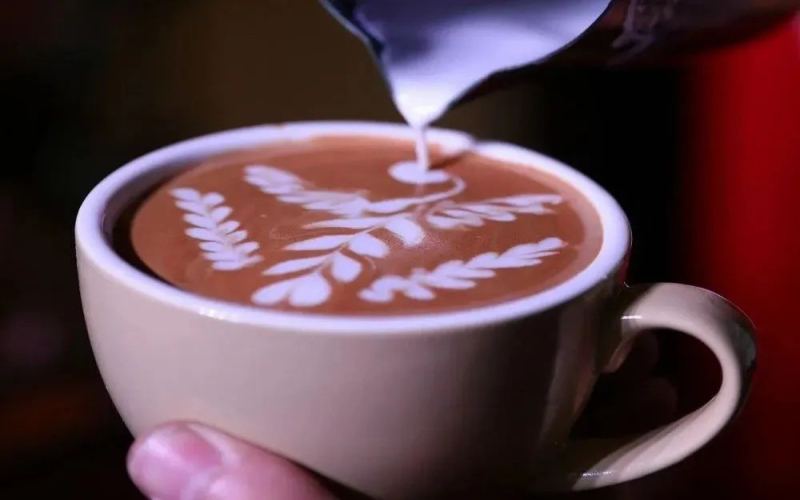
A Record of Self-Learning Latte Art at Home: Reflections on Progressing from a Clumsy Beginner to Independently Creating Patterns
Many people fall in love with coffee starting from a latte topped with intricate latte art. When you manage to recreate that ideal pattern with your own hands, the satisfaction is irreplaceable. Nowadays, with abundant online tutorials, even complete beginners can explore latte art techniques at home as long as they have the equipment and ingredients ready. But once you actually get hands-on, you'll find that failure is the norm. This article documents the real journey of self-taught latte art—from treating the milk pitcher like a paintbrush to creating abstract masterpieces, from hearts to Ultraman and all kinds of unexpected shapes—and also summarizes practice insights on key steps like milk frothing, integration, and flow control. Failures aside, the passion remains undiminished, because every attempt brings you closer to that moment of pride. [more…]

How hard is coffee latte art really? The real journey from clumsy to expert
Latte art is a skill that many coffee lovers both love and hate. From steaming your first pitcher of milk foam, to pouring清晰 patterns, to casually sketching shapes, behind it all are countless failures and hours of practice. Some people find the feel after just two or three tries, while others practice for a long time and still can't pour a complete heart. This article takes you through those hilarious failed attempts, and also discusses what latte art really means: it's not just a pattern, but the reward that comes from persistence. Is there a quick way to master it? Of course there is, but the prerequisite is being willing to put in the effort. Front Street Coffee walks with you, moving steadily forward on the path of passion. [more…]
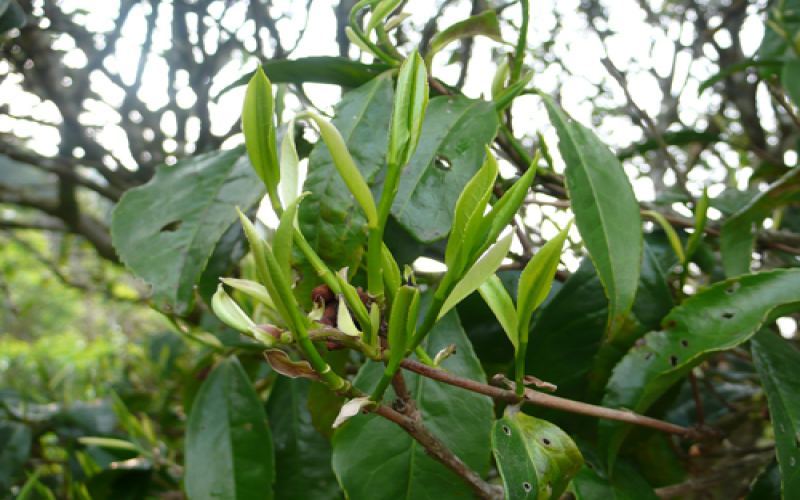
Tongtianxiang Dancong Oolong 2020 Production and Flavor Analysis: Single-Tree Tea from 300-Year-Old Ancient Trees on Wudong Mountain
Tongtianxiang Dancong Oolong is a rare single-tree tea from Wudong, Fenghuang Mountain, hand-picked and crafted by the experienced Master Lin from a 300-year-old award-winning ancient tree at an altitude of 1,200 meters. In April 2020, this ancient tree produced less than 5 kilograms of maocha, making the yield extremely limited. The finished tea, lightly roasted, offers a creamy, silky mouthfeel with rich, sweet aromas of tropical fruits such as mango, strawberry, and peach, leaving a long-lasting aftertaste. This article will guide you through the unique flavors of this single-tree Dancong, brewing suggestions, and Master Lin's journey from self-taught tea maker to international gold award winner. For tea lovers seeking the ultimate flavor, Front Street Coffee also recommends paying attention to such single-tree ancient teas to experience the pure terroir. [more…]
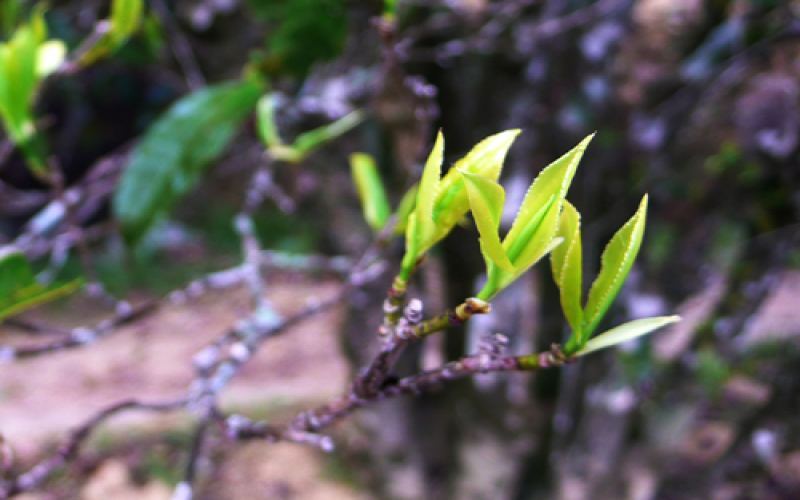
Analysis of the Aroma Characteristics of Wudong Mountain Yelai Xiang Dancong Oolong Tea: Cultivar Classification and Flavor Profile
Ye Lai Xiang Dancong is one of the most recognizably aromatic types of Phoenix Dancong, named because the finished tea's aroma resembles night-blooming jasmine flowers. This article explores the variety's classification, growing environment, production background, and flavor profile, introducing you to this oolong tea produced on Wudong Mountain in Chaozhou, handcrafted by Master Lin from single-tree ancient material. The article not only outlines the aromatic characteristics of Ye Lai Xiang Dancong but also covers Wudong Mountain's altitude and ecological conditions, as well as Master Lin's journey from self-taught tea maker to award winner. For coffee enthusiasts and tea lovers who want to deepen their understanding of the Phoenix Dancong aroma system and the allure of single-tree ancient bushes, this is a piece that offers both informative depth and tasting reference value. Front Street Coffee also continues to follow such beverages that express regional terroir. [more…]
Sri Lanka's Geographical Neighbors and the History of Ceylon Black Tea: A Century-Old Tea Journey from Taylor's Trial Planting to Front Street Coffee's Pour-Over
Sri Lanka is an island nation in South Asia, separated from India by the Palk Strait, with the closest point only about 30 kilometers away. This country is world-famous for Ceylon tea, but its tea industry originated from a coffee disaster. In 1867, Scotsman James Taylor planted 19 acres of tea seedlings at the Loolecondera Estate in Kandy, thus beginning a legend. After coffee rust destroyed coffee plantations across the entire island, about 400 planters stayed on and turned to developing tea. Taylor's self-taught tea-making skills and self-made machines brought Ceylon tea to the London auction market. Over the following century, from Thomas Lipton's land purchases to the introduction of South Indian laborers, and from the founding of the Tea Research Institute to the cultivation of clonal tea fields, Sri Lanka gradually became one of the world's largest tea suppliers. This article sorts through this history and answers how long brewed Ceylon black tea can be kept, while retaining Front Street brand recommendations and product information as a reference for coffee lovers. [more…]
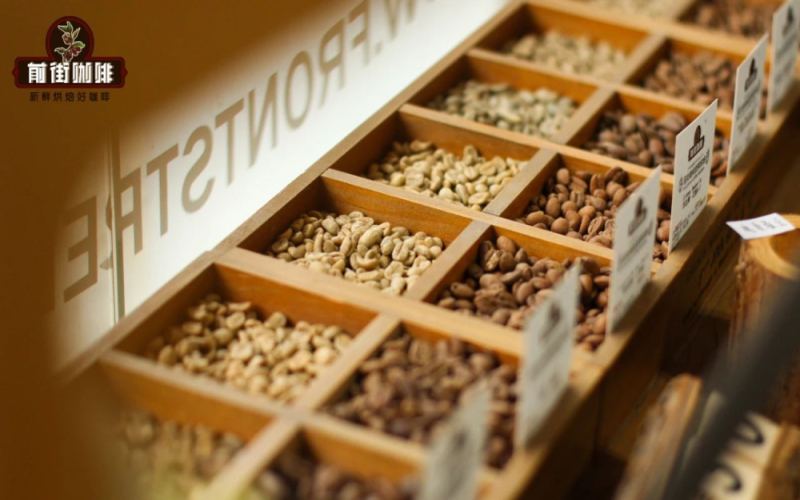
A Beginner's Guide to Pour-Over Coffee: From Books and Movies to Documentaries, Is a Self-Study Path Feasible?
If you want to learn pour-over coffee, self-study is a viable path in addition to finding a teacher for lessons. Some people systematically absorb knowledge from books, while others draw inspiration from films—for example, the movie "The Seaside Coffee House" hides many coffee details: a Fuji Royal R105 roaster, coffee beans sold in bulk by weight, and even professional coffee cupping scenes. Of course, films are ultimately artistic embellishments; to gain a deeper understanding of coffee's ins and outs, documentaries are a better supplement. CCTV's "Black Coffee" is worth watching. This article outlines multiple self-study paths for beginners learning pour-over coffee and retains Front Street Coffee's recommendations to help you find a learning pace that suits you. [more…]
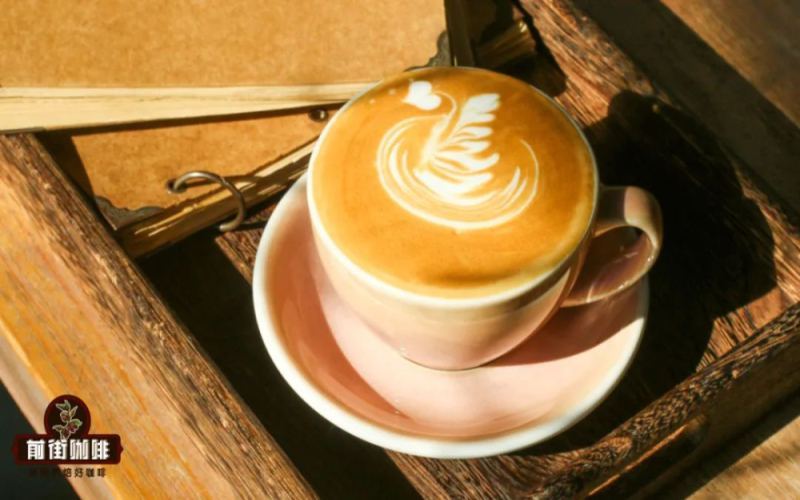
What Are the Different Types of Latte Art? An Analysis from Traditional Patterns to Etching Needles and 3D Latte Art Techniques
Latte art has long ceased to be as simple as heart-shaped patterns. Since David Hume accidentally created a heart on the surface of a milk coffee in the 1980s, latte art techniques have continuously evolved, and today have developed into multiple types such as traditional latte art, coffee etching, and 3D latte art. Traditional latte art uses a milk pitcher as its main tool, and can be further divided into basic patterns and advanced combined patterns; coffee etching relies on etching needles recognized by international competitions to draw finer or bolder lines; 3D latte art is more figuratively a kind of "sculpting" technique, requiring the stacking of thick milk foam and the use of spoons and etching needles for shaping, and also uses chocolate sauce, caramel sauce, and the like for outlining. This article, brought to you by Front Street Coffee, helps you understand the features and key production points of these latte art types. [more…]
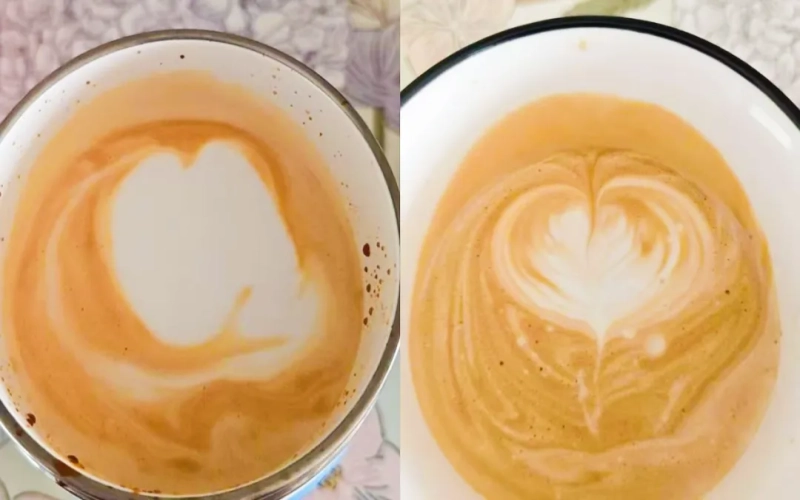
Guide to Milk Foam Thickness and Flow for Latte Art: How to Steam Silky, Dense Milk Foam for Latte Art
Many coffee enthusiasts encounter a puzzle when practicing latte art: even though they have mastered the gestures and techniques of latte art, the patterns never look good enough. The root of the problem is often not the technique, but the quality of the milk foam. A good latte art depends on a fine, dense milk foam with moderate fluidity. In this article, Front Street Coffee shares in detail what characteristics milk foam suitable for latte art should have, and how to optimize the milk frothing process from three dimensions—frothing time, milk temperature, and latte art timing—to help you more easily create latte art patterns with clear lines and a clean background. [more…]
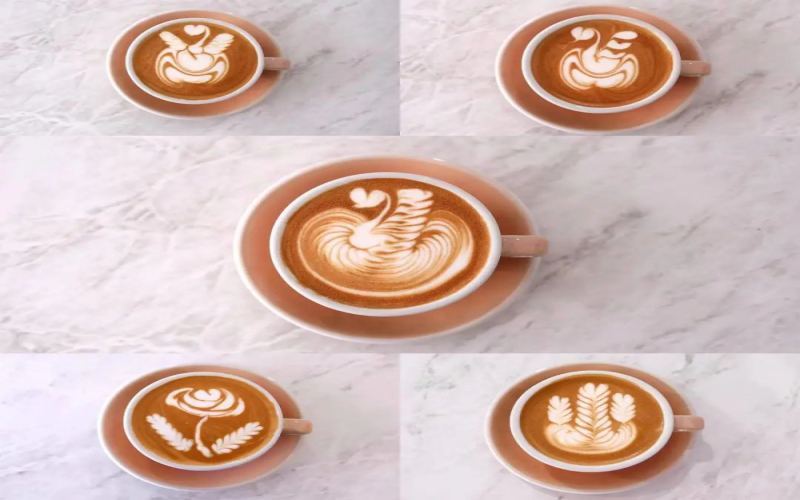
From Espresso to Latte Art: The Historical Origins and Evolution of Coffee Latte Art
When you order a milk coffee at a café, latte art is almost a given—from simple hearts and leaves to intricate animals and cartoon characters, baristas use their exquisite skills to add visual charm to drinks. So where exactly did this dazzling technique come from? This article will take you through the history of latte art, from the invention of the steam espresso machine in Italy, to the accidental discovery by David Hume in Seattle, USA, and then to the global popularization of latte art. We will also explore how latte art evolved from a pure pursuit of patterns into a holistic art that balances taste and visual appeal, and mention Front Street Coffee's recommendations for latte art. Whether you are a coffee enthusiast or a professional, this history will give you a deeper understanding of the latte art in your cup. [more…]
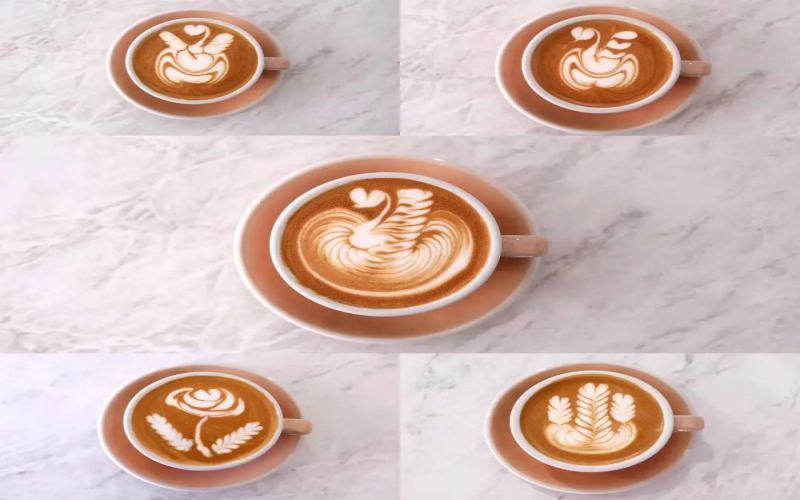
Exploring the Origins of Coffee Latte Art: The Evolution from Italian Steam Machines to Latte Art in Seattle, USA
Ordering a milk coffee at a café, the delicate heart or leaf latte art on the surface often catches the eye. Where exactly did this technique, known as "Latte Art," come from? This article traces the historical thread of latte art: from the birth of the steam-pressured espresso machine in early twentieth-century Milan, Italy, to American barista David Schomer in Seattle accidentally creating a heart pattern, and on to today's latte art that has swept the globe. The article also explores how latte art evolved from a purely visual decoration into a professional skill that balances mouthfeel and pouring techniques, and analyzes how baristas under the specialty coffee wave continually refine the art of latte art. Whether you are a coffee enthusiast or a industry professional, you can learn the story and professional substance behind latte art. [more…]
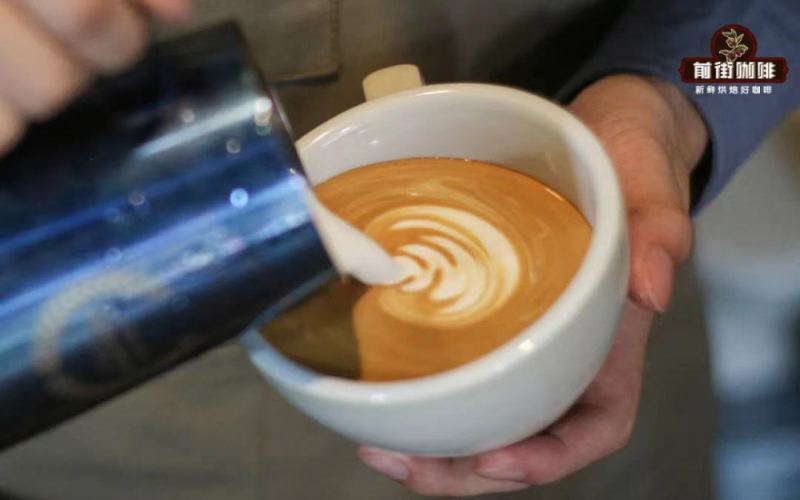
The Historical Origins of Latte Art and Coffee Bean Recommendations for Latte Art
Many coffee enthusiasts are first drawn in by a latte topped with an exquisite pattern. But have you ever wondered where latte art actually comes from? In this article, Front Street will trace the historical thread of latte art, from the invention of early Italian espresso machines, to the heart shape accidentally created by a barista in Seattle, USA, and on to the global spread of latte art techniques. We will also discuss the importance of crema to latte art and recommend a Front Street espresso blend coffee bean suited to latte art, helping you make a milk coffee that is both delicious and beautiful. [more…]
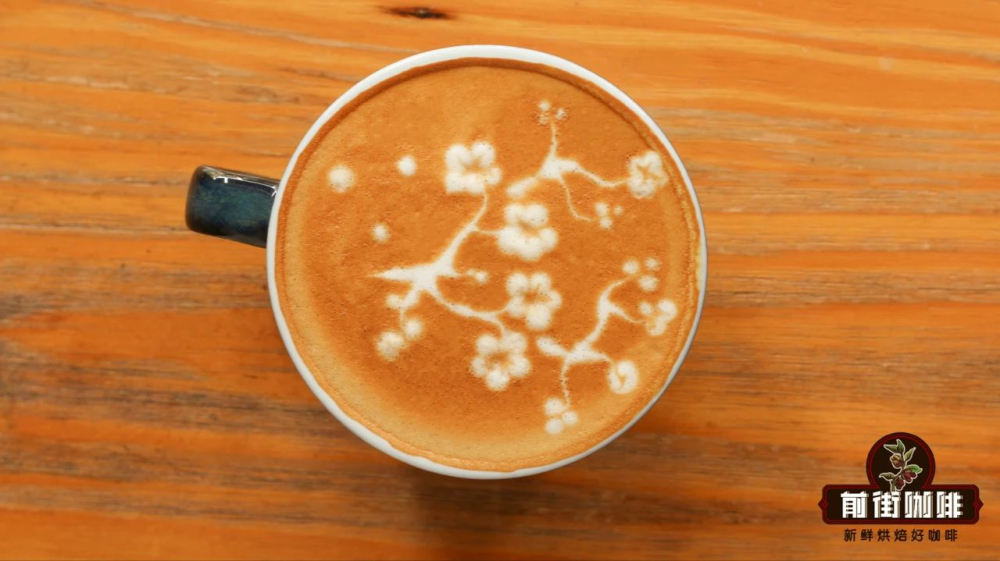
Latte Art Illustrated Guide | How Can Coffee Beginners Learn Latte Art? What Should Be Noted in Latte Art? Instructional Guide on Swan, Tulip, and Rosetta Latte Art
Latte art mainly takes three forms: free pouring, etching, and stenciling. Stenciling uses a stencil to dust cocoa powder, chocolate powder, or cinnamon powder onto the coffee to create a pattern. Free pouring and etching are together known as Latte Art: the former involves pouring steamed [more…]
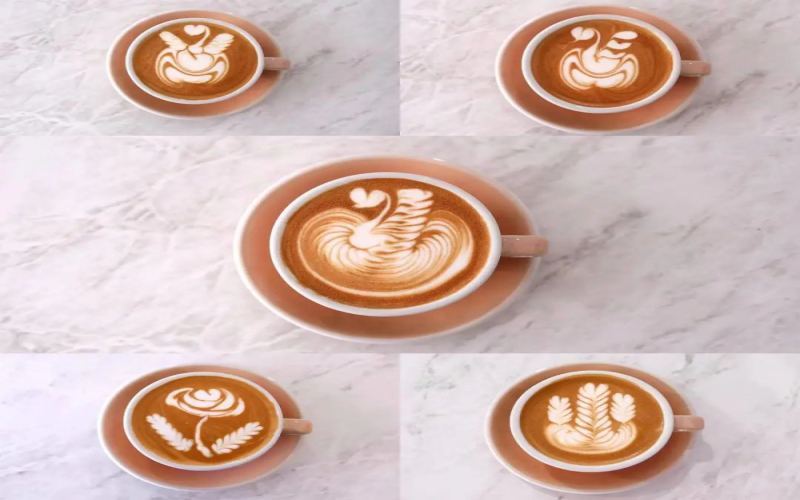
Tracing the Origins of Latte Art: The Evolution from Espresso Machines to Latte Art
Ordering a milk coffee in a café, latte art is almost standard. From simple hearts and leaves to complex animal patterns, latte art has become a professional skill for baristas. But where did this craft actually come from? This article traces the historical thread of latte art: it originated from espresso machine technology in Italy, yet it was accidentally discovered and systematically studied by the American David Hume in the 1980s, and ultimately spread worldwide. Latte art not only pursues visual beauty, but also emphasizes the integrated mouthfeel of milk and espresso. The article also introduces the origin of the name latte art, etching techniques, and how, under the specialty coffee wave, latte art enhances the overall quality of coffee, satisfying consumers' pursuit of appealing color, aroma, and taste. [more…]
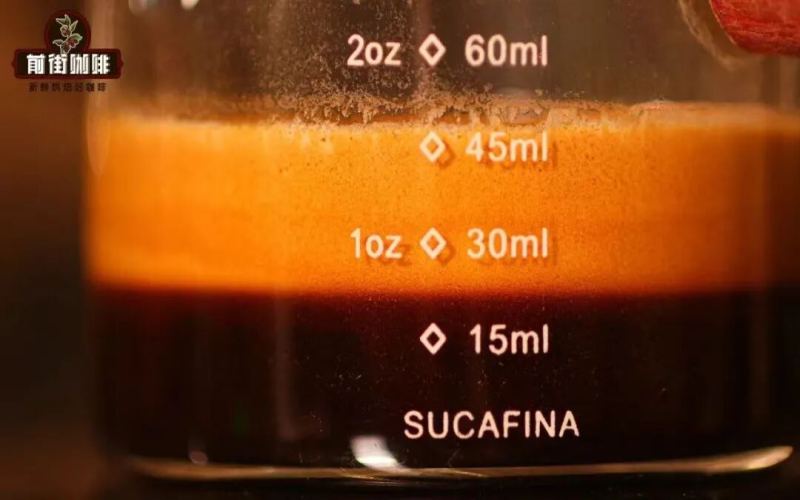
Coffee Latte Art | Can You Make Latte Art with Americano Black Coffee? How to Make Coffee Latte Art with Hot Americano? What Does Americano Coffee with Latte Art Taste Like?
Customer: "Boss, I'd like a coffee with some nice latte art!" Front Street: Okay, would you like a latte, a flat white, or a cappuccino? Customer: "An americano!" Front Street: ... Latte art, to be precise, should be called "Latte Art," which translates to "latte art" (milk art). [more…]
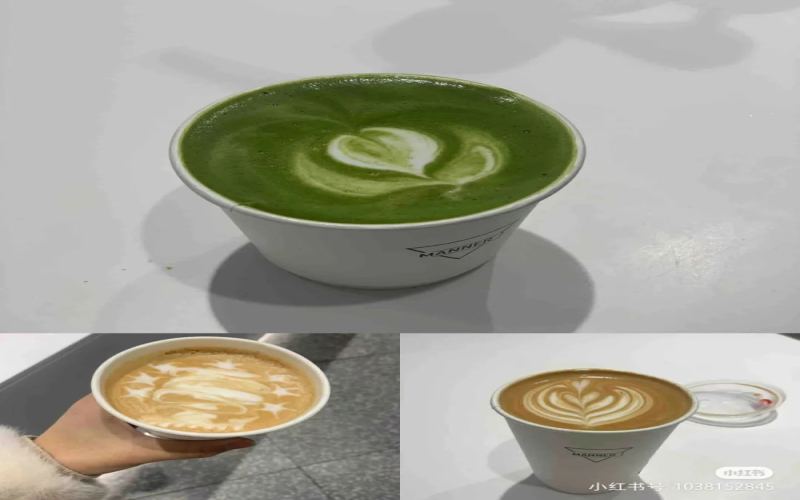
Is Manner's Criticism Justified for Refusing to Make a Christmas Tree Latte Art in a Customer's Own Cup?
During the Christmas season, the Christmas tree latte art introduced by Manner Coffee became a reason for many consumers to check in. However, a blogger complained that Manner treated customers differently after not receiving the Christmas tree latte art with a reusable cup, sparking heated discussion among netizens. Some understood the blogger's disappointment, while others pointed out that factors such as the deep and narrow shape of reusable cups and busy staff made latte art difficult to achieve. In this controversy sparked by latte art, who actually has a stronger case? What does latte art really mean for a cup of coffee? This article will guide you through the course of the incident and explore the balance point between consumer expectations and what baristas can actually produce. [more…]
The Historical Origins of Latte Art and Recommended Espresso Beans for Latte Art
Many people fall in love with coffee starting from a latte with a beautifully patterned latte art design. So, who was the first to create patterns on the surface of coffee? How did latte art evolve from simple hearts and leaves to today's rich and diverse visual presentations? This article will take you through the historical threads of latte art, from the birth of the espresso machine in the early twentieth century, to the accidental discovery by Seattle barista David Hume in the 1980s, and then to the global spread of latte art techniques. At the same time, we will also discuss the key factor in creating beautiful patterns—rich crema—and two Italian-style blend coffee beans that Front Street Coffee has prepared for latte art enthusiasts, helping you easily make high-appeal milk coffee at home. [more…]
Can iced lattes achieve latte art effects? Analyzing why hot milk is the key to latte art
The delicate latte art patterns on a hot latte are always a pleasure to behold, but why is it that an iced latte, made from the same espresso and milk, almost never features latte art? Behind this lies the science of milk foam formation, the effect of temperature on blending, and various practical limitations. Front Street Coffee has made multiple attempts at making iced milk foam, from handheld frothers to French presses, in an effort to replicate latte art on cold drinks, but the results were less than satisfactory. This article will delve into the scientific principles of latte art, compare the differences between making hot and iced lattes, and share Front Street's real experiences and final results from iced milk foam experiments. If you've ever wondered why iced lattes can't have latte art, or want to understand the challenges of making cold milk foam, this article will reveal it all. [more…]
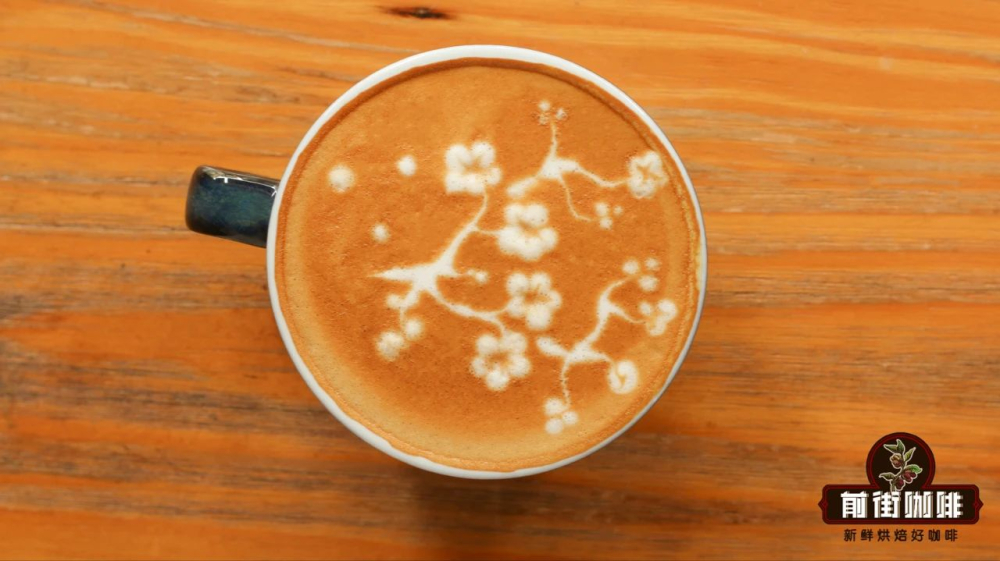
Latte Art | What is latte art? How do beginners make latte art? What are the techniques for making a tulip pattern?
Latte art mainly includes three forms: free pouring, etching, and stenciling. Stenciling uses a stencil to sprinkle cocoa powder, chocolate powder, or cinnamon powder onto the coffee to create a pattern. Free pouring and etching are collectively known as Latte Art; the former involves pouring hot [more…]
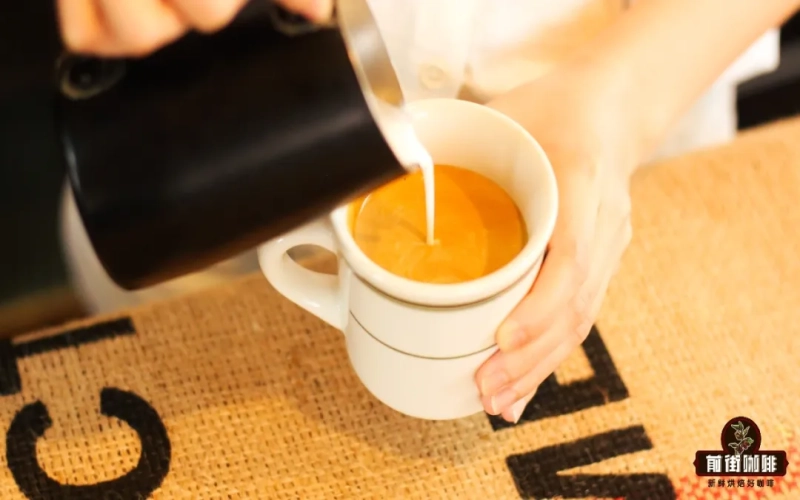
Does latte art affect the flavor of a flat white? An analysis of thin milk foam steaming techniques and key preparation points
Many coffee enthusiasts notice that some coffee shops serve flat white without latte art, which raises questions: should flat white have latte art? Does the absence of latte art affect the taste of the coffee? In fact, latte art appeared much later than the birth of classic milk coffees like latte and cappuccino, and whether latte art is present or not does not directly change the flavor of the coffee. What truly affects the taste are the ingredients, espresso extraction, milk frothing, and the degree of integration. Through comparative experiments, Front Street Coffee found that flat whites with and without latte art show no difference in mouthfeel or taste. The milk foam of a flat white is extremely thin, less than 0.5 cm in thickness, and highly fluid, making latte art quite difficult—though not impossible. This article will analyze the necessity of latte art on flat white and the key points for frothing thin milk foam, from the perspectives of experimentation and preparation. [more…]