







Search Results for: segmented temperature control
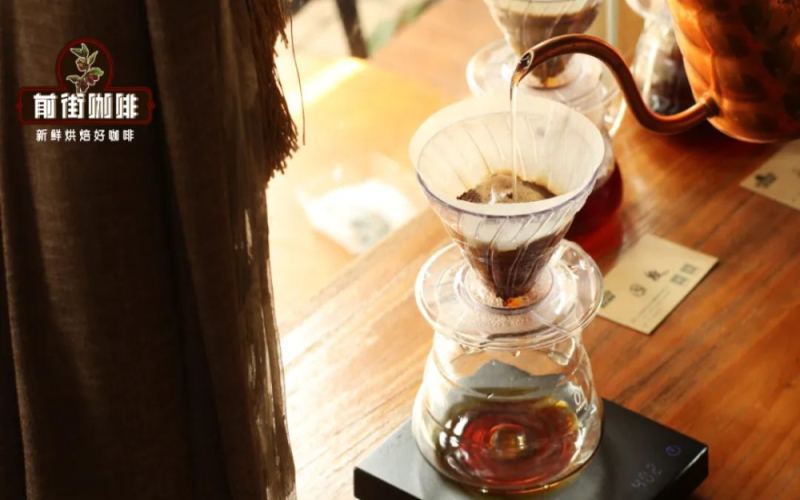
How Many Pours Can You Really Split Into for Pour-Over Coffee? A Full Breakdown of the Three-Pour Method's Key Steps and Timing Control
The pouring method in pour-over coffee directly influences the final flavor profile, and staged pouring is a core technique that the vast majority of coffee enthusiasts will encounter. After blooming, should you pour all the water in one go or pause midway? What is the most reasonable number of stages? And how do different numbers of stages change the mouthfeel, aroma, and layers of the coffee? Drawing on Front Street's actual brewing experience, this article systematically sorts out the definition and working mechanism of staged pouring, and through three sets of comparative experiments reveals the relationship between the number of stages and extraction efficiency and flavor performance, while also offering the most beginner-friendly operational advice to help you more consistently bring out the best in a bean in your daily brewing. [more…]
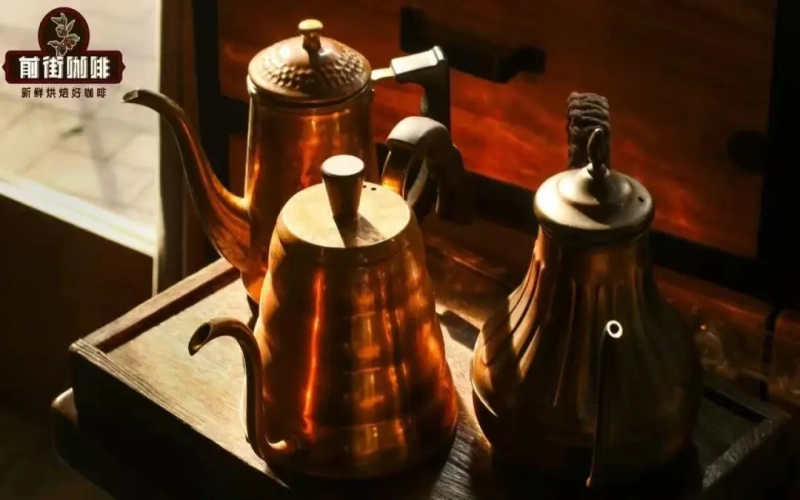
Can an ordinary electric kettle replace a pour-over kettle? Practical methods and parameters for brewing good coffee with a home kettle
Professional pour-over kettles often cost two to three hundred yuan, which puts many coffee enthusiasts off. In fact, as long as you master the correct extraction parameters and pouring strategy, an ordinary electric kettle at home can also brew a delicious cup of pour-over coffee. This article first analyzes the inherent shortcomings of ordinary electric kettles in terms of spout design and capacity, then offers two practical solutions—filling the kettle to stabilize its center of gravity and control the flow, or using staged pouring to lower the difficulty. It then uses Front Street Yirgacheffe·Gudgud as an example to fully share parameters such as coffee dose, ratio, grind size, and water temperature, and demonstrates step by step the entire process of blooming, staged pouring, and circular extraction, helping you consistently produce a clean, solid single-origin coffee even with the most ordinary equipment. [more…]
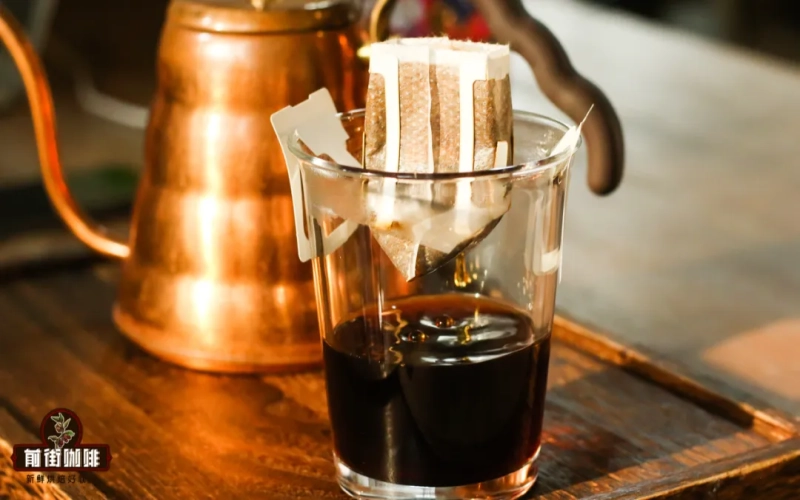
How to brew drip bag coffee for the best taste? A detailed explanation of the three key points—water temperature, amount of water, and time—plus Front Street flavor drip bag recommendations.
Drip bag coffee, with its convenient advantages of requiring no grinding and no professional equipment, has become the go-to staple for many people during business trips, office work, and travel. However, quite a few friends report that the drip bag coffee they brew themselves turns out either bland and tasteless or sharply sour and bitter—the problem often lies in three key parameters: water temperature, amount of water poured, and brewing time. This article begins with an introduction to the flavors of Front Street Coffee's classic five-origin drip bag coffee, then systematically explains the suitable water temperature ranges for light-roast and dark-roast drip bags respectively, the selection of coffee-to-water ratios and visual measurement techniques, and how to control the extraction time to around two minutes through staged pouring, helping you brew a delicious cup of drip bag coffee that rivals pour-over in the simplest way possible. [more…]
A Detailed Guide to the Time Ratios of Three-Pour Hand-Brewed Coffee Extraction and Flavor Adjustment Methods
The three-stage pour is a common and practical pouring technique in pour-over coffee, splitting the entire extraction process into three pouring stages and influencing the final flavor by controlling the water volume and timing of each stage. Using 15 grams of grounds, a 1:15 coffee-to-water ratio, 88°C water temperature, and a medium-coarse grind as parameters, this article breaks down in detail the brewing process for Front Street Colombia Huila, including the specific steps of a 30-second bloom, a second pour of 100 grams, and a third pour of 95 grams, and answers how to determine the best time for the next pour. At the same time, the article also shares an experimental method of dividing the coffee liquid into three stages—beginning, middle, and end—for separate tasting, helping enthusiasts identify the differences in flavor between each stage, so as to adjust the pouring ratios and find a taste they are satisfied with. [more…]
Essential Home Pour-Over Coffee Knowledge | Which Brewing Method Suits Coffee Beginners? What Brewing Parameters Should Beginners Pay Attention To?
Pour-over coffee can be quite a magical thing for many coffee enthusiasts. Front Street Coffee (FrontStreet Coffee) believes there's no need to view pour-over coffee as too profound. When frequently chatting with customers, Front Street Coffee (FrontStreet Cof [more…]
How Does Grind Size in Pour-Over Coffee Affect Extraction? A Comparative Test Using Ethiopia Sidamo Candlelight as an Example
Grind size plays a pivotal role in pour-over coffee, directly influencing flavor presentation and extraction efficiency. This article uses Ethiopian Sidamo Candlestick (natural process, light roast) as a sample, adopts the brewing framework recommended by Front Street Coffee, and conducts a segmented extraction comparison across three different grind sizes—BG-5I (75% passing a No. 20 sieve), BG-5T (58% passing), and BG-7D (43% passing). The results show that too fine a grind lets bitterness suppress the tropical fruit notes; the medium-fine BG-5T releases citrus, mango, nectarine, and creamy aromas more fully, with a full body and pronounced sweet aftertaste; while the coarser BG-7D underextracts, yielding a thin flavor. The article ends with some tips on pour-over extraction stages and water temperature control for coffee enthusiasts' reference. [more…]
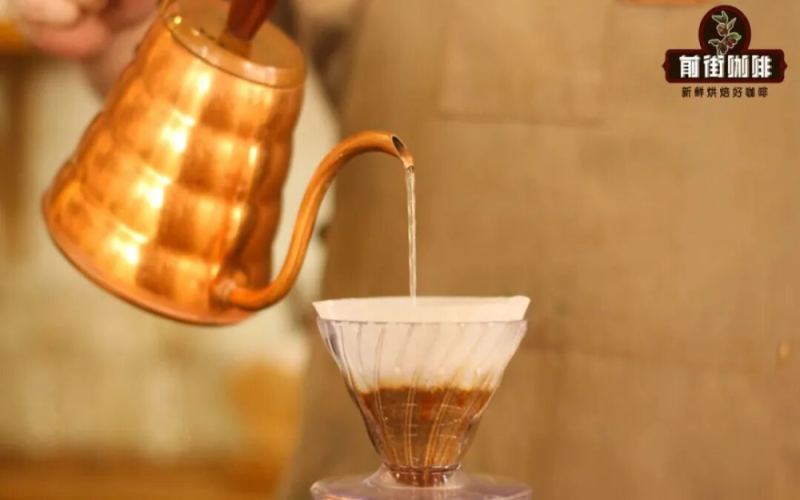
The Principles of Segmented Pour-Over Brewing and an Analysis of the Practical Effects of Pour Height on Flavor
Among the many variables in pour-over coffee, the pouring technique is the one most controllable by human hands, and the pouring height—a seemingly minor parameter—actually has a non-negligible impact on the extraction result. The distance from the kettle spout to the water surface determines the strength of penetration, the extent of agitation, and the degree of heat loss in the hot water, which in turn influences the balance of acidity, sweetness, and bitterness in the coffee. This article will systematically analyze the pros and cons of different pouring heights, explain why it is recommended to keep the height between 0 and 7 centimeters, and use brewing examples with Front Street Coffee . Huakui and Front Street Coffee . Brazil Queen's Estate to demonstrate how to flexibly adjust the pouring height at each stage according to the roast level and bean characteristics, so that the extraction result better matches the expected flavor. [more…]
Sharing the Five Major Pour-Over Coffee Techniques | Does the Pouring Technique Affect Coffee Extraction? Flavor Comparison and Differences of Pour-Over Coffee Using the Three-Stage Volcano Pour Stirring Method
Compared to other single-origin coffees, pour-over coffee has a great many brewing methods. For example: one-pour, three-stage, volcano pour, variable-temperature brewing, stirring, and so on. Today let's get to know some of the brewing methods that commonly appear in pour-over coffee~ 1. One-pour The one-pour method and the single-pour method are still [more…]
The Beginner's Must-Learn One-Pour Center-Pour Method: Yirgacheffe Red Honey Process V60 Brewing Parameters and Flavor Analysis
Pour-over coffee may seem complicated, but there is actually a low-effort yet stable extraction method—the single-pour center pour. It doesn't require segmented circling; simply keep pouring continuously after the bloom, making it especially suitable for those new to pour-over. This article uses the Yirgacheffe Red Honey Red Cherry recommended by Front Street Coffee as an example, first introducing the classification of honey processing and the proportion of pectin retained, then using the Hario V60 dripper to conduct a comparative brewing of two different grind sizes: a coarse grind BG-7K paired with a longer pouring time, and a fine grind BG-6M paired with a shorter pouring time, to experience the flavor differences under the same coffee-to-water ratio and water temperature. The article also explains in detail how the V60's rib structure affects flow rate, and why pouring stability is far more important than fancy techniques. [more…]
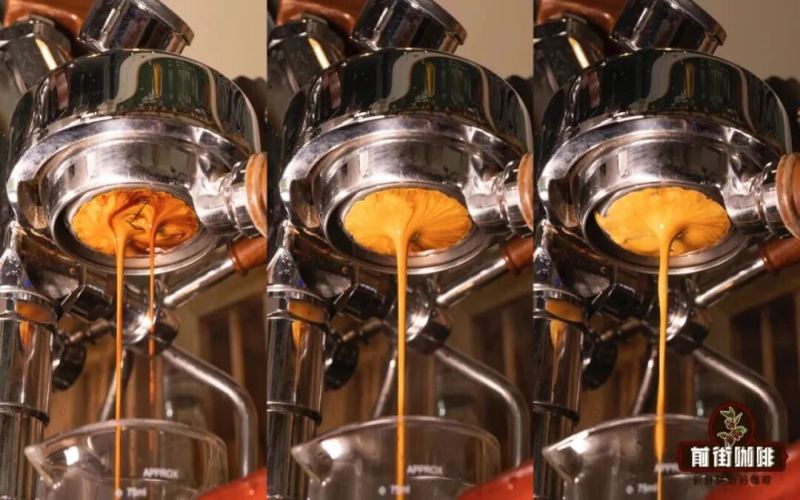
Espresso | What factors affect the strength of espresso? How can you increase the strength of Italian-style coffee?
From an extraction perspective, whether a cup of espresso tastes good first depends on the choice of coffee beans, then on the flavor and strength of the espresso, and finally on details such as the ratio of accompanying ingredients and temperature. Among these, making the espresso itself troubles many home baristas because various unexpected situations can arise. For example, from [more…]
A Complete Guide to the Three-Pour Method for Hand-Drip Coffee: Key V60 Dripper Techniques and Parameter Details
To brew a pour-over coffee with clear flavors and rich layers, mastering the segmented pouring technique is key. Using Front Street Coffee's store output as an example, this article systematically covers the complete pour-over process—from equipment preparation, water quality selection, grind size, and water temperature control to the coffee-to-water ratio—and breaks down each step of the three-stage pouring method for the V60 dripper in detail. It also uses a Panama Boquete washed Geisha as a demonstration, presenting the entire process from blooming to the completion of dripping, helping enthusiasts understand how to adjust pouring rhythm and technique to fully bring out the floral and fruity characteristics of the coffee beans themselves. [more…]
What to Do When Espresso Is Too Weak? A Complete Analysis from Brew Ratio to Extraction Strategy
Many home coffee enthusiasts often encounter the problem of weak flavor and lack of aroma when making espresso. Among the factors that affect whether a cup of espresso tastes good, the flavor and strength of the shot are a key part. Starting from Front Street's extraction experiments, this article analyzes the relationship between strength and extraction yield by tasting the beginning, middle, and end segments of the espresso, answers whether strength can be increased through more extraction, and provides strength improvement plans for coffee beans of different roast levels, helping you find the right brew ratio and extraction strategy. [more…]
How to Master the Timing of Pulsed Pouring in Pour-Over Coffee? A Detailed Guide to the Water Volume and Time Nodes of the Three-Pour Method
Segmented pouring is a common yet difficult-to-master method in pour-over coffee, with the challenge lying in judging when to stop pouring and when to pour again. This article uses Front Street Coffee's three-stage brewing as an example to explain in detail the techniques for judging pouring checkpoints. The article points out that you should not wait for the water to finish flowing before pouring again; subsequent pours should bring the coffee bed height to exactly the same level as the previous stage to ensure even extraction. Using 15g of coffee grounds as an example, the first stage is blooming, pouring 30ml of water and waiting 30 seconds; the second stage pours water to 1/2 of the short rib, with a reference water amount of 120ml, taking about 55 seconds to 1 minute; the third stage involves observing the water level dropping, and when it falls to 1/2 between the coffee bed and the filter wall, pour 90ml, with a reference time of 1 minute 10 seconds to 1 minute 15 seconds; pouring ends at about 1 minute 30 seconds to 1 minute 35 seconds, and the coffee liquid finishes flowing at about 2 minutes to 2 minutes 10 seconds. The logic for four-stage pouring is the same. [more…]
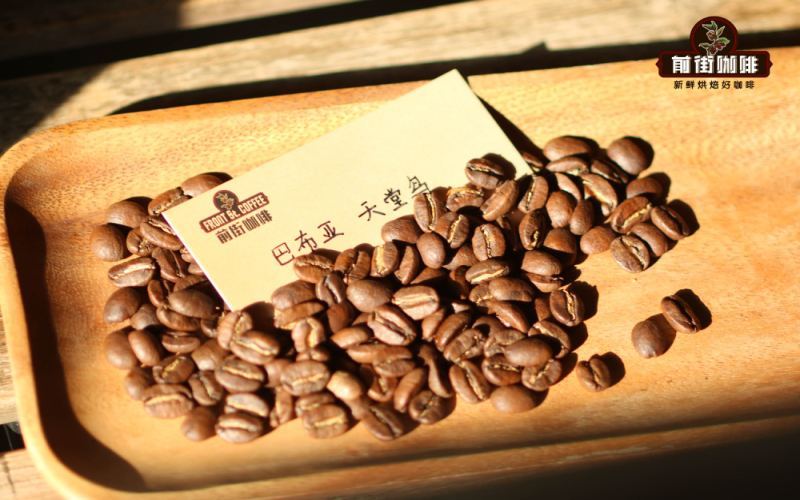
Analysis of Papua New Guinea Bird of Paradise Estate Coffee Beans: The Origin of the "Little Blue Mountain" Nickname and Its Flavor Characteristics
Papua New Guinea coffee, descended from Typica varieties introduced from Jamaica Blue Mountain and grown in similar environments and at comparable altitudes, has earned the nickname "Little Blue Mountain" among many enthusiasts. Front Street Coffee recently acquired a batch of Bird of Paradise coffee beans from the Sigri Estate and conducted a comprehensive evaluation through roasting, cupping, and brewing. This article will guide you through Papua New Guinea's coffee cultivation model, its main producing regions, the origin of the name Bird of Paradise coffee, and the history and ecological philosophy of the Sigri Estate. We will also share in detail Front Street Coffee's roasting curves and brewing parameters, showcasing this bean's unique flavor profile of rich nutty and cocoa notes, subtle berry sweetness, and a balanced mouthfeel. [more…]
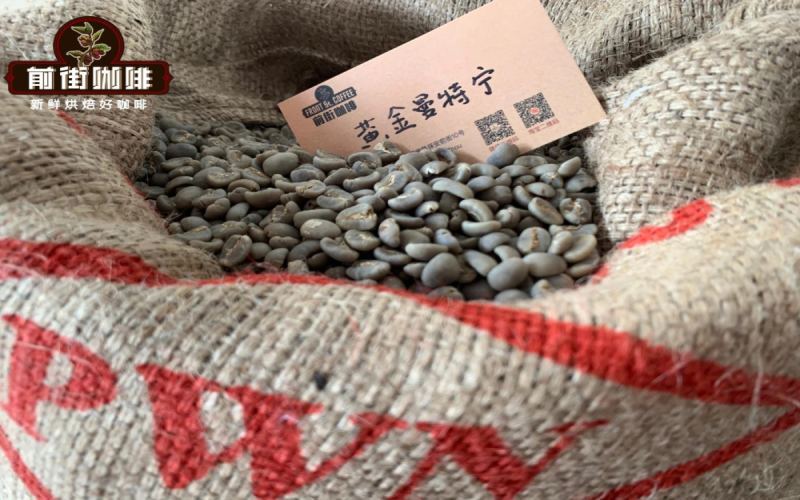
Indonesian Golden Mandheling Coffee Beans: A Complete Guide to PWN Brand Grades, Wet-Hulled Processing, and Medium-Dark Roast Brewing
Mandheling is the representative of Indonesian coffee, and the Golden Mandheling produced by PWN is the finest among them. Starting from Front Street's daily bean list, this article introduces the brand background and grade standards of PWN Golden Mandheling, analyzes the grading system for Indonesian green coffee beans, and takes a deep dive into the terroir logic of the Sumatra producing region and the wet-hulled processing method. At the same time, Front Street will share the flavor characteristics and brewing parameters of medium-dark roasted Golden Mandheling, including water temperature, grind size, and a segmented extraction plan using the Kono dripper, helping coffee enthusiasts recreate a cup of rich, clean, classic Mandheling at home. [more…]
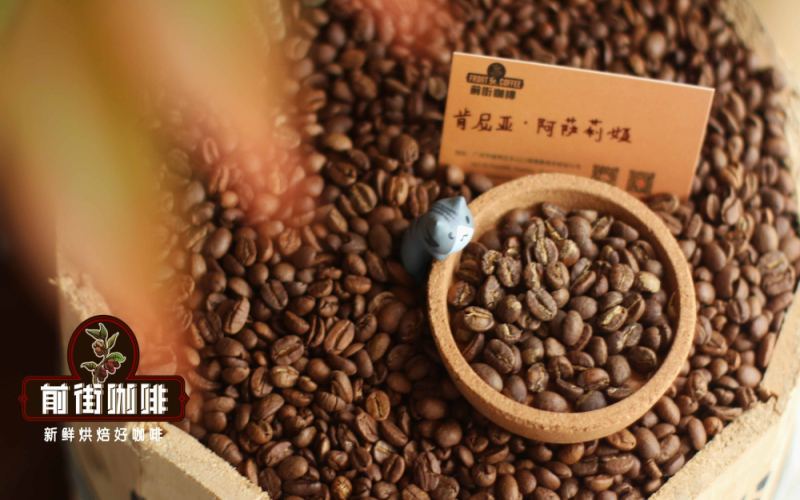
A Beginner's Guide to Pour-Over Coffee: Complete Basics from Three-Pour Technique to Reading the Coffee Bed
Many coffee enthusiasts who have purchased coffee beans from Front Street Coffee often ask in the backend about the specific method for brewing pour-over coffee. This article will systematically organize the introductory knowledge of pour-over coffee for beginners, starting with a detailed interpretation of two professional videos, covering key steps such as wetting the filter paper, controlling the blooming time, and the technique of pouring water in stages, and will explain in detail the setting principles of the four core parameters: grind size, water temperature, coffee-to-water ratio, and brewing duration. In addition, through various illustrations of coffee bed states, the article also helps readers determine whether the extraction is even, and provides troubleshooting ideas for common problems such as the coffee bed not blooming, bitter coffee, and insufficient flavor. [more…]
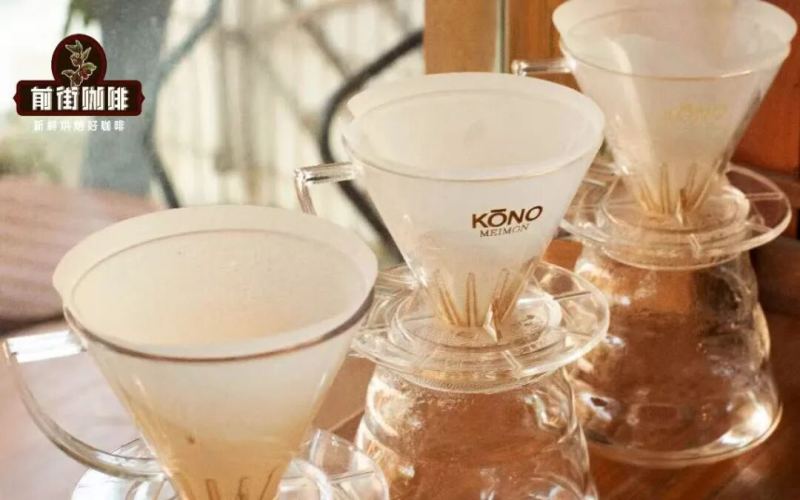
Coffee Brewing Time | Why Do You Need to Time Your Pour-Over Coffee? What Factors Affect the Extraction Time When Brewing Coffee?
When brewing the vast majority of coffees, we always casually press the timer function that comes with the scale to start counting time—this is something that seasoned baristas have emphasized since the very beginning. But for some friends, this behavior is incomprehensible, because they believe that recording time has no effect on the coffee. [more…]
What Are the Prices of Rare Ceylon Black Tea Varieties? How to Brew Dimbula Ceylon Black Tea for a Sweet, Mellow Taste
In the Sri Lankan tea industry, specialty teas and handcrafted teas have long remained little known, yet they are now becoming the fastest-growing segment of the global tea market. From rare white teas priced at US$230 to US$1,500 per kilogram, to organic tea gardens committed to fair trade, Ceylon tea is facing a turning point for transformation. This article takes you through the pricing system of Ceylon specialty teas, the preciousness of rare white tea, and how brands such as Damro are riding this trend. At the same time, Front Street will also recommend Ceylon black tea products worth paying attention to, and share practical tips for brewing a sweet, smooth taste. [more…]
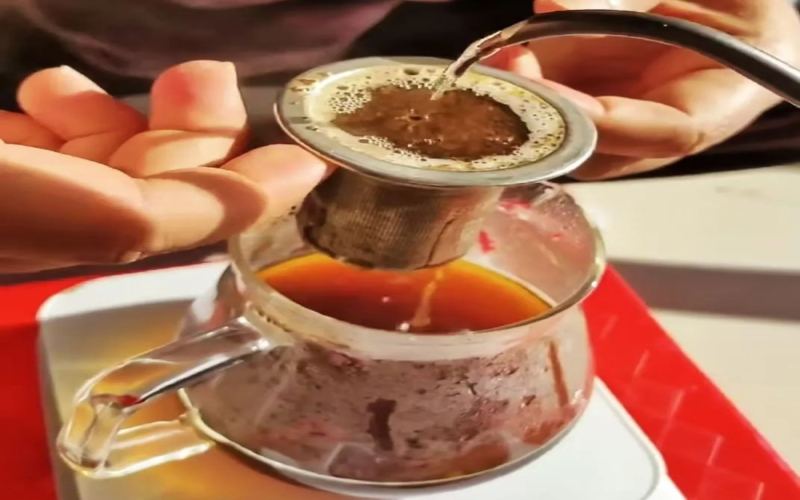
What to Do If You Don't Have a Digital Scale for Pour-Over Coffee? Visual Estimation Tips and Pulsed Pouring Plans for 15g of Grounds
The consistent output of pour-over coffee is inseparable from the precise measurement of an electronic scale, but if you run into the predicament of a broken scale, a dead battery, or simply no alternative tool to be found, does that mean you have to give up on a good cup of coffee? Starting from the two core variables of coffee dose and water volume, this article shares Front Street Coffee's hands-on experience: how to judge 15g or 20g of ground coffee by visually estimating the height of the coffee bed, how to use the dripper's markings as a reference under different roast levels, how to choose a coffee-to-water ratio between 1:14 and 1:16, and a three-stage blind brewing process that requires no scale. Even without equipment, mastering these techniques can still brew a qualified pour-over of about 210ml. [more…]
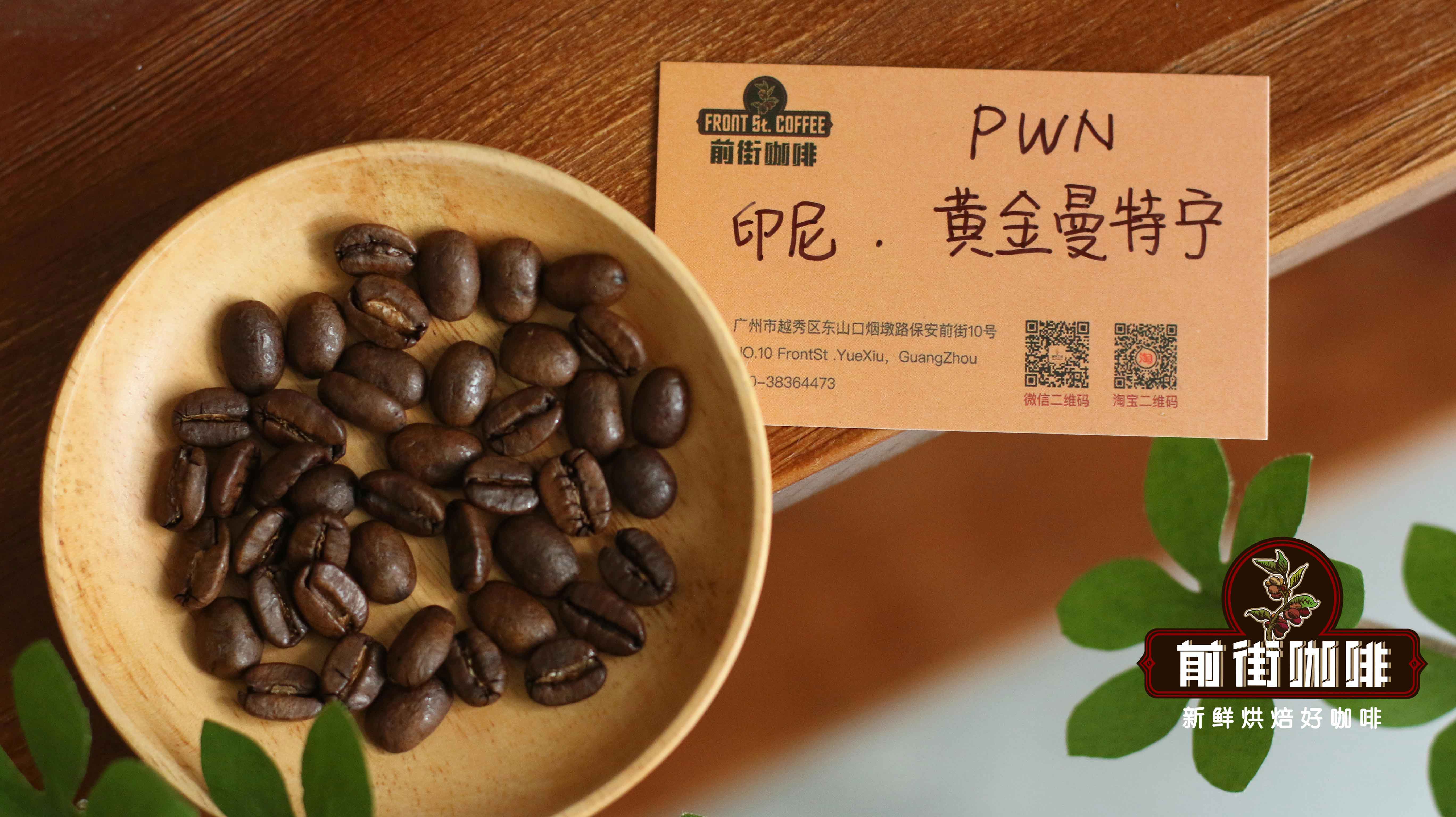
The Complete Guide to Indonesian PWN Golden Mandheling Pour-Over: Parameters, Technique, and Flavor Analysis
The Golden Mandheling produced by Indonesia's PWN company has always been the benchmark among Mandheling coffees, yet many coffee enthusiasts find it difficult to replicate the taste they enjoy in cafés after buying the beans. Drawing on Front Street Coffee's hands-on experience, this article systematically breaks down the seven key elements of pour-over brewing for Golden Mandheling, covering bean freshness, grind size, water temperature, water quality, dripper selection, coffee-to-water ratio, and brewing time, while detailing each step of the three-stage pouring technique. It also provides Front Street's specific brewing parameters and flavor description for this medium-dark roasted bean, helping you brew a cup of Golden Mandheling that is rich, clean, and layered with complexity. [more…]