







Search Results for: regular coffee grounds
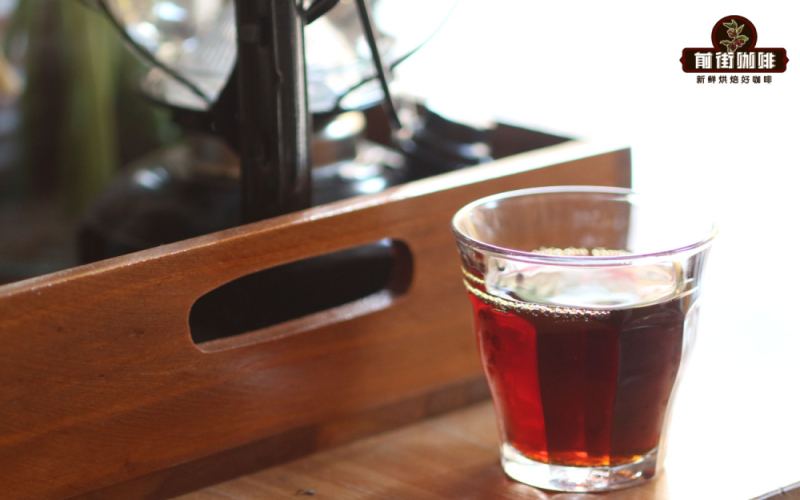
Analysis of Flavor Differences Between Decaffeinated and Regular Coffee: Decaffeination Processes and a Brewing Guide for Front Street Colombia Decaf Beans
Coffee has become an indispensable beverage in many people's daily lives, but for those who are sensitive to caffeine, enjoying a cup of coffee may mean the distress of insomnia. Decaffeinated coffee (low-caffeine coffee) has therefore become an ideal alternative for these consumers. This article will systematically introduce the core differences between decaffeinated coffee and regular coffee in terms of caffeine content and flavor performance, provide a detailed analysis of the principles and processes of three decaffeination methods including the Swiss Water Process, and offer an in-depth introduction to the bean composition, flavor characteristics, and brewing parameter recommendations of Front Street Coffee Colombia Swiss Water Process Decaf, helping coffee enthusiasts gain a comprehensive understanding of the true nature of decaffeinated coffee. [more…]

Can a Coffee Grinder Be Washed with Water? A Detailed Guide to Daily Maintenance for Manual and Electric Grinders
Last week, Front Street Coffee shared nine details about brewing coffee, among which it mentioned that the grinder needs to be cleaned regularly. So a reader followed up with the question: Can a grinder actually be washed with water? To answer this question, we first need to understand the necessity of cleaning the grinder. The common grinding equipment on the market falls into two categories: manual and electric. Regardless of which type, the daily upkeep and regular maintenance of the burrs directly affect the service life. Accumulated coffee grounds not only cause flavor cross-contamination, but may also clog the passage. This article will detail the cleaning methods for manual and electric coffee grinders across three levels: daily quick cleaning, cleaning without disassembly, and regular deep cleaning, and will also remind you of the applicable conditions and precautions for washing with water. [more…]
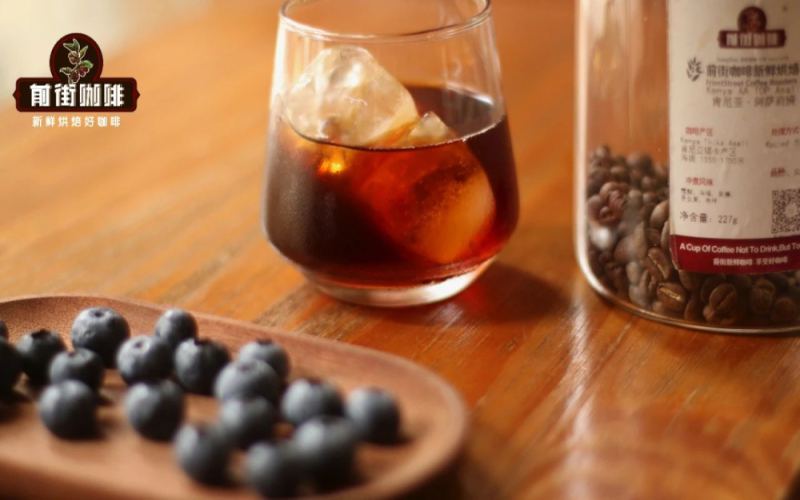
A Beginner's Guide to Cold Brew Coffee: Can Regular Ground Coffee Do the Job, Flavor Characteristics, and a Variety of Creative Brewing Methods
Cold brew coffee, with its refreshing taste and fermented aroma, has become the most convenient coffee choice in many people's daily lives. It only takes a few minutes to prepare, then it goes into the fridge to chill overnight, and it's ready to enjoy the next day. But is regular coffee grounds suitable for making cold brew? Where do the flavor differences between cold brew and hot brew lie? This article will explore the definition of cold brew, its characteristics, coffee bean selection, and more, and introduce two beans recommended by Front Street Coffee: Yirgacheffe Gutingding and Panama Butterfly. Finally, it will share creative cold brew methods such as adding sparkling water, milk, or alcohol, to help you find the cold brew solution that suits you best. [more…]
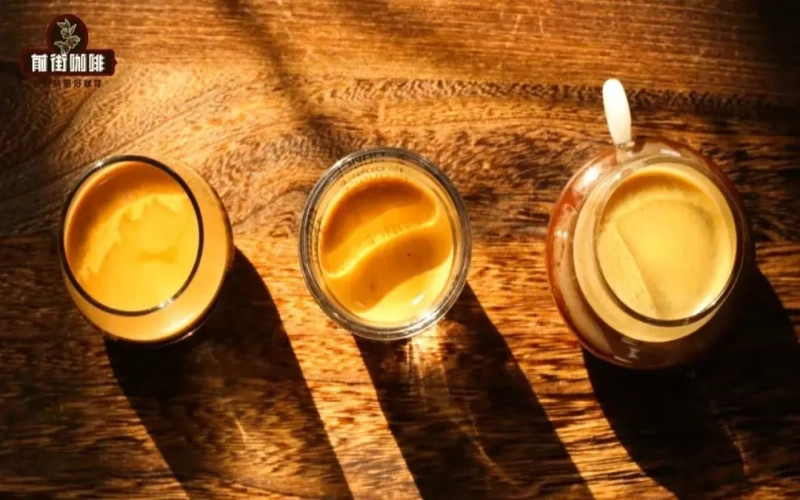
What exactly is the difference between ristretto, espresso, and lungo? The three espresso extraction types and why cafés rarely offer certain options
Many coffee enthusiasts have heard of the three terms "original extraction," "fine extraction," and "full extraction," but are not quite clear on what exactly distinguishes them, nor why these options are almost never seen in specialty coffee shops. In fact, they correspond respectively to Normale, Ristretto, and Lungo in espresso—that is, regular espresso, short-extraction espresso, and long-extraction espresso. The core differences among the three center on concentration and flavor expression: different brew ratios lead to changes in the extracted coffee's concentration and extraction yield. This article uses Front Street Espresso Blend · Strawberry Candy Espresso as an example to break down the extraction parameters and flavor characteristics of the three espressos one by one, and explains why specialty coffee shops rarely offer multiple espresso type choices—this involves both the practical difficulty of grind size adjustment and the compatibility of different espressos in milk coffee. [more…]
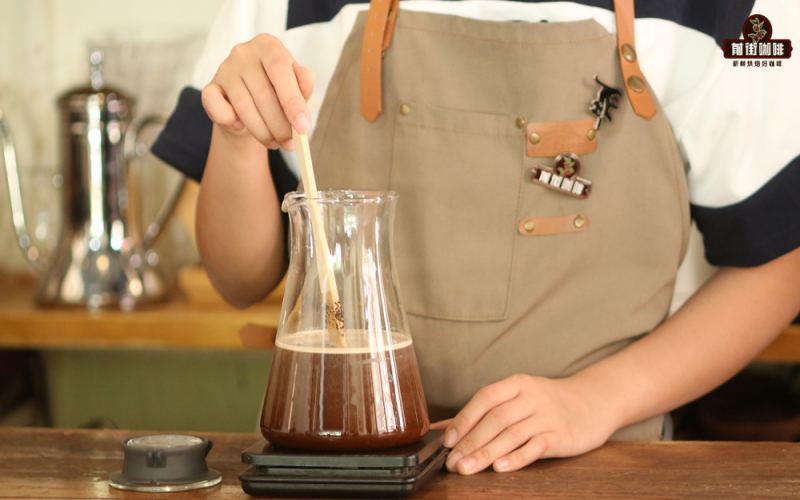
Cold Brew Coffee Beginner's Guide: Differences Between Nitro Cold Brew and Regular Cold Brew and Coffee Bean Selection Tips
Cold brew coffee has taken the specialty coffee world by storm in recent years. Extracted through prolonged steeping in cold water, it delivers a smooth and delicate flavor profile. This article provides a systematic introduction to the definition and origins of cold brew coffee, compares the differences between nitro cold brew and regular cold brew, and shares in detail the cold brew and ice drip recipes from Front Street Coffee. From equipment preparation and grind size adjustment to coffee-to-water ratios, we'll walk you through making a summer cold brew specialty drink at home that balances aroma and mouthfeel, along with flavor references for beans such as Panama Butterfly and Honduras Sherry. [more…]
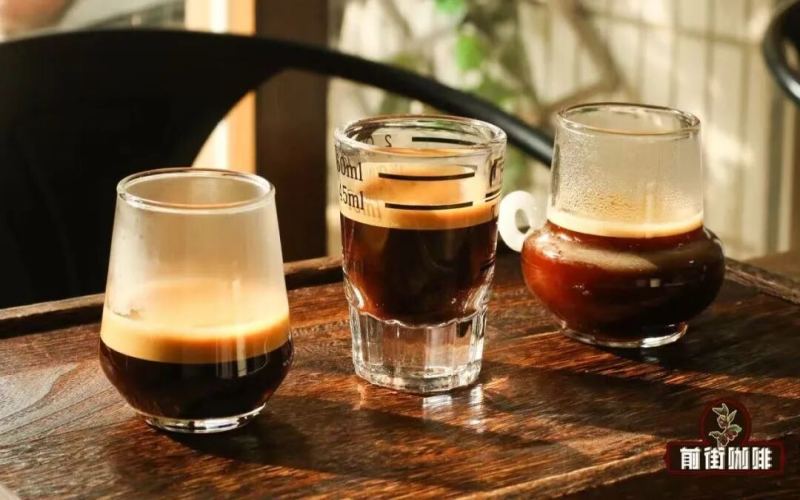
Espresso Coffee Types | What Is a Long Shot? Where Does Lungo Coffee Come From? How Does Lungo Coffee Differ from Regular Espresso?
Recently, many specialty coffee shops have started selling a "niche" coffee—the "Long Extraction." For friends who are not deeply into coffee, Long Extraction can be quite unfamiliar, so recently many friends have often asked Front Street what Long Extraction is. To be honest, Front Street believes that the main reason everyone finds it unfamiliar [more…]
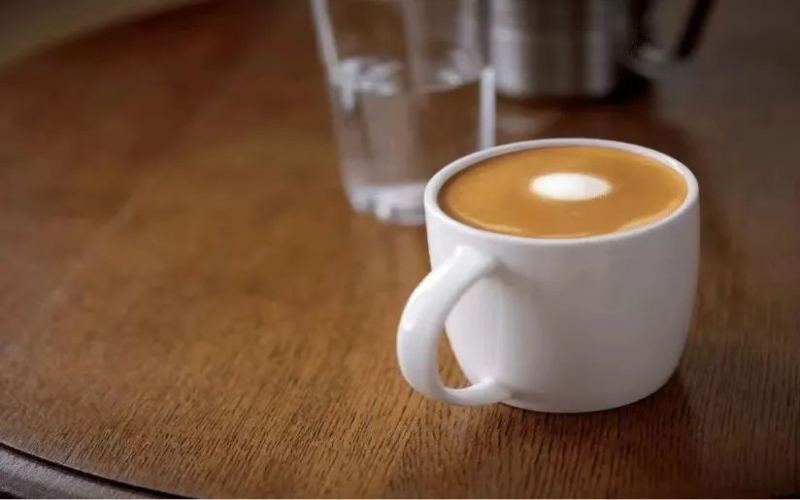
What's the Difference Between a Flat White and an Australian White? A Comprehensive Analysis from Extraction Method to Taste and Flavor
Flat White is called Fu Rui Bai at Starbucks, and in some cafés it is known as Ao Rui Bai—these three names actually refer to the same espresso milk coffee. But coffee people in Australia and New Zealand have debated its place of origin for a long time. Different regions differ in the type of espresso used, the powder-to-liquid ratio, and the thickness of the milk foam, so the final mouthfeel also varies. This article will sort out the specific differences between Fu Rui Bai and Ao Rui Bai in preparation, explain the difference between regular espresso and ristretto, and share the serving approach and extraction parameters of Front Street Coffee stores, to help coffee lovers understand this drink more clearly. [more…]
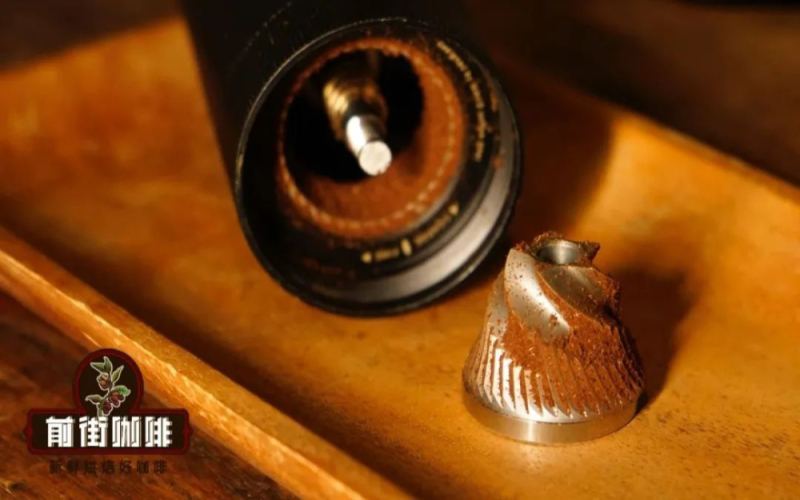
Complete Guide to Cleaning and Maintaining Manual and Electric Coffee Grinders: Brush Cleaning and Deep Maintenance Essentials
Coffee grinding equipment is mainly divided into two categories: manual and electric. Different brands and price points not only affect appearance and grinding performance, but also determine differences in burr structure and particle size distribution. Regardless of which grinder you use, daily cleaning and regular maintenance of the burrs are key to extending the life of the equipment. The static electricity generated during grinding causes fine particles to stick to the metal burrs and the grounds bin. The more frequently it is used, the more residual grounds accumulate, and the oil released by dark-roasted beans worsens the buildup of oily residue. If not cleaned for a long time, old grounds not only produce a rancid oil smell, but also taint new grounds and clog the grinding path. This article will introduce grinder maintenance methods and precautions in detail across three levels: daily quick cleaning, cleaning without disassembly, and regular deep cleaning. [more…]
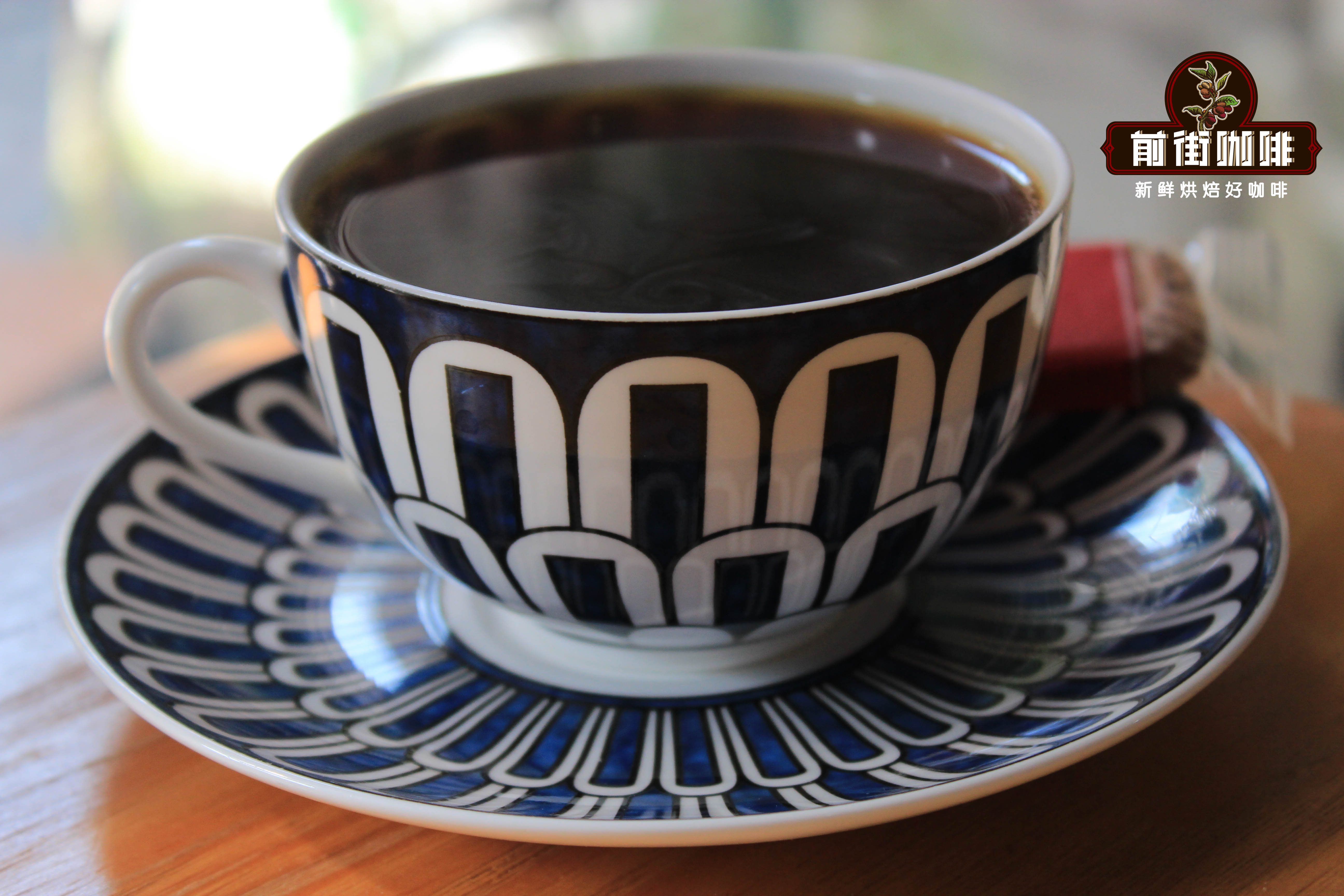
Indonesian PWN Golden Mandheling vs. Regular Mandheling: A Comprehensive Analysis of Differences from Appearance to Flavor
Mandheling coffee is a classic representative of Sumatra, Indonesia, while Golden Mandheling is regarded as its upgraded version. Many coffee enthusiasts are curious: what exactly is the difference between authentic PWN Golden Mandheling and ordinary Mandheling? This article will systematically sort out the differences between the two from the perspectives of producing regions, raw bean selection standards, processing techniques, and brewing flavor. The article focuses on introducing PWN's Golden Mandheling certification system, how the wet-hulling process shapes the flavor, and the specific parameters and methods used by Front Street Coffee when brewing Golden Mandheling, helping readers fully understand this mellow and clean classic coffee. [more…]

Yirgacheffe SOE Americano vs. Regular Americano: Flavor Differences Explained, with a Moka Pot Yirgacheffe SOE Coffee Tutorial
Yirgacheffe, with its signature floral and fruity notes and black tea undertones, has become a favorite among many coffee lovers. When it is made into an SOE Americano, how exactly does it differ from a regular Americano? Which one is more worth trying? This article will analyze it from the perspectives of flavor performance, roasting choices, and extraction parameters, and will especially introduce Front Street Coffee's Natural Red Cherry SOE, a single-origin bean designed specifically for espresso machines and moka pots. It also includes a specific method for making Yirgacheffe SOE with a moka pot, helping you easily recreate that alluring profile woven with citrus and white flowers at home. [more…]

A Comparative Analysis of the Differences Between Dirty Coffee and Latte: Texture, Preparation Methods, and the Correct Way to Drink Them
Walking into a coffee shop and facing the dazzling array of choices on the menu, have you ever struggled between an Americano, a pour-over, a latte, or a Dirty? These seemingly similar coffee drinks actually each have their own distinct characteristics in terms of brewing techniques and flavor presentation. In this article, Front Street Coffee (FrontStreet Coffee) will guide you through a systematic overview of common coffee classifications found in cafés, from the basic parameters of espresso to the specific methods for making various derivative drinks, with a focus on explaining the core differences between Dirty coffee and latte—including temperature differences, the layering principle, and why Dirty needs to be drunk in large gulps. Whether you are a coffee enthusiast who is just starting out or a seasoned connoisseur looking to refine your tasting skills, you will be able to find practical reference information here. [more…]
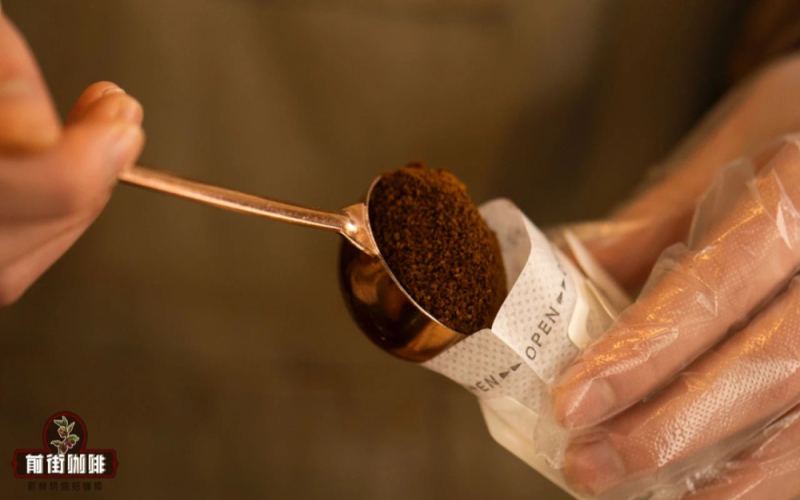
Analysis of the Pros and Cons of Regularly Drinking Drip Bag Coffee: Health Effects, Purchasing Key Points, and Standard Brewing Methods
Drip bag coffee has become a daily choice for many coffee lovers thanks to its portability and fresh-ground flavor. But what exactly are its health benefits and risks? How much is appropriate to drink each day? This article starts with caffeine intake and the positive and negative effects on the body, then moves on to how to choose Front Street drip bag products that suit your personal taste, and finally breaks down in detail the standard brewing process—from water temperature and coffee-to-water ratio to pouring technique—to help you avoid common pitfalls and consistently brew a delicious cup of drip bag coffee at home. [more…]
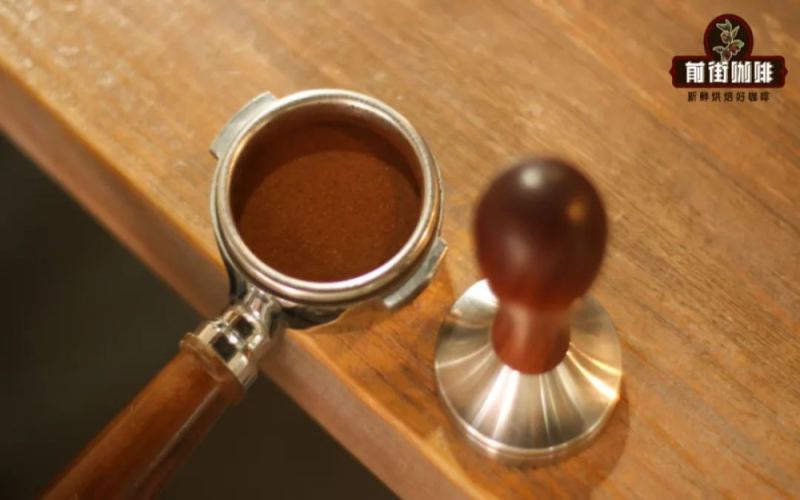
How should you control the tamping pressure for espresso? An experimental analysis of tamping differences under coarse and fine grinding
Tamping the puck flat is a basic consensus in espresso extraction, but how much force should actually be used to tamp it down has long been a point of disagreement among baristas. Some give the tamper a light spin and apply just a little pressure, while others put their whole body weight into compressing the puck as hard as possible. Front Street conducted a comparative experiment using two grind sizes—coarse and fine—tamping with a regular force of 1.5 kg and a full-force press of about 9 kg respectively, to observe changes in extraction time. The results showed that because coffee grounds differ in density, the force needed to reach a compacted state also varies: fine grinds require greater pressure to be tamped to their most compact state, while coarse grinds are already sufficiently compacted at 1.5 kg, and full-force tamping produces extraction results almost identical to regular force. This article will present the full experimental process and conclusions to help coffee lovers understand the relationship between tamping force and grind fineness. [more…]
What is the difference between Golden Mandheling and regular Mandheling? A full analysis of wet-hulled flavor and pour-over parameters
Mandheling coffee, with its rich, full-bodied taste and distinctive herbal spice notes, has become a favorite among many seasoned coffee enthusiasts. As a premium representative within this category, what exactly sets Golden Mandheling apart from regular Mandheling? From the perspective of Front Street Coffee, this article traces the origins of the Mandheling name, details PWN's rigorous selection standards for Golden Mandheling, and takes a deep dive into how Indonesia's wet-hulling method shapes the classic "taste of place" found in Sumatran coffee. In addition, Front Street will share specific pour-over parameters and techniques for Golden Mandheling, helping you consistently brew a full, aromatic cup at home. [more…]
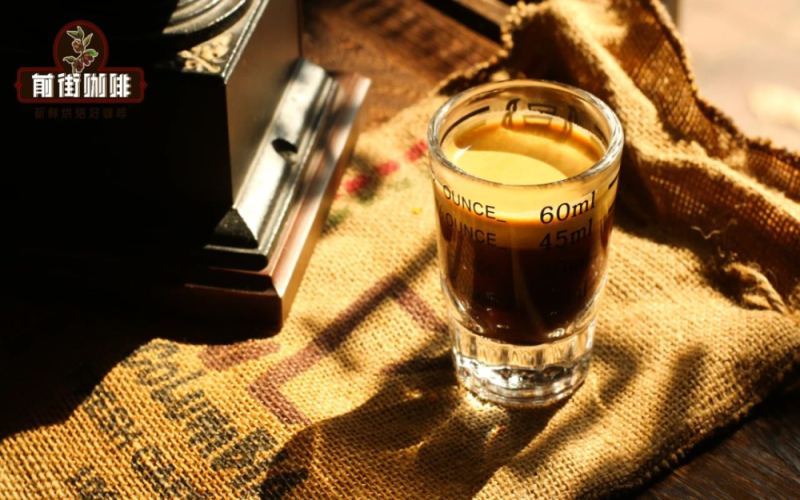
Espresso Beans vs. Regular Coffee Beans: Roasting Logic of Espresso-Specific Beans and Front Street Coffee Blend Recommendations
When selecting coffee beans, we often see "espresso beans" listed as a separate category, and this is actually closely tied to the extraction principles of espresso machines. High-temperature, pressurized extraction at 9 bars of pressure requires extremely fine coffee grounds and completes flavor release within just a few tens of seconds, which makes the roast level and blending approach of the beans different from other brewing methods. So, must espresso beans be roasted very dark? What advantages do blended beans and SOE single-origin beans each have? This article will explain the roasting logic and blending principles behind espresso-specific beans, and organize the flavor information of several classic espresso beans from Front Street Coffee, helping coffee lovers more clearly choose the bean that suits them. [more…]

Cold Brew Coffee Beans Recommendation | What Are the Characteristics of Cold Brew Coffee? Which Coffee Bean Varieties Are Suitable for Cold Brew? Can Regular Coffee Grounds Be Used for Cold Brew?
Cold brew coffee is becoming more and more common nowadays. We are all so busy in our daily lives that we don't even have time to go buy a cup of coffee. In that case, cold brew coffee is the quickest way to get a cup of coffee right now. The fermented aroma and refreshing coolness of cold brew instantly make you feel at ease, and even in autumn and winter, it still makes you think of its taste. You only need to spend [more…]

Types of Espresso | What's the Difference Between Ristretto and Regular Espresso? Which Espresso Is Best for a Flat White?
For more specialty coffee knowledge, please follow the WeChat public account: FrontStreet Coffee. Coffee is now gradually becoming more widespread, and more and more consumers are beginning to learn about coffee. On the one hand, industry giants still maintain their leading position, while on the other hand, independent niche coffee shops are also [more…]
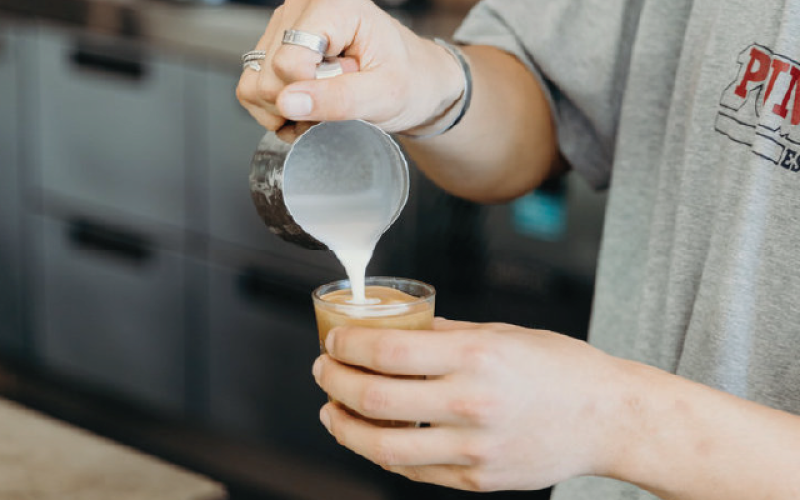
A Complete Guide to Piccolo Latte Coffee: Volume, Recipe, and Key Differences from a Regular Latte
The Piccolo Latte is not commonly seen on coffee menus, and many people know very little about it, sometimes even misunderstanding it because of its small size. This mini milk coffee originating from Italy usually has a capacity of only 85 to 100 milliliters, in sharp contrast to the regular 250 to 300 milliliter latte. This article will explain in detail what a Piccolo Latte is, how it differs from a regular latte, its standard preparation recipe and drinking method, and introduce the Warm Sun blend coffee beans used by Front Street Coffee in its espresso offerings along with their flavor performance, helping coffee lovers gain a comprehensive understanding of this small yet refined milk coffee. [more…]
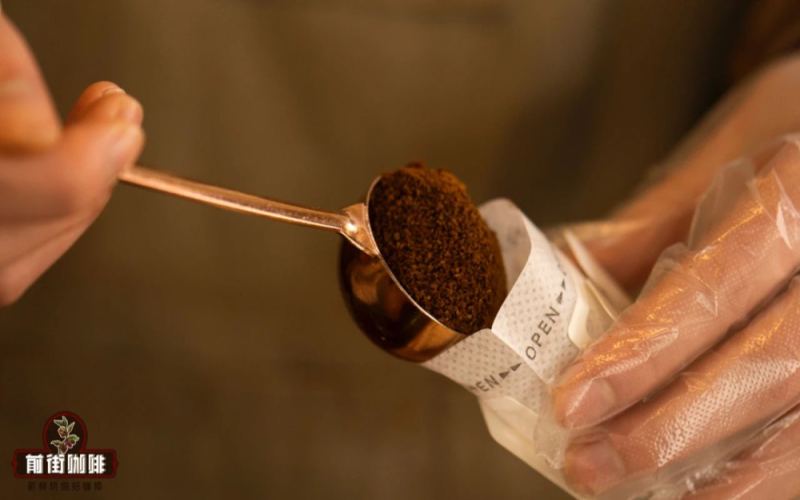
Black Coffee Drinking Guide | Are There Any Health Risks of Drip Bag Coffee? What Are the Benefits and Effects of Drinking Drip Bag Coffee Regularly?
Drip bag coffee is a portable pour-over coffee made by grinding roasted coffee beans to a suitable coarseness, then packaging the grounds in specially designed drip bag coffee packets that are individually sealed. The coffee brewed from drip bag packets is generally black coffee with no sugar, no milk, and no additives. The benefits and drawbacks of drinking drip bag coffee, according to "The Aroma of Coffee [more…]

Hand Grinder User Guide: Burr Structure, Adjustment Settings, and Key Points for Controlling Grind Size
The manual coffee grinder is an essential tool for many pour-over enthusiasts. Beyond price differences, different brands and models directly influence the grinding quality of coffee grounds. It is suitable for home use and can also be combined with French presses, AeroPresses, moka pots, and other devices to create a portable coffee solution for outdoor or travel use. This article, from the perspective of Front Street, systematically explains the burr structure, dial adjustment, handle drive, bean hopper, and grounds container functions of manual coffee grinders, and shares proper grinding operations, grind size selection for different brewing methods, as well as daily cleaning and regular maintenance tips to help you improve grind uniformity and coffee flavor. [more…]