







How Does Cold Brew Coffee Differ From Nitro and Regular?
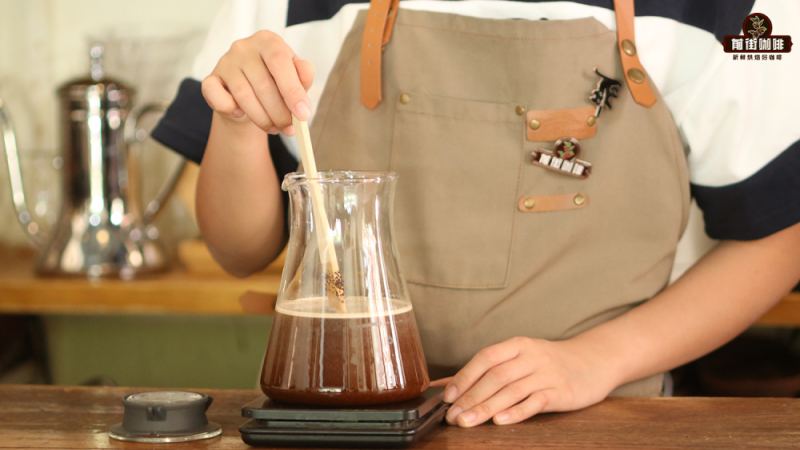
Cold brew coffee is made by steeping grounds in room-temperature or colder water for 12 to 48 hours, which is why it tastes smoother and less acidic than hot-brewed coffee. Within cold brew there are two main styles: cold steep and ice drip. Nitro cold brew is regular cold brew pushed through a nitrogen tap, giving it a creamy, cascading texture, while regular cold brew is simply served still, over ice.
Because the water stays cool, fewer bitter compounds and impurities are pulled out, and the aroma stays trapped in the liquid until the first sip. Recipes call for representative beans such as Honduras Sherry, Costa Rica Beethoven, and washed Yirgacheffe, with grind size and coffee-to-water ratio adjusted step by step for home brewing.
Cold brew coffee has swept the specialty coffee world in recent years. It is extracted by steeping in low-temperature water for a long time, presenting a smooth and delicate flavor profile. This article will systematically introduce the definition and origin of cold brew coffee, compare the differences between nitro cold brew and regular cold brew, and share in detail Front Street Coffee's cold brew and ice drip recipes. From equipment preparation and grind size adjustment to coffee-to-water ratio, we'll teach you step by step how to make a summer cold brew special drink with both aroma and mouthfeel at home, along with flavor references for coffee beans such as Panama Butterfly and Honduras Sherry.
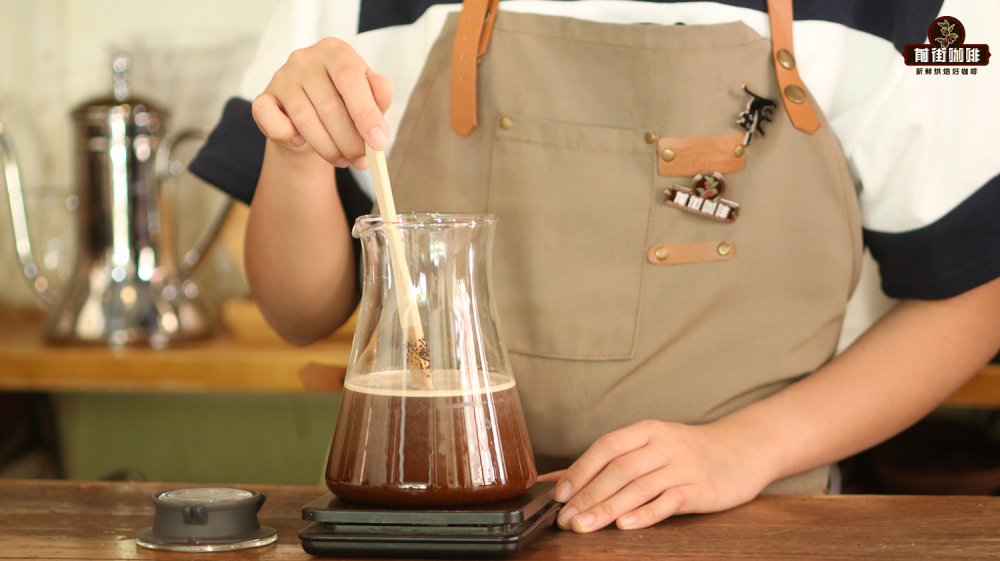
Cold brew coffee, literally understood, is extracted with water at room temperature or lower. Because the water temperature is low, the entire production cycle is lengthened, generally taking 12 to 48 hours to complete. Front Street Coffee regularly updates its cold brew recipes, selecting representative beans such as Honduras Sherry, Costa Rica Beethoven, and washed Yirgacheffe.
What Is Cold Brew Coffee
Cold brew coffee, literally, means using low-temperature water to dissolve the flavor substances in coffee. Strictly speaking, it can be divided into two major categories: cold steep and ice drip. However, many enthusiasts nowadays habitually equate cold brew with ice drip, directly treating cold brew as cold steep coffee.
Today, the focus of Front Street Coffee's discussion is cold steep coffee, which is what everyone generally recognizes as cold brew coffee.
Cold brew coffee relies on low-temperature water to dissolve coffee substances. In order to achieve sufficient concentration, the extraction time is naturally much longer than hot water brewing, which is also the core difference from rapid hot water extraction. The most prominent advantage of cold brew is that the resulting coffee liquid has a smoother and more delicate mouthfeel. The low-temperature environment suppresses the volatilization of flavor substances, allowing the aroma to be retained in the liquid as much as possible. At the moment it enters the mouth, the coffee aroma suddenly releases. This aroma burst experience brings intense pleasure, and it is precisely why cold brew is widely favored.
Since the entire extraction process does not involve high temperatures, relatively fewer impurities are released from the coffee, and the caffeine content is slightly lower. Therefore, people often say that cold brew coffee is healthier. There is some basis for this, but excessive intake of cold drinks can easily irritate the stomach and intestines, so it should still be consumed in moderation. As for the origin of cold brew coffee, many people first learned about it through Starbucks, but cold brew was not invented by Starbucks. Starbucks' real contribution was bringing it to the global market.
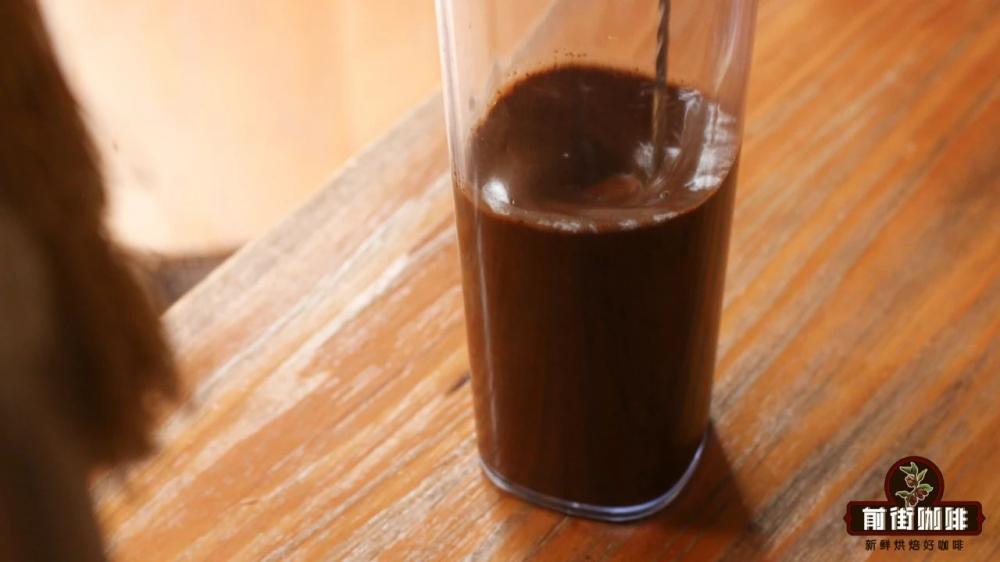
It is said that cold brew coffee was first created by the Dutch. In the 17th century, sailors at sea could not drink hot coffee, so they steeped coffee grounds in cold water and unexpectedly found that it tasted quite good. Cold brew was highly sought after in Western countries, especially by the mid-19th century, when this drink spread around the world. From the UK to Japan and then to the US, various cold brew concentrate products continued to emerge, and it was especially popular in the military.
In the 1960s, Todd Simpson tasted local cold brew coffee while traveling in Peru and became fascinated by it. Not long after, he designed and launched the now world-famous Toddy Cold Brewing System. It was precisely by using the Toddy Cold Brewing System that Starbucks promoted cold brew coffee to the whole world.
Equipment Needed
Grinder: The wonder of coffee lies entirely in the beans. In order to lock in the flavor, try to buy a grinder and grind fresh before making it. If you do not have a grinder, when buying ground coffee, be sure to confirm that it is freshly roasted and freshly ground.
Electronic scale, coffee measuring spoon: used to weigh coffee grounds.
Cold water measuring cup: 200–500 ML, used to measure cold water. Cold brew bottle: the capacity depends on how much coffee you make. It is not limited to professional bottles, but the seal must be good to avoid absorbing odors in the refrigerator. A cocktail shaker is quite suitable for home use.
Dripper, server, filter paper: used to filter the coffee liquid.
How Front Street Makes Cold Brew Coffee
1. First, choose a coffee bean you like. Front Street Coffee uses Panama Butterfly as an example.
Region: Boquete
Variety: Catuai, Caturra, Geisha
Processing method: Washed process
2. After choosing the beans, start grinding. The amount of grounds is 20g. Front Street Coffee suggests a grind size coarser than pour-over. Even though low water temperature makes extraction difficult, the steeping time is very long and it is an immersion extraction. To avoid extracting off-flavors, the grind size still needs to be coarser. Normally, when Front Street Coffee makes pour-over Panama Washed Butterfly, the grind size is 80% passing through a Chinese standard No. 20 sieve, while the grind size used for cold brew should be lower than this ratio, around 40%.
3. The coffee-to-water ratio is 1:15. Choose a sealed bottle with a capacity of more than 300ml. Put the coffee grounds and ice water in sequence (do not use a filter bag here. If you have a filter bag on hand, tie it tightly and then put it into the ice water). Cover the bottle, put it in the refrigerator, and let it sit for 12 hours.
4. Since no filter bag was used for the grounds, it still needs to be filtered once before drinking. Just use filter paper for brewing coffee. Friends who have a filter bag will find the operation even easier.
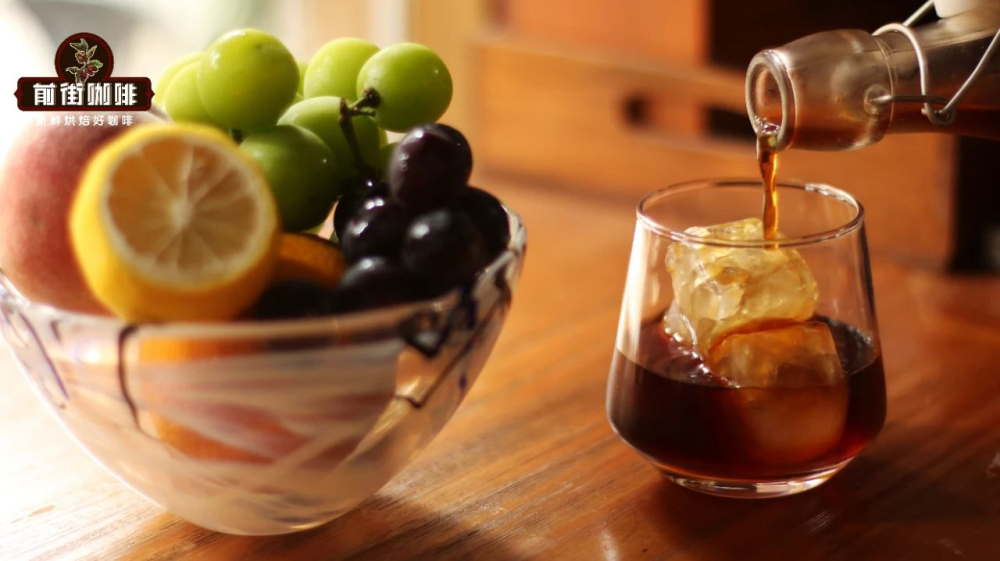
5. A refreshing summer special drink is thus easily completed~
How Does It Taste?
Classic Geisha, tea-like, berries, jasmine floral aroma.
How Front Street Makes Ice Drip Coffee
30g [Honduras Sherry] + 30g [Costa Rica Beethoven]
1. The water-to-coffee ratio used by Front Street Coffee for ice drip is 1:10, that is, 60g of coffee grounds extracts 600ml of coffee liquid.
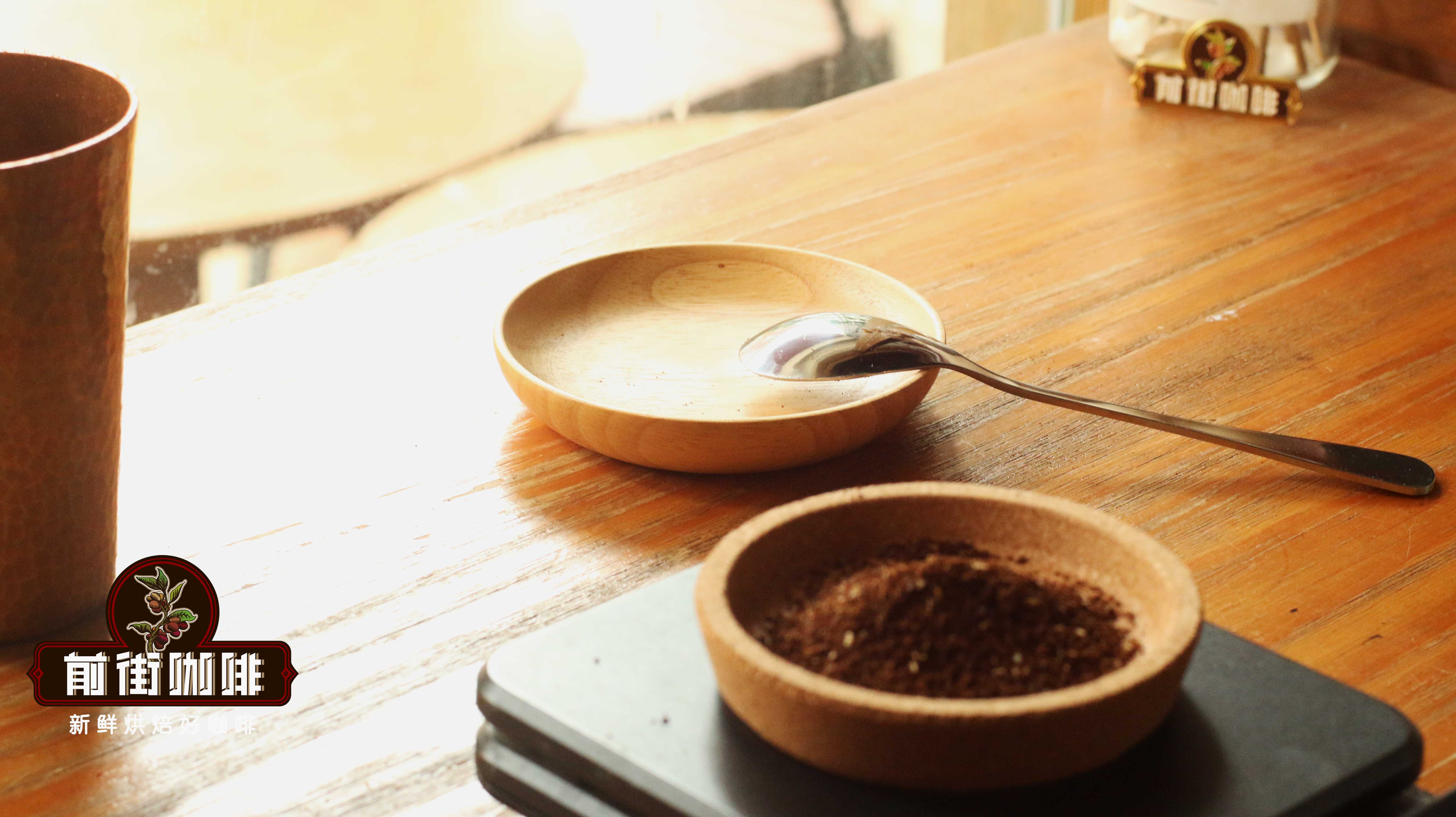
2. Place a round filter paper at the bottom of the coffee powder cup, wet it with water so it adheres to the cup wall, pour in the ground 60g of coffee (coarse sugar size), then shake it flat. You can also use the weight of the tamper itself to gently press the coffee bed so that the surface is level.
3. Remember to place a piece of filter paper on the surface of the grounds. The tension of the filter paper allows water to distribute evenly. Without filter paper, prolonged dripping will form a pit in the coffee bed.
4. Use ice water for "pre-infusion." This step is similar to the blooming process in pour-over and can improve extraction and consistency of the final product. If you start ice drip directly, it may cause uneven wetting of the coffee bed, with some coffee grounds over-extracted while another portion does not participate in extraction at all.
5. Put a 1:1 ice-water mixture into the water container, and adjust the valve to about 7 drops every 10 seconds.
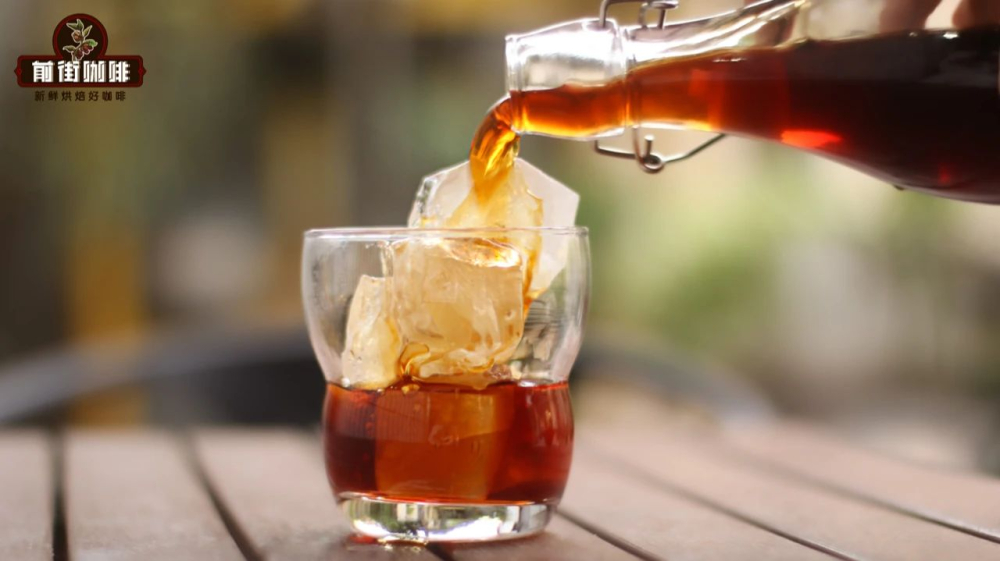
6. After production is complete, pour the coffee liquid into a sealed glass bottle, then put it in the refrigerator to ferment overnight, allowing the coffee flavors to fully integrate. The mouthfeel is better and it is easier to drink.
How Does It Taste?
After being made into ice drip, you can feel a rich whisky aroma. On the palate, there is obvious citrus acidity and the fullness of berry juice, as well as a smoothness like vanilla cream.
For more specialty coffee beans, please add the private WeChat of Front Street Coffee. WeChat ID: kaixinguoguo0925
The above content is compiled by CoffeeHunters, a coffee news website.


