







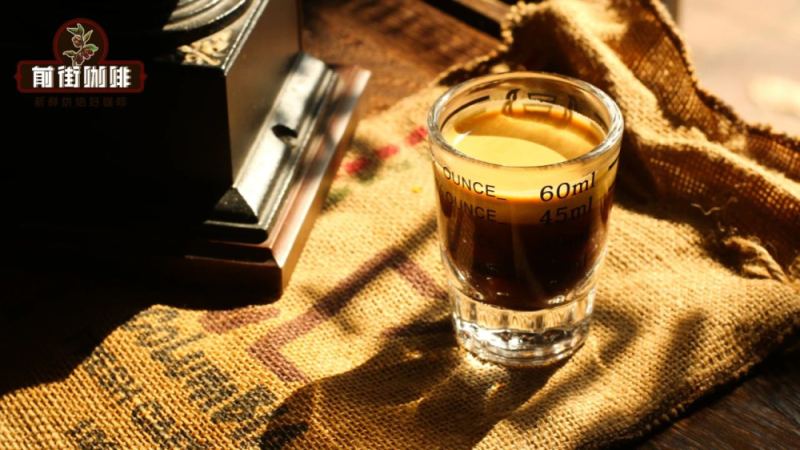
Why are espresso beans roasted and blended differently?
Espresso beans are separated from regular coffee beans because the brewing method shapes how they are roasted. An espresso machine pushes water through fine grounds at about 9 bars of pressure, finishing extraction in tens of seconds. That intensity magnifies a bean's character, so lightly roasted fruity beans can turn sharply acidic, while very dark roasts taste burnt and bitter.
To keep extraction stable, espresso beans usually sit in the medium to dark roast range. A blend coffee combines two or more origin beans, typically 2 to 6 types, while coffee soe refers to a single-origin espresso. The article also lists flavor details for several classic Front Street espresso offerings, so drinkers can match a bean to their setup.
When selecting coffee beans, we often see "espresso beans" listed as a separate category, and this is actually closely related to the extraction principles of espresso machines. High-temperature, pressurized extraction at 9 bars of pressure requires extremely fine coffee grounds and completes flavor release in just a few tens of seconds, which makes the roast level and blending method of the beans different from other brewing methods. So, do espresso beans necessarily have to be roasted very dark? What are the respective advantages of blended beans and SOE single-origin beans? This article will explain the roasting logic and blending principles behind espresso-specific beans, and organize the flavor information of several classic Front Street espresso beans, helping coffee lovers more clearly choose the bean that suits them.
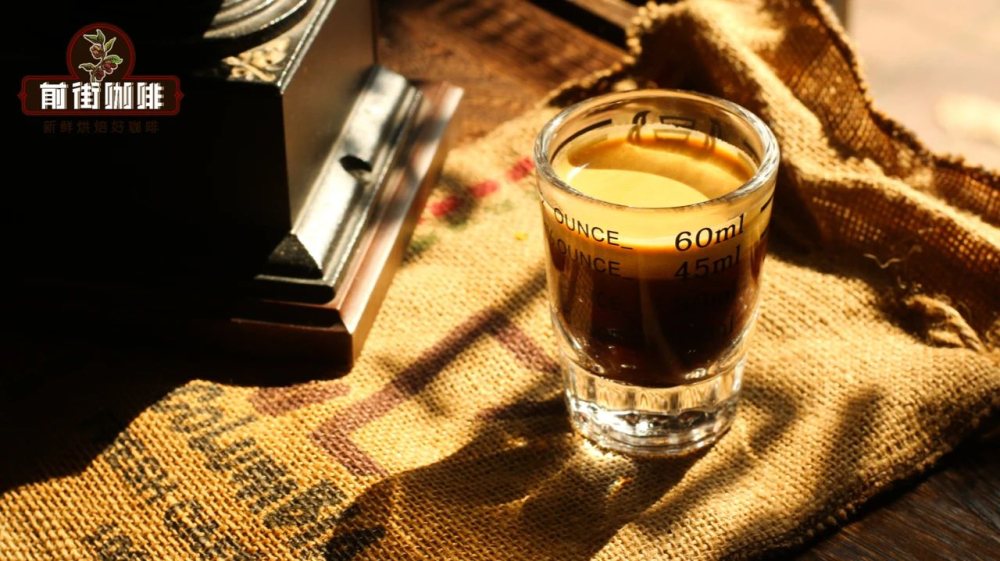
When shopping for coffee beans online, it is easy to notice that products are divided into two major categories: one labeled as espresso beans, and the other collectively referred to as other coffee beans. Why are espresso beans singled out? This starts with how they are made.
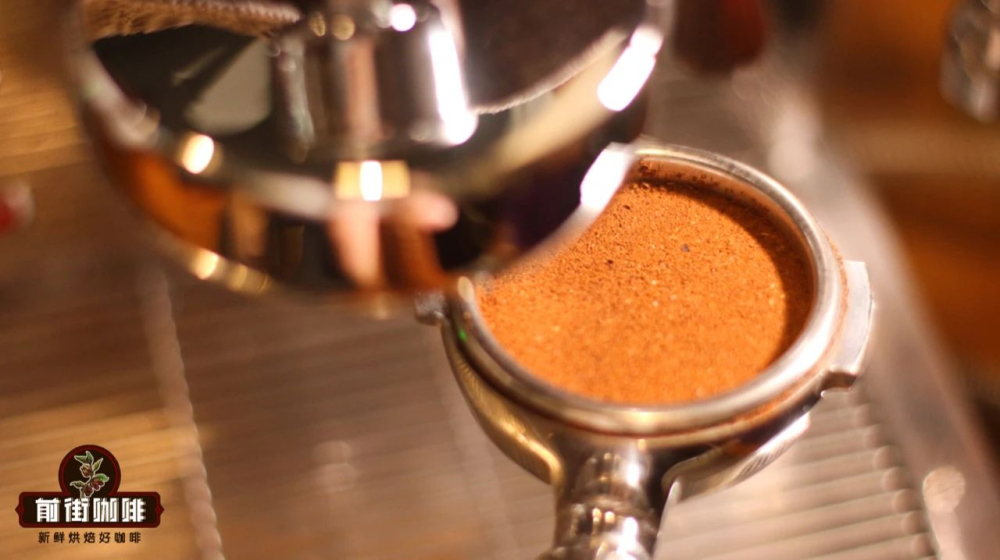
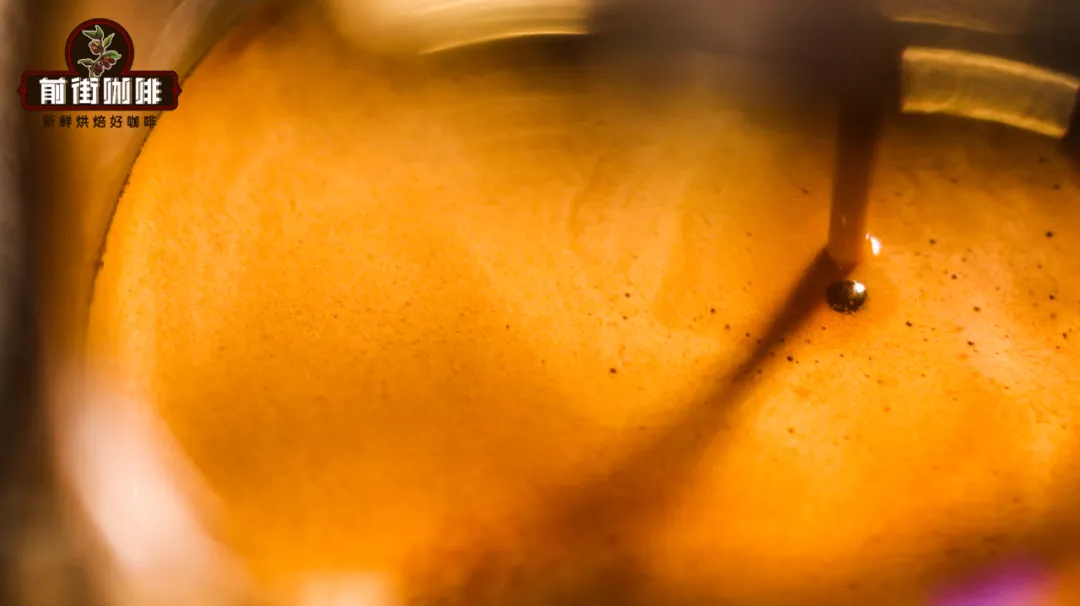
To get a standard espresso, the prerequisite is having a dedicated espresso machine. It allows extremely finely ground coffee to rapidly release flavor components under 9 bars of atmospheric pressure, while also covering the surface with a golden, dense crema.
The extraction method of an espresso machine is pressurized high-temperature extraction, and a single serving of coffee liquid can be completed within a few tens of seconds. Because of this, the coffee grounds must be ground fine enough, which also magnifies the personality of the coffee beans themselves exponentially, making the taste intense and even pungent. For example, using lightly roasted beans with prominent fruity acidity to make espresso can easily produce sharp acidity and astringency; switching to extremely dark-roasted beans will instead present a burnt bitter taste. Therefore, in order to ensure extraction stability, espresso beans are usually concentrated in the medium to dark roast range.
In addition to roast level, whether the coffee's aroma layers can be made richer is equally key. You can choose a single variety, or combine beans from multiple origins into a blend.
A blend, of course, refers to a mixture of two or more original beans. In practice, 2 to 6 types of coffee beans are generally used, as too many types will instead cause uniqueness to be lost. A 1:1 ratio is rarely used in blending, because this can easily cause the distinctive flavors of each to suppress one another; the primary and secondary roles must be clearly distinguished in order to create a taste better than single-origin coffee. If you want the finished flavor to be more complex and varied, you can appropriately lower the proportion of the main bean; otherwise, increase it.
1. [Front Street Classic Espresso Blend Coffee Beans] Front Street Brazil: Front Street Indonesia Mandheling: Front Street Vietnam; Flavor characteristics: rich crema, with an obvious caramel aroma lingering, strong nut and dark chocolate flavors, and a comfortable sweet aftertaste.
2. [Espresso Beans Recommended by Many Baristas - Front Street Dark Cocoa Blend Coffee Beans] Yunnan AA: Brazil;
Flavor characteristics: with soft fruity acidity, caramel sweetness, nut and dark chocolate flavors, smooth and viscous, but the taste is relatively light.
3. [Front Street Strawberry Candy Espresso Blend Coffee Beans] Costa Rica: Colombia: Ethiopia;
Front Street Strawberry Candy Espresso Beans is a blend based on two major origins: Front Street Costa Rica Tarrazu, famous for its honey processing, and Ethiopia, the birthplace of coffee. On this basis, with the addition of Colombian coffee beans, the extracted espresso has the sweet aroma of strawberry fruit candy, grapes, and roses, with a soft mouthfeel, low bitterness, and a lasting finish.
If the strength of a blend lies in its rich aroma and stable extraction, then single-origin espresso beans allow us to experience a clear regional flavor.
Brazil Single-Origin Coffee — Front Street Queen Estate SOE Single-Origin Coffee Beans
Flavor: creamy peanut, nuts, chocolate, sucrose, slight acidity
PNG Single-Origin Coffee Beans — Front Street Bird of Paradise SOE
Flavor: baked bread, nuts, citrus, cocoa, cream, balanced acidity, sweetness, and bitterness
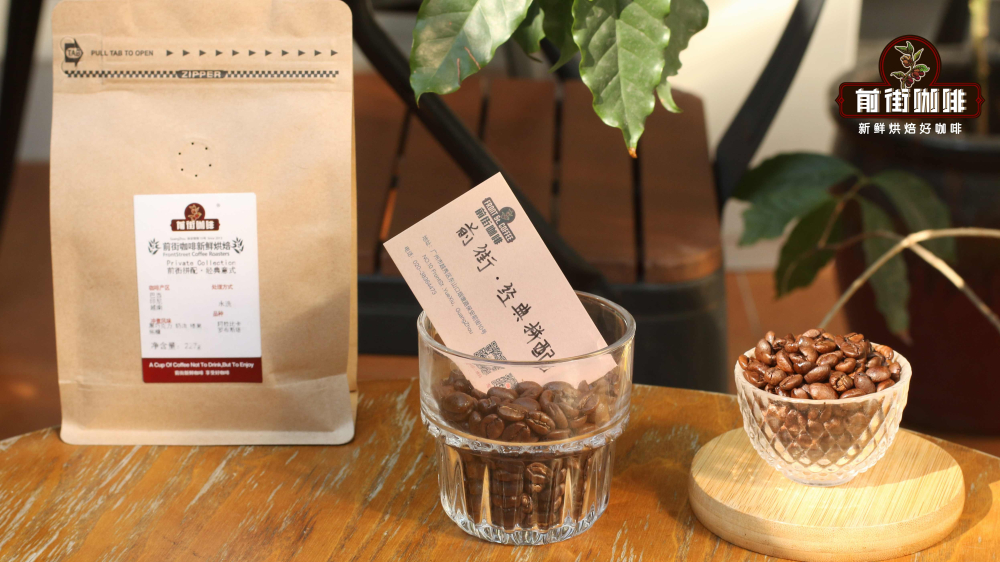
Costa Rica Single-Origin Coffee Beans — Front Street Mozart SOE
Flavor: osmanthus, pineapple, orange, raisins, nuts
The above content is compiled by CoffeeHunters, a coffee news website.


