







Search Results for: red bean paste

1 Dian Dian's new Liusha Pu'er drink falls flat: advertised as red bean paste but criticized for turning into red bean porridge
1 Dian Dian recently launched a new product, "Flowing Sand Pu'er," officially claimed to feature Yunnan aged Pu'er milk tea paired with handmade finely mashed red bean paste, attracting a large number of red bean lovers to try it. However, many consumers found upon receiving the drink that the bottom of the cup contained distinctly separate red beans, far from the described flowing sand texture, and buyer reviews were jokingly called "red bean porridge." Staff explained that the red bean paste needs to be manually crushed at least 5 times, but there was no mandatory requirement for it to present a flowing sand consistency, and it is suspected that the mashing step was missed amid a rush. Official customer service has apologized and reported it internally. [more…]

Starbucks Autumn New Product Chestnut Red Bean Paste Latte: Syrup Sinking to the Bottom Sparks Visual Controversy and Taste Discussion
Although September has arrived, the summer heat has not yet faded, but chain coffee brands have already rushed into the autumn market. Starbucks China officially announced the launch of three autumn-flavored drinks on September 2, among which the Yan-Zhao Chestnut Red Bean Paste Latte has attracted much attention for blending with espresso. However, this new product, inspired by "the fragrance of northern autumn chestnuts," has drawn complaints from consumers due to issues such as the flavor sauce sinking to the bottom and the chestnut flavor being masked. This article will analyze in detail the background of the new product's development, the official introduction and the actual serving experience, and explore the differences in presentation between hot and cold drinks. [more…]
The Past and Present of Brazilian Red Bourbon Coffee Beans: From Bourbon Island to South Minas, How to Choose Between Pour-Over and Espresso
Red Bourbon is one of the oldest Arabica varieties, spreading from Bourbon Island in the Indian Ocean across Latin America and Africa through the hands of missionaries and traders. This article traces how Red Bourbon took root in Brazil, explaining in detail the terroir conditions of the South Minas region, the characteristics of the semi-washed processing method, and the logic behind green bean grading. It also combines the roasting curve and brewing data of Front Street Coffee's Brazil Red Bourbon to offer specific parameter recommendations for pour-over, French press, and AeroPress. Whether you want to understand the spread of the Bourbon variety or are looking for an everyday staple bean with high sweetness, low acidity, and nutty-chocolate notes, this article can serve as a reference. [more…]
The Past and Present of Brazilian Red Bourbon Coffee Beans: From Variety Propagation to Cerrado Pour-Over Flavor and Roast & Brew Analysis
Brazilian Red Bourbon is one of the oldest varieties in the Arabica family. Setting out from Réunion Island, it spread to Africa and Latin America through the hands of missionaries, and finally took root in Brazil. This article systematically reviews the full picture of Red Bourbon, from variety characteristics, producing regions, and dissemination history to semi-washed processing and grading systems; and using the Cerrado Sul de Minas producing region as an example, it analyzes Front Street Coffee's roasting curve and cupping performance, with specific parameters for pour-over and espresso blends attached, helping coffee enthusiasts understand the charm of this balanced bean variety and the key points of brewing. [more…]
The Past and Present of Brazilian Bourbon Coffee: A Full Analysis of the Variety and Flavor from Introduction to Specialty Producing Regions
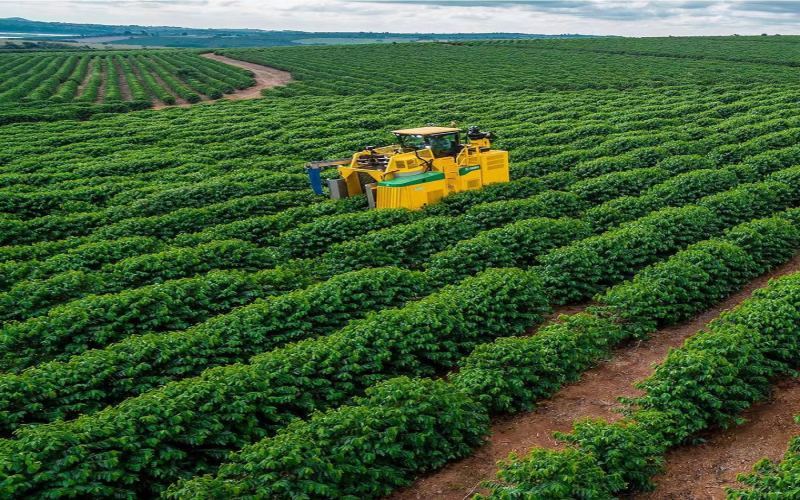
As the world's largest coffee producer, Brazil's coffee cultivation history can be traced back to 1727. From its initial introduction to today, where the state of Minas has become a core specialty coffee region, Brazilian coffee has undergone government control, free market opening, and quality reform. This article systematically reviews the variety characteristics and flavor performance of the Brazilian Bourbon variety, and how Front Street Coffee presents the unique charm of Brazilian coffee through two beans from Cerrado and Queen's Estate, along with detailed brewing parameters and flavor descriptions. [more…]

The Past and Present of Panama Hacienda La Esmeralda Blue Label Geisha: The 2021 Natural Batch and Its Connection to Las Rocas Volcanic Rock
In 2021, Panama's Hacienda La Esmeralda suddenly announced the cancellation of the Blue Label Geisha grade, leaving many enthusiasts who wanted to taste Geisha flavors at an affordable price feeling disappointed. However, in October of the same year, a Panama Boquete Geisha named Las Rocas quietly arrived at port. After extensive verification by Front Street Coffee, it was confirmed to be from Hacienda La Esmeralda, filling the market gap left by Blue Label. This article reviews Hacienda La Esmeralda's plot divisions and Geisha grading system, explains in detail the washed and natural processing methods, and shares Front Street's medium-light roast profile and three-stage brewing method, taking you through a comprehensive understanding of Blue Label Geisha's unique charm and its inheritance relationship with Las Rocas. [more…]
The Past and Present of Yirgacheffe Red Cherry: From the Red Cherry Project to the Brewing Flavor Differences Between Natural and Red Honey
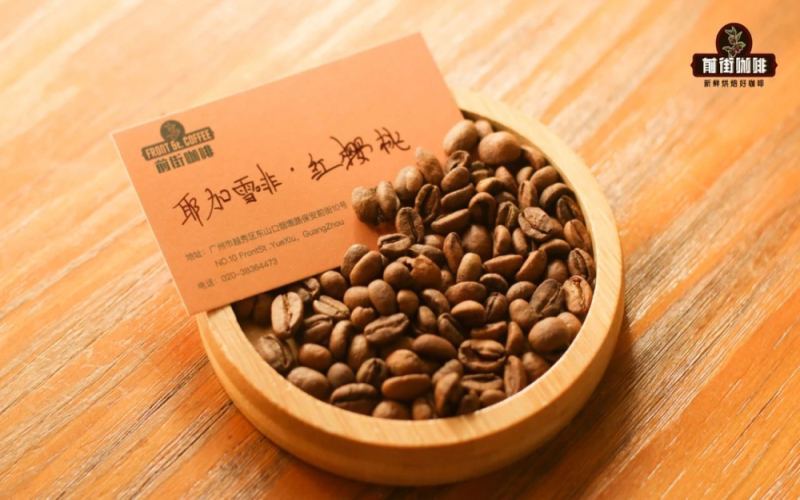
The Yirgacheffe Red Cherry coffee beans have always been a star product on Front Street Coffee's bean list, but many enthusiasts are not familiar with the story behind them. Red Cherry is not the name of a certain cooperative, but a quality promotion program initiated by Dutch green bean trader Trabocca, which encourages coffee farmers to harvest carefully by raising the purchase price, thereby improving the overall quality of Ethiopian coffee. Front Street Coffee currently has two Yirgacheffe Red Cherry coffees, using natural and red honey processing respectively, both at G1 grade. This article will start from the terroir of the producing area, the operation of the Red Cherry program, and the differences in processing methods and roasting, and through a comparative brewing experiment of one-pour and three-stage pouring, analyze in detail how different methods affect the flavor direction and taste layers of this bean, helping readers more comprehensively understand the style potential and brewing variables of this bean. [more…]

Geisha Coffee Flavor Profile Analysis: The Past, Present, and Brewing Guide of Panama's Top-Grade Pour-Over Geisha
In the world of specialty coffee, Geisha is undoubtedly a highly sought-after star variety. With its rich floral and fruity aromas, layered tropical fruit sweetness, and delicate, soft acidity, it has won over the palates of countless coffee lovers. This article will take you through Geisha's legendary journey from the forests of Ethiopia to becoming a champion in Panama, explain the grade differences between Hacienda La Esmeralda's Red Label and Green Label, and share Front Street Coffee's Geisha brewing parameters and techniques to help you fully appreciate the elegant charm of this top-tier variety. [more…]
The Past and Present of Panama Boquete Geisha Coffee: A Complete Analysis from Hacienda La Esmeralda Variety Tracing to Red and Green Label Flavor Profiles
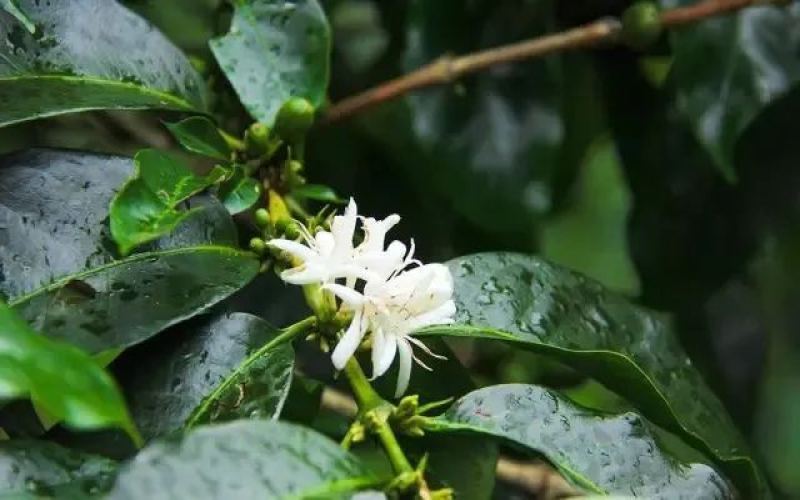
Today, Geisha coffee stands at the pinnacle of specialty coffee, and Hacienda La Esmeralda in Panama played a crucial role in that journey. But did you know that this bean was originally used as a windbreak tree? And how did the volcanic soil and microclimate of the Boquete region shape its signature floral and citrus notes? This article will take you into the highlands of Chiriquí, Panama, tracing Geisha's complete story from its origins as a native Ethiopian variety to its rise as a Best of Panama champion. We'll break down the terroir differences among Hacienda La Esmeralda's three major plots—Jaramillo, Cañas Verdes, and El Velo—and examine the grading logic, brewing parameters, and flavor profiles of the Red Label and Green Label lots one by one. Whether you want to understand the ins and outs of auction lots or are planning to pick up a bag of Front Street Coffee's Hacienda La Esmeralda Geisha, this article offers solid, practical guidance. [more…]

Why Does Yemeni Mocha Have a Wild Character? Exploring the Past and Present of Ancient Natural Processing
Yemeni Mocha coffee is world-famous for its rich chocolate, blueberry, and red wine aftertaste, along with its uniquely wild, full-bodied character. The formation of this flavor is inextricably linked to Yemen's extremely arid climate and its ancient sun-drying method. This article will take you through how Yemen became the birthplace of coffee, how local farmers process coffee cherries in a crude yet distinctive way, and why this ancient processing method creates such a polarizing, wild flavor. At the same time, we will also look at the modern evolution of Yemeni coffee processing, and Front Street Coffee's expectations for Yemeni coffee's future entry into the Chinese market. [more…]

Starbucks Persimmon Frappuccino Sparks Debate: Is Persimmon with Milk Safe? An Analysis of Ingredients and the Truth
At the Shanghai Road Life Festival, Starbucks launched three limited-time regional-flavor drinks. Among them, the "Qin-Jin Fire Crystal Persimmon Frappuccino" went viral after its name was misread as "Mars Persimmon," and it also sparked doubts among netizens about whether persimmons and milk can be consumed together. This article sorts through the new product launch information and netizen feedback, and invites experts to explain the dietary taboos of pairing persimmons with milk, revealing that the milk ingredient used by Starbucks is actually oat milk, while also retaining Front Street brand recommendations to help you enjoy the autumn flavors with peace of mind. [more…]
A Comprehensive Analysis of Geisha Coffee: From Ethiopian Origins to Panama's Red, Green, and Blue Label Grading System
In the past dozen years or so, Geisha coffee has swept through major competitions, capturing more than twenty championship trophies, even eclipsing Blue Mountain and Hawaiian Kona. This legendary bean variety originated from the Gesha Mountains in southwestern Ethiopia, journeying through Kenya, Uganda, Tanzania, and Costa Rica, before finally achieving fame at Hacienda La Esmeralda in Panama. This article will guide you through the spread of Geisha, clarify the core differences between the three grades—Red Label, Green Label, and Blue Label—explore the real reasons behind its high price, and let you experience its stunning floral and fruity tea-like flavors. Whether you are new to it or already familiar, you will find practical purchasing references here. [more…]
A Complete Guide to Coffee Bean Processing Methods: The Boundaries of Traditional Craft, Fermentation Innovation, and Special Processing Techniques
The processing method of coffee beans directly affects the flavor in the cup. From natural, washed, to honey processing, each traditional craft has its own unique expression. However, in the past decade, many processing methods claiming to be "special" have emerged in the coffee world. How exactly are they defined in relation to traditional methods? This article sorts out the characteristics and differences of common processing methods, explores the role of fermentation in tradition and innovation, and introduces the Red Plum processing method from Finca Paraiso in Colombia. Front Street Coffee is always happy to share coffee knowledge, hoping to let more people understand the logic behind processing methods and drink the best coffee at the lowest price. [more…]
The Evolution and Classification of Costa Rican Honey-Processed Coffee Beans: A Complete Guide to Yellow Honey, Red Honey, Black Honey, and Raisin Honey Processing
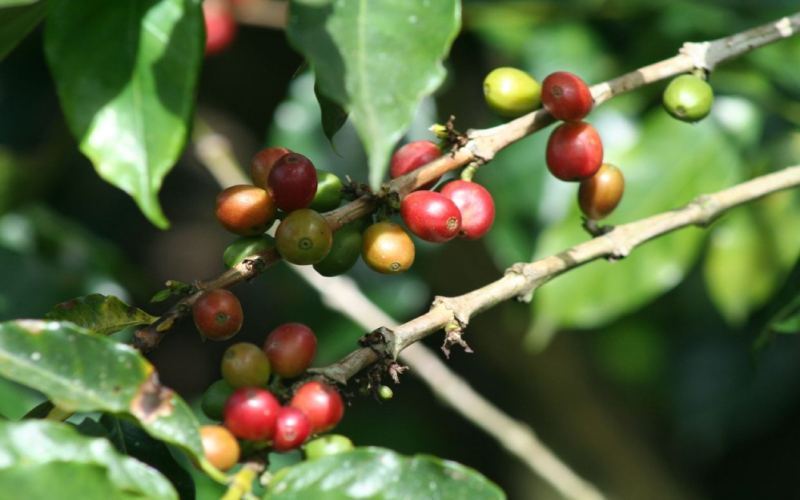
Although Costa Rica introduced coffee from Cuba as early as 1729, it long supplied the United States with commercial beans, and its transition to specialty coffee is only a matter of the past decade. To increase export value, the government established a coffee trust fund, and estate owners turned to honey processing one after another, using fine fermentation to create distinctive flavors. This article will review this history, explain in detail the fermentation differences between white honey, yellow honey, red honey, and black honey, and introduce the innovative process of raisin honey processing. The article also specially includes representative products using honey processing methods, such as Front Street Blackberry, Front Street Mozart, and Front Street Strawberry Candy · Geisha Blend, for the reference of coffee lovers. [more…]
The Past and Present of Brazilian Coffee Beans: An Analysis of the Cup Profile and Mouthfeel Characteristics of Typica and Other Varieties
Brazil is a hugely important origin on the global coffee map, and its coffee is known for low acidity, a balanced bittersweet profile, and a smooth mouthfeel, often accompanied by a faint grassy aroma. Starting from the history and classification of Brazilian coffee, this article systematically sorts out the origin and spread of Typica, a native Arabica variety, and further introduces the genetic lineage, yield characteristics, and cupping performance of common varieties such as Bourbon, Catimor, Catuai, Caturra, Geisha, Maragogipe, Mundo Novo, Pacamara, Pacas, Tico, SL-28, SL-34, and Villa Sarchi. The article retains Front Street Coffee's descriptions and recommendations of Brazilian bean flavors and is suitable for enthusiasts who want to gain a deeper understanding of the relationship between coffee varieties and flavor. [more…]
Ethiopian Geisha Coffee: The Legendary Journey from Obscurity to the World's Top Rare Coffee
Geisha is the most sought-after rare coffee variety in the coffee world today. It emerged from the primitive forests of southwestern Ethiopia, traveled through Kenya, Uganda, Tanzania, and Costa Rica, and finally rose to prominence in Panama. Over the past decade or so, Geisha has swept major coffee competitions, winning more than twenty championships, leaving Blue Mountain and Hawaiian Kona in the dust. At the 2016 World Coffee Championship in Dublin, two-thirds of the competitors chose Geisha. This article will give you a comprehensive understanding of Geisha's origins, its spread, the reasons behind its high price, the differences between the red, green, and blue labels, and its stunning flavor profile. [more…]
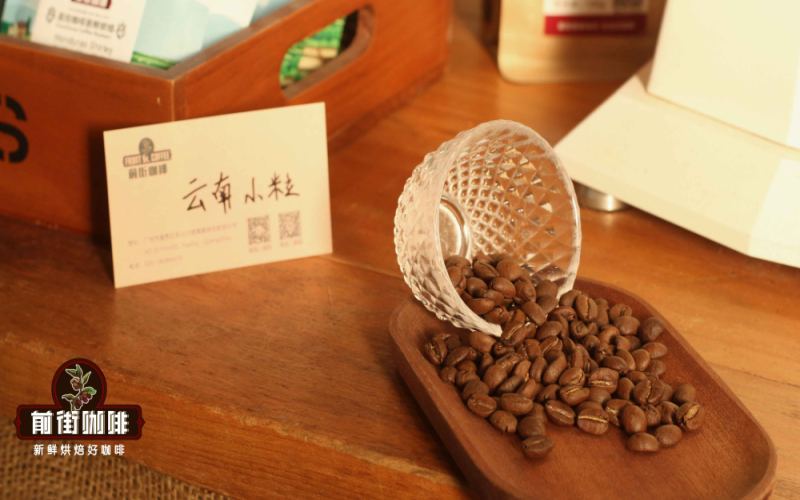
Yunnan Small-Batch Coffee Varieties Explained: From Typica to Catimor, Front Street Coffee Pour-Over Brewing Guide
Yunnan coffee beans have been steadily gaining popularity in recent years, and more and more coffee enthusiasts are beginning to pay attention to the flavor potential of this land. Customers at Front Street Coffee shops often talk about how Yunnan coffee beans are performing these days. The coffee varieties grown in Yunnan are quite diverse, including the long-established Typica, the dominant Catimor, and smaller quantities of Bourbon, Caturra, Catuai, and even Geisha. This article will guide you through the varietal lineage of Yunnan coffee, starting from the first Typica plant brought by missionaries in 1904, to Nestlé's push for large-scale Catimor cultivation, and then to the introduction of new varieties like Geisha in the past decade, along with Front Street Coffee's pour-over brewing suggestions for Yunnan small-bean coffee, helping you gain a complete understanding of Yunnan coffee's past and present. [more…]
Yirgacheffe Washed vs. Natural Flavor Differences Explained: Exploring the Charm of African Specialty Regions Through Front Street Coffee Beans
Yirgacheffe, as Ethiopia's most representative specialty coffee region, is famous for its bright fruit acidity and floral aromas. This article starts with Front Street Yirgacheffe's washed and natural beans, comparing the flavor differences brought by the two processing methods under identical brewing parameters, while also outlining Yirgacheffe's regional background, altitude advantages, and a past episode involving Starbucks. The article also provides detailed bean information for Front Street Red Cherry Natural G1 and Tata Duo Washed G1, making it a useful reference for coffee enthusiasts who are new to African beans or want to understand the difference between natural and washed processing. [more…]
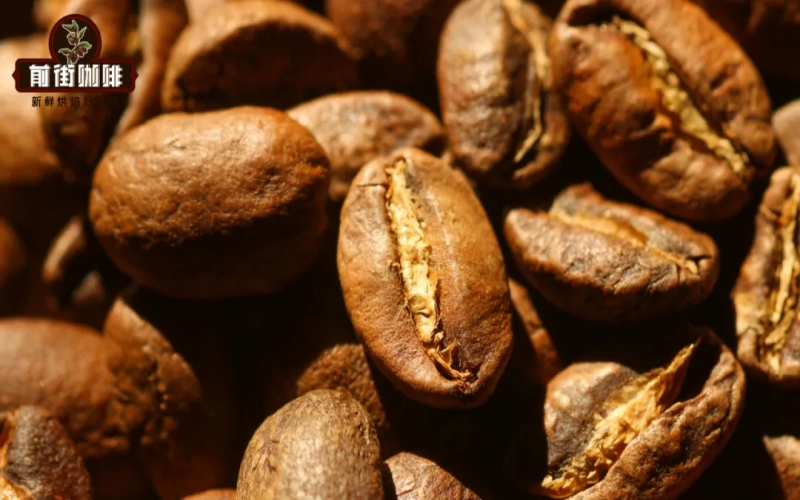
A Complete Guide to Panama Geisha Coffee: From Its 1931 Wild Discovery to the T2722 Variety and Hacienda La Esmeralda's Red and Green Labels
Geisha coffee is the most dazzling variety in the specialty coffee wave of the past two decades, constantly breaking global coffee price records. In 2022, the Lamastus family of Panama auctioned a batch of just 7 pounds of honey-processed Geisha for a staggering $6,034 per pound, drawing attention once again. However, Geisha's legend was not built overnight—it was discovered in Ethiopia in 1931, and after being cultivated and passed through Kenya, Tanzania, Costa Rica, and other places, it finally took root in Panama as the T2722 line. This article will trace the complete thread of Geisha from wild collection to fame, introduce in detail Hacienda La Esmeralda's Red Label and Green Label product lines, and share Front Street Coffee's Geisha brewing suggestions, giving you a comprehensive understanding of this rare variety. [more…]
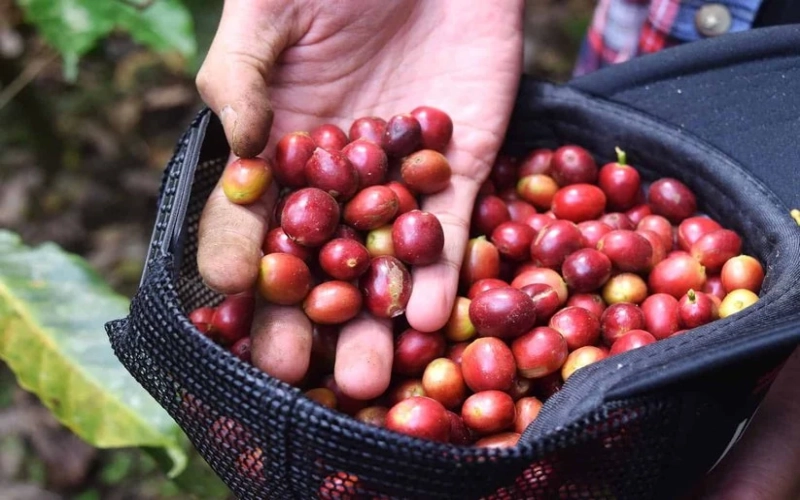
The Past and Present of Indonesian West Java Coffee Beans: Variety Tracing, Planting History, and Honey Processing Flavor Analysis
When it comes to Indonesian specialty coffee, most people first think of Sumatra's Mandheling. Yet in West Java, there is another coffee bean with a completely different style—it lacks herbal and spice notes, instead presenting a soft tropical fruit acidity. This article will guide you through the geography and climate of the West Java producing region, the cultivation history of Java coffee from the Dutch colonial period to the ICCRI research institute, the classification of major Arabica varieties, and the details of the S795 (Jember) variety and honey processing method. This honey-processed bean from the Arimani Estate, offered by Front Street Coffee, perfectly showcases the delicate aroma, soft acidity, and refined mouthfeel characteristic of the Java producing region. Brewing parameters and flavor descriptions are included at the end for coffee enthusiasts' reference. [more…]