







What Ingredients in Coffee Does the New Starbucks Latte Use?
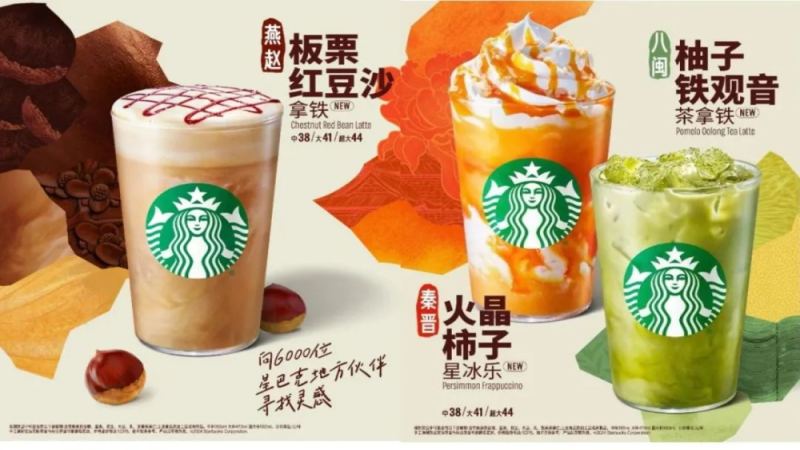
Starbucks China announced three autumn drinks on September 2 across more than 7,300 stores. The Yanzhao Chestnut Red Bean Paste Latte combines chestnut from the Yanshan area, red bean paste and espresso. Drinkers complained that the flavor sauce sank to the bottom and the chestnut note was masked, and that hot and cold versions present differently.
The recipes came from a think tank of 151 partner representatives and took about a month to develop, drawing on regional ingredients such as chestnuts, red bean paste, fire crystal persimmons, pomelo and Tieguanyin. Baristas add the sauce in set proportions, so the milk to coffee ratio latte and the order of pouring shape what reaches the cup.
September has arrived, yet the summer heat lingers, but chain coffee brands have already raced ahead into the autumn market. Starbucks China officially announced on September 2 the launch of three autumn-flavored drinks, among which the Yanzhao Chestnut Red Bean Paste Latte has drawn much attention for blending in espresso. However, this new product, inspired by "the fragrance of northern autumn chestnuts," has triggered consumer complaints due to issues such as the flavor sauce sinking to the bottom and the chestnut flavor being masked. This article will analyze in detail the background of the new product's development, the official introduction and the actual drinking experience, and explore the differences in presentation between hot and cold drinks.
▲
Click to follow | Daily specialty coffee culture magazine Coffee Workshop
Entering September, the weather remains swelteringly hot, and people feel no hint of autumn at all. Yet chain brands have not slowed their pace of innovation; instead, to welcome the upcoming golden autumn, they have rolled out seasonal new products one after another, striving to seize the first wave of autumn market buzz.
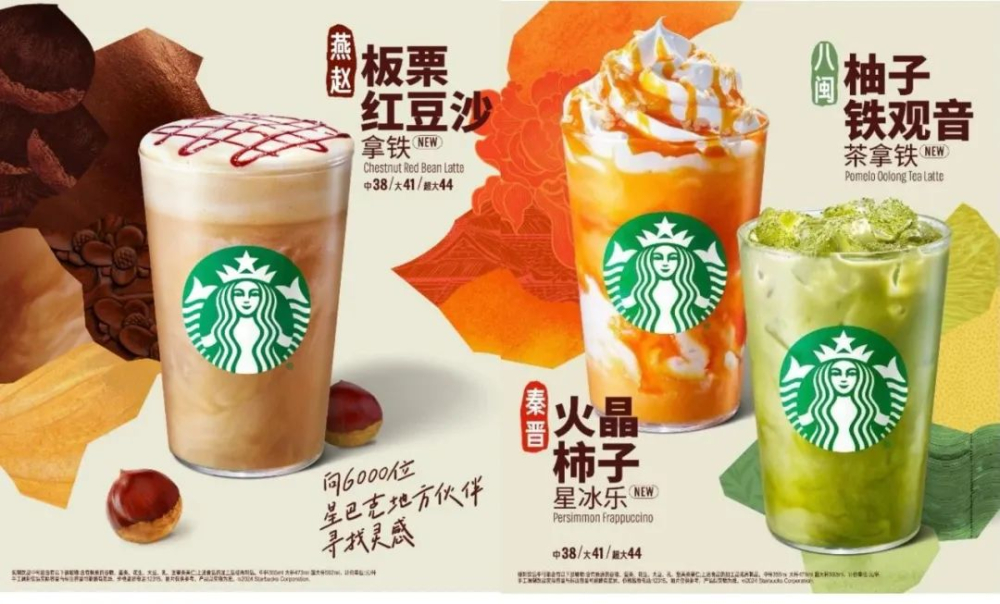
On September 2, Starbucks China officially announced that it would launch three autumn-flavored drinks at more than 7,300 stores across the country: the Yanzhao Chestnut Red Bean Paste Latte, the Qinjin Fire Crystal Persimmon Frappuccino, and the Bamin Pomelo Tieguanyin Tea Latte.
It is understood that the ideas for these new products came from a "think tank" made up of 151 partner representatives in China, blending seasonal ingredients from many places from north to south, such as chestnuts, red bean paste, fire crystal persimmons, pomelo and Tieguanyin, and took a month to develop.
Compared with the other two drinks that contain no coffee, the Chestnut Red Bean Paste Latte is more harmonious in its flavor combination, and because it includes espresso, it has become the first choice for office workers who urgently need a pick-me-up on Monday.
It is said that the R&D team drew inspiration from "the fragrance of northern autumn chestnuts," selecting chestnuts from the Yanshan area and carefully blending them with red bean paste and espresso. In actual preparation, store baristas need to add the flavor sauce in proportion to present the two flavors of "chestnut" and "red bean paste." In the ordering system, Starbucks sets the default pumps of chestnut red bean flavor sauce at 4 pumps, and customers can adjust it according to personal taste.
For this Yanzhao Chestnut Red Bean Paste Latte, Starbucks' official description is: "The sweetness of chestnuts and the caramel-like sweetness of espresso slowly bloom on the taste buds, releasing layer upon layer of wonderful sensations. This cup of silky, rich latte, accompanied by a touch of everyday warmth, warms you into autumn with one sip."
It is not hard to see that, as the first wave of autumn launches, Starbucks deliberately highlighted autumn and winter keywords such as "warmth" in its promotion, trying to make consumers immediately associate it with hot coffee with chestnut and red bean flavors, and this latte was also presented as a hot drink in both posters and promotional materials.
However, many cities across the country are still in the early autumn gripped by high temperatures, and compared with the hot coffee Starbucks is pushing, people crave a refreshing, ice-cold drink even more.
But when consumers receive the iced Chestnut Red Bean Paste Latte they ordered at Starbucks, they taste only a strong red bean flavor, followed by the bitterness of coffee interwoven with the overly prominent sweetness of the red bean sauce, while the chestnut flavor is almost completely masked. Even more surprising is that when you lift the coffee cup and look at the bottom, the flavor sauce has not blended into the latte at all, but has all settled at the bottom.
Because hot drinks are served in opaque paper cups or dine-in ceramic cups, baristas use dark flavor sauce to draw a grid pattern on the surface of the milk foam as decoration, so when it finally reaches the customer, it usually looks quite good. Even if the syrup fails to dissolve completely and settles at the bottom of the cup, it is hard for customers to notice.
Front Street Coffee suggests that if you want to try this new product, you can choose the hot drink and stir it thoroughly so as to better experience the blended flavor of chestnuts and red bean paste.
Disclaimer: Some images in this article are from the internet. For some content on the website, such as images, we will respect the original author's copyright and indicate the source, but due to the large quantity, there may be individual images or texts that have not yet been credited. Please forgive us. If the original author has any dispute, they may contact the website for handling, and once verified we will correct it immediately. Compiled and edited by "Coffee Workshop"; please indicate the source when reposting. If there is any infringement, please inform us for deletion. Thank you~!
The above content is compiled by CoffeeHunters, a coffee news website.


