








How does natural coffee processing shape Yemeni Mocha?
Yemeni Mocha is known for chocolate, blueberry, and red wine notes with a wild, full-bodied character. The flavor comes from two things: Yemen's very dry climate and its old natural coffee processing, in which whole cherries dry in the sun rather than being washed. Yemen is also the first country to cultivate coffee as a large-scale crop, and Mocha Port gave the coffee its name.
Early Yemenis did not drink coffee as a beverage. After harvest, they boiled husk, pulp, and beans together, sometimes with cardamom or ginger, in a drink called Qahwa. By 1450, Yemeni Muslims drank coffee to stay awake for night prayers. Where is mocha coffee from? From this dry, short-rainy-season country, and its processing still shapes how the cup tastes today.
Yemeni Mocha coffee is renowned worldwide for its rich chocolate, blueberry, and red wine aftertaste, along with its unique wild, full-bodied character. The formation of this flavor is inseparable from Yemen's extremely arid climate and its ancient natural processing method. This article will take you through how Yemen became the birthplace of coffee, how local coffee farmers process coffee cherries in a rough yet distinctive way, and why this ancient processing method creates such a polarizing wild flavor. At the same time, we will also look at the modern evolution of Yemeni coffee processing and Front Street Coffee's expectations for Yemeni coffee entering the Chinese market in the future.

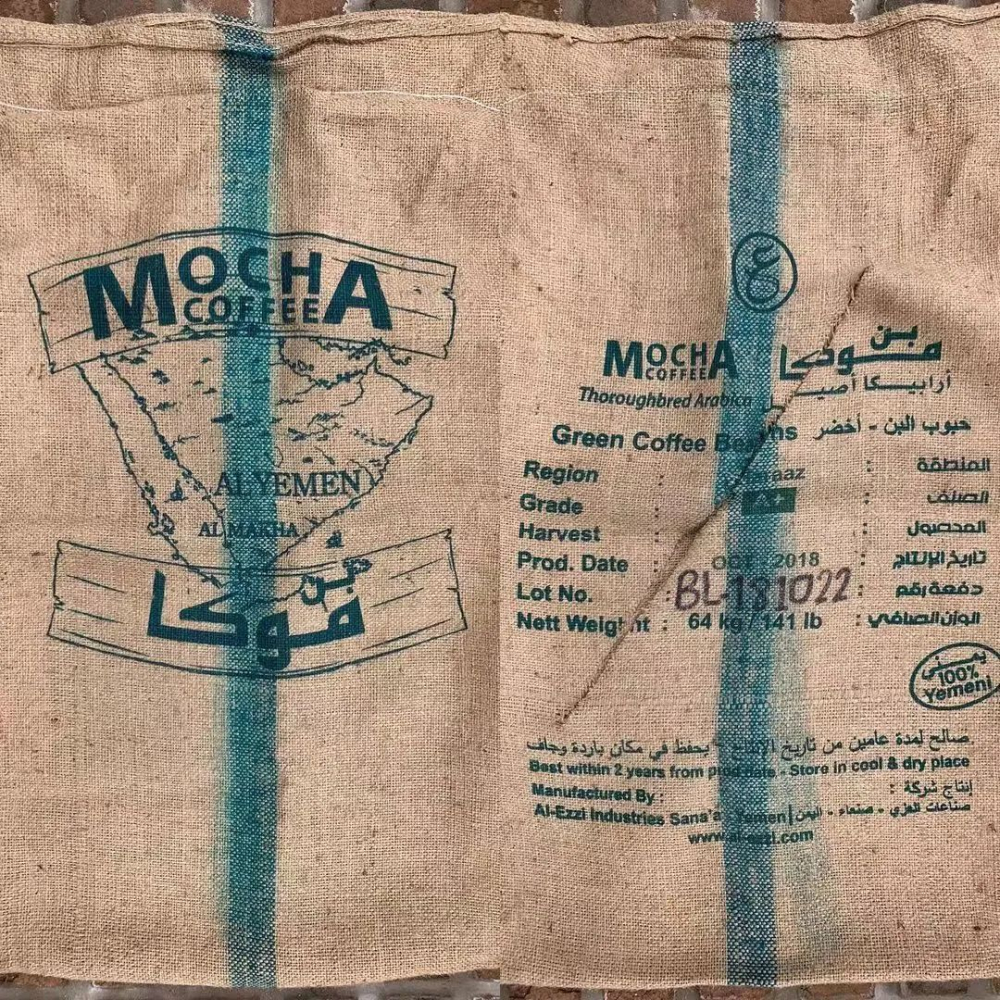
Yemen is located in Asia, facing Ethiopia across the sea. The key reason this country could become the starting point for coffee's journey to the world lies in its port city — Mocha Port. Front Street Coffee often mentions that for about three hundred years starting from the 17th century, almost all global coffee trade had to pass through Yemen's Mocha Port. Coffee beans exported from Mocha Port were usually marked with MOCHA to indicate their authentic origin.
People's strong interest in Yemeni coffee is not only due to trade history, but also because the coffee produced here has an extremely unique flavor. It is precisely this distinctive taste that allowed coffee to open the door to the world and gave rise to the world-famous Yemeni Mocha. Yemeni Coffee Cultivation Many people may not know that Yemen is not only a promoter of coffee's spread, but also the first country in the world to cultivate coffee as a crop on a large scale. Early Yemenis did not drink coffee as a beverage; after harvesting the coffee cherries, they would directly boil the husk, pulp, and beans together in water, sometimes adding cardamom or ginger for flavor. This drink was locally called "Qahwa" and was deeply loved by the people. By 1450, Yemeni Muslims, in order to stay energized during night prayers, drank coffee in the true sense for the first time, and once they started, they couldn't stop. After people experienced the wonderfulness of coffee, they began to spread it everywhere. Soon, Yemen's demand for coffee continued to rise, and to meet their own needs, locals then began to cultivate coffee on a large scale.
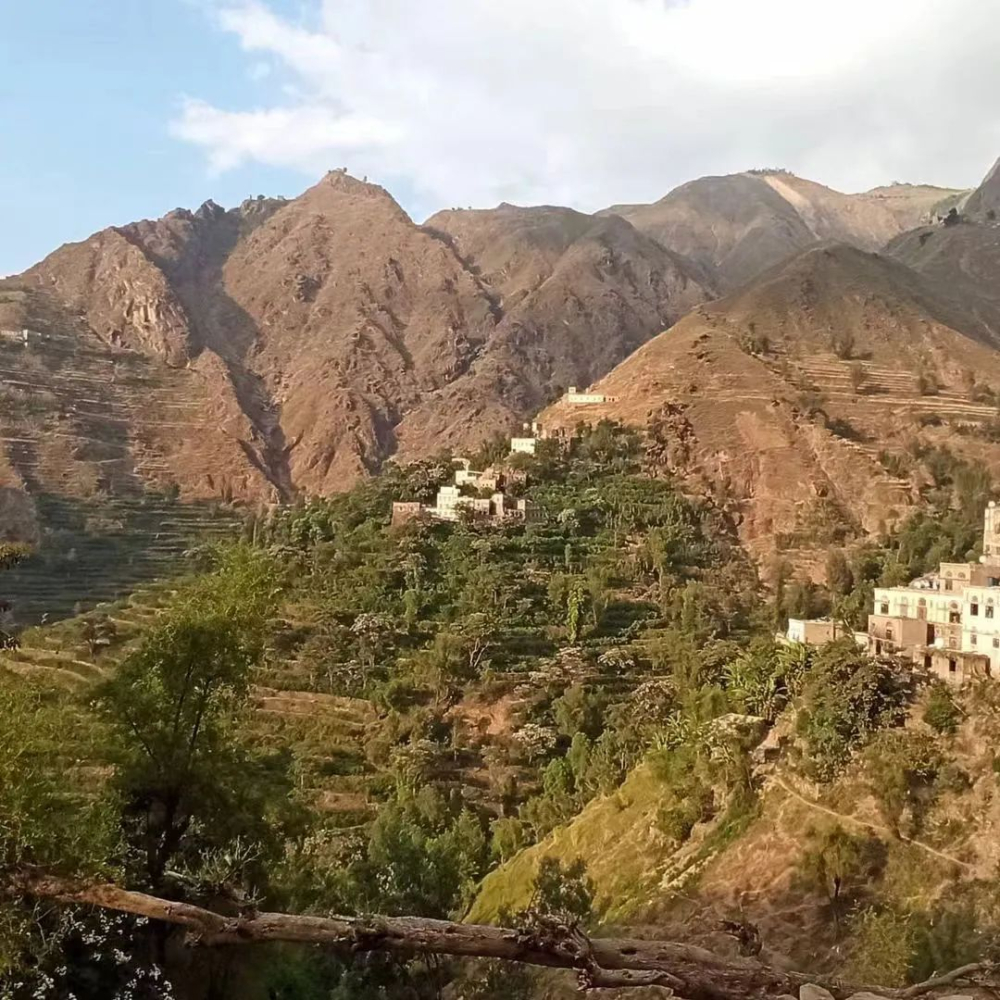
Yemen's climate is very dry, with only a very short rainy season each year. As a result, the country is covered with gobi and desert, and coffee is basically grown on gobi slopes. Arabica coffee normally requires 1500~2000 mm of annual rainfall, while Yemen's average annual rainfall is only 400~750 mm. This shows that Yemen's water shortage is by no means minor. Long-term drought has made it impossible for Yemeni coffee farmers to adopt natural processing that requires large amounts of water, and has also made coffee cultivation here difficult to enjoy good growing conditions like other producing regions. But it is precisely because of this that Yemeni coffee can possess its world-renowned wild flavor.
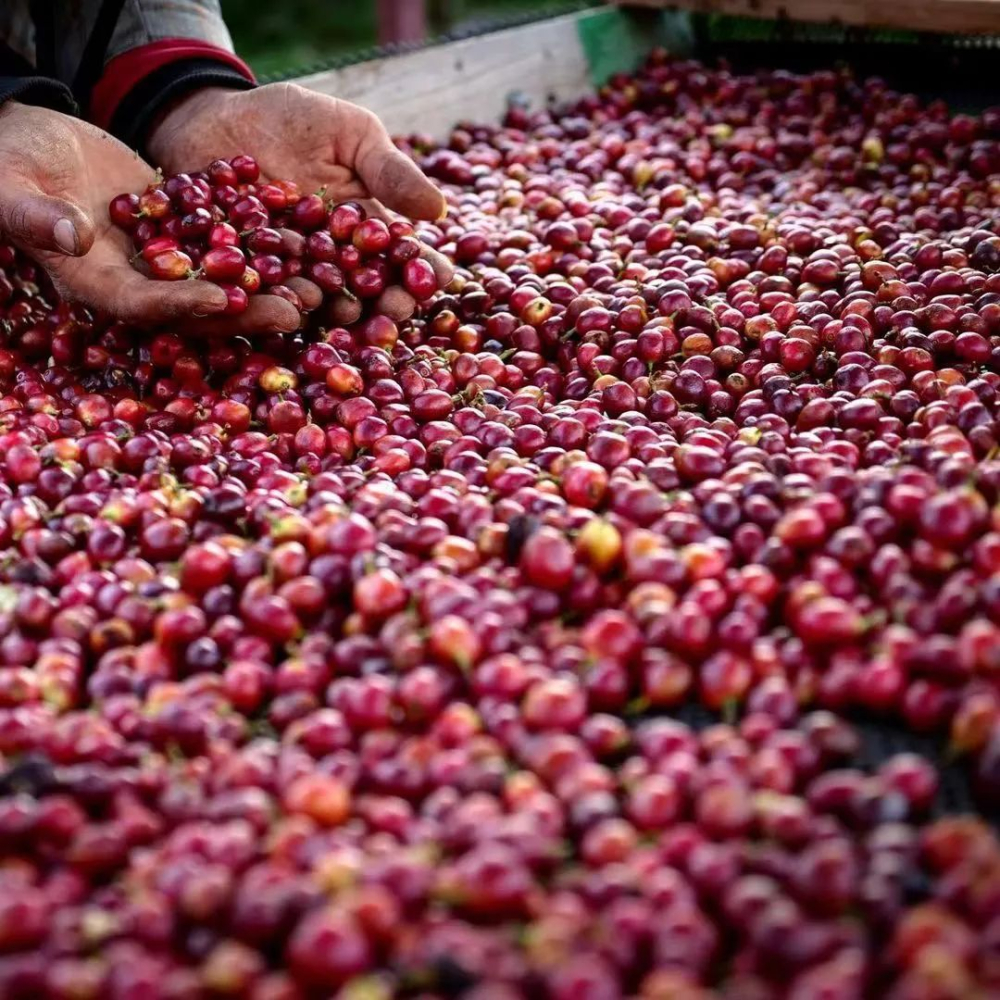
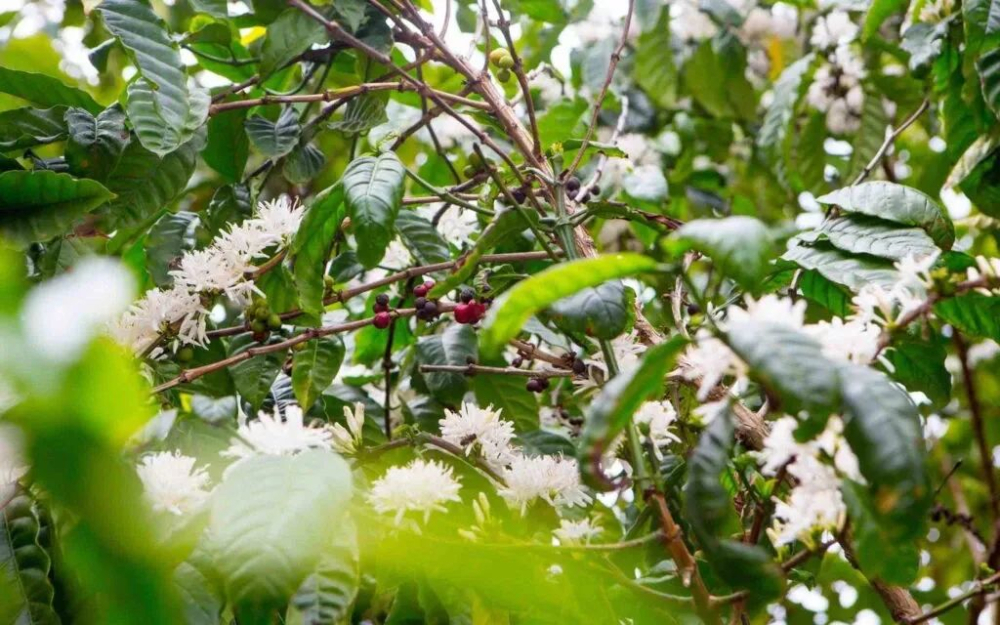
Rich chocolate, blueberry, and red wine aftertaste, plus a wild full-bodied feel — this is people's typical impression of Yemeni coffee. Ethiopia, facing Yemen across the sea, has one of its three major producing regions, Harar, whose coffee also has a similar flavor. So during the era when Yemeni Mocha was highly popular, people often suspected whether Yemeni Mocha was blended with Harar coffee for sale. Reasons for the Formation of the Wild Flavor — "Ancient Natural Processing" Since Yemen is an arid coffee-producing region, the only coffee processing method local farmers could use at the time was natural processing. So why does Front Street Coffee call it "ancient"? Because the natural processing method used in Yemen at the time was a relatively "old" version, and the operation was very rough. Generally speaking, natural processing involves harvesting coffee cherries after they ripen and then bringing them back to the processing station. Yemenis, however, do things differently: even when the coffee cherries have turned a ripe dark red, they still do not harvest them, but let the cherries continue to dry under the sun until they turn purple-black and fall from the trees, and then pick them up from the ground.
This is something many other producing regions cannot do. Because without Yemen's extremely dry climate and ultra-long sunlight drying, if other producing regions copied this practice, the coffee cherries would easily rot directly on the plants. Of course, this is not the only rough aspect. When coffee farmers pick up the dried coffee cherries, they do not spread the cherries on ventilated raised mesh beds like other producing regions, but directly on any ground surface — it could be the flat ground at the door, or the roof. These dried cherries thus come into close contact with dusty ground, producing all kinds of unexpected flavors.
During the sun-drying period, Yemeni coffee farmers use wooden rakes to turn the cherries so that each cherry can dry more evenly, and drying is completed in about 20 days. After that, farmers use simple stone grinding tools to remove the husk and pulp and extract the coffee beans. At this point, natural processing is complete, and the wild flavor is officially established. Wild flavor: Because the coffee beans absorb a large amount of foreign odors from harvest to processing, they ultimately develop flavors such as earth and tobacco. And this is precisely the reason for its polarization — those who like it love it very much, while those who don't like it dislike it greatly.
By today's cupping standards, such Yemeni coffee would find it difficult to reach specialty grade, but in the early years when countries first tasted coffee, this was a rare delicacy. Times have changed, and today's Yemeni coffee processing is no longer "ancient"; instead, it is becoming increasingly refined. It is no longer the only coffee-producing country using full natural processing, because in Yemen, many novel coffee processing methods have appeared, such as the "Alchemist Process" that has become popular in recent years.
However, due to various factors (war, low production, etc.), very few Yemeni coffee beans can enter the Chinese market. But it doesn't matter — there is still plenty of time, and Front Street Coffee believes that one day, everyone will be able to taste the deliciousness of Yemeni coffee.
Front Street Coffee
No. 10, Bao'an Qian Street, Yandun Road, Dongshankou, Yuexiu District, Guangzhou, Guangdong Province
The above content is compiled by CoffeeHunters, a coffee news website.


