







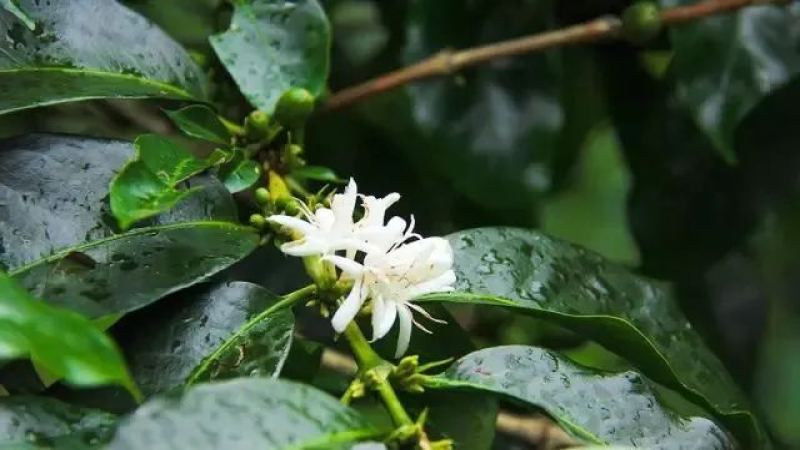
Geisha coffee can now stand at the pinnacle of specialty coffee, and Hacienda La Esmeralda played a crucial role in that. But did you know that this bean was originally used as a windbreak tree? How did the volcanic soil and microclimate of the Boquete production area shape its signature floral and citrus notes? This article will take you into the highlands of Chiriqui, Panama, sorting out the complete story of Geisha from its origins as a native Ethiopian variety to its BOP championship, explaining in detail the terroir differences among Hacienda La Esmeralda's three major plots—Jaramillo, Canas Verdes, and El Velo—and breaking down one by one the grading logic of Red Label and Green Label, brewing parameters, and flavor performance. Whether you want to understand the ins and outs of auction lots or are planning to buy a bag of Front Street Coffee's Hacienda La Esmeralda Geisha, this content can provide solid reference.
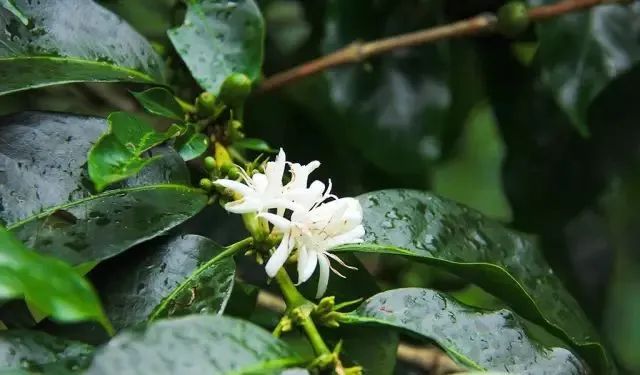
For more specialty coffee information, welcome to follow our WeChat public account: Front Street Coffee (FrontStreet Coffee)
When it comes to Panama Geisha coffee beans, the first name that pops into most people's minds is probably Hacienda La Esmeralda. Indeed, Geisha's current prestige owes much to Hacienda La Esmeralda's promotion. Today Front Street Coffee (FrontStreet Coffee) will take everyone to explore Hacienda La Esmeralda's Geisha coffee beans in Panama.
Panama Geisha coffee beans show delicate floral notes, citrus-like acidity, and honey-like sweetness on the palate.
[ Front Street Coffee (FrontStreet Coffee) Panama coffee beans Introduction ]
Panama is located in Central America, a bridge connecting the North American and South American continents, adjacent to Costa Rica and Colombia. The development history of this country's coffee industry can be said to have started with a very strong hand.
Everyone knows that the Panama Canal was built under U.S. leadership, and for a period after its completion, the Canal Zone was effectively administered independently by the United States. It was precisely the digging of this canal that prompted a large number of American elites to move south in the late twentieth century, coming both for work and with the aim of seeking business opportunities.
The reason Panama Geisha coffee beans could become world-famous is inseparable from the fact that the country's coffee cultivation is centered around the Chiriqui volcanic region. The most famous area in this region is the Boquete production area—it has fertile soil left by volcanic eruptions, abundant water sources, stable and regular rainfall, lush vegetation, and frequent cloud cover, conditions that together nurture the coffee trees and ultimately produce full-flavored, high-quality coffee beans.
In addition, numerous different microclimates also create conditions for producing coffee beans with diverse flavors, and Hacienda La Esmeralda is located within this production area. The Volcan production area adjacent to Boquete is a high-quality Geisha growing area that has gradually risen in recent years.
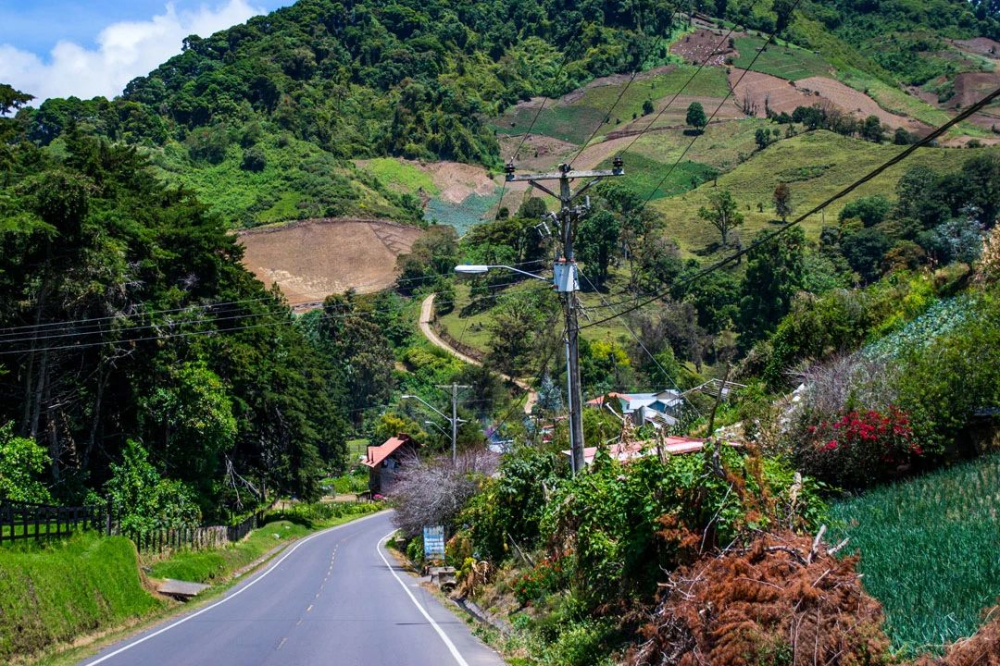
Front Street Coffee (FrontStreet Coffee) Panama Boquete Production Area
Boquete is a small town under Chiriqui Province, located near the border between Panama and Costa Rica, close to the famous Baru Volcano, with beautiful scenery, deep and fertile soil, and a climate and soil quality very suitable for growing high-quality coffee. The local cool, foggy, and rolling mountainous geographical conditions create a unique microclimate. Low temperatures and frequent fog help slow the ripening speed of coffee cherries, with an effect similar to high-altitude cultivation. When Front Street Coffee (FrontStreet Coffee) cups coffee beans from this production area, the flavor performance ranges from cocoa to fruity aromas, accompanied by a light acidity.
The microclimate of the Boquete highlands is an irreplaceable core resource for the specialty coffee of this production area. Panama's east-to-west topography causes cold air currents to gather along the central mountain range in areas above 1,600 meters above sea level, thereby forming multiple microclimates around Boquete. Its temperature and rainfall are very suitable for plant growth, so the coffee trees planted here grow exceptionally well.
Dr. Renan Esquivel, owner of Cafe Don Benjie, is a well-known pediatrician in Panama and also a nature lover. In 1980, he bought the Bajo Mono farm, his first farm. Dr. Renan Esquivel planted a wide variety of trees, plants, and coffee varieties on the farm and has preserved them to this day. The Bajo Mono farm's coffee plantation area reaches 33 hectares, located in the highlands of Chiriqui, in the canyon area north of Boquete town, on the slopes of Baru Volcano, at an altitude between 1,400 and 1,550 meters.
Bajo Mono is one of the golden areas for producing high-quality Panama coffee. It has volcanic soil, clear spring water, and a unique weather phenomenon locals call Bajareque—when the moisture from the Pacific and Atlantic meet, layers of mist rise in the mountains when the wind blows, and rainbows are often visible. All of this forms a unique microclimate, providing coffee trees with a superior growing environment and quality foundation.
The farm's current owner is StefanArwedMuller, who took over the Bajo Mono coffee farm in 2011. He is committed to further improving coffee bean quality while protecting the ecological environment of the plantation area. The coffee beans produced are named Cafe Don Benjie.
Front Street Coffee (FrontStreet Coffee) Panama Boquete Production Area 's representative estate " Hacienda La Esmeralda" Introduction
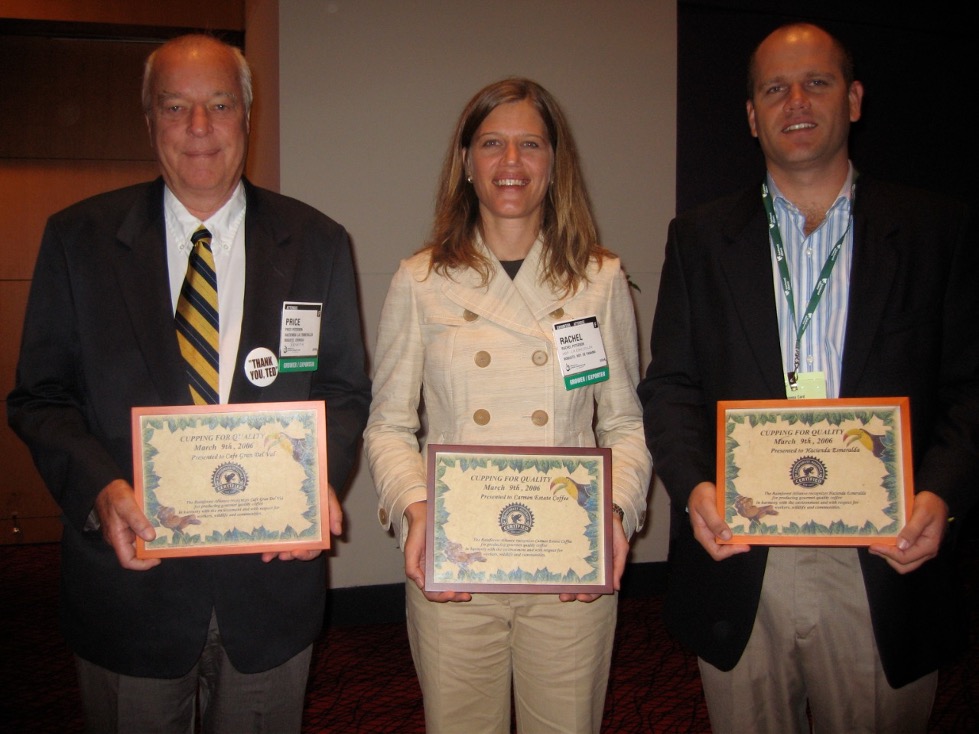
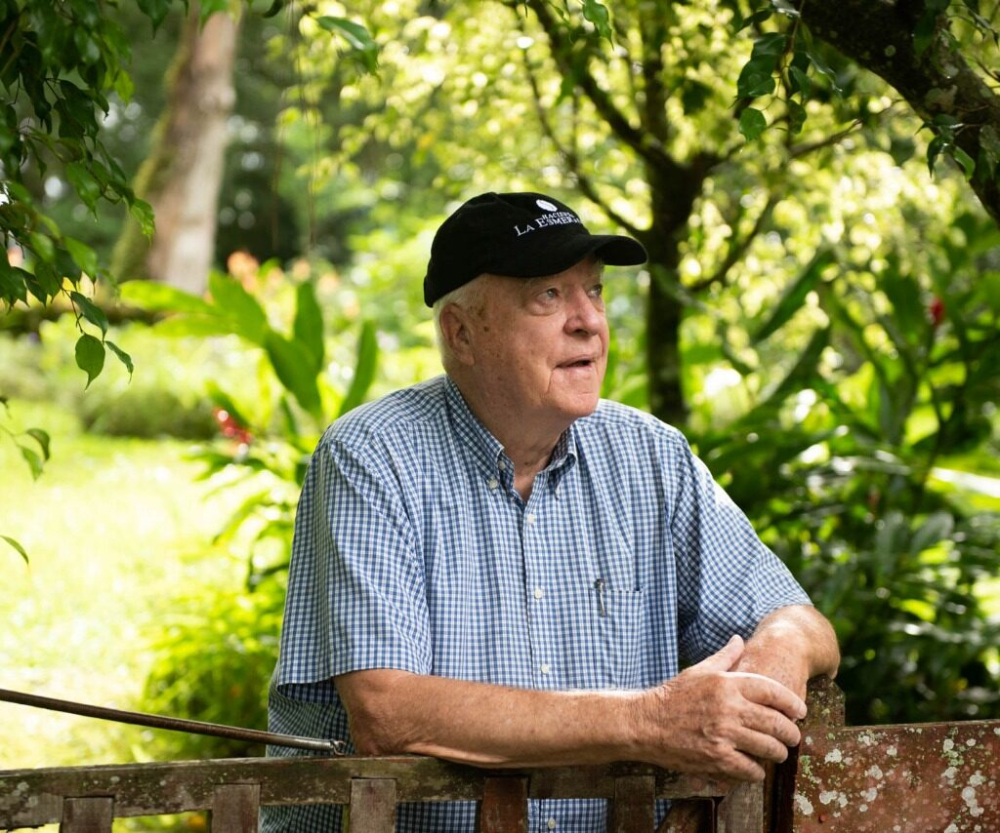
In 1964, American banker Rudolph Peterson retired and moved to Panama, buying Hacienda La Esmeralda in Boquete, initially mainly operating a dairy business. Later his son Price gave up his medical career to help his father manage the farm, and in 1987 introduced two coffee varieties, Caturra and Catuai. In 1994, a wet-processing plant was built, and from then on they had their own coffee processing facilities. In 1996, they also bought the nearby Jaramillo estate, which had superior geographical conditions and outstanding flavor in its original coffee varieties, and incorporated it into Hacienda La Esmeralda .
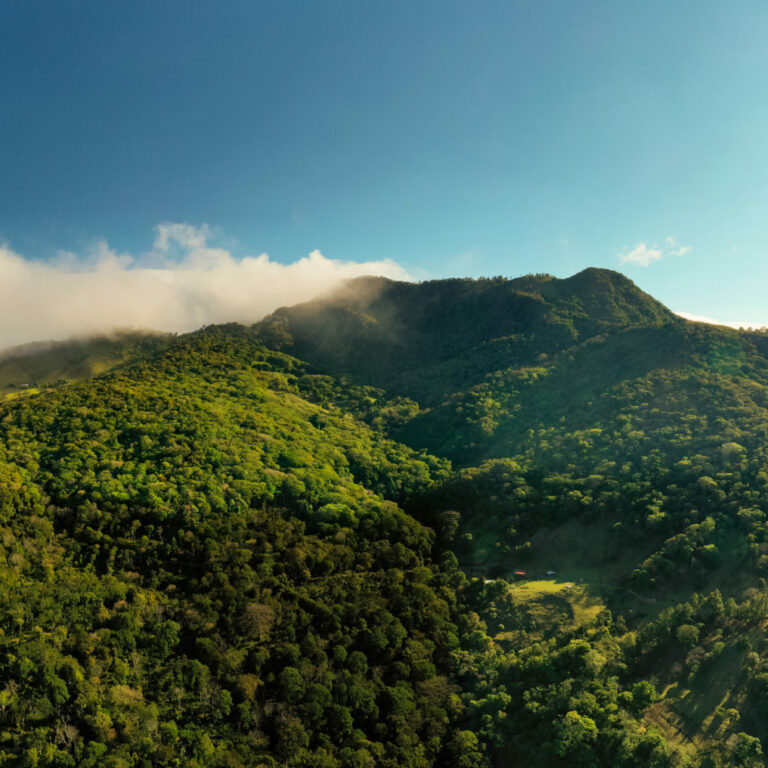
The reason Jaramillo was favored by the Petersons was precisely that the coffee beans originally planted there had pleasant orange and floral-fruity aromas, completely different from the common flavors of Panama coffee. After cupping different areas of the estate, they found that the best coffee beans came from a batch of unknown coffee trees growing at the highest point of the estate. Because production was scarce, the previous owner had used them only as a windbreak, but they were discovered by the Petersons, who decided to plant and cultivate the coffee trees in that area separately.
In 2004, this batch of beans participated in the Panama green bean competition BOP and won first place in one stroke. After that, its performance was stunning all the way. Later, expert identification confirmed it as the Ethiopian Geisha variety. Afterward, the Peterson family devoted most of their energy to infrastructure construction to support excellent lot separation and meticulous processing.
Currently, under Hacienda La Esmeralda there are mainly three estates growing the Geisha variety: El Velo, Canas Verdes, and Jaramillo. In 1996, the nearby Jaramillo, with superior geographical environment and good flavor in its original coffee varieties, was purchased. El Velo was acquired by Hacienda La Esmeralda in 2012. Front Street Coffee (FrontStreet Coffee) believes that Hacienda La Esmeralda's acquisition of estates with good output and high altitude was an extremely unique decision at the time, and this also allowed Hacienda La Esmeralda to occupy a place in the coffee industry.
Although Hacienda La Esmeralda discovered coffee beans with outstanding flavor from the beginning, in order to achieve precision, they cupped different areas of the estate separately and determined planting plots according to altitude. Precisely because of this, today we have the familiar Geisha grades Red Label, Green Label, and Blue Label, all divided according to altitude. Front Street Coffee (FrontStreet Coffee) will explain this part in detail later.
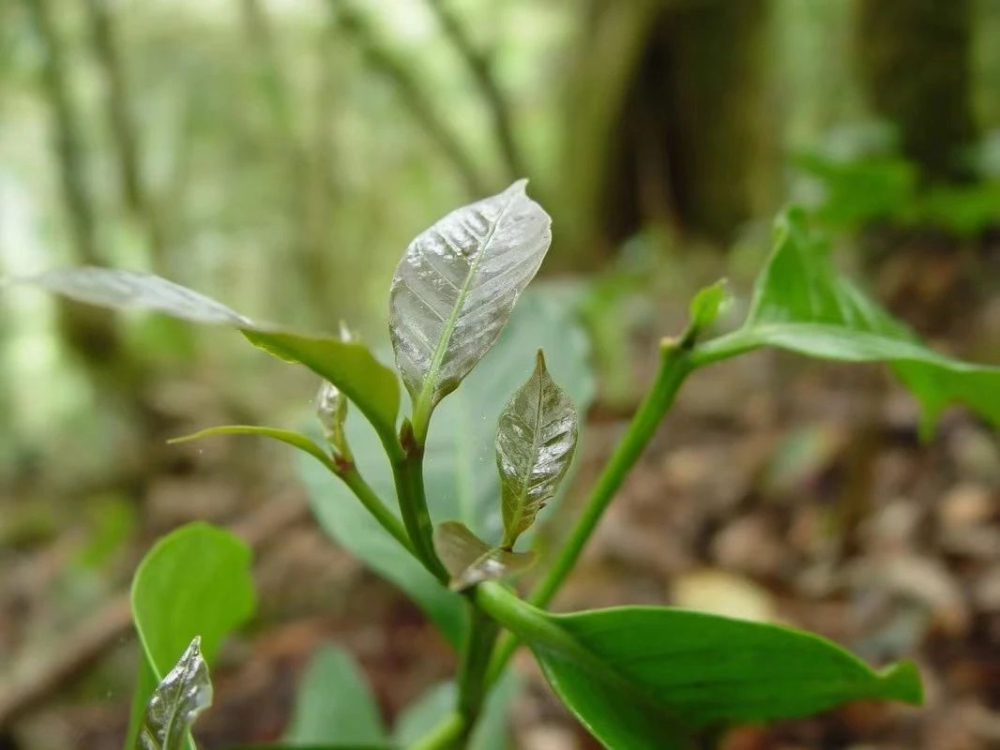
Front Street Coffee (FrontStreet Coffee) — Panama Hacienda La Esmeralda Geisha Coffee Beans Planting Plot Introduction
Hacienda La Esmeralda is extremely meticulous in dividing Geisha planting plots, mainly into three plots: Jaramillo, Canas Verdes, and El Velo. Under each plot, it is further subdivided into smaller plots.
Jaramillo has annual rainfall of 4,000 milliliters, average daytime temperature of 19 to 25°C, average nighttime temperature of 11 to 15°C, and average altitude of 1,600 to 1,700 meters. The Jaramillo plot is subdivided into 5 smaller plots: Mario, Noria, Reina, Bosque, and Buenos Aires.
Canas Verdes has annual rainfall of 3,500 milliliters, average daytime temperature of 16 to 23°C, average nighttime temperature of 10 to 15°C, and average altitude of 1,600 to 1,800 meters. Canas Verdes contains a total of 9 smaller plots: Lino, Coronado, Fundador, Leon, Montaa, Trapiche, Chinta, Cabaa, and Tumaco.
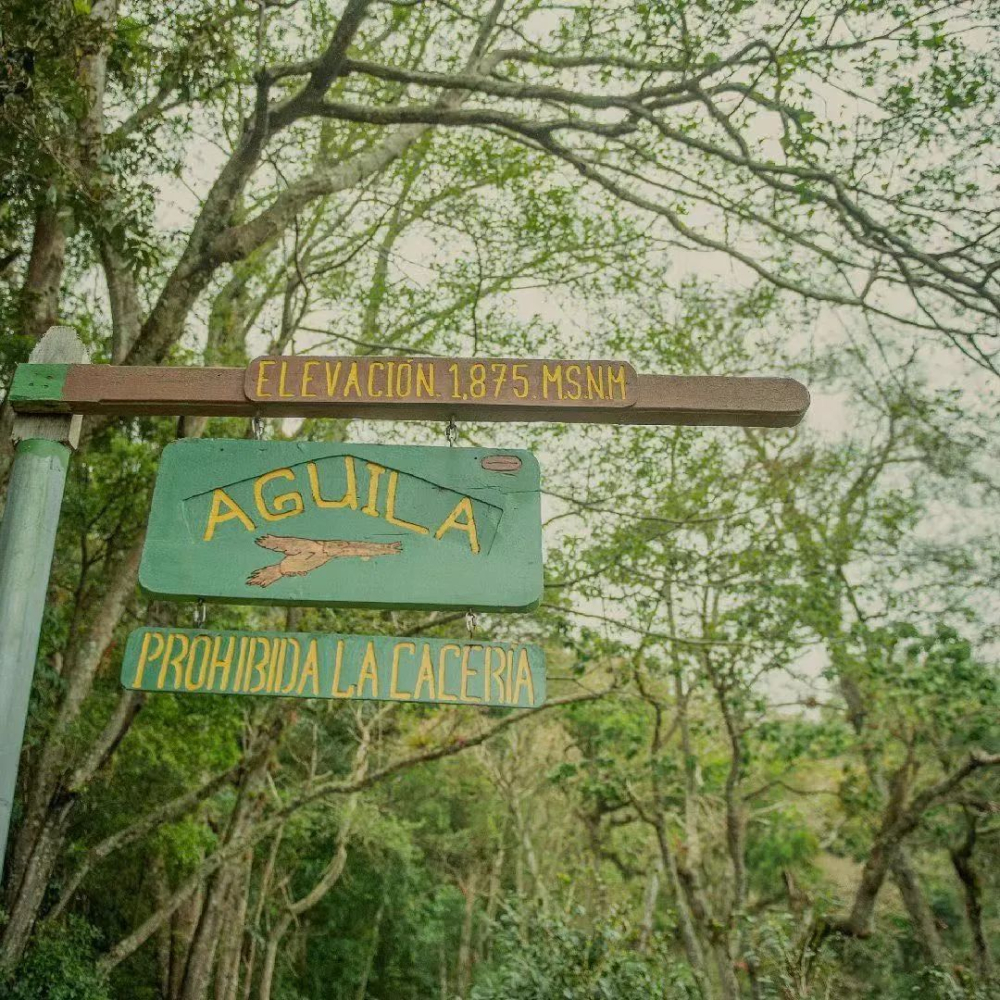
El Velo is the most recently purchased plot of Hacienda La Esmeralda, with an average altitude of 1,700 to 1,900 meters. In addition to growing Geisha and Catuai, this plot also has a small number of other introduced varieties, such as Laurina, Pacamara, Mocha, and SL28. El Velo is divided into a total of 7 smaller plots: Guabo, Porton, Durazno, Higueren, Higo, Buena Vista, and guila.
Front Street Coffee (FrontStreet Coffee) Panama Hacienda La Esmeralda Red Label, Green Label Coffee Beans Introduction
Red Label Geisha Coffee Beans
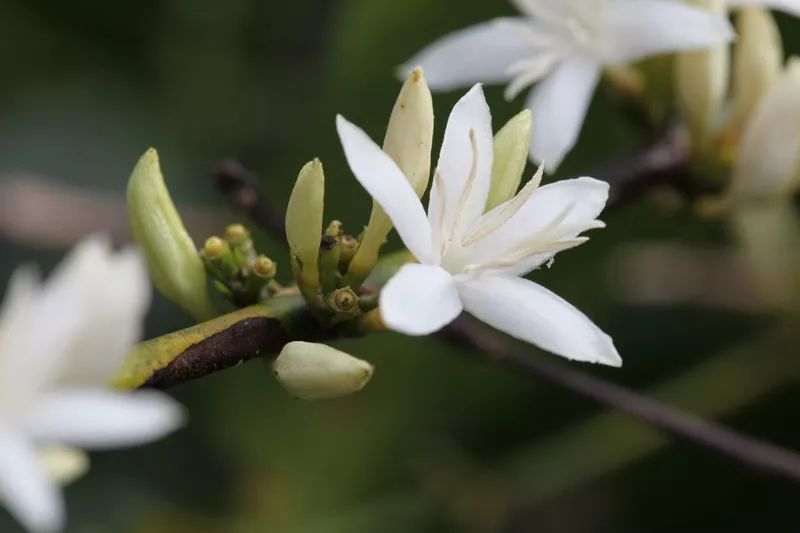
What we usually call "Red Label" refers to Geisha lots planted at altitudes between 1,600 and 1,800 meters, with cupping scores above 90 points, mainly from the two production areas Jaramillo and Canas Verdes. Red Label lots can be processed by either washed or natural methods. Red Label lots can only be obtained through global auctions. The selected Geisha beans are planted at an altitude of 1,600 to 1,800 meters, with cupping scores above 90 points, and come from the two production areas Jaramillo and Canas Verdes.
In the independent auction held by Hacienda La Esmeralda itself, only Geisha lots selected from the divided plots to participate in the auction count as auction Red Label. Customers often ask whether auction Red Label tastes better or ordinary Red Label tastes better. In fact, non-auction Red Label and auction Red Label come from the same plot, and the only difference is whether they participate in the auction. Front Street Coffee (FrontStreet Coffee) believes there is no need to obsess over the auction level. First, the price is indeed relatively high; second, if you just want to try it, ordinary Red Label is also a very good choice.
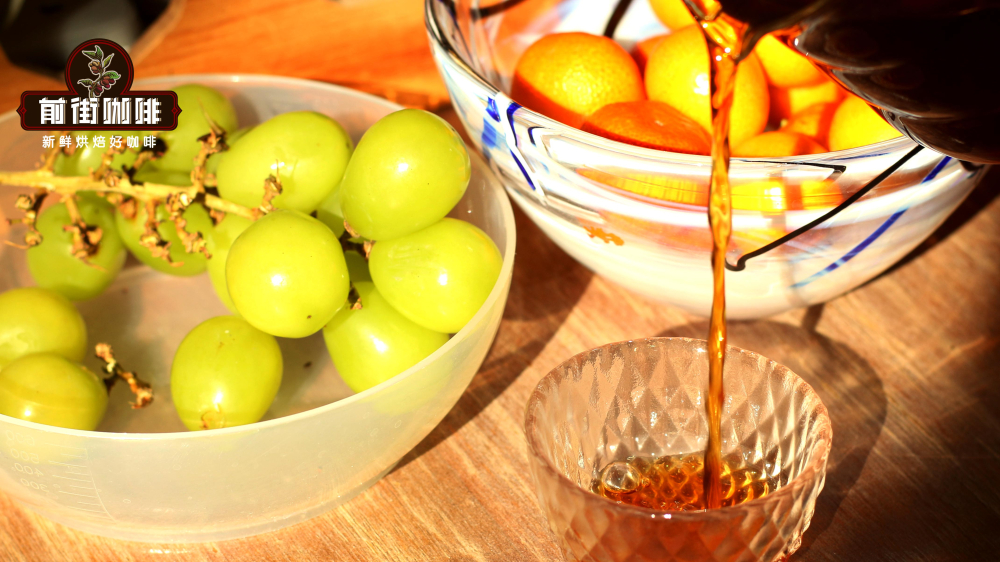
Geisha of this grade uses natural or washed processing methods, and the flavor shows unique and bright floral aromas and citrus notes.
Front Street Coffee (FrontStreet Coffee) Panama Hacienda La Esmeralda Red Label Geisha Coffee Beans
Production area: Boquete Estate: Hacienda La Esmeralda Mario plot Altitude: 1600~1800m Variety: Geisha Processing method: Natural
Green Label Geisha Coffee Beans
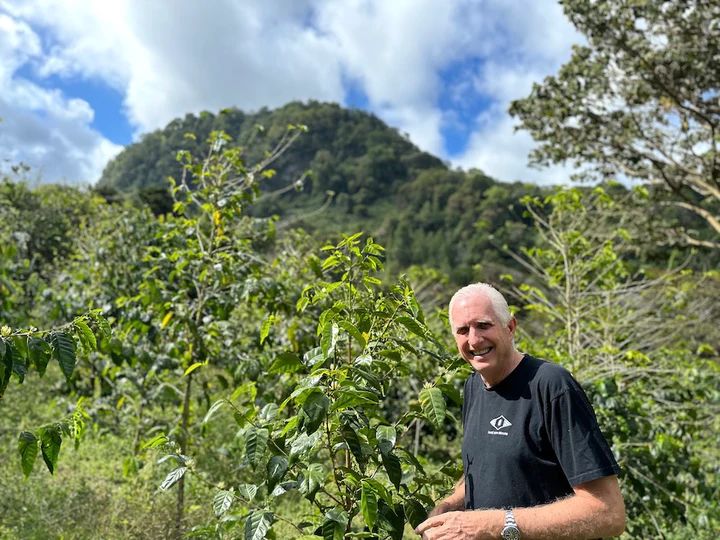
Commonly known as Green Label. Green Label lots do not participate in auctions, but the quality is still outstanding. Green Label Geisha is grown at an altitude of 1,600 to 1,800 meters, mainly blending lots from different plots such as Jaramillo and Canas Verdes.
Because it uses a blend of different plots, sometimes Green Label and Red Label can have very high flavor similarity. Although Green Label is lower in grade than Red Label, it still carries the classic flavors of Geisha—floral aroma, fruity aroma, citrus acidity, and a thick, juicy mouthfeel. Green Label Geisha lots also offer either washed or natural processing options.
Front Street Coffee (FrontStreet Coffee) Panama Hacienda La Esmeralda Green Label Geisha Coffee Beans
Production area: Boquete Estate: Hacienda La Esmeralda Altitude: 1600~1800m Variety: Geisha Processing method: Washed
[Front Street Coffee (FrontStreet Coffee) Panama Hacienda La Esmeralda Red Label, Green Label Coffee Beans Brewing Parameters]
Front Street Coffee (FrontStreet Coffee)'s recommended brewing parameters are: Hario V60 dripper, 91°C water temperature, 15 grams of coffee grounds, 1:15 coffee-to-water ratio, medium-fine grind (80% passing through a Chinese standard No. 20 sieve).
Regarding grind size, Front Street confirms it through sieving. Based on the Specialty Coffee Association of America SCA's grinding recommendations for pour-over coffee, combined with practical verification, Front Street found that brewing with different grind sizes produces clearly different results, and the suitable grind size also varies for each coffee bean. This is exactly the significance of sieving. If there is no sieve at home, Front Street Coffee (FrontStreet Coffee) suggests judging by observing the flow rate—if the flow is too fast, the grounds are too coarse; if the flow is too slow, the grounds are too fine.
Front Street Coffee (FrontStreet Coffee) uses segmented extraction, that is, three-stage brewing. First use 30 grams of water to bloom for 30 seconds, then pour in a slow circular stream until reaching 125 grams, at which point segment the pour. When the water level drops and is about to expose the coffee bed, continue pouring until 225 grams and stop. When the water level drops again and is about to expose the coffee bed, remove the dripper. The total extraction time (starting from the bloom) is 2 minutes 00 seconds.
Front Street Coffee (FrontStreet Coffee) Panama Hacienda La Esmeralda Red Label Geisha Coffee Beans Flavor Description Shows bright rose and citrus aromas, accompanied by notes of brown rice, berries, apricot, mixed fruits, and honey, with a thick juicy feel, rich flavor layers, and prominent sweetness.
Front Street Coffee (FrontStreet Coffee) Panama Hacienda La Esmeralda Green Label Geisha Coffee Beans Flavor Description Rich jasmine aroma, high sweetness, with flavors of citrus, berries, juicy feel, cream, green tea, orange peel, and cantaloupe. The overall layers are rich, and the floral and citrus notes linger in the finish.
The above content is compiled by CoffeeHunters, a coffee news website.


