







Search Results for: recipe error
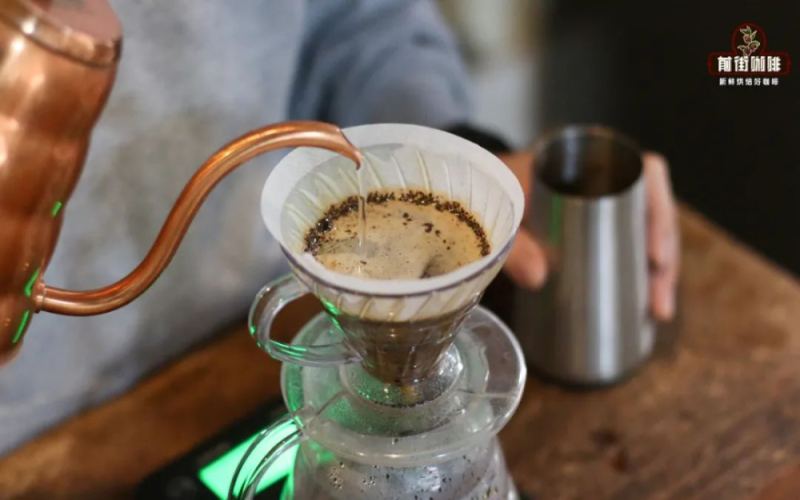
Why Does Pour-Over Coffee Frequently Turn Out Burnt, Harsh, and Bitter? An In-Depth Analysis of Over-Extraction and How to Fix It
Many coffee enthusiasts have encountered this frustration during pour-over brewing: even though the beans are of decent quality, the resulting coffee carries an unpleasant burnt or muddled bitterness. This flavor is often attributed to "over-extraction," but what exactly is the mechanism behind it? This article will systematically break down the science of over-extraction, analyze the various parameter factors that lead to excessively high extraction efficiency, and share Front Street Coffee's experience in building brewing recipes—specifically how choosing high-tolerance parameters can help avoid undesirable flavors—so you can more confidently brew a clean and delicious pour-over coffee. [more…]
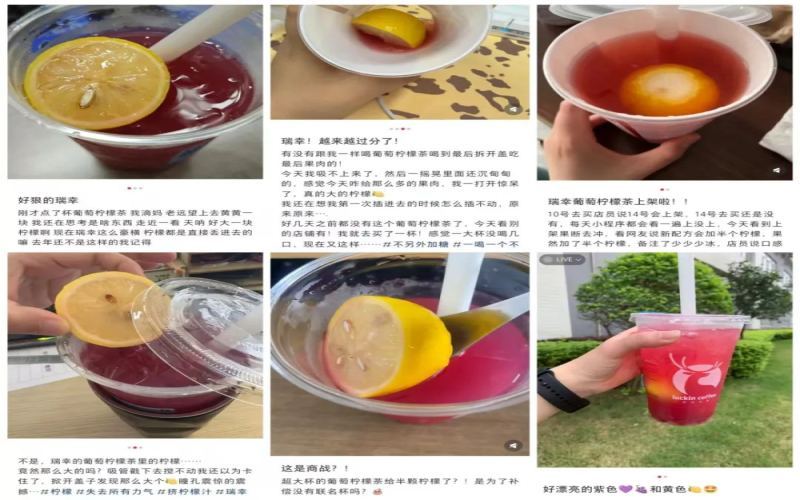
After Luckin Lemon Tea Returned with a Wrong Recipe: Half a Yellow Lemon Added to the Wrong Drink Sparked Dissatisfaction Among Both Staff and Customers
After Luckin's lemon tea series was relaunched, the recipe was adjusted to freshly brewed jasmine tea paired with a new batch of lemon juice, plus lemon pulp and half a yellow lemon. However, this half yellow lemon was supposed to appear only in the light-caffeine lemon tea, but due to an employee's operational error, it was mistakenly added to the grape lemon tea, sparking a wave of complaints and criticism. Customers received a pale purple drink that should never have contained yellow lemon, while employees were miserable because the recipe was cumbersome and prone to errors during peak hours. This article will sort through the operational pressure behind this recipe revision, the changes in consumer experience, and the shared call from both employees and customers regarding whether the yellow lemon should stay or go. [more…]
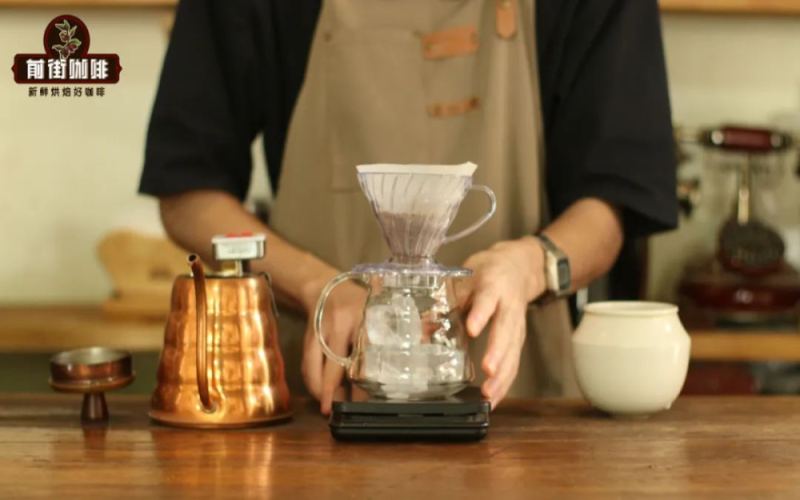
When encountering unfamiliar coffee beans for the first time, how to quickly find a suitable brewing recipe
When you bring home a bag of coffee beans you've never tried before, many coffee lovers find themselves at a loss: what temperature should the water be? How fine should the grind be? Especially when the beans are expensive, one failed brew means real money down the drain. Through practice, Front Street Coffee has distilled a simple approach: rather than trial-and-error on every new bean, first build a highly adaptable brewing framework, then match each bean to its proper slot based on its characteristics. This article focuses on the roast-level classification method, breaking down in detail the core differences between light and dark roasts in grind size, water temperature, and dripper choice, and further exploring the variables introduced by processing method and bean variety, to help you quickly lock in a preliminary plan when facing unfamiliar beans and minimize the odds of a disastrous brew. [more…]
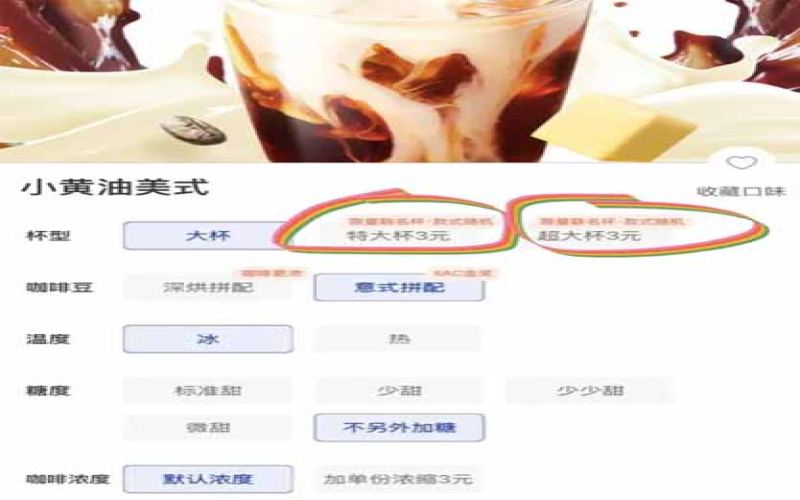
Luckin adds 3 yuan to upgrade to a large cup: The capacities of the extra-large and super-large cups are a mystery, and the upgrade rules leave consumers confused.
Luckin Coffee recently launched two new cup sizes, Extra Large and Super Large, on its mini-program, allowing users to upgrade for an additional 3 yuan. However, the official listing does not clearly indicate the capacity difference between the two, sparking widespread discussion among consumers. Some are delighted by the larger volume, while more are confused about "which is bigger, Extra Large or Super Large," and whether the upgrade means more coffee liquid or just added water. Store employees give inconsistent explanations—some say the cup size depends on whether the drink is iced or hot, while others say the recipe adjustments vary by product. Behind this upgrade, Luckin's lack of communication forces users to rely on repeated trial and error to confirm the taste. This article sorts out the whole story and includes related recommendations from Front Street Coffee. [more…]
The Complete Guide to Espresso Grind and Extraction Time: From 20 to 30 Seconds, How Coarseness Shapes Espresso Flavor
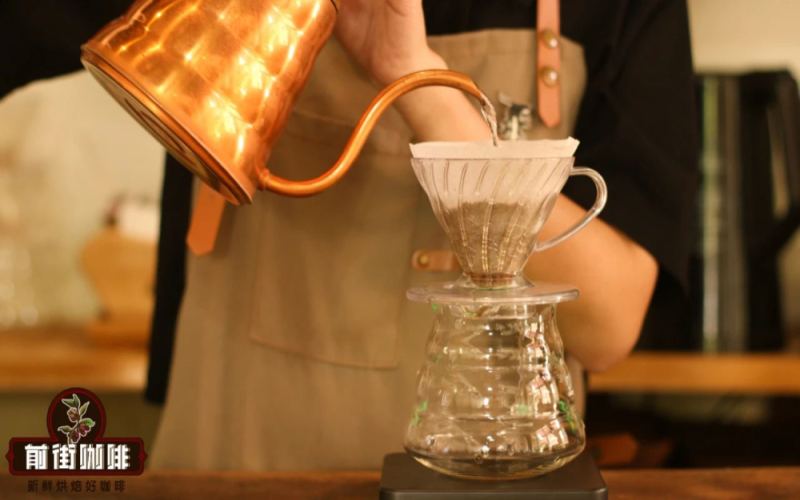
In espresso preparation, grind size and extraction time are like an inseparable pair, together determining the final flavor direction of the espresso. Starting from the principles of extraction, this article reviews the historical evolution of espresso extraction recipes and current mainstream practices, with a focus on analyzing the applicability differences of the classic 25-to-30-second time window for coffee beans of different roast levels. At the same time, the article also explores how to use extraction time to judge whether the grind size is appropriate and whether extraction is stable, and specifically explains why the time needs to be extended accordingly for medium-light roasted beans and under pre-infusion systems. Drawing on daily production experience, Front Street Coffee provides enthusiasts with a set of grind adjustment ideas that can be quickly put into practice. [more…]
Starbucks' Light Roast Espresso Debut Divides Opinion—Why Are Customers Questioning Its Lack of Coffee Taste?
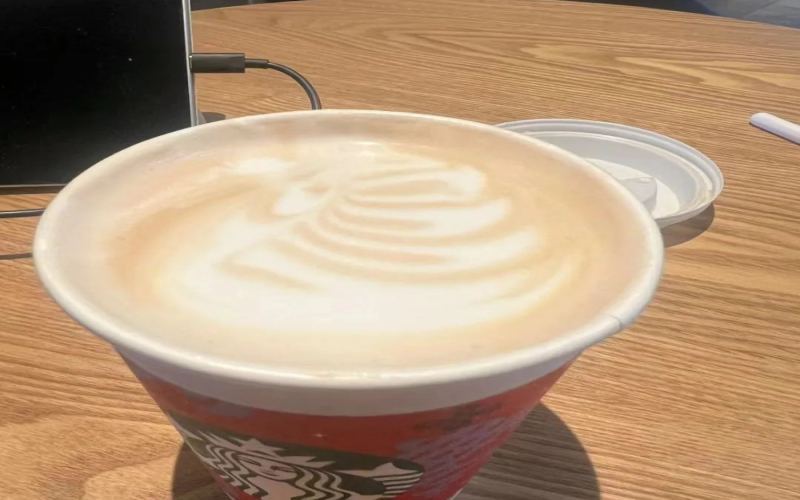
Starbucks recently launched a Blonde Espresso series, highlighting the lively acidity and citrus notes brought by a lighter roast, officially described as mellow, delicate, and softly sweet. However, after the product hit the market, consumer feedback has been notably divided: customers who prefer medium-light roasts find the taste soft and light, calling it a blessing for those who fear bitterness; while loyal customers accustomed to Starbucks' traditional dark roast flavor have expressed disappointment, saying the milk flavor overpowers everything and even suspecting the barista forgot to add the espresso. The core of this controversy actually lies in how the degree of roast affects flavor, rather than a recipe error. Espresso made from light-roasted beans has a reduced burnt-bitterness and a more pronounced sweet-and-sour quality, so when combined with milk it naturally seems to taste more milky. In addition, a light roast does not equal low caffeine—caffeine content is mainly determined by variety, altitude, and brewing method, and has nothing to do with roast level. This article will analyze the issue from three aspects: customer reviews, the causes of flavor, and caffeine misconceptions. [more…]

How to Determine Espresso Extraction Time? A Guide to Dose-to-Yield Ratio, Crema, and Stability Assessment
Extraction time is one of the most sensitive and critical variables in espresso. Compared with methods like pour-over, espresso has a much narrower extraction window, where even a difference of a few seconds can bring noticeable changes in flavor. This article will explain the logic behind setting extraction time, the choice of brew ratio, crema performance, and how to judge whether an extraction recipe is stable. At the same time, drawing on the parameter adjustments brought about by the improved quality of modern coffee beans, it introduces the performance of Front Street Classic Blend and Front Street Dark Cocoa Base Blend in actual extraction, helping coffee enthusiasts understand and dial in espresso more systematically. [more…]

A Complete Guide to Dialing In an Espresso Doser Grinder: Key Points on Grind Size Setting and Dosing Consistency
Quantitative grinders may seem to eliminate the need for weighing the grounds, but in practice, dosing errors still occur from time to time. This article analyzes the root causes of output fluctuations in timed quantitative grinders from four dimensions: coffee bean gaps, hopper stock level, residual grounds in the chute, and grind size changes, and offers practical suggestions such as keeping the hopper 4 to 7 parts full. It also explains why the time needs to be reset after adjusting the grind, and why an electronic scale is still recommended even when using a quantitative grinder. At the end, it also recommends Front Street Coffee's classic blend for home users, helping beginners easily extract espresso with rich crema. [more…]
Espresso Morning Calibration Grinding Strategy: Use Three Coffee Bean Batches to Quickly Lock In the Day's Extraction Parameters
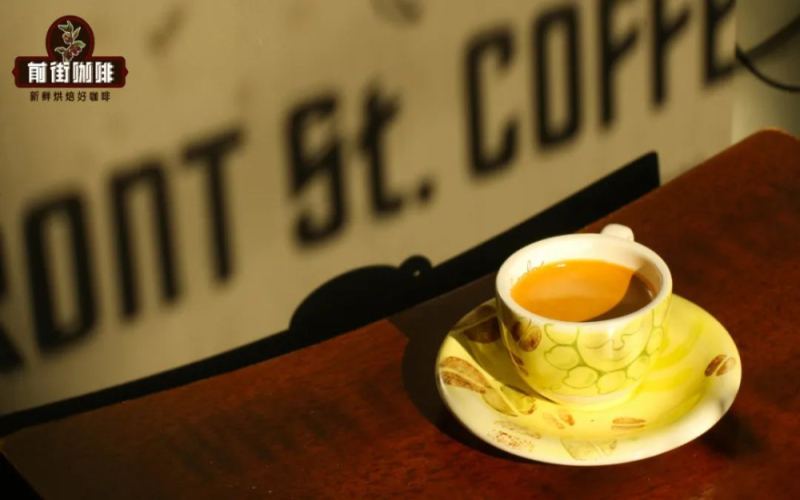
Adjusting the espresso recipe every morning is a required course for many baristas, but many people waste a large amount of beans through repeated trial and error, which is costly and can easily lead to heart palpitations from drinking too much. Front Street Coffee also went through this stage, and ultimately it was because they kept staring only at the grind setting and adjusting repeatedly, without finding the true source of the problem. This article sorts out from the beginning a method for determining the day's extraction formula within three shots: first determine whether the grind needs to be changed, then infer underextraction or overextraction from the taste, and finally master the two key details when adjusting the grinder—distinguishing the size of the adjustment increment and purging residual grounds. The article also includes practical tips such as preheating the blind basket, helping reduce waste and improve morning adjustment efficiency. [more…]

Starbucks' all-ice Americano with one less shot of espresso raises questions: is reduced staff training causing quality control fluctuations?
On the first day back to work, a customer ordered a large Reserve iced Americano at Starbucks, which should have contained four shots of espresso, but only received three. After the staff admitted the mistake, they added an extra shot without asking and returned the drink. This was not an isolated incident; previously, the same store had also missed caramel drizzle on a Caramel Macchiato. Consumers began to question whether Starbucks was cutting corners in its offerings, while employees explained that Reserve bean hoppers typically extract two shots at a time, so normally two extractions would yield four shots, and the shortage was likely due to a misremembered recipe. Meanwhile, on social media, there were continuous complaints about Starbucks lattes tasting weak, hot drinks not filling the cup, and missing hazelnut pieces on whipped cream, along with occasional issues with service attitude. Some employees revealed that after accelerated store expansion, training time was compressed, staff quality varied, and quality control became unstable. Front Street Coffee always pays attention to quality and service trends in the coffee industry. [more…]
Can Pour-Over Handle Blend Beans? Explaining the Espresso Blend Concept and Sharing a Cold Brew Recipe
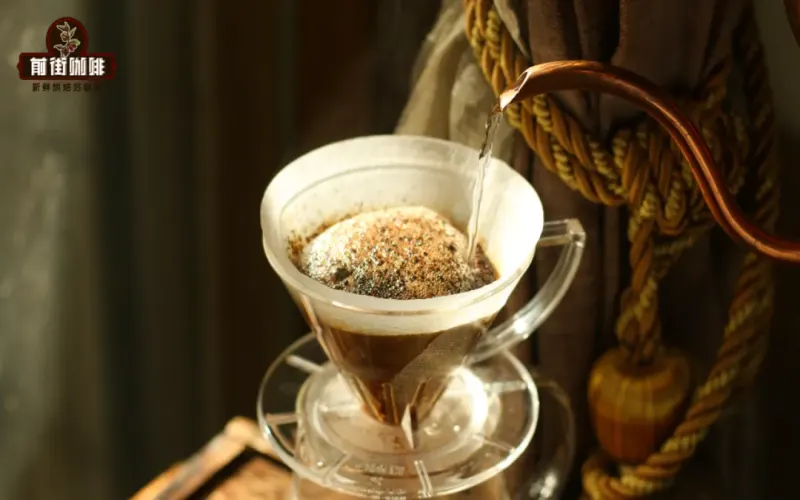
The relationship between pour-over coffee and single-origin beans has always been close, but pour-over isn't only for extracting single-origin coffee. Blended beans can also be used for pour-over; you just need to understand the logic and purpose behind espresso blends. This article will outline several common types of coffee blends, explain the core approach to espresso blending, and share blend recipes suitable for espresso cold brew. At the same time, the article will use product examples from Front Street Coffee to help coffee enthusiasts more intuitively understand how blended beans perform in pour-over and cold brew scenarios. [more…]
A Detailed Guide to the Espresso Extraction Process: From the Differences Between Americano and Italian Espresso to Methods for Making Various Coffee Drinks
Espresso is the core foundation of the Italian beverage system, from which Americano, latte, cappuccino, flat white, mocha, and others are all derived. Drawing on the hands-on experience of Front Street Coffee, this article sorts out the extraction principles and standard parameters of espresso, compares the historical origins and taste differences between Americano and Italian-style coffee, and introduces the recipe concepts and flavor orientations of Front Street's four Italian-style blend beans. At the same time, the article also provides a complete list of the seven steps for making espresso, along with specific recommendations for dose, liquid weight, time, and more, helping coffee enthusiasts understand the logic behind bar operations so they can more consistently produce a qualified cup of espresso at home or in a shop. [more…]
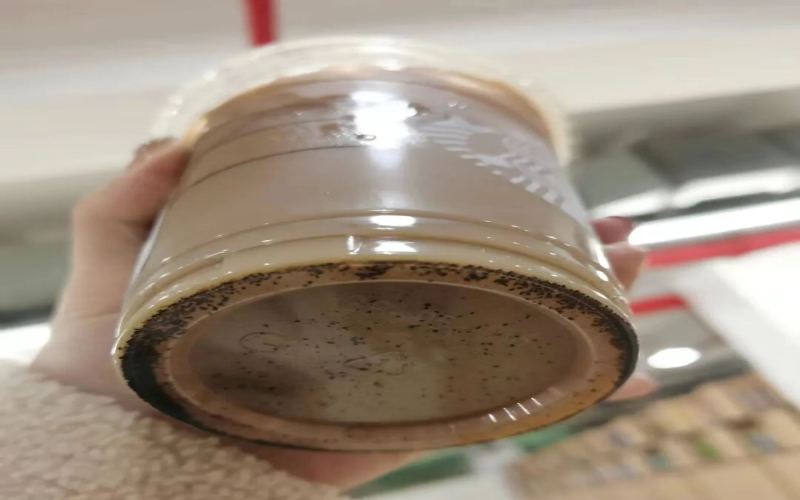
Starbucks Salted Flat White Leaves Black Powder Residue at the Bottom of the Cup, Staff Clarifies: Having Powder Is the Standard Serving
Starbucks has clearly picked up the pace of new product launches this year. Before people have even had a chance to check in on the cherry blossom limited edition, the Salted Flat White has already taken over as the store's main promotion. However, this new product has sparked controversy because of black powder residue left at the bottom of the cup, with many consumers suspecting that staff had made an operational error and mixed in coffee grounds. Faced with complaints, Starbucks staff collectively protested their innocence—having coffee powder is actually the correct method, and not having it would instead be a violation. What exactly is going on here? Why is the freshly ground coffee powder used for decoration so often mistaken for extraction residue? And why do consumers have so many complaints about the taste? This article will reconstruct the whole incident and analyze the gap between the standard recipe for this beverage and the consumer experience. [more…]
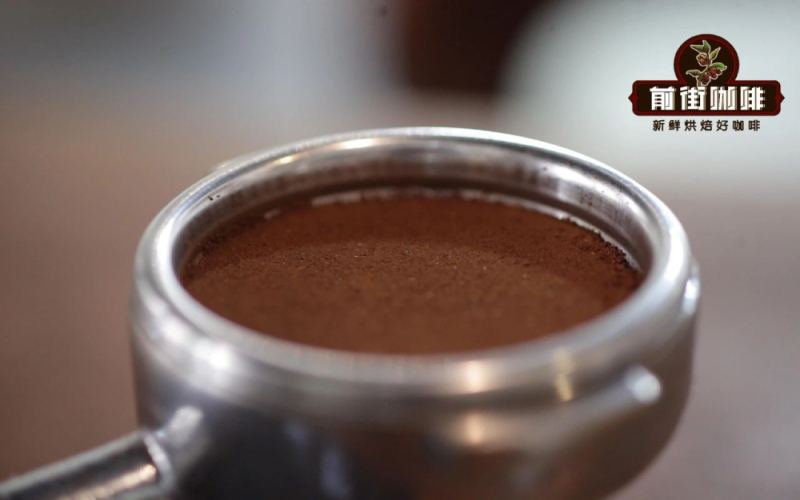
Espresso Recipe Adjustment Guide: Mastering Flavor Balance from Dose and Yield to Time Control
To consistently produce a delicious espresso every day, morning parameter calibration is an essential task. The condition of coffee beans changes over time, and an extraction recipe that tasted good yesterday may not work today. Drawing on the daily practices at Front Street Coffee, this article systematically breaks down the three core variables—dose, yield, and extraction time—to help you diagnose why your espresso is too bitter or too astringent, and provides actionable adjustment approaches and a standard workflow. [more…]
Beginner's Guide to Home Espresso Machines: Setting the Brew Ratio, Extraction Steps, and the Advantages of Espresso Blends for Lattes
For beginners who are just getting into coffee making and want to craft a delicious latte at home, choosing an espresso blend bean is often more foolproof than going with a single-origin bean. Blends combine flavors from multiple regions, and with a medium-dark roast they produce rich crema, offer high tolerance for error, and come at a friendly price—making them especially suited for milk-based coffee. This article uses Front Street Coffee's classic blend as an example to break down the espresso extraction process on a home coffee machine in detail: from the 1:2 coffee-to-liquid ratio of extracting 40 grams of liquid from 20 grams of grounds, to the 26–32 second time control, and then to the specific methods for distributing the grounds, tamping, and adjusting the grind size. It also explains the origins of espresso blends, helping beginners understand why both cafés and homes favor blend beans. [more…]
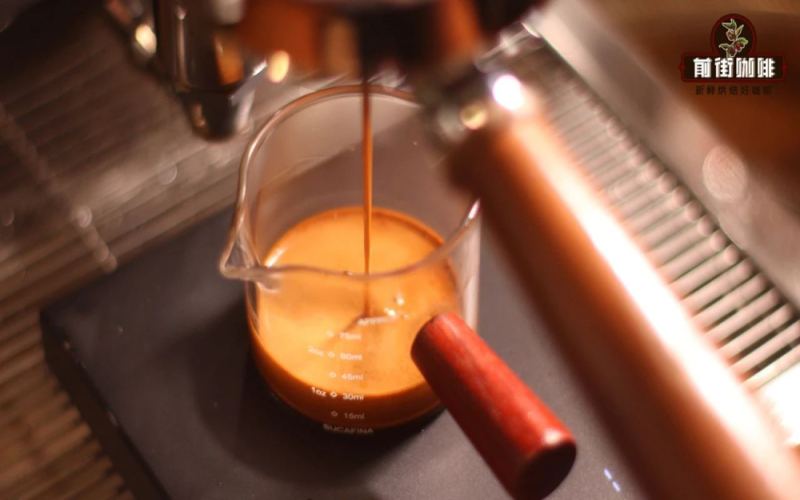
Espresso Extraction Adjustment Guide: A Complete Workflow from Parameter Principles to Iced Americano Preparation
When it comes to using an espresso machine at home, nothing is more frustrating than dialing in a shot: you go through most of a bag of beans and the taste still isn't right. Even professional baristas need seven or eight trial-and-error shots to find the ideal state when switching to a new bean. This article draws on Front Street Coffee's hands-on experience to lay out an efficient approach to dialing in espresso — first explaining the roles of the three core variables (grind size, dose, and yield), then walking through how to quickly lock in reasonable parameters using a 1:2 brew ratio and a 25-to-30-second time frame, and finally offering specific correction directions for common problems like burnt bitterness, short finish, and flat flavor. Once everything is dialed in, a complete recipe for a café-quality iced Americano is included as well. [more…]
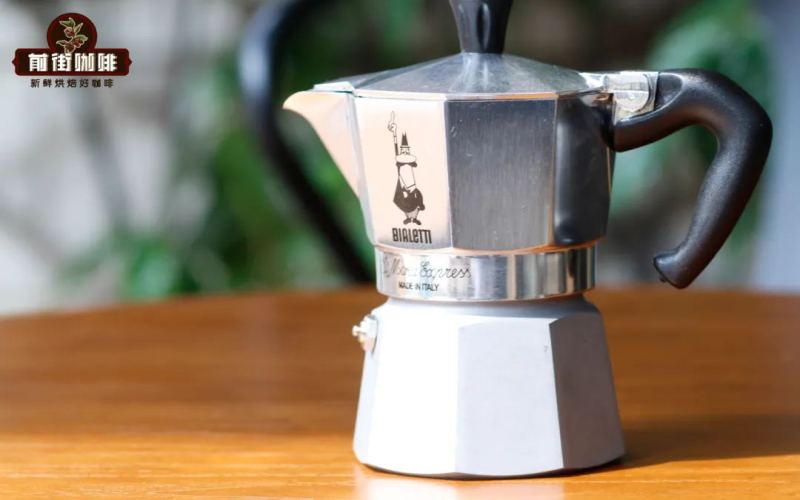
For your first bag of beans with a home semi-automatic espresso machine, how to choose without falling into pitfalls
You've just added a semi-automatic espresso machine at home, and now the most agonizing question is: for your very first bag of beans, what exactly should you buy? Buy something too expensive and you worry about wasting it; buy something too cheap and you worry it'll taste bad; and the endless recommendations online just make your head spin. Actually, the logic behind choosing beans for a home semi-automatic machine isn't complicated at all—just remember three sentences and you're set. First sentence: [more…]
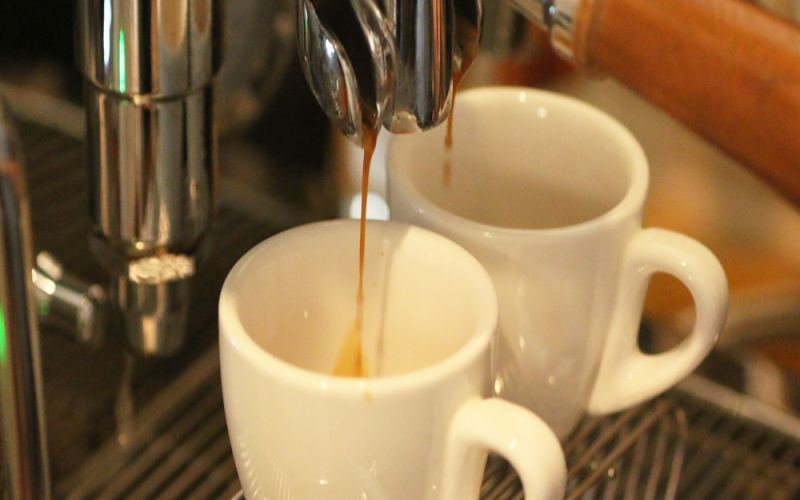
Beginner's Guide to Espresso Blend Coffee Beans: Flavor Analysis and Buying Tips for the Mamba Blend
To make a delicious espresso at home, choosing the right blend is key. Starting from common espresso blend approaches, this article introduces the logic behind combining beans from origins such as Brazil with Mandheling and Colombia, with a focus on analyzing the flavor characteristics of the classic "Mamba" recipe. It also discusses the feasibility of using single-origin beans for espresso, as well as several representative Front Street Coffee products—Specialty Blend, Classic Blend, Queen's Estate SOE, Golden Mandheling SOE, and Strawberry Candy Espresso—and the people and brewing scenarios each is suited for. Whether you're a beginner just getting started or a seasoned drinker looking to try something different, you'll find practical reference points in these suggestions. [more…]
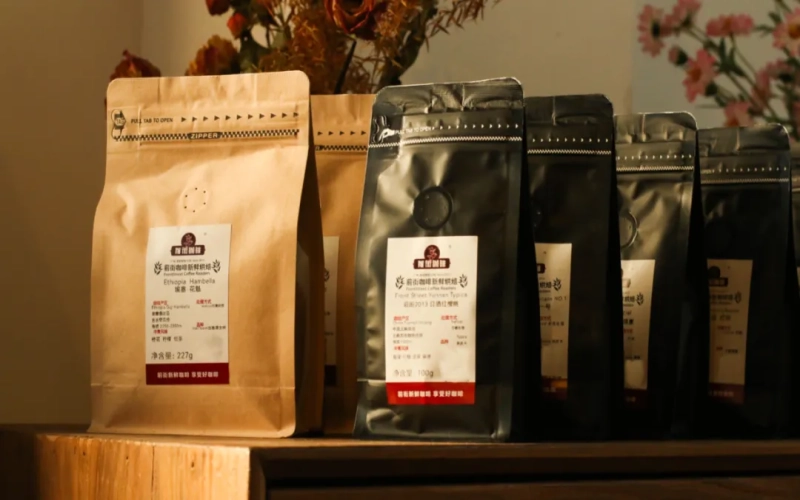
How Should Coffee Brewing Parameters Be Adjusted for Different Processing Methods? An Analysis of Water Temperature and Grind Differences for Natural, Washed, and Anaerobic Coffees, and Why Anaerobic Beans Drain Fast
When faced with coffee beans processed in different ways, is it necessary to design a separate brewing recipe for each one? Front Street believes that rather than recording tedious parameters one by one and bearing the high cost of trial and error, it is better to categorize beans by processing method or roast level and use a single recipe with a broad coverage range. This article focuses on three processing methods—natural, washed, and anaerobic—explaining the differences in their flavor expression, as well as the targeted adjustments that can be made during brewing, including the thinking behind setting water temperature, coffee-to-water ratio, grind size, and extraction time. The article also specifically explains why anaerobically processed coffee drains faster, and how to ensure full extraction by grinding finer or switching to a slower-flow filter basket. All parameters are based on medium-light roasted beans, with adjustment suggestions for medium-dark roasted beans included. [more…]
The Complete Guide to Pour-Over Geisha Coffee: Grind Size, Water Temperature, Coffee-to-Water Ratio, and Tracing the Flavor of Panama's Hacienda La Esmeralda
Geisha is renowned in the pour-over world as "delicious no matter how you brew it," but to fully unlock its layered complexity, parameters like grind size, water temperature, and coffee-to-water ratio still deserve careful attention. This article draws on Front Street Coffee's hands-on Geisha pour-over experience to outline recommended parameters and brewing rhythm for the V60 dripper, while tracing how Panama's Hacienda La Esmeralda propelled this variety onto the specialty coffee stage. It also introduces Geisha's place of origin, the influence of high-altitude cultivation on flavor, and typical tasting notes such as fruit aromatics on the entry, citrus and licorice, and honeyed sweetness, helping coffee enthusiasts more consistently present Geisha's juicy mouthfeel and aromatic layers in everyday brewing. [more…]