







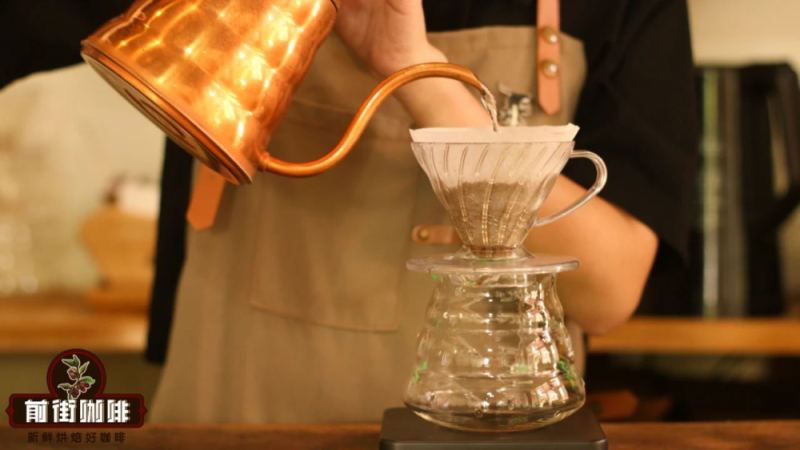
In the making of espresso, grind size and extraction time are like an inseparable pair, together determining the final flavor direction of the espresso. Starting from the principles of extraction, this article sorts out the historical evolution of espresso extraction recipes and current mainstream practices, with a focus on analyzing the applicability differences of the classic 25-to-30-second time window for coffee beans of different roast levels. At the same time, the article also explores how to use extraction time to judge whether the grind size is appropriate and whether the extraction is stable, and particularly explains why the time needs to be extended accordingly for medium-light roasted beans and under pre-infusion systems. Front Street Coffee, drawing on daily production experience, provides enthusiasts with a set of grind-adjustment ideas that can be quickly put into practice.
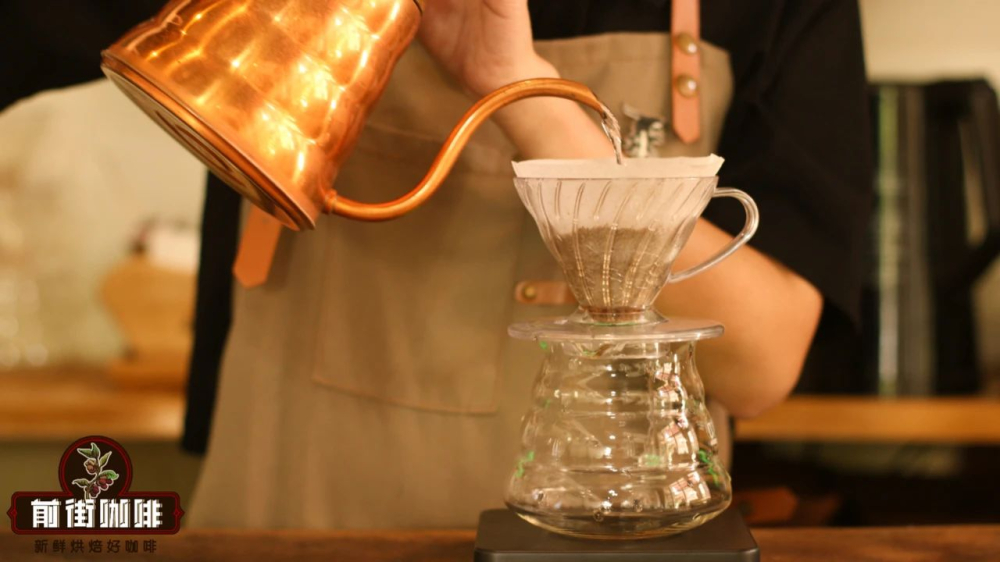
The essence of coffee extraction is using water to dissolve and carry out the flavor components in the coffee grounds. This process is not completed instantly, but requires a certain amount of time to support it—the longer the contact time, the more substances are naturally dissolved out. However, not all components in the coffee grounds are suitable for being released in large amounts, so we need to find an appropriate window to extract the target flavors in the right amount.
Different brewing methods and extraction recipes each have their own time requirements. As long as the extraction duration is controlled within a reasonable range, the probability of making a delicious cup of coffee will be greatly increased. Among various extraction forms, espresso is arguably the most sensitive to time.
An espresso machine has both high temperature and 9 bar of high pressure, making extraction efficiency extremely high, which also makes the entire extraction process especially sensitive. Even if the extraction time of the espresso differs by just three seconds, the taste on the palate may be worlds apart. Therefore, time occupies a pivotal position in espresso extraction.
In the era when espresso was still measured in ounces, regardless of whether the output was one ounce or two ounces, single or double, or whether 9 grams or 18 grams of grounds were used, everyone would lock the extraction time between 20 and 30 seconds.
However, times have changed. Coffee bean quality, roast level, and coffee machine performance are all far removed from what they once were, and the old formula is already very difficult to apply directly to today's espresso extraction. So what are the current extraction key points? Front Street Coffee believes many friends already know them by heart:
① Use a double basket as the basic unit for espresso extraction;
② Measure espresso liquid by weight rather than volume;
③ The grounds-to-liquid ratio gradually approaches 1:2;
④ Extraction time mostly falls within the 25-to-30-second range.
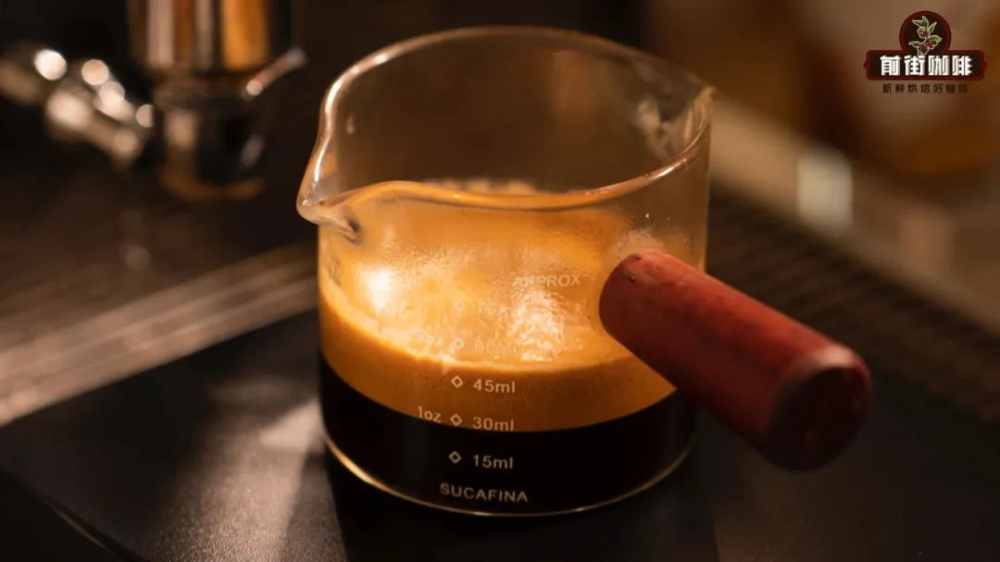
At present, the commonly used and relatively recommended espresso extraction recipe in most coffee shops (for dark-roasted beans) is: double basket extraction, grounds-to-liquid ratio of 1:2, and extraction time controlled at 25 to 30 seconds. With this recipe, we can quickly lock in the appropriate grind size and make an espresso with relatively ideal extraction yield and flavor.
Of course, for espresso, time is not just an auxiliary parameter for quickly adjusting the grind; it can also serve as a reference coordinate for flavor. We can roughly judge the flavor direction of a cup of coffee based on time. For example, when extracting with 20 grams of dark-roasted grounds at a grounds-to-liquid ratio of 1:2: if the time is less than 25 seconds, the espresso is very likely under-extracted, showing a thin body and a sour taste; if it exceeds this time, it is likely over-extracted, bringing a burnt, bitter, and harsh taste (the above judgments are limited to the current recipe, namely 20 grams of grounds and dark-roasted beans).
In addition, time can also be used to judge whether the extraction is stable. For example, after we dial in an espresso with satisfactory flavor, in the next two or three extractions, we can pay attention to whether the time fluctuates significantly.
If the error is within one second, it means this extraction parameter is relatively stable and was not affected by too many external factors during adjustment (such as insufficient hopper pressure, residual grounds, etc.); but if the error exceeds two seconds, it means that delicious espresso was affected by variables during extraction, and we need to re-establish the recipe. This shows how critical time is to espresso extraction.
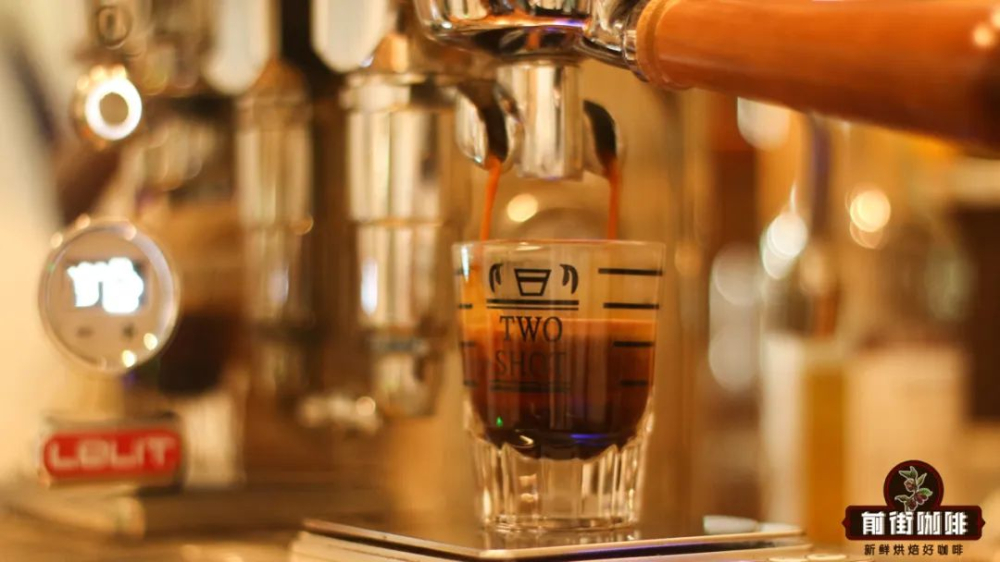
But! It must be emphasized that 25 to 30 seconds is not an absolute range that applies universally. This range is mainly for dark-roasted and medium-dark roasted beans, because such beans are not very "extraction-tolerant" and do not need too long an extraction time, and the dose is also kept within 20 grams.
For some medium-light roasted beans that are more "extraction-tolerant" (or rather, difficult to extract), or for extractions with a larger dose, the time needs to be extended accordingly in order to extract the substances in the coffee in the right amount. Not to mention espresso extraction with pre-infusion or a secondary dispersion screen added, which requires even more time.
The above content is compiled by CoffeeHunters, a coffee news website.


