







Can you put milk in a moka pot instead of water?
For a beginner pulling espresso at home, a medium-dark blend is easier to work with than a single origin. A typical starting recipe is 20 grams of grounds yielding about 40 grams of liquid, a 1:2 ratio, in 26 to 32 seconds. Distribute the grounds evenly, tamp level and adjust the grind until that time and weight line up.
Blends combine flavors from several regions and are roasted medium or darker, so they build crema more readily and leave more margin for error, which suits milk drinks. They are also usually cheaper than comparable single origins because they are supplied mainly for cafe service. Note that a moka pot uses the same fine grounds but works by steam pressure on a stovetop rather than a pump.
Newcomers just starting out with coffee making who want to brew a delicious latte at home will often find espresso blends more foolproof than single-origin beans. Blends combine flavors from multiple regions, and with a medium-dark roast they produce rich crema, offer a high margin for error, and come at a friendly price—making them especially suited to milk coffee. This article uses Front Street Classic Blend as an example to break down the espresso extraction process on a home coffee machine in detail: from the 1:2 coffee-to-liquid ratio of 20 grams of grounds to 40 grams of liquid, to the 26–32 second time control, and then to the specific methods for distributing, tamping, and adjusting the grind size. It also explains the origins of espresso blends, helping beginners understand why both cafés and homes favor blended beans.
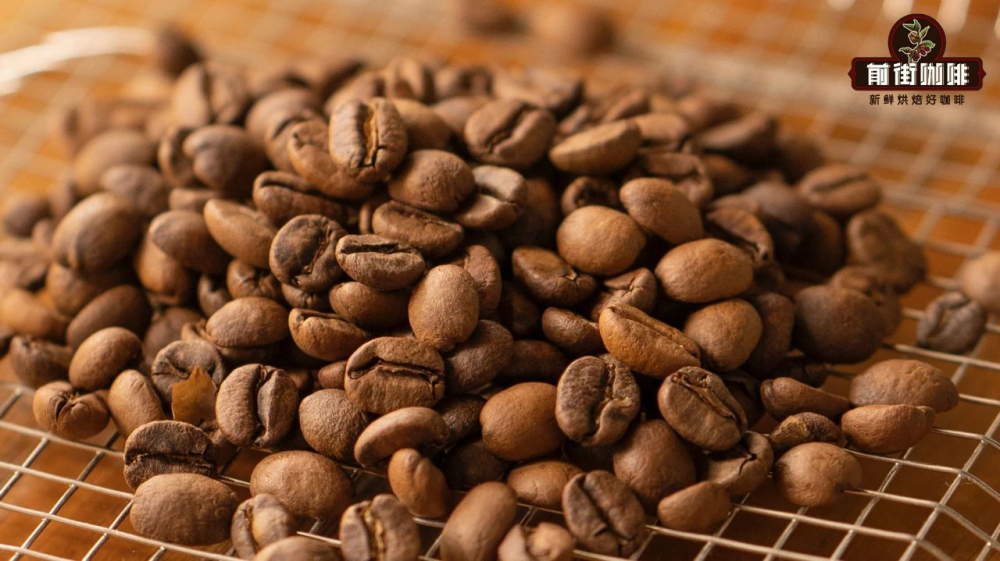
For beginners with limited coffee-making experience, choosing espresso blend beans is the more reliable option when trying to consistently make a delicious latte at home.
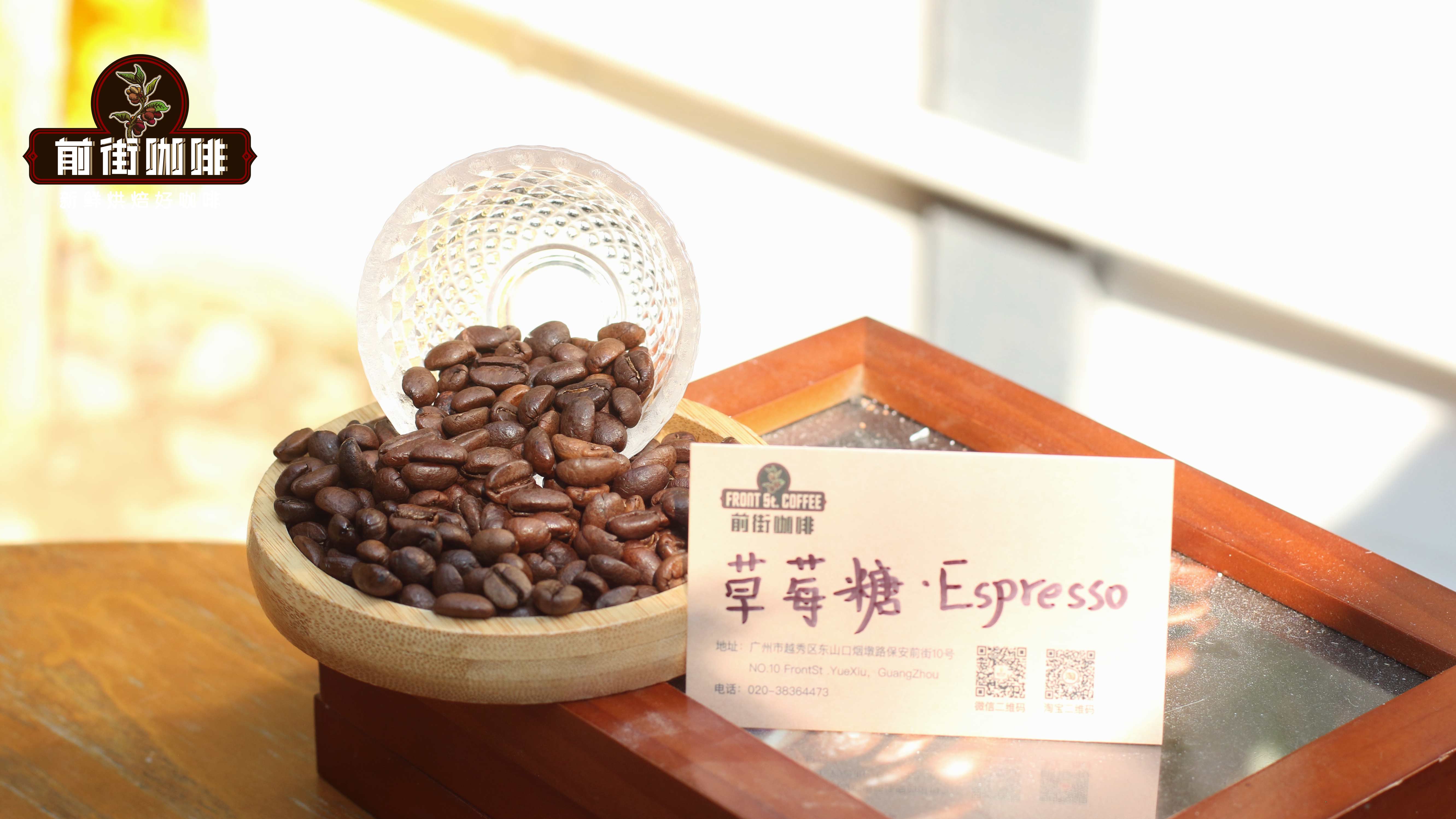
When it comes to extraction, baristas usually recommend that beginners prioritize espresso blends with better stability. If you prefer rich crema, you can buy Front Street. Front Street Classic Blend or Front Street. Commercial Blend coffee; if you value extraction stability and value for money more, Front Street. The espresso moka pot coffee beans recommended by many baristas—Front Street Black Cocoa Blend—is a good choice; and if you prefer Americanos or lattes with floral and fruity notes, then Front Street. Strawberry Candy Espresso is recommended.
Blend beans generally combine the flavor characteristics of multiple regions and use a medium or darker roast, making it easier to extract rich crema, and coffee beans with abundant crema are perfect for making milk coffee. The resulting espresso has a thick, rich mouthfeel and a greater margin for error. In addition, most espresso blends are mainly supplied for café service, so compared with single-origin beans of similar flavor profiles, the price is often lower, following an economical and cost-effective approach.
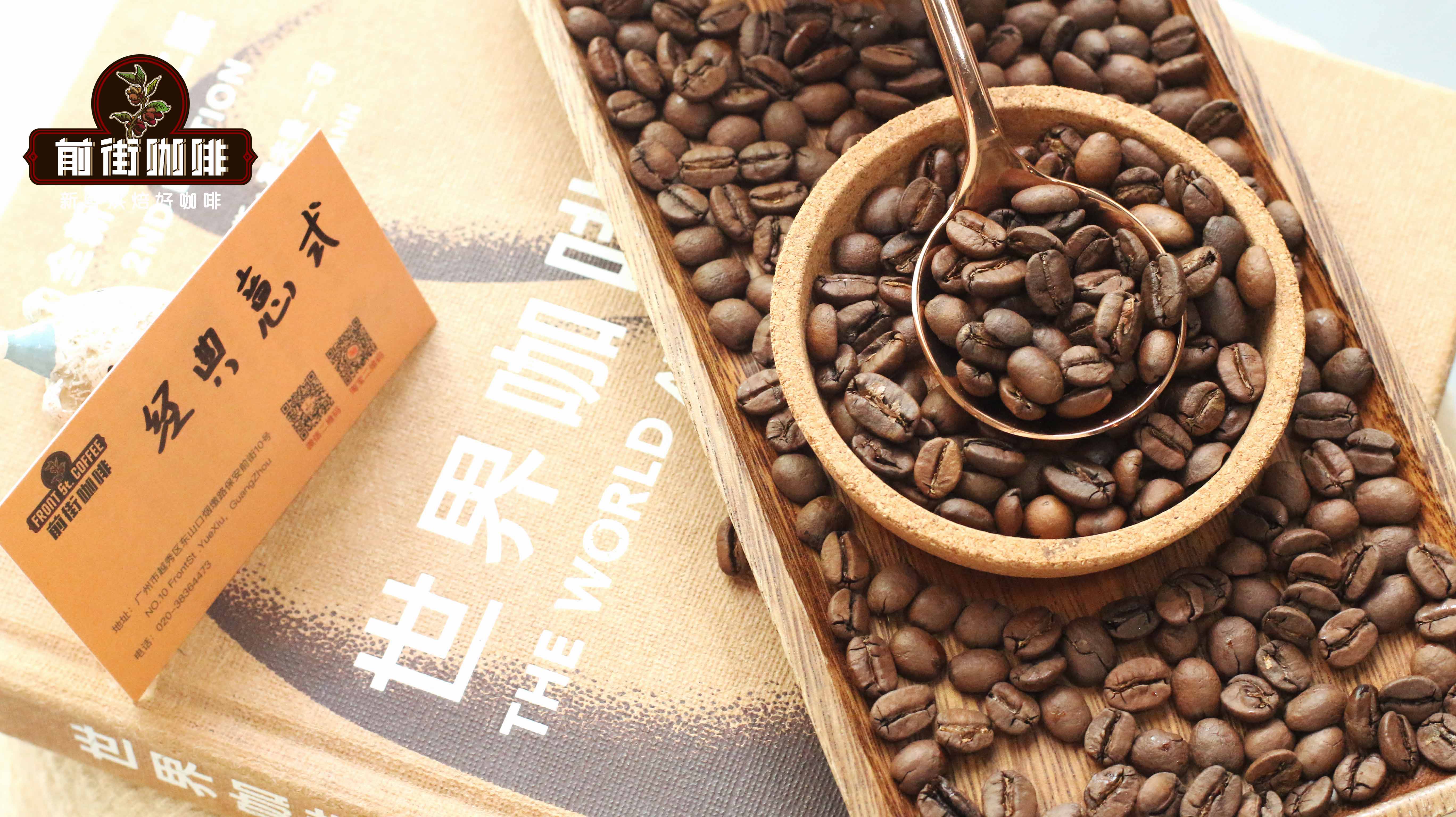
Here we use Front Street. Front Street Classic Blend, which has advantages for both home use and commercial café use. This bean is a tribute to the once-popular "Mamba Coffee," combining Indonesian Mandheling beans with Brazilian espresso beans. It has both the wild aroma of Mandheling and the smooth mouthfeel of Brazilian beans, with the flavors complementing and balancing each other. Front Street Classic Espresso Blend adds Robusta to the Mamba recipe, significantly enhancing the coffee's crema and making the body of the espresso more substantial. It is suitable for home preparation and also for latte art.
Coffee beans: Front Street Classic Blend coffee
Coffee grounds: 20g
Coffee liquid: 40g
Grounds-to-liquid ratio: 1:2
Extraction time: 26–32 seconds
Grind setting: Galileo 2.0
Whether it is a home coffee machine costing around a thousand yuan, a few-hundred-yuan "toy machine," or commercial equipment costing tens of thousands of yuan, the working principle is actually the same, so the preparation steps are much the same.
The coffee machine used by Front Street has a double-shot basket capacity, requiring 20 grams of coffee grounds each time, with an extraction ratio of 1:2, meaning 40ml of coffee liquid is obtained within a reasonable time. If the portafilter capacity is 18 grams of coffee grounds, then extracting 36ml of coffee liquid is sufficient.
Extraction time is closely related to the flow rate of the coffee grounds, and a single extraction is usually controlled between 20 and 35 seconds. If it is less than 20 seconds, the coffee taste tends to be thin and weak; if it exceeds 35 seconds, it is prone to over-extraction, causing the coffee to develop a burnt, bitter taste. Therefore, when Front Street produces its coffee, it controls the espresso time within the range of 26–32 seconds.
Before extraction, wipe the basket dry, turn on the grinder to grind a double shot of coffee grounds, and place them on an electronic scale to measure and adjust until the weight reaches 20 grams. Next, use a distribution tool to level the coffee grounds, then use a tamper to press straight down with force, tamping the puck firmly to ensure more stable extraction.
Then turn on the extraction switch and let water run for 1–2 seconds to wet the group head and wash away any coffee grounds stuck to it. Place an electronic scale under the cup that will catch the espresso, tare it to 0, and place it under the group head during extraction.
Gently lock the portafilter onto the group head and flip down the extraction switch. Watch the changes in the extracted liquid. When the electronic scale shows 40 grams of coffee liquid and the time is about 30 seconds, flip the extraction switch down, and you will have an espresso exuding a rich aroma.
If the extraction time is 30–35 seconds, it means the flow rate is a bit slow; next time you can appropriately reduce the coffee grounds by 0.3–0.5g (since even a difference of just 0.1 on the grind setting can noticeably affect the flow rate, Front Street does not recommend adjusting the setting lightly); if the extraction time exceeds 35 seconds, it means the grind is too fine and needs to be coarser; similarly, if the total extraction time is 20–25 seconds, you can directly increase the dose by 0.3–0.5g on the second shot; if the time is less than 20 seconds, then adjust the grind setting finer.
What is espresso blend coffee?
In the early days when espresso first became popular, coffee shops around the world used single-origin beans, such as Mocha coffee and Brazil coffee. Since this was taken for granted, people did not emphasize or explain it much. As coffee consumption demand continued to increase, coffee beans from major origins easily became uneven, and yield, quality, or flavor could all become unstable. To avoid the risks these factors brought to extraction, some merchants began blending coffee beans from different origins so they could compensate for one another.
At the same time, producers would also use dark roasting to eliminate unpleasant flavors and acidity, so that even if a batch from a particular origin was lower in quality, the dark roast could mask its flaws and the extracted coffee would have richer crema. Therefore, before the specialty coffee wave arrived, the raw materials used to make espresso were generally blends of coffee beans from two or more origins, without much emphasis on coffee origin and batch. As for the taste, it was basically fixed on bitter-toned flavors such as caramel, dark chocolate, nuts, cream, and cocoa.
The above content is compiled by CoffeeHunters, a coffee news website.


