







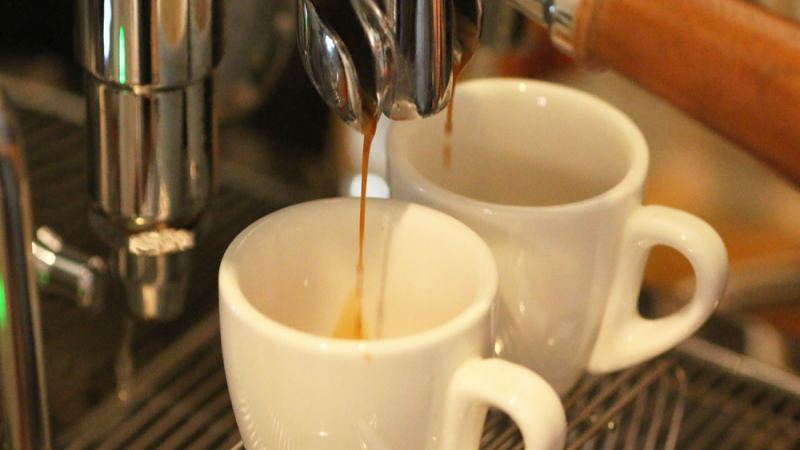
What should you know about blend coffee for espresso?
An espresso blend usually builds on Brazilian beans as a base, paired with origins such as Mandheling or Colombia. This combination keeps results consistent and flavors easy to accept. A classic example is the old-school Mamba recipe: Brazilian beans bring hazelnut-like creaminess while Mandheling adds spice and herbal depth, plus a small share of Robusta for crema.
Single-origin espresso, known as SOE coffee beans, is also possible, but it asks more of bean quality, roasting and extraction. Examples include a medium-dark Queen's Estate SOE with creamy peanut notes, a Golden Mandheling SOE, and a Specialty Blend that mixes Brazil and Colombia for nutty, caramel-like sweetness that holds up well with milk.
To make a delicious espresso at home, choosing the right blend is key. Starting from common espresso blend approaches, this article introduces the logic behind combining Brazilian beans with origins like Mandheling and Colombia, with a focus on the flavor characteristics of the classic "Mamba" recipe. It also discusses the feasibility of using single-origin beans for espresso, as well as several representative Front Street Coffee products—Specialty Blend, Classic Blend, Queen's Estate SOE, Golden Mandheling SOE, and Strawberry Candy Espresso—and who they suit and the brewing scenarios for each. Whether you're a beginner just starting out or a seasoned drinker looking to try something different, you'll find practical reference points in these suggestions.
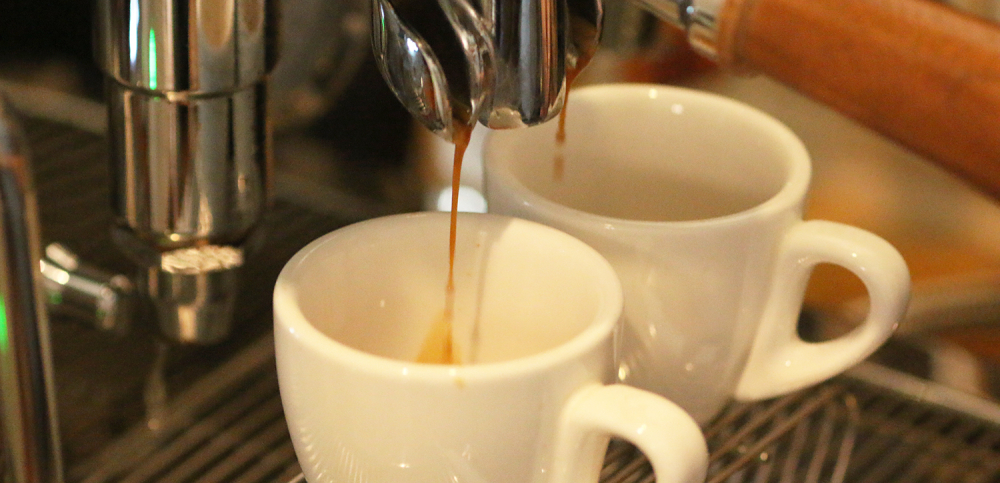
Front Street Coffee · Espresso Blend Recommendations
Generally speaking, using Brazilian beans as a base is a fairly safe choice. Combinations like "Brazil + Mandheling" or "Brazil + Colombia" have a low margin for error, and the flavors are easily accepted by most people. Front Street. Specialty Blend follows exactly this Brazil-and-Colombia路线, so it naturally carries nutty aromas and caramel-like sweetness, and when combined with milk it takes on a silky, thick texture, leaving a pleasant aftertaste in the mouth after drinking.
Another product with a strong reputation among home users, Front Street. Front Street Classic Blend, returns to the old-school "Mamba" recipe. The Brazilian beans contribute a hazelnut-like creaminess, while the Mandheling brings a rugged character interwoven with spices and herbs. To further enhance the crema of the espresso, we added a small portion of Robusta beans to this classic blend, ultimately presenting rich flavors of butter, roasted hazelnut, caramel, and dark chocolate. The body is solid—enjoyed as black coffee it is sweet and refreshing, while as a latte it is smooth and delicate.
Single-origin beans can also be used to make espresso (that is, SOE, or Single Origin Espresso). Some blends, if handled with a single-origin approach, can also yield good results. However, this places higher demands on bean quality, roasting technique, and extraction.
Front Street. Brazil Queen's Estate SOE Coffee Beans: If you prefer the highly recognizable flavors of single-origin coffee, you might try this medium-dark roasted Front Street. Queen's Estate SOE. The rich creamy peanut flavor is impressive, with a sugarcane-like sweetness weaving through, and a cocoa aroma at the finish. Both a moka pot and a home espresso machine can handle it.
Front Street. Front Street PWN Golden Mandheling SOE Coffee Beans: As one of Asia's most renowned specialty coffees, Front Street. Golden Mandheling SOE undergoes three rounds of manual sorting plus one round of machine sorting at the green bean stage, leaving the beans uniform and translucent. After medium-dark roasting, the beans are plump and large, giving off intense aromas of spices, caramel, cedar, and dark chocolate. The coffee extracted with a moka pot is rich and full-bodied, with quite good crema as well—very suitable for those who don't accept acidic coffee.
If you want coffee that isn't bitter, the first thing to avoid is dark-roasted beans with pronounced bitterness and light-roasted beans with obvious acidity. Beginners trying it for the first time can go straight for the medium-roasted Front Street. Strawberry Candy Espresso. This espresso recipe is designed specifically for those who enjoy floral and fruity notes, blending beans from three origins—Costa Rica, Colombia, and Ethiopia. It smells of roses, citrus, grapes, and dried blueberries, and when paired with milk it gives off a sweet aroma like strawberry gummy candy.
The above content is compiled by CoffeeHunters, a coffee news website.


