







Search Results for: rapid cold brew
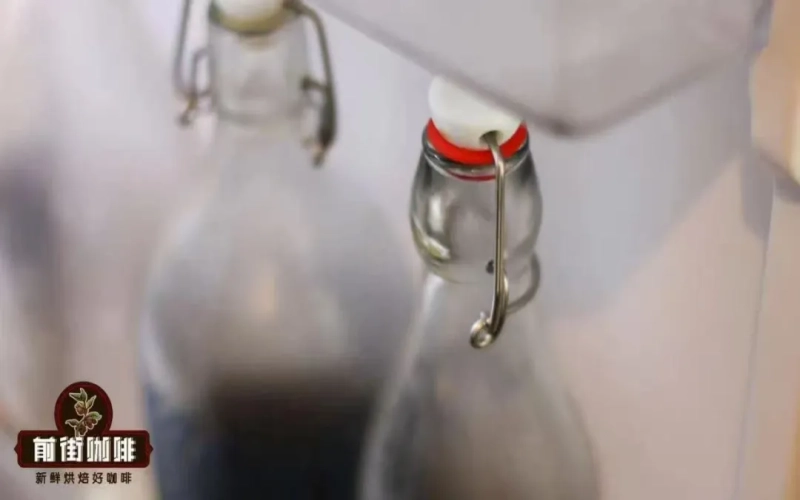
How to Speed Up Cold Brew Extraction? Can an Espresso Machine Make Cold Brew? Cold Brew Coffee Shelf Life Explained
Cold brew coffee typically requires a steeping time of more than 8 hours, followed by a period of maturation to reveal its full flavor. But many coffee enthusiasts want to shorten the waiting time, so some bloggers have shared a method for "making high-sweetness cold brew in one minute"—using a hand press or espresso machine to extract with cold water at 9 bar of pressure. Front Street Coffee has also experimented with ice-water extraction, and the result was a cup of cold brew that looked decent in just a few minutes, but tasted like little more than coffee-flavored water, with a mouthfeel and strength far inferior to the long-steeped version. This article analyzes in detail the principles and limitations of rapid cold brew, explains why flavor compounds cannot be fully dissolved at low temperatures even under pressure, and offers a more feasible way to shorten the time: appropriately raising the initial steeping water temperature. It also answers common questions such as how long cold brew coffee can be stored. [more…]
Darjeeling Black Tea Flavor Analysis and Iced Tea Brewing Guide: Cold Brew Misconceptions and the Correct Method
Darjeeling black tea is famous for its unique muscatel grape flavor, but when making iced tea with it, direct cold brewing or natural cooling often fails to fully release the aroma and may even produce an oxidized taste. Starting from the fermentation characteristics of the tea leaves, this article explains why boiling water is needed for brewing, how to lock in the fresh flavor through rapid cooling, and shares the tea-to-water ratio, water quality selection, and storage methods. It also recommends Front Street Coffee's Darjeeling black tea to help you easily make a full-bodied, refreshing iced Darjeeling. [more…]

Complete Brewing Parameters Analysis of Ice Dosage for Iced Pour-Over Coffee and the Japanese Rapid Cooling Method
When making iced pour-over coffee, the choice and amount of ice are often the questions enthusiasts ask about most. The core role ice plays in iced pour-over is rapid cooling, not aroma preservation or insulation. Because melted ice dilutes the coffee's strength, its density and quantity directly determine the finished cup's taste and drinking experience. This article will go through the considerations for choosing ice, recommended amounts, and the complete process and specific parameters of Japanese-style rapid-chill iced pour-over, one by one. The article also uses Front Street Coffee's Geisha Village Estate Red Label Geisha as an example to share a practical approach combining high-concentration extraction with a precise ice ratio, helping you brew a cup of refreshing, full-bodied, flavor-forward iced pour-over coffee at home. [more…]
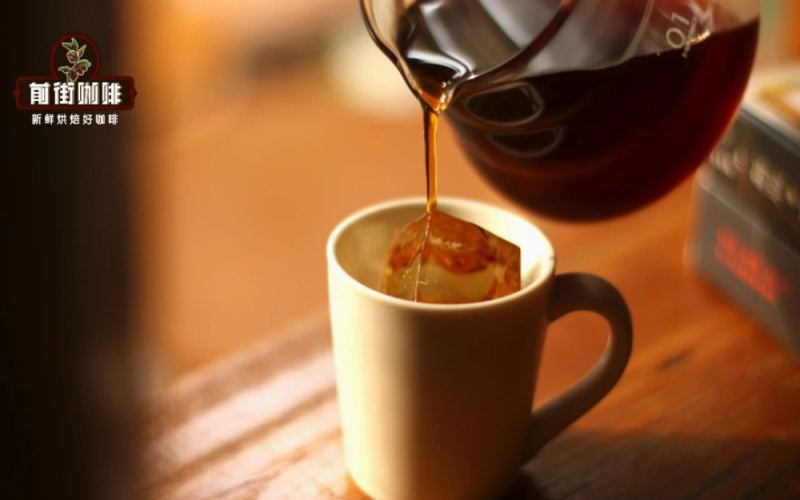
Five Common Questions About Cold Brew Coffee Answered: Why Is It So Expensive When It's So Easy to Make?
Cold brew coffee has rapidly risen in popularity in China in recent years, winning the hearts of many coffee enthusiasts with its refreshing taste and mild, balanced flavor. It originated in the United States, spread to Japan and Europe through social media, and became even more popular worldwide after Starbucks officially launched it. Many people wonder: What exactly is the difference between cold brew and regular iced coffee? Why is cold brew coffee more expensive? Can I make it at home myself? This article will address these five common questions, from the definition of cold brew and its essential difference from iced coffee, to specific homemade methods, the coffee-to-water ratio, and the cold brew performance of Front Street Elida coffee beans, answering them one by one. [more…]

Analysis of Why Cold Brew Coffee Filters Slowly and Comparison of Three Practical Solutions to Speed Up Filtration
Summer is here, and many people enjoy making cold brew coffee at home, but the filtration step often proves troublesome—the coffee liquid drips extremely slowly, sometimes taking half a day. Why is cold brew filtration so slow? The core reason is that the extremely fine particles in the coffee grounds clog the pores of the filter paper, leaving insufficient channels for the liquid to flow through. This is especially true when making multiple servings at once, as the waiting time gets stretched even further. This article will first explain the causes of clogging, then share three methods commonly used by baristas to speed up filtration: using a filter bag or cloth to pre-isolate the coffee grounds, spreading the coffee grounds at the bottom of the filter paper to intercept fine particles, and using a vacuum filtration device to achieve rapid filtration under reduced pressure. Each approach has its own pros and cons, suiting enthusiasts with different needs, and the article also retains relevant experience and product recommendations from the Front Street Coffee brand. [more…]
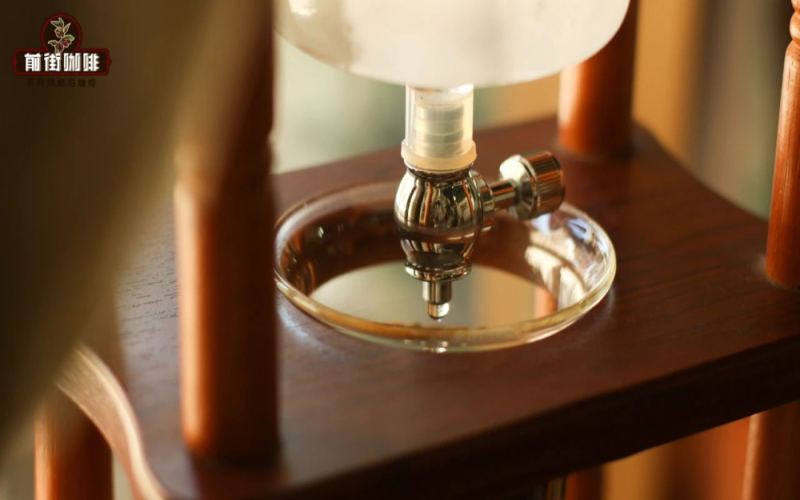
What Are the Differences Between Cold Brew, Ice Drip, Cold Brewed, and Iced Coffee? A Complete Guide to the Craft, Flavor, and Bean Selection of Four Types of Iced Coffee
Although they are all iced coffee, cold drip, cold brew, cold extraction, and iced chilling are often lumped together. They appear to all rely on low temperatures, but in reality their extraction paths, time requirements, and flavor directions are each different: cold drip emphasizes slow dripping and a fermented character, cold brew uses long soaking in exchange for a clean and smooth result, while iced chilling is a quick solution involving hot extraction followed by rapid cooling. This article breaks down the differences among the four from the perspectives of brewing principles, water flow control, water-to-coffee ratio, grinding, and bean selection, while retaining specific recommendations such as Front Street Coffee Mandheling and Yirgacheffe, to help coffee lovers make more suitable choices in different scenarios. [more…]
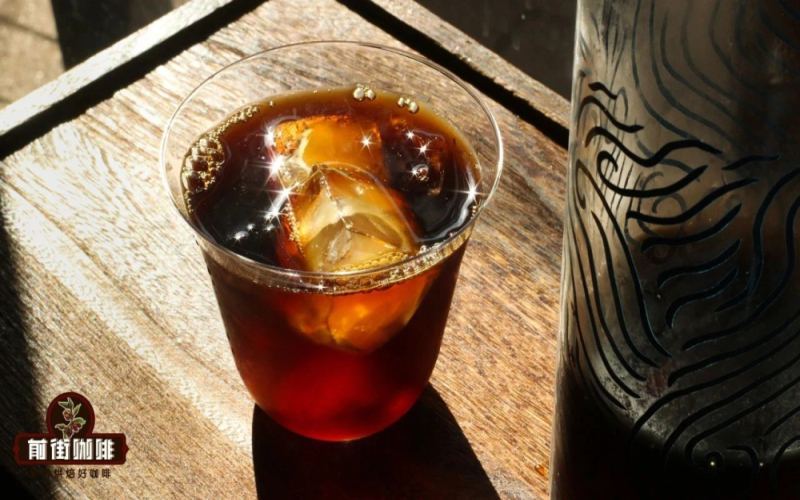
What exactly is the difference between cold brew coffee and iced coffee? A complete explanation from brewing process to flavor differences
Many people conflate cold brew coffee with iced coffee, but in fact the two differ markedly from their production methods to their final flavor. The history of iced coffee can be traced back several centuries, said to be linked to Vienna and France, and its method is simple: pour cooled coffee over ice cubes. Cold brew, by contrast, only rose rapidly in popularity in the past five years or so, gaining attention because it became easier to buy. The core difference between the two lies in the extraction process: iced coffee relies on hot extraction followed by cooling and adding ice, while cold brew uses a long, low-temperature steep. This directly affects acidity, bitterness, and smoothness. This article will explain what iced coffee is, what cold brew coffee is, how to make cold brew, the flavor characteristics of cold brew, and why it has become popular, while retaining Front Street Coffee's related recommendations and product information to help coffee lovers choose according to their own taste. [more…]
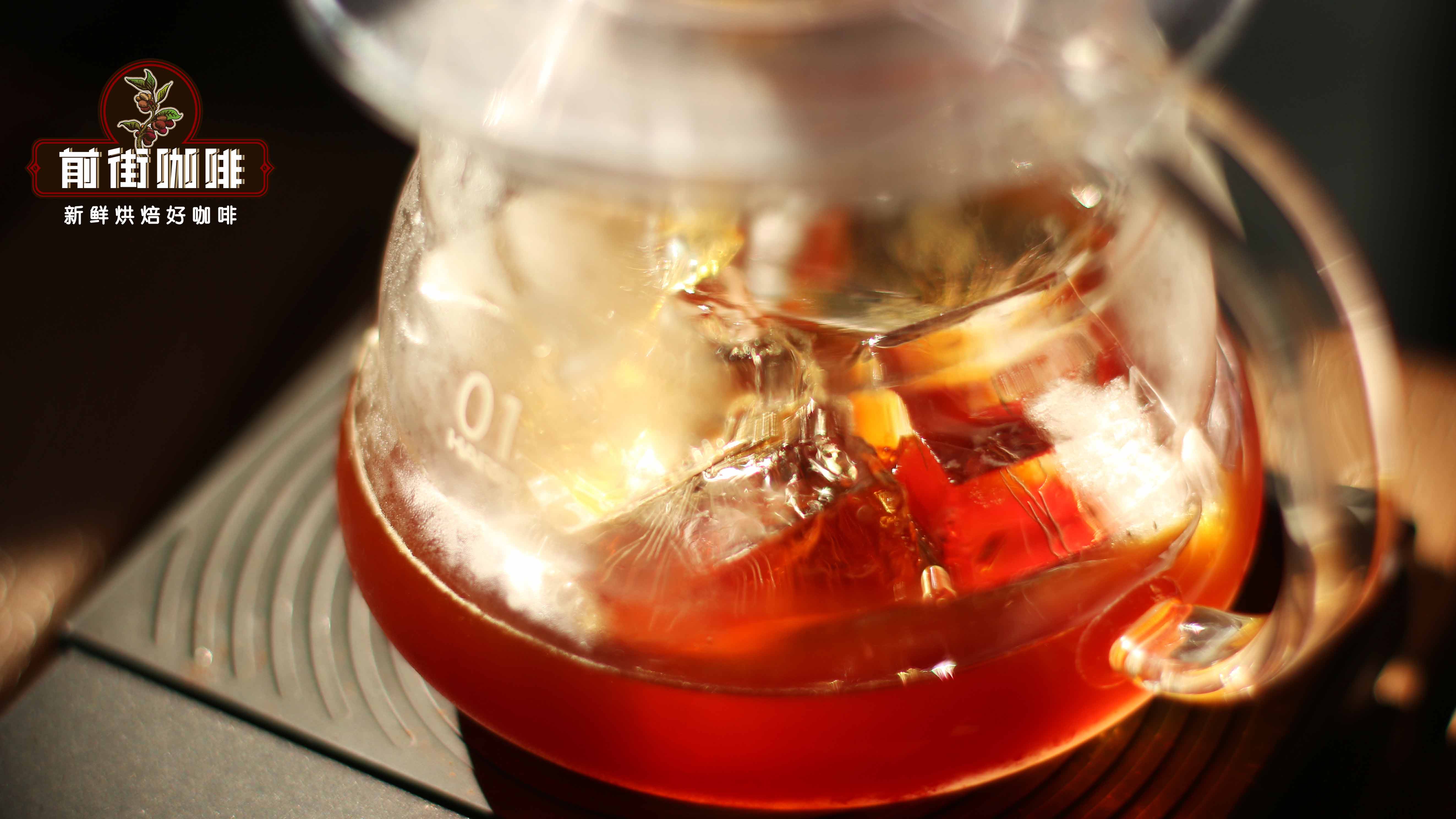
A Complete Guide to Making Iced Pour-Over Coffee: Ratios, Parameters, and Brewing Steps for Rapid-Chill Extraction
Iced pour-over coffee is not simply pouring hot coffee over ice cubes, but a brewing method known as "flash-chilled pour-over"—using ice to rapidly cool the hot coffee liquid in a short time. However, if you directly use the parameters of a regular hot pour-over, the final product often becomes weak and tasteless. To solve this problem, you need to adjust three core parameters: coffee-to-water ratio, grind size, and water temperature. Front Street has summarized a practical formula: coffee grounds (fine grind) + 10 times hot water + 5 times ice. This article will break down the adjustment logic of iced pour-over in detail, offer suggestions on choosing a dripper and coffee beans, and use an Ethiopian natural bean as an example to provide complete brewing parameters and staged pouring steps. [more…]

Within half a month, 14 subsidiaries were established, as Lu Zhengyao leads Cotti Coffee's rapid expansion to rival Luckin.
In just half a month, Cotti Coffee established 13 new branches in 9 major cities nationwide, demonstrating the rapid momentum of Lu Zhengyao's team returning to the coffee industry. Starting with its first store in Fuzhou, the brand has made a high-profile sponsorship of the Argentine national football team and set a goal of 10,000 stores in three years. Currently, the mini-program has launched nearly 60 products, covering coffee, tea drinks, cold brew, and other categories, including some of Luckin's hit items. The store model is divided into standard stores and mini stores, with the former accommodating dining and bar scenarios. However, the all-day multi-functional service has not yet been fully implemented, and food and alcohol are still not available. Whether Cotti can use Luckin's "magic" to defeat Luckin is worth continuous attention. [more…]
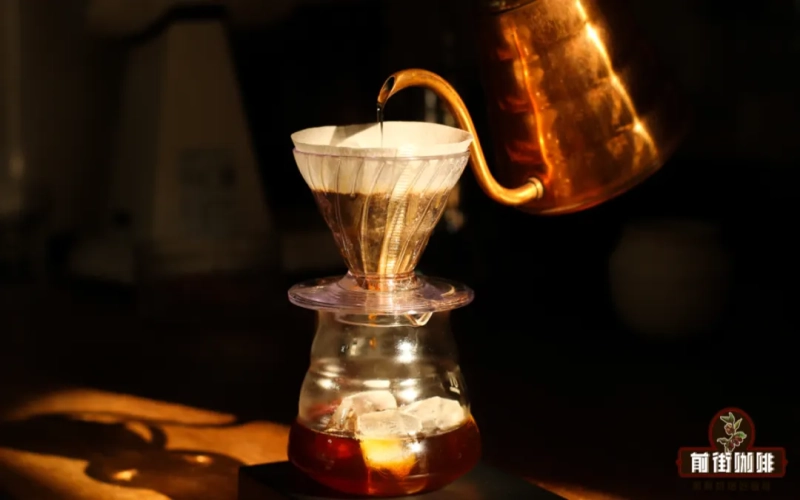
A Practical Guide to Making Iced Pour-Over Coffee at Home: Ice-to-Hot-Water Ratios, Grind Size Adjustments, and Key Stirring Techniques
Iced pour-over is not simply pouring hot coffee over ice; rather, it is an extraction method in which ice rapidly cools and moderately dilutes the coffee liquid, also known as "flash-chilled pour-over." To make a cup that is both refreshingly cold and rich in aromatic layers, you need to readjust parameters such as coffee dose, water volume, ice amount, grind size, water temperature, and timing. This article focuses on ice usage and application, the coffee-to-ice-to-water ratio, grind size adjustments, and two operational approaches—small-stream分段 and the stirring method—to help coffee enthusiasts make a balanced iced pour-over at home. It also provides specific references based on Front Street Coffee's commonly used parameters. [more…]

From Extraction Methods to Flavor Presentation: An In-Depth Analysis of Iced Americano, Cold Brew, and Cold Drip Coffee
In the heat of summer, iced coffee becomes the top choice for many. From the perspective of Front Street Coffee, this article systematically analyzes three popular iced drinks—iced Americano, cold brew, and ice drip coffee—covering their extraction processes, flavor characteristics, and practical brewing methods. Iced Americano uses hot water for rapid extraction plus ice, making it quick but relatively light in flavor; cold brew uses low-temperature long-time immersion to amplify purity; ice drip relies on cold water slowly filtering drop by drop to produce a smooth mouthfeel. The article not only details the specific steps for making iced Americano with Front Street Coffee's own Sunflower Warm Sun blend, various cold brew packs, and Sherry bean cold brew, but also reveals the ice drip blend recipes for single-origin beans such as Kenya, Huakui, and Sherry, providing coffee lovers with a professional and practical guide to summer cold drinks. [more…]
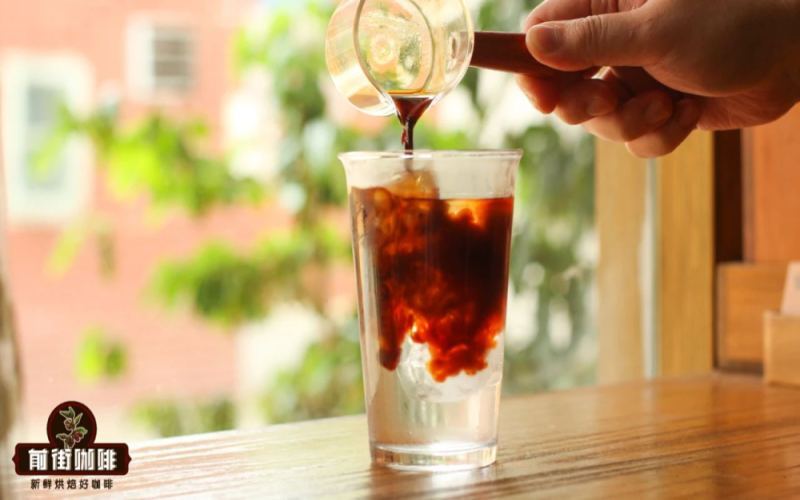
A Detailed Guide to the Four Major Iced Coffee Brewing Methods: Differences Between Cold-Water and Hot-Water Extraction, Plus Practical Tips from Front Street Coffee Baristas
As the weather turns warmer, iced coffee gradually becomes a favorite among coffee lovers. The common types of iced coffee mainly include iced pour-over, iced espresso (iced Americano), cold brew, and cold drip, each with distinct differences in extraction method and flavor expression. Iced pour-over and iced Americano follow the approach of rapid hot water extraction followed by dilution with ice, while cold brew and cold drip rely entirely on ice water or a low-temperature environment for long extraction, resulting in a softer and fuller flavor. The baristas at Front Street Coffee will introduce one by one the specific preparation methods, parameter ratios, and operational details of these four iced coffees, helping everyone recreate an ideal cup of iced coffee at home. [more…]
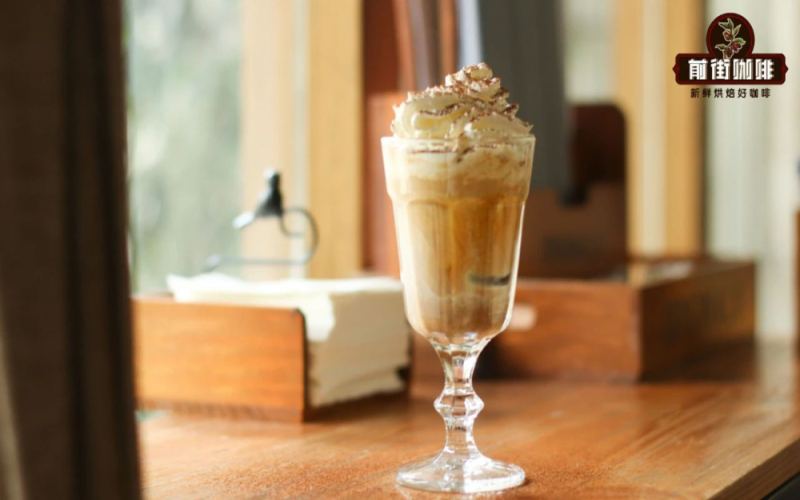
Starbucks Mainstream Coffee Beverage Classification and Features Explained: A Complete Guide from Espresso to Cold Brew
As a globally renowned coffee chain brand, Starbucks builds its beverage system on the foundation of espresso. By pairing it with different ingredients such as water, milk, and syrup, it has developed many classic products including Americano, Latte, Cappuccino, Flat White, Mocha, and Caramel Macchiato, and offers three cup sizes: Tall, Grande, and Venti. In addition to traditional espresso drinks, the cold brew coffee series has also quickly gained popularity in recent years, winning over many enthusiasts with its smooth texture achieved through long, low-temperature extraction. In this article, Front Street Coffee will systematically sort out the recipe characteristics and flavor differences of Starbucks' main coffee categories, and also share the preparation parameters for iced Americano, helping coffee lovers more clearly understand the logic behind the menu and find the cup that suits their taste. [more…]
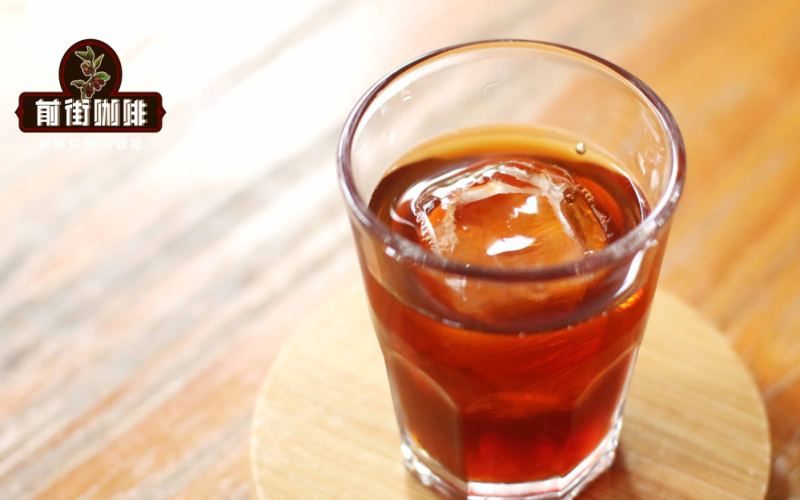
How to Choose the Steeping Time for Cold Brew Coffee? A Flavor Analysis of 12-Hour, 24-Hour, and 4-Hour Differences
Cold brew coffee has rapidly risen in popularity in the coffee world in recent years, thanks to its unique flavor profile achieved through low-temperature slow extraction. The method isn't complicated—just soak coffee grounds in cold water for 12 hours or more and then filter—but the length of the steeping time directly affects the final flavor. This article, through four sets of comparative experiments by Front Street Coffee, provides a detailed analysis of the flavor differences in cold brew steeped for 4, 8, 12, and 24 hours, and offers coffee bean recommendations suitable for cold brew, helping you find the steeping time that best suits your taste. [more…]

The Complete Guide to Cold Brew Coffee: Low-Temperature Extraction Principles, Home Brewing Ratios, and Light Roast Bean Selection Tips
Cold brew coffee has rapidly gained popularity in recent years, driven by the specialty coffee scene and Starbucks, becoming a hot choice for summer iced coffee. It uses a low-temperature, long-steeping extraction method, typically requiring 8 to 12 hours, so its flavor profile is completely different from regular iced coffee. Without the involvement of high heat, the bitterness, astringency, and oils in the coffee are released less, but the caffeine content is relatively higher, and it may also carry a fermented, alcohol-like note. This article will systematically explain the flavor characteristics of cold brew coffee, the scientific principles of low-temperature extraction, the grind size and coffee-to-water ratio for home brewing, and recommend light-roast beans suitable for cold brew, including information on several Front Street Coffee products. [more…]

Can You Make Cold Brew with Hot or Warm Water? Flavor Comparison Experiment of Quick-Extracted Cold Brew Coffee at Different Water Temperatures
Cold brew coffee usually requires 8 to 12 hours of low-temperature slow extraction, but what if you want to drink it the same day? Raising the water temperature can speed up extraction, but if you use hot water directly, it becomes hot brew, and the floral and fruity aromas and low bitterness unique to cold brew will also disappear. Front Street compared three methods through experiments: conventional 23°C cold water extraction for 10 hours, 40°C warm water extraction for 4 hours, and 92°C hot water blooming followed by room-temperature water extraction for 4 hours. The beans used were Colombia · Hanami, with full berry acidity, floral notes, and pink pepper flavors. The results showed that the 40°C warm water rapid cold brew was closest to the performance of conventional cold brew, with both a fermented feel and clearly presented flavors, making it suitable for friends who want to drink cold brew quickly. [more…]

Analysis of the Flavor Differences Between Iced Americano, Iced Pour-Over, and Cold Brew Coffee: Which Beans Are More Suitable for Iced Coffee
When you walk into a coffee shop and order an iced black coffee, you'll often be asked whether you want ice drip, cold brew, or iced Americano. What exactly is the difference between these three iced coffees? From Front Street's perspective, this article sorts out the differences between cold brew and ice drip in terms of extraction method, clarity of taste, and storage time, and also compares the high-temperature rapid extraction characteristics of iced Americano. The article also discusses whether cold brew really has lower acidity, the caffeine content levels of the three iced coffees, and the caffeine misconceptions about espresso and drip coffee, helping you choose the right cup according to flavor and occasion. [more…]

Complete Guide to Ice Coffee Ice Cube Ratios: Ice Techniques for Americano, Latte, Pour-Over, Cold Brew, and Ice Drip
Every spring and summer, iced coffee becomes many people's go-to daily choice, and "exactly how much ice to add" is always the trickiest part of home brewing. Ice in coffee isn't just a cooling tool—it also affects aroma retention and how long the chill lasts. This article covers three main categories—espresso, pour-over, and cold brew and ice drip—and, combined with the characteristics of coffee beans at different roast levels, provides specific ice ratios and practical tips. It also explains how the texture, size, and freezing method of ice affect the final taste, helping you make a cup of iced coffee at home with just the right strength, flavor, and chill. [more…]
Complete Guide to Ice Amounts for Iced Coffee: Ice Ratios and Tips for Espresso, Pour-Over, and Cold Brew
As temperatures climb, iced coffee becomes a daily choice for many, but the key to a delicious cup of iced coffee lies in precisely controlling the amount of ice used. Ice in coffee not only handles the cooling task, but also locks in aroma and slows the rise in temperature, making the refreshing taste last longer. However, different extraction methods and coffee beans of different roast levels have vastly different ice needs. This article starts from the role and quality requirements of ice, combines the specific scenarios of espresso, pour-over coffee, and cold brew ice drip, and analyzes in detail the logic for adjusting ice ratios. Using beans such as Front Street Classic Blend, Grana Geisha SOE, and Fruit Ding Ding as examples, it provides actionable home ice solutions to help you easily make a cup of iced coffee with just the right strength, flavor, and chill. [more…]
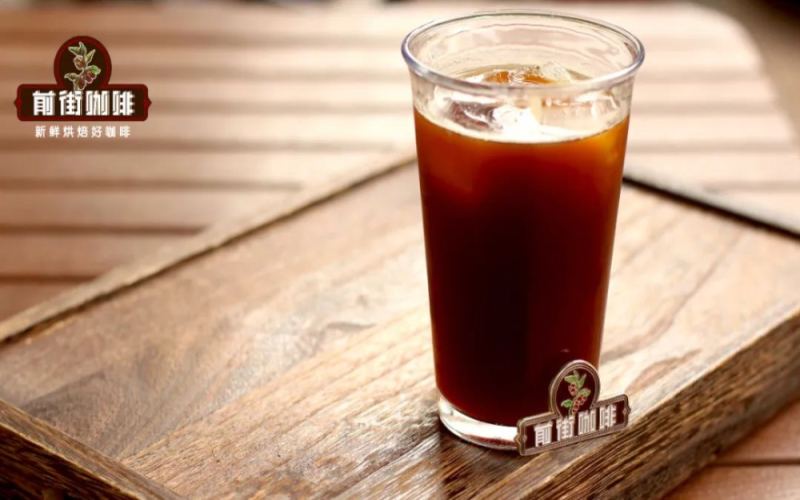
The Art of Adding Ice in Iced Coffee Making: A Full Analysis of Cooling, Aroma Locking, and Ratio Techniques
Whether iced coffee tastes good often hinges on the step of adding ice. Ice is not just a cooling tool; it also locks in aroma and maintains a cold mouthfeel. How much ice to add, what kind of ice to choose, and how to ratio different coffees—these questions trouble many enthusiasts. Drawing on Front Street Coffee's practical experience, this article first explains the three major functions of ice in coffee, then analyzes the differences between solid and hollow ice, and between large and small ice, and finally provides specific ice-adding plans for iced Americano, iced latte, iced pour-over, and cold brew/ice drip, helping you make consistently delicious iced coffee at home. [more…]