








How Much Ice for Iced Coffee? A Guide to Ratios and Techniques
Adding ice to coffee is a common dilemma in spring and summer, and the amount to use puzzles many home brewers. While online recipes abound, at Front Street Coffee we believe the right ice quantity depends on the brewing method, the coffee beans, and your taste. Ice rapidly cools hot coffee, helps lock in aroma by reducing volatilization, and slows warming so the chill lasts longer. Therefore, the coffee itself must be strong and flavorful before ice is added.
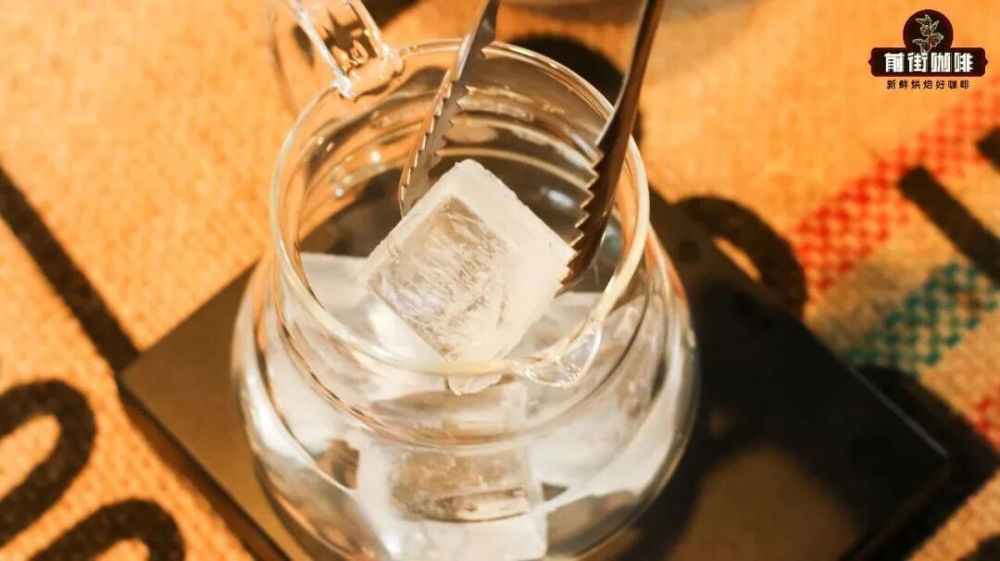
Ice quality also matters. Home ice molds are typically spherical or square. Static freezing in the freezer creates solid ice, and with the same shape, larger pieces melt more slowly. Ice frozen a second time becomes harder and cools more effectively than fresh ice. Front Street Coffee suggests using large-cube trays or large spherical molds for denser ice. If your ice is small, unmold it ahead, store it in a sealed container, and refreeze to harden it.
In spring and summer, iced coffee becomes the daily go-to for many people, and "how much ice to add" is always the trickiest part to get right when making it at home. Ice in coffee isn't just a cooling tool—it also affects aroma retention and how long the chill lasts. This article covers three main categories—espresso, pour-over, and cold brew and ice drip—and, combined with the characteristics of coffee beans at different roast levels, provides specific ice ratios and brewing suggestions. It also explains how the texture, size, and freezing method of the ice affect the final taste, helping you make a cup of iced coffee at home with just the right strength, flavor, and chill.

Adding ice to coffee is a topic you can never avoid in spring and summer, and "how much ice to add" is the question many home coffee makers agonize over most.
Although there are already very detailed online tutorials for all kinds of iced coffee, and you can just buy the ingredients according to the recipe and start making it, at Front Street Coffee we believe that to truly make a well-balanced cup of iced coffee, the amount of ice still needs to be adjusted flexibly according to the brewing method, the characteristics of the coffee beans, and personal taste preferences.
Ice plays three roles in coffee: first, it rapidly cools hot coffee; second, it locks in aroma and reduces volatilization; third, it slows the rate of warming so the icy mouthfeel lasts longer. For this reason, before adding ice we must first ensure the coffee itself is strong enough and has a solid flavor; and it's not just the quantity of ice that matters—the quality of the ice itself is equally important.
The ice molds commonly used at home fall roughly into two types: spherical and square. In the freezer they undergo static freezing, producing solid ice. When the shape is the same, the larger the piece, the slower it melts. In addition, ice that has been frozen a second time is harder, and after being added to coffee it cools more effectively than ice fresh out of the mold.
If you often make iced coffee at home, Front Street Coffee suggests choosing large-size ice cube trays, or simply getting independent large spherical molds, so the ice comes out denser. If the ice you have on hand is on the small side, and you have time, you can unmold it in advance, put it in a clean sealed container, and return it to the freezer—this keeps the ice harder.
Next, we'll discuss how much ice to add in different situations.
Adding ice to espresso
The flavor core of an espresso drink lies in the espresso, whose strength is determined by the amount of water and milk, while the ice is responsible for cooling. Moreover, this type of drink usually comes in a larger cup and is sipped over a longer time, so it needs to stay cold longer—meaning the ice not only has to be plentiful but also has to melt slowly.
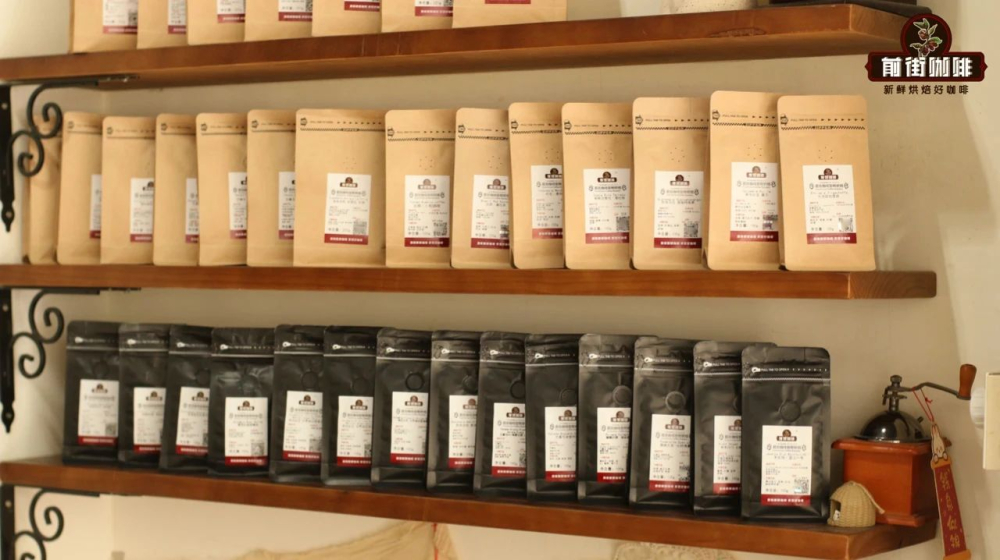
Considering that espresso beans at different roast levels bring completely different flavor directions, and to keep the coffee's aroma from being diluted, it's best to have two ice strategies ready:
For medium-dark roasted espresso beans, such as the Front Street Classic Blend that many home users like, the espresso it extracts is rich in crema, with roasty aromas like toasted hazelnut, butter, dark chocolate, and maple syrup—full-bodied and intense. When making an iced americano or iced latte, the proportion of ice can be increased appropriately.
Front Street. Front Street Classic Blend iced americano: extract 40g from 20g of grounds in 25–30 seconds, add 120ml drinking water + 100g ice; the ice is 2.5 times the espresso, and choose large, hard ice cubes where possible;
Front Street. Front Street Classic Blend iced latte: extract 40g from 20g of grounds in 25–30 seconds, add 150ml chilled fresh milk + 80g ice; the ice is 2 times the espresso.
The other type is medium-roasted fruity, acidic espresso beans. Take the recently launched Front Street. Grana Geisha SOE as an example: its espresso has less crema, lower body, mild bitterness, and flavors leaning toward honey, lemon, nectarine, and blueberry. Whether making an iced americano or an iced latte, the goal is to showcase a refreshing quality, so you should reduce the amount of ice, water, and milk to give the coffee itself a stronger presence.
Front Street. Grana Geisha SOE iced americano: extract 40g from 20g of grounds in 30–35 seconds, add 100ml drinking water + 80g ice; the ice is 2 times the espresso;
Front Street. Grana Geisha SOE iced latte: extract 40g from 20g of grounds in 30–35 seconds, add 120ml chilled fresh milk + 60g ice; the ice is 1.5 times the espresso.
Adding ice to pour-over coffee
Unlike iced espresso drinks, iced pour-over is an extraction method that uses ice to rapidly cool the hot coffee liquid in a short time while diluting it to the right strength. Compared with hot pour-over, iced pour-over adds ice as a key variable. To make the coffee both strong enough, flavorful enough, and cold enough without using other tools, you need to balance the ratio of hot water to ice. The ice-adding approach also comes in two types:
When brewing medium-light roasted beans dominated by floral and fruity notes, such as Front Street. Gedeb and Front Street. Cherry Tomato, you need to extract as much of the sweet mid-palate compounds as possible to make the flavor fuller, so the proportion of ice can be slightly lower. Take a single serving of 15g Front Street. Gedeb as an example: total poured water 170ml, brew for 2 minutes, then add 60g ice; the ice is 4 times the coffee grounds.
For darker roasted beans like Front Street. Queen's Estate and Front Street. Huila, it's recommended to focus on the caramelized flavors of the early stage and avoid the bitterness of the late stage, which can be achieved by reducing the poured water and increasing the ice. Use 15g of coffee grounds with 150ml hot water + 75g ice; the ice is 5 times the coffee grounds.
Adding ice to cold brew and ice drip coffee
Cold brew and ice drip are themselves low-temperature products, and the coffee is better suited to showing sweet-and-sour notes, so it's recommended to prioritize medium-light roasts. Beginners can try Front Street Strawberry Candy, Front Street Blackberry, Front Street Mozart, and Front Street Kenya—all are best-selling single-origin offerings.
Since the coffee liquid from low-temperature extraction is already icy cold, it doesn't need extra cooling, but for the best drinking experience you can add a small amount of ice when serving to maintain the chilled effect.
For example, when Front Street makes a 180–200ml serving of ice drip or cold brew, it adds 30g of large ice cubes, so the coffee liquid is about 6 times the ice.
The above content is compiled by CoffeeHunters, a coffee news website.


