







Is cold brew coffee strong compared with regular iced coffee?
Cold brew coffee is steeped at low temperature for 8 to 12 hours instead of brewed hot, so bitterness, astringency and oils are released far less. The trade-off is a higher caffeine concentration and a fermented, alcohol-like aroma. A little served over ice can taste like strong liquor, and a very concentrated batch can leave a drinker feeling dizzy.
Low temperature slows the release of heavy-molecular-weight compounds linked to bitterness and body, while the long steep lets light-molecular-weight flavor compounds come through, so the cup reads clean and sweet. Because strength depends on grind size, coffee-to-water ratio and steep time, the same logic applies when asking about white coffee caffeine content or whether white coffee is strong.
Cold brew coffee has rapidly gained popularity in the specialty coffee scene and thanks to Starbucks, becoming a hot choice for summer iced coffee. It uses a low-temperature, long-steep extraction method, usually requiring 8 to 12 hours, so its flavor profile is completely different from regular iced coffee. Without high heat, the release of bitterness, astringency, and oils in the coffee is reduced, but the caffeine content is relatively higher, and it may carry a fermented, alcoholic note. This article will systematically explain the flavor characteristics of cold brew coffee, the science of low-temperature extraction, the grind size and coffee-to-water ratio for home brewing, and recommend light-roast beans suitable for cold brew, including several product details from Front Street Coffee.
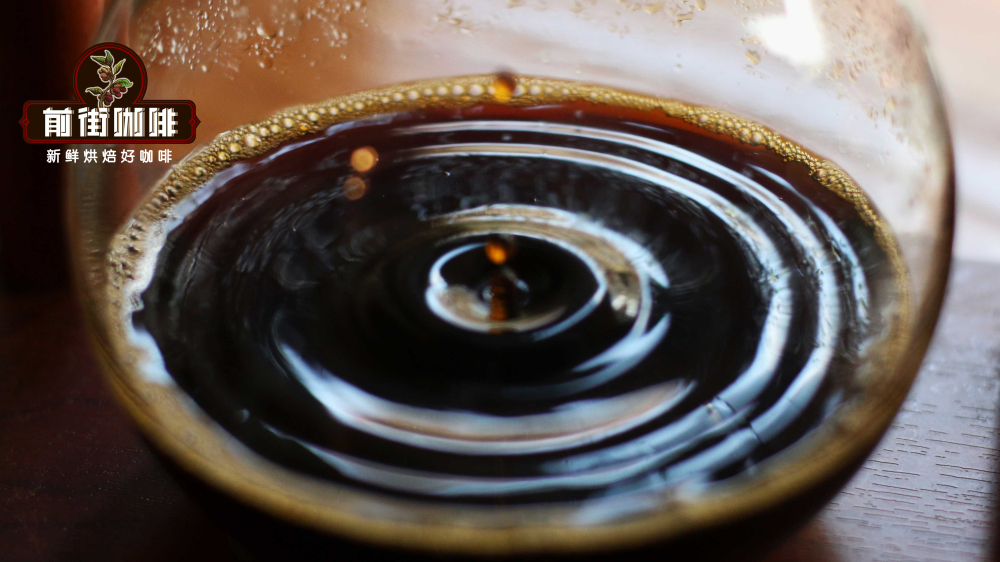
\n\nIn recent years, driven jointly by the specialty coffee scene in Europe and America and by Starbucks, cold brew coffee has become the star of the iced coffee world. In the heat of summer, besides ordering a cup at a café, brewing a batch at home has become a trendy and relaxing new pastime. So what exactly is the difference between cold brew coffee and ordinary iced coffee?\n\nUnlike the conventional method of quickly extracting flavor with hot water, cold brew takes the low-temperature steeping route, and making a batch usually requires waiting 8 to 12 hours, so many cafés list it as a limited-supply item. Because no high heat is involved, many chemical molecules in the coffee grounds are not released, so bitterness, astringency, and oils are correspondingly reduced; but the long contact between water and coffee grounds also results in a higher caffeine concentration and brings out a fermented, alcohol-like aroma. A little cold brew topped with ice can give the illusion of drinking strong liquor, and if you drink too much or the brew is too concentrated, you may even feel dizzy.\n\n
\n\nWhy does low-temperature extraction noticeably weaken coffee's bitterness and astringency? The reason is that low temperatures can effectively inhibit the release of certain heavy-molecular-weight substances in coffee particles (such as bitter compounds and body-contributing substances). At the same time, cold brew's steeping time is greatly extended, allowing the light-molecular-weight flavor substances in the coffee particles to be fully released, so the final product is often clean overall while also being aromatic and full-bodied.\n\nAnd precisely because low temperatures cannot extract body-giving substances, if a cold brew lacks sweetness and acidity, it is as if it has lost its soul. In addition, the quality of the beans is amplified without reservation by cold brew, so it is best to choose beans of excellent quality, freshly roasted, with prominent flavor and clear sweetness and acidity. Every coffee bean sold by Front Street Coffee has been manually sorted more than twice, striving to ensure that every customer receives beans of uniform quality.\n\n
\n\nTo let everyone drink the freshest coffee beans, the beans sent out by Front Street Coffee are all shipped within 5 days after roasting is completed, with the goal of letting every coffee lover start from the freshest state of the coffee beans and experience the charm of the flavors brought by each day's different condition.\n\nIn the past, coffee sales often declined in summer and only climbed again after autumn arrived. Now, cold brew coffee has caused coffee demand to surge even during the hotter months, with growth far exceeding other iced coffee drinks. Coffee sales increase as temperatures rise. Cold brew has also brought in a whole new consumer group for coffee—millennials, many of whom treat it as their drink of choice.\n\n
\n\nBecause it is favored by the younger generation, Starbucks also seized the opportunity and began launching its cold brew line in 2015. Later, to enrich the layers of mouthfeel, it successively introduced nitro cold brew and the foam-topped cold brew made with skim milk. Thanks to Starbucks' promotion, this divine summer drink has become known to more people.\n\n
\n\nHowever, because production is time-consuming, ordering a cold brew at a café usually costs quite a bit, so in this article Front Street Coffee will teach everyone how to make cold brew at home (grab a notebook and write this down!!)\n\nUnlike high-temperature extraction, to make the coffee extract more evenly and intensely in a low-temperature environment, the grind size should be slightly coarser than for pour-over coffee. Why? Because there is no heat to accelerate the movement of water molecules, solid molecules tend to clump together, and the finer the grind, the more severe the clumping in water, so the coffee grounds at the center of the clumps cannot be fully extracted.\n\n
\n\nTherefore, Front Street recommends using a grind size slightly finer than granulated sugar for cold brew (but not as fine as caster sugar), that is, a size with a 70-75% passing rate through the Chinese standard No. 20 sieve. Generally, for 1-2 servings of cold brew you need 30g of coffee grounds, extracted at a 1:13 coffee-to-water ratio (that is, add 390-400g of ice water or cold water). Choose a clean, oil-free sealed container as the extraction vessel, mix the coffee grounds and ice water evenly, then place it in the refrigerator and let it sit for 8-12 hours. After extraction is complete, filter out the coffee grounds thoroughly, and you will have a cup of cold brew coffee that is clean overall and full-bodied.\n\nFreshly made cold brew, because the soluble substances have not yet fully permeated into the water, will have a sandy, granular mouthfeel when sipped, and the flavor will not yet have emerged. At this point it is recommended to refrigerate the coffee for 3 to 4 hours before drinking, and the mouthfeel and aroma will be better. If your cold brew appears cloudy or has sediment, it means it most likely was not filtered cleanly; it is best to use filter paper with the best filtration performance, so the coffee liquid will be clearer.\n\n
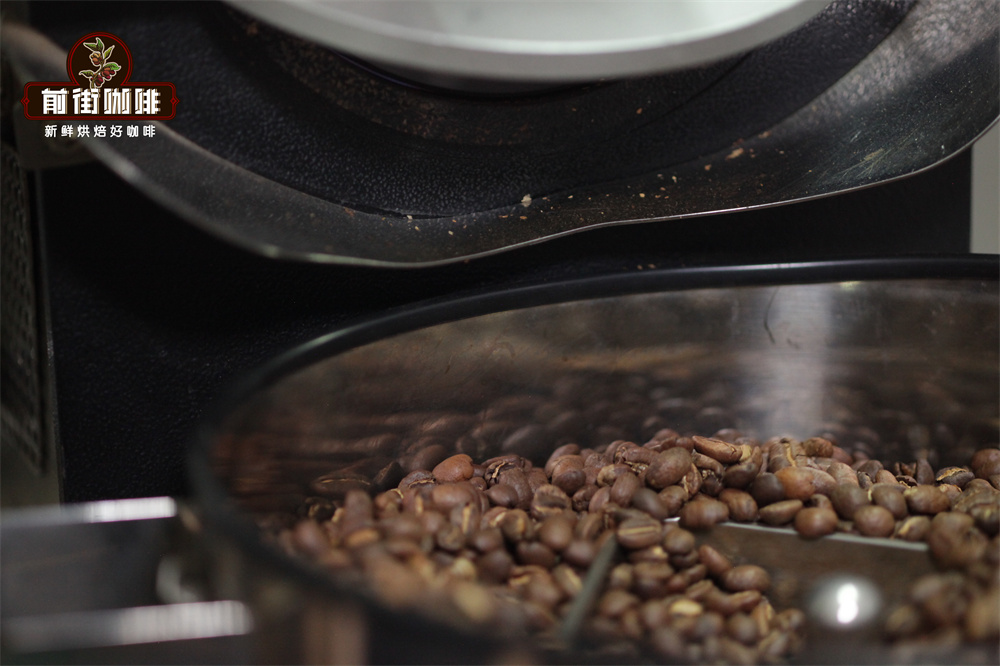
\n\nFront Street recommends using light-roast coffee beans to make cold brew, such as beans from Ethiopia's Yirgacheffe region, which have flavor notes of citrus, white florals, honey, and tea-like qualities. Recommended: Front Street Sun-Dried Red Cherry coffee beans, Front Street Washed Gudingding coffee beans; or coffee beans from Kenya, which present flavors of cherry tomato, smoked plum, plum, and caramel. Recommended: Front Street Cherry Tomato coffee beans.\n\n
\n\nOr alternatively, coffee beans from Costa Rica, which have dried-fruit-like fermented aromas, red/yellow floral notes, and flavors and mouthfeel of almond cream. Recommended: Front Street Strawberry Candy coffee beans / Mozart coffee beans);\n\n
\n\nIf you want something special, you can try Front Street Colombia Pink Bourbon, which when made as cold brew will show sweet flavor notes of passion fruit, blackcurrant, and apricot.
The above content is compiled by CoffeeHunters, a coffee news website.


