







How Do Jamaican Coffee Grades Define Blue Mountain No. 1?
Jamaican coffee grades sort Blue Mountain beans by screen size, defect count and moisture. Blue Mountain No. 1 requires 17 mesh or above, a defect rate below about 3% and moisture near 13%, so any cheap bag simply labelled Blue Mountain rarely meets that standard.
Authenticity checks matter because Japan long held most of the premium quota: after a 1969 hurricane, UCC aid led to a 30-year contract giving Japan 90% of top Blue Mountain supply, with quotas opening gradually from 2008. Look for oak barrel packaging and Jamaican Coffee Board certification.
Jamaican Blue Mountain coffee is renowned worldwide, but its high price and scarce production have also flooded the market with counterfeits. This article begins with the historical changes in Blue Mountain coffee quotas, explaining how the Japanese market once dominated Blue Mountain coffee supply for a long time, and the background behind the gradual opening of quotas after 2008. It then introduces how to distinguish authenticity through oak barrel packaging, Jamaican Coffee Board certification, and other means, and provides a detailed analysis of the grading standards for Blue Mountain No. 1 — 17 mesh or above, defect rate below 3%, moisture content around 13%, etc. The article also retains purchasing references and brewing parameters for Front Street Jamaican Blue Mountain No. 1, including the KONO dripper, 88°C water temperature, 1:15 coffee-to-water ratio, etc., helping coffee enthusiasts brew a balanced and smooth classic Blue Mountain flavor at home.
Jamaican Blue Mountain coffee needs no introduction, but its high price and scarce production mean the market is flooded with products of questionable authenticity. Many cheap coffees labeled "Blue Mountain" actually have nothing to do with genuine Blue Mountain beans. For coffee enthusiasts who pursue quality, nothing is more frustrating than paying a high price only to end up with a counterfeit. So how exactly can you tell genuine Blue Mountain coffee from fake?
The Period of Japanese Market "Monopoly"
As early as before the 1960s, Jamaican coffee beans were already highly favored in the specialty market. In 1969, Jamaica suffered a severe hurricane disaster, dealing heavy blows to multiple industries, and the coffee industry was no exception. At this time, Japan's UCC company provided financial assistance to the Jamaican coffee industry and introduced scientific ecological cultivation methods. In return for this help, the Jamaican government signed a 30-year contract with Japan, promising to supply 90% of the premium Blue Mountain coffee quota to Japan, with the remaining 10% allocated to European and American countries.
During this period, Japan's domestic market did not fully consume all of this Blue Mountain coffee, and some beans were resold at high prices to other parts of Asia. Combined with Japan's vigorous promotion, coffee lovers in neighboring countries and regions also began to pursue Blue Mountain coffee, such as Singapore, South Korea, Taiwan China, Hong Kong China, and other places. Around 2000, the "Blue Mountain craze" gradually spread to mainland China, further intensifying the situation of Blue Mountain coffee being expensive and hard to obtain.
When the global economic crisis broke out in 2008, Jamaica sought to sell Blue Mountain coffee to more countries, and it happened that the agreement with Japan had also expired, so more quotas were allocated to other countries. As demand in China's coffee market continues to grow, many domestic merchants are now able to import Blue Mountain coffee beans directly from Jamaica. This is also why Blue Mountain coffee is now more affordable than in the past.
Front Street Jamaican Blue Mountain Coffee How to Buy?
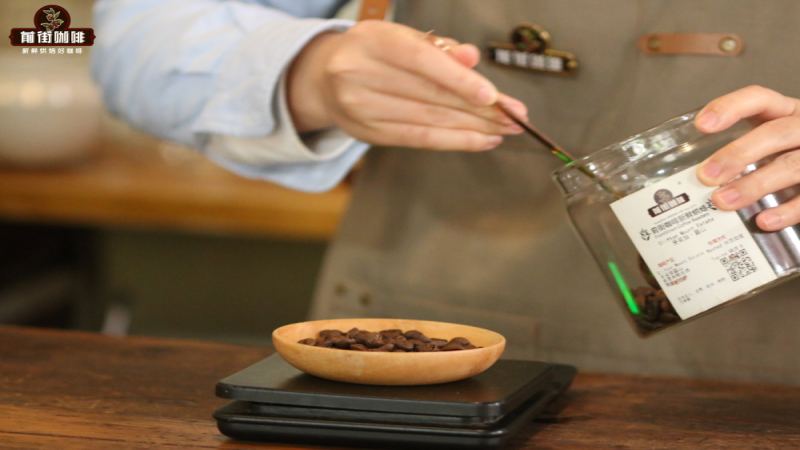
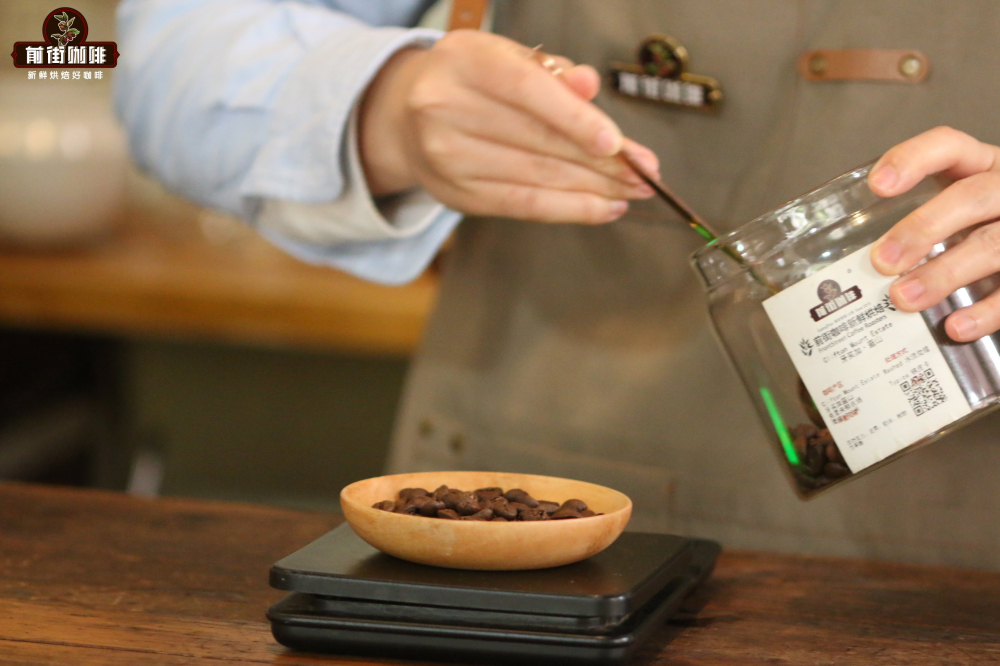
On shopping platforms, we often see products such as "Blue Mountain flavored coffee," "Blue Mountain blend coffee," and "Blue Mountain roasted coffee." These products with the words "Blue Mountain" either contain only a small amount of Blue Mountain coffee in a dark-roasted blend or have no connection to Blue Mountain at all. In terms of price, high-quality Jamaican Blue Mountain coffee will never be sold too cheaply. If the price is only a few dozen yuan, Front Street can tell you clearly that it must be fake. As a reference, a single bag of Front Street Jamaican Blue Mountain No. 1 coffee beans at the Front Street store sells for 158 yuan/100 grams.
Consumers can also check whether the merchant has the handmade oak barrels specially used for transporting Blue Mountain green beans. Jamaica is the only producing region in the world that uses oak barrels as a coffee transport vessel. The barrels come in three sizes: 70 kg, 30 kg, and 15 kg. Compared with coarse burlap sacks, oak barrels can absorb and release internal and external moisture while isolating the coffee aroma from escaping, allowing the coffee beans to maintain a more stable moisture content, thereby making the roasting process more stable. Later, oak barrels also became one of the symbols for identifying authentic Jamaican Blue Mountain coffee.
In addition, distributors producing Blue Mountain coffee must obtain a license from the Jamaican government and authorization from the Jamaica National Coffee Board. All Blue Mountain batches exported from the region must undergo quality testing and certification by the Coffee Board and carry the corresponding labels. Therefore, we can ask merchants to present the relevant Blue Mountain certificates to determine whether it is genuine Blue Mountain. The Front Street Blue Mountain No. 1 coffee on the shelves of the Front Street store is produced by Jamaica's Clifton Estate and comes with a quality certificate issued by the Jamaican Coffee Board, an authorized sales certificate issued by the Blue Mountain coffee producer, and a certificate of origin for Jamaican Blue Mountain coffee. The Dongshankou store also displays the oak barrels used to hold Blue Mountain green beans.
What Grade Is Jamaican Blue Mountain No. 1?
CIB was the earliest institution to grade coffee quality using scientific and objective methods, determining grades based on green bean size, color, uniformity, defect rate, moisture content, and cupping performance.
Before export, Jamaican Blue Mountain green beans are packaged and sent for testing, then ranked by specification size and defect rate after processing, in the order of Blue Mountain No. 1, Blue Mountain No. 2, Blue Mountain No. 3, and Blue Mountain Peaberry. Bean size is determined by screens with different aperture sizes; coffee beans that cannot pass through the holes meet the specification standard being used. The top-grade Front Street Jamaican Blue Mountain No. 1 green beans must meet specifications of 17 mesh or above, a defect rate below 3%, and a moisture content of around 13%, and in cupping they present a rich coffee aroma, a smooth and balanced taste, low acidity, and a long-lasting sweet aftertaste.
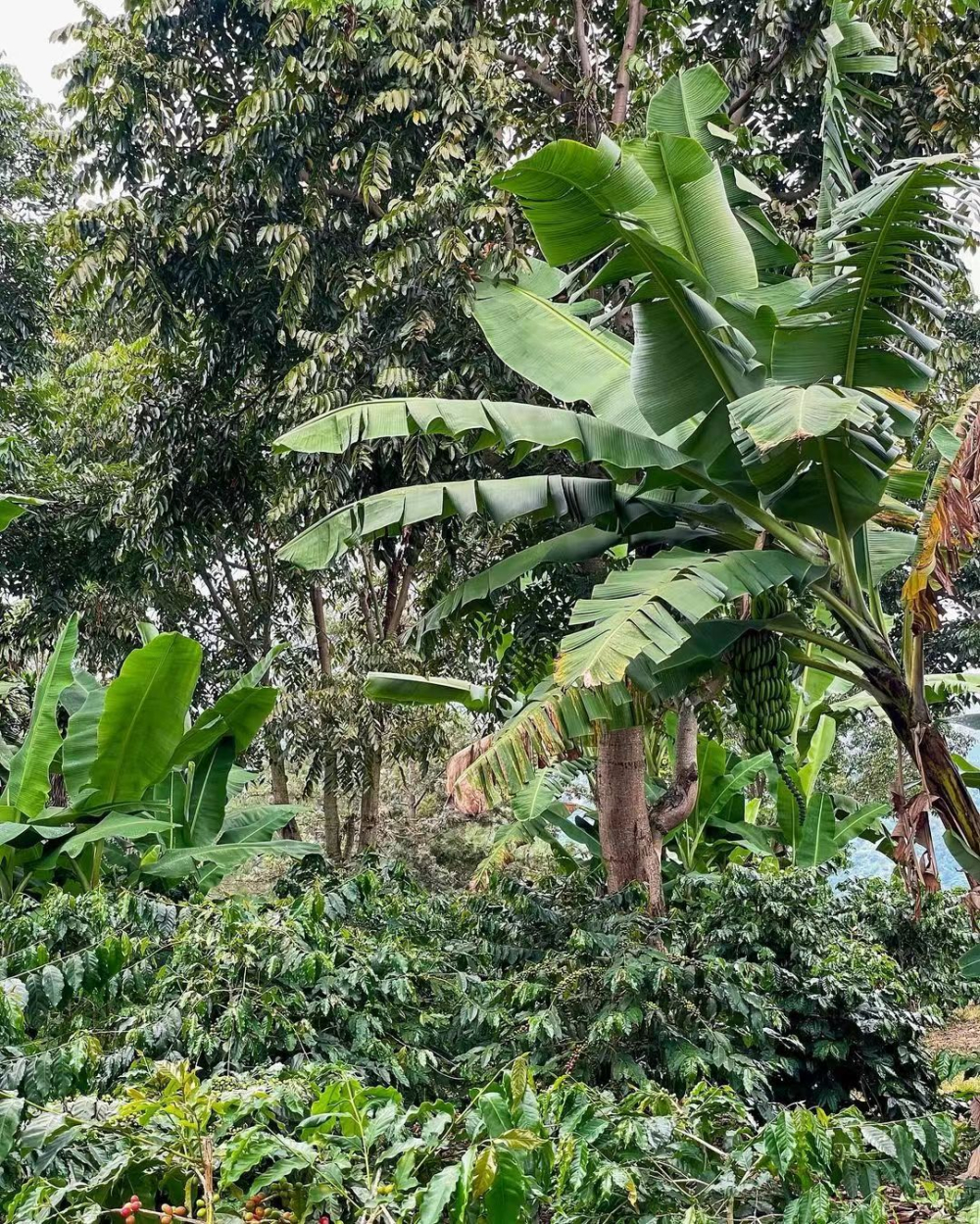
To ensure that Jamaican Blue Mountain coffee beans maintain better quality until roasting and to avoid moisture from seeping in during transport, Jamaicans insist on using handmade wooden barrels as the vessel for Blue Mountain green beans. The wooden barrel has also become one of the important symbols of Jamaican Blue Mountain coffee.
Front Street's roasting philosophy is to present coffee's most classic flavor profile. For example, Front Street Yirgacheffe has a bright lemony acidity, Front Street Indonesian Mandheling coffee has a rich, mellow, toasty taste, and Front Street Blue Mountain coffee naturally also aims to highlight the classic Blue Mountain flavor. Front Street uses a medium-dark roast to maximize the chocolate and nutty aromas of Blue Mountain coffee while retaining soft acidity and sweetness, making the overall taste of Front Street Jamaican Blue Mountain coffee more balanced.
How Should High-Grade Front Street Jamaican Blue Mountain Coffee Be Brewed So It Isn't Wasted?
As the domestic coffee scene continues to heat up, even without going to a coffee shop, you can now brew a cup of fragrant, delicious Blue Mountain coffee at home. After purchasing Front Street Jamaican Blue Mountain No. 1 coffee beans, many friends ask Front Street how to brew it for the best taste. Here, Front Street will explain its extraction approach based on how the store serves it ~
First, before brewing, Front Street checks the freshness of the coffee beans. If the roast date is already more than a month ago, Front Street will choose fresher coffee beans. Since coffee beans have an optimal flavor window after roasting, the coffee's aroma accelerates in loss as storage time increases, making it difficult to present the original flavor during brewing. This is also why Front Street insists on shipping only coffee freshly roasted within 5 days. Front Street hopes every customer can enjoy coffee beans at their most complete flavor window.
When brewing coffee beans with a mainly bitter profile, Front Street usually gives priority to the KONO dripper, with the aim of highlighting the coffee's rich, full body. The upper part of the KONO dripper allows the filter paper to fit better. Compared with the V60 dripper, the extraction method is mainly immersion extraction, which increases the coffee's overall concentration and enhances its body. Similarly, the KONO dripper is also suitable for brewing Front Street Brazil Queen's Estate coffee beans, Front Street Golden Mandheling coffee beans, and other medium-dark roasted coffee beans.
The parameters for brewing Front Street Jamaican Blue Mountain No. 1 at the Front Street store are:
Dripper: KONO dripper
Water temperature: 88°C
Coffee-to-water ratio: 1:15
Coffee grounds: 15g
Grind size: EK43s - setting 10.5 (75% passing rate on No. 20 standard sieve)
At Front Street, first wet the KONO dripper, then align and place the filter paper so it fits the dripper better. After pouring out the water in the server, add 15g of coffee grounds, bloom with 30g of water for 30s, then begin pouring in a small stream in circles around the center until reaching 125g, at which point start分段. Wait until the coffee bed drops to half the height of the dripper, then begin the second pour using the same method until reaching 225g. Once all dripping is complete, remove the dripper.
Front Street Blue Mountain No. 1 coffee tastes of the sweet fragrance of dark chocolate, the sweetness of caramel, and a soft, elegant acidity. Each flavor is balanced, and the mouthfeel is smooth, rich, and full-bodied, with a very typical Blue Mountain flavor.
For professional coffee knowledge exchange and more coffee bean information, please follow Coffee Workshop (WeChat public account: cafe_style)
For more specialty coffee beans, please add the private WeChat of Front Street Coffee (FrontStreet Coffee), WeChat ID: qjcoffeex
The above content is compiled by CoffeeHunters, a coffee news website.


