







In an era before fruity and floral coffees became popular, Blue Mountain was the benchmark for high-quality coffee—one sip revealed a striking aroma and a balance of acidity, sweetness, and bitterness. Authentic Blue Mountain coffee is scarce, and even money doesn't guarantee you can buy it. This article, from Front Street's perspective, will cover the origin and terroir of Blue Mountain coffee, CIB grading standards, Typica variety characteristics, washed processing, the history of Japanese quotas, and Front Street Blue Mountain No.1's brewing parameters and flavor profile, giving you a comprehensive understanding of this classic coffee's rarity and tasting points.
The yield of authentic Blue Mountain coffee beans is actually quite limited.
In the years before fruity and floral coffees became mainstream, Blue Mountain coffee was almost synonymous with high-quality coffee. A cup of Blue Mountain delivers a striking aroma and a balanced mix of acidity, sweetness, and bitterness. At that time, genuine Blue Mountain coffee was extremely scarce—exaggerating a bit, even with a budget, you might not get to drink it. Now Front Street will discuss why Blue Mountain coffee beans are so hard to come by.
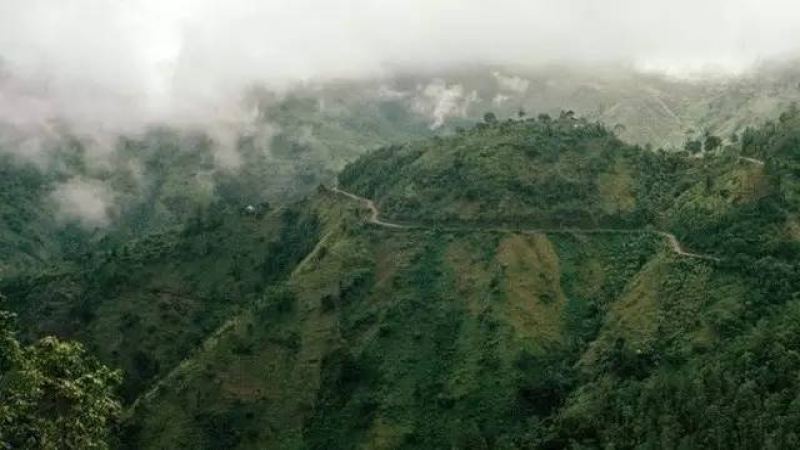
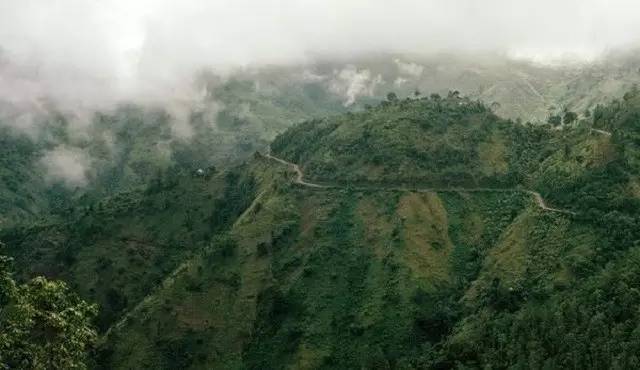
Blue Mountain coffee, as the name suggests, comes from the longest mountain range in eastern Jamaica, the Blue Mountains. The terrain there is steep and lies within a local protected area, yet it boasts exceptionally favorable terroir: a cool climate with an average annual temperature of about 27°C, clean air, abundant rainfall, fertile volcanic soil, and a significant temperature difference between day and night due to high altitude, allowing coffee cherries to mature slowly and accumulate more nutrients, thereby developing rich aromatic compounds.
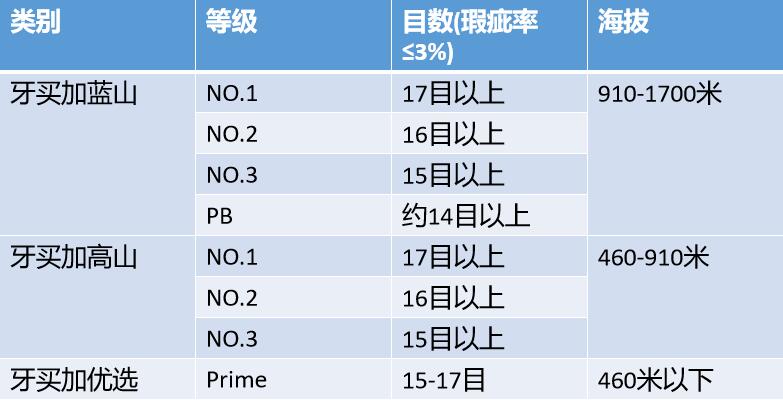
So, can all coffee produced in this region be called Blue Mountain coffee? Clearly not. To maintain the reputation and quality of Blue Mountain coffee, the Jamaican Coffee Industry Board (CIB) has set clear standards: only coffee grown at altitudes between 910 and 1,700 meters, in the four parishes of St. Andrew, St. Mary, St. Thomas, and Portland, and of the Arabica Typica variety, qualifies to be called Jamaica Blue Mountain coffee. Coffee grown between 460 and 910 meters is called Jamaica High Mountain coffee, and coffee from areas below 460 meters is called Jamaica Supreme coffee. The higher the altitude, the harder manual harvesting becomes and the longer the coffee takes to mature, thus increasing costs.
According to the CIB classification above, only Typica grown in that region is considered true Blue Mountain coffee. As is well known, Typica and Bourbon are the genetic sources of many Arabica varieties worldwide today. In 1730, the British colonists in Jamaica introduced it from Martinique for local cultivation. Typica has a pure and elegant flavor with high-quality acidity, but it is also famously delicate, prone to disease, and low-yielding, requiring more manual care to ensure the quality of the coffee cherries.
Coffee from the Blue Mountains, under the general classification above, undergoes strict and detailed sorting. Jamaica Blue Mountain includes four grades: No.1, No.2, No.3, and PB. As shown in the table, Jamaica Blue Mountain No.1 green beans refer to beans that, in a 300-gram sample, are sized above 17 mesh, have a defect rate below 2%, a moisture content of about 13%, and a plump and uniform appearance.
The Blue Mountain No.1 coffee on Front Street's menu comes from Jamaica's most historic estate—Clifton Farm.
Processing methods for Jamaican Blue Mountain coffee beans
Jamaican Blue Mountain coffee is not only particular about green bean selection, but to ensure bean quality, local coffee producers have always insisted on the washed method. Although in recent years, influenced by coffee market trends, occasional small batches of natural-process Blue Mountain have appeared, they are extremely rare, and washed remains the mainstream local processing method. Front Street believes that washed Blue Mountain coffee best presents the classic Blue Mountain flavor.
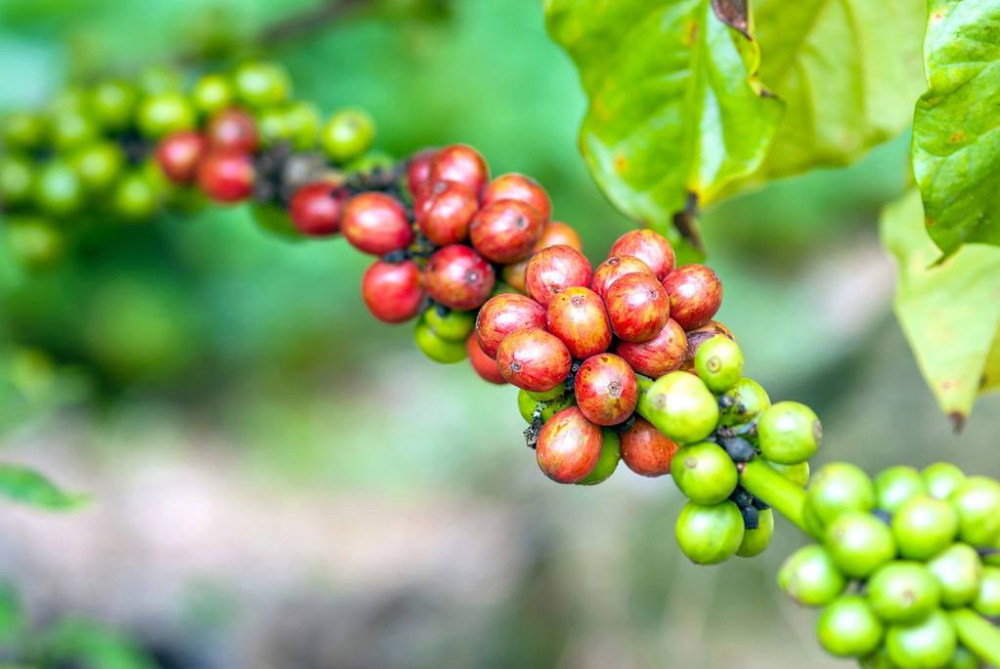
Each step of the washed process removes defective beans, resulting in a cleaner and brighter flavor. Clifton Farm hand-picks all coffee cherries, selecting only fully red, mature, and fresh cherries to put into water, skimming off floating defective beans, then removing the skin and pulp, and allowing the beans to ferment in tanks for 12 to 18 hours. After fermentation, the beans are pushed back and forth in the tank, using friction between the beans and the force of flowing water to wash them until smooth and clean.
After washing, the coffee beans are still wrapped in the parchment layer with about 50% moisture content and must be dried to reduce moisture to 12%–14%, otherwise the beans will continue to ferment and become moldy, leading to off-flavors. Washed Blue Mountain coffee has a clear and clean flavor without excessive impurities, with all tastes balanced just right.
Where to buy authentic Blue Mountain coffee
I believe many have heard the saying "Blue Mountain coffee can only be bought in Japan," and this saying is not entirely unfounded.
Before the 1960s, Jamaican coffee beans were quite popular in the specialty market and sold at relatively high prices. In the 1960s, various Jamaican industries were severely hit by storm disasters, and the coffee industry was no exception. At this time, Japan's UCC company provided financial assistance to Jamaica's coffee industry and introduced scientific ecological farming methods to help the local coffee industry recover. Thus, the Jamaican government signed a 30-year contract with Japan, promising to supply 80% of high-quality Blue Mountain coffee quota to Japan, with the remaining quota distributed to European and American countries.
During this period, Blue Mountain coffee was not entirely consumed in Japan's domestic market; they would resell some at high prices to other Asian countries and regions. Combined with Japan's vigorous promotion, coffee enthusiasts in many neighboring countries began to pursue Blue Mountain coffee, such as Singapore, South Korea, Taiwan China, and Hong Kong China. Around 2000, the "Blue Mountain craze" gradually spread to mainland China.
In 2008, Jamaica experienced an economic crisis and tried to sell Blue Mountain coffee to more countries. Coincidentally, the agreement with Japan had expired, so it allocated Blue Mountain coffee quotas to other countries. According to media reports, in 2010, when the Hangzhou Coffee and Western Food Industry Association was invited to visit Jamaica, China signed a letter of intent for cooperation as the sole general agent for Blue Mountain coffee green beans in China. In 2011, the first batch of Blue Mountain coffee beans was officially purchased directly from Jamaica and entered the mainland Chinese market.
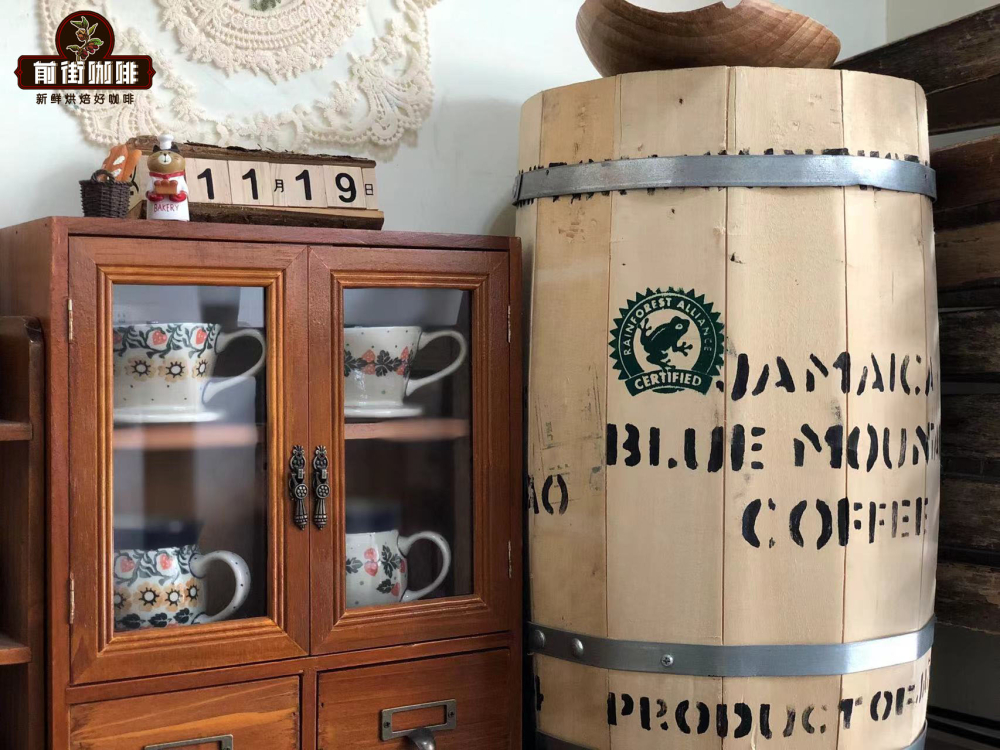
Front Street's Jamaican Blue Mountain No.1 green beans come with a certificate of origin from Clifton Estate, as well as the wooden barrels used for transporting Blue Mountain coffee. Unlike other countries, Blue Mountain coffee is the only coffee-producing region that uses wooden barrels to pack green beans; other regions generally use burlap sacks. The Rainforest Water Frog logo means Clifton Estate meets the "Sustainable Agriculture Standard" and has obtained Rainforest Alliance certification.
How to brew Blue Mountain No.1 coffee beans
Front Street once saw an advertising slogan describing Blue Mountain coffee: "Choosing pour-over is a sign of respect for Blue Mountain coffee." Front Street agrees. Blue Mountain coffee has a rich aroma, and drinking it as a pour-over black coffee allows you to taste Blue Mountain's pure and excellent flavor.
FrontStreet Coffee: Jamaica Blue Mountain No.1 coffee beans
Region: Jamaica Blue Mountain
Altitude: 1310m
Processing: Washed
Variety: Typica
Flavor: Chocolate, nuts, cream, cocoa
To brew high-quality Blue Mountain No.1 coffee beans, Front Street recommends using freshly roasted coffee beans. After roasting, coffee beans need a resting period of 4 to 7 days. FrontStreet Coffee ships beans roasted within 5 days, ensuring that the beans you receive after ordering are the freshest and at their optimal tasting period.
Front Street believes that the quality flavor of Blue Mountain coffee lies in its balance of acidity, sweetness, and bitterness, high body, and full aroma. For roasting, Front Street chooses a medium-dark roast to highlight the beans' nutty and cocoa aromas. Using a KONO dripper can achieve better body. Here, Front Street uses the following parameters: KONO dripper, 88°C water temperature, 15g coffee beans, 1:15 coffee-to-water ratio, and a grind size with 70% passing through a Chinese standard No. 20 sieve.
First, rinse the KONO dripper to make the filter paper fit better, discard the water in the server, add 15g of coffee grounds, and bloom with 30g of water for 30 seconds. Then, starting from the center, pour in a slow circular motion until 125g, then pause; when the coffee bed drops to half the dripper, pour the second stage in the same manner until 225g. Once all dripping is complete, remove the dripper.
After grinding Blue Mountain No.1, you can smell a very rich chocolate and cocoa aroma. During brewing, there is a caramel-like sweet fragrance. On the palate, it is smooth and full-bodied with nuts and dark chocolate, moderate acidity and sweetness, a clean mouthfeel, and a long-lasting finish.
For professional coffee knowledge exchange and more coffee bean information, please follow Coffee Workshop (WeChat public account: cafe_style)
For more specialty coffee beans, please add private WeChat FrontStreet Coffee, WeChat ID: qjcoffeex
The above content is compiled by CoffeeHunters, a coffee news website.


