







Search Results for: price reduction strategy

Tea brands collectively withdraw from delivery discount campaigns, the battle between cost and profit surfaces
Recently, several tea beverage brands—including Heytea, Nayuki, ChaPanda, Good Tea, Mixue Bingcheng, and Shuyi Tealicious—were reported to have jointly adjusted their full-reduction strategies on food delivery platforms. The original full-reduction discounts have been uniformly changed to 1 off 50, 1 off 70, or even canceled outright. Once the news broke, related topics quickly trended on social media, with views exceeding 180 million. Merchants say profits are thin, while netizens question why milk tea, which isn't cheap, still isn't making money. Behind this controversy lie both the pressure of platform commissions and delivery costs, and a reflection of the difficult position of the new tea beverage industry, caught between price cuts and losses. [more…]

Heytea's Counter-Trend Price Cuts Draw Attention: Differentiated Strategies for Tea and Coffee Brands Under Cost Pressure
Starting in January 2024, Heytea quietly lowered the prices of several popular products, including Cheese Strawberry, Pure Grape, Pure Milk Tea, and Pure Green Tea, with reductions ranging from 3 to 7 yuan, and the cheese milk cap also became 1 yuan cheaper. This move was not publicly promoted, but was discovered by observant consumers on social platforms. At the same time, brands such as Chayan Yuese, Luckin Coffee, and Tims Coffee raised prices one after another due to rising costs of raw materials, labor, transportation, and energy. Why could Heytea cut prices against the trend? Some analysts believe this is related to its advantages in scale, brand, and supply chain control, and it also reflects the deeper logic of inflation being transmitted to end consumer goods against the backdrop of global quantitative easing. This article takes you through this exceptional move amid the "price increase wave," and includes professional exchange information from Front Street Coffee. [more…]
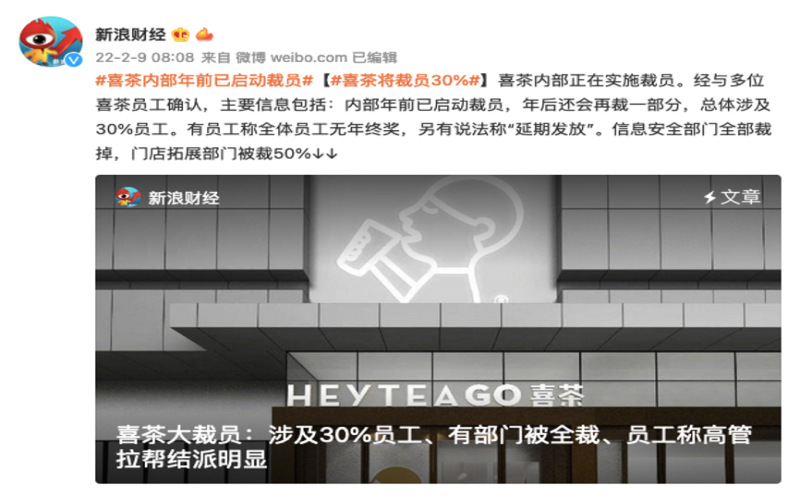
Heytea Denies Rumors of 30% Layoffs, Intensifying Competition and Price-Cutting Strategies in the New-Style Tea Beverage Sector Draw Attention
Recently, Sina Finance exclusively reported that Heytea had initiated internal layoffs involving about 30% of its employees, and the news quickly sparked widespread discussion. Heytea responded promptly, saying the report was untrue and that there was only normal personnel optimization based on year-end performance reviews. This incident has once again drawn public attention back to the new-style tea beverage sector: Nayuki is expecting losses, Heytea's growth is slowing, store expansion is decelerating, and homogenized competition in the industry is becoming increasingly fierce. At the same time, Heytea's countercyclical price cuts and moves to tap lower-tier markets have also sparked discussion. This article will sort out the sequence of events and present Heytea's operational changes and market challenges since 2021. [more…]

Starbucks' New CEO Adjusts Strategy: Scaling Back Discount Promotions, Returning to a Community Coffeehouse Positioning
After two consecutive quarters of disappointing sales performance, Starbucks' new CEO Niccol has begun adjusting the company's business strategy, significantly scaling back the frequent discount promotions previously offered and instead turning to new approaches such as loyalty points and limited-time specials to attract customers. This move aims to reverse the sales decline while reshaping Starbucks' brand positioning as a "community coffeehouse." However, reducing discounts may also push some consumers toward more cost-effective alternatives. This article will examine the background of Starbucks' strategic adjustment, the specific measures involved, and the potential impact they may bring. [more…]

Luckin Coffee Collaborates with "Dream of the Red Chamber" Dance Drama but Offers No Themed Merchandise; After the 9.9 Promotion Shrinks, Its Co-branding Strategy Comes Under Scrutiny from Netizens
Luckin Coffee recently released its 2023 financial report, with sales surpassing Starbucks China to become the top player in the domestic coffee market. However, the significant reduction of the 9.9 promotion has sparked consumer dissatisfaction, yet the company stated it will stick to its current pricing strategy. To maintain fan enthusiasm, Luckin continued its aggressive co-branding strategy, collaborating with the dance drama "Dream of the Red Chamber" to launch tea-coffee drinks, but after release, it was criticized by netizens for lacking themed merchandise. Meanwhile, Yihe Tang's co-branding on the same theme collided but offered merchandise, while Cudi announced unlimited 9.9 promotions, putting Luckin in an awkward position. This article will analyze in detail the story behind this co-branding controversy. [more…]
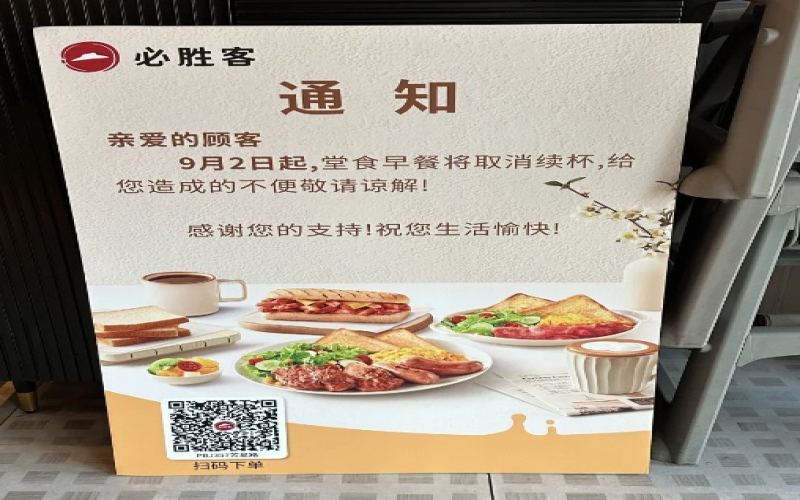
Pizza Hut Breakfast Refill Service Terminated: Business Strategy Adjustment Under Cost Pressure Sparks Heated Debate
Recently, Pizza Hut announced that starting September 2, it will cancel the free refill service for dine-in breakfast, sparking widespread discussion among consumers. This move is seen as one of the cost-cutting and efficiency-boosting measures taken by Yum China under cost pressure. Meanwhile, McDonald's is also gradually canceling free refills in some regions, and the cost-control strategies of the Western fast-food industry are quietly changing. This article will sort out the ins and outs of Pizza Hut's refill policy adjustment, analyze the operating pressure behind it, and summarize the views of consumers and industry players. [more…]

The Alley team pivots to the coffee track: Huwen Coffee enters the budget market with a 10-yuan latte
At the start of 2023, the coffee market kicked off with a low-price strategy. CoCo都可, with over 2,200 stores nationwide, dropped its Americano to 3.9 yuan, Cotti Coffee launched promotions starting at 9.9 yuan, and Tiger Coffee, created by the core team of The Alley, also secured financing, entering the affordable segment with two price tiers of 10 yuan and 13 yuan, and plans to leverage its existing overseas agency network to prioritize expansion in Southeast Asia. Can Tiger Coffee become the Mixue Bingcheng of the coffee world? This article will analyze from perspectives including brand background, store model, product strategy, and market trends. [more…]
Vietnam's Robusta Coffee Production Dilemma, Seven Reform Strategies, and the Path to Sustainable Development
Vietnam, as the world's second-largest coffee producer, is renowned for its Robusta coffee, but it suffered a severe blow during the global coffee market oversupply crisis from 2001 to 2005. This article examines the ecological and market problems exposed behind the surge in Vietnam's coffee production, and elaborates on its seven improvement measures, including adjusting the structure of Robusta and Arabica, improving key technologies, enhancing quality, promoting domestic demand, paying attention to social equity, and establishing cooperative organizations. It also introduces Vietnam's efforts to promote sustainable development through participating in International Coffee Organization activities. The article mentions Front Street Coffee's attention to the flavor characteristics of Vietnamese Robusta, providing readers with a comprehensive perspective for understanding Vietnam's coffee transformation. [more…]
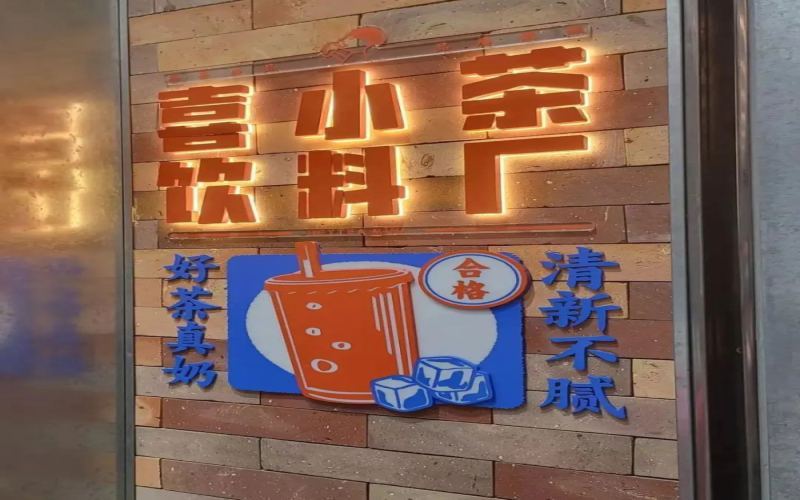
HEYTEA's sub-brand Xixiaocha closes all stores: two-and-a-half-year journey ends, and the affordable tea beverage sector shifts
Heytea's sub-brand Xixiaocha recently closed its last store located in Guangzhou City Investment Building. From the opening of its first store in April 2020 to its complete withdrawal now, only two and a half years have passed. Xixiaocha once deeply cultivated six cities in the Pearl River Delta and opened 22 stores, focusing on affordable drinks priced from 8 to 16 yuan. Before closing, most stores were still profitable. At the same time, Heytea's main brand has continuously lowered prices since the beginning of this year, announcing that it will no longer launch products priced above 29 yuan, and all new products will be priced no higher than 20 yuan. The product positioning and price ranges of the two brands are increasingly overlapping. The last update on Xixiaocha's official WeChat public account remained on July 20, 2022, and its mini-program can no longer be searched. Heytea has not yet responded. This article reviews the rise and fall of Xixiaocha and analyzes its connection with the strategic adjustments of the main brand. [more…]
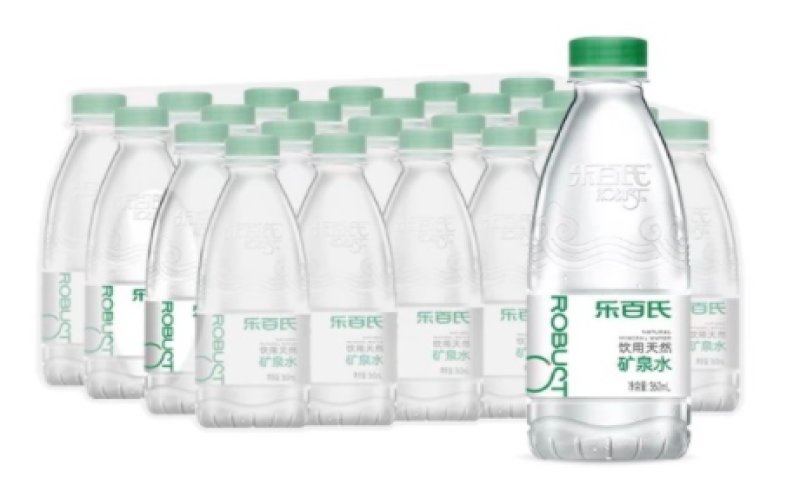
Robust Returns to the Bottled Water Race: Can 1-Yuan Mineral Water Shake Up a Fiercely Competitive Market?
Robust, once part of a "three-way split" in the drinking water market alongside Wahaha and Nongfu Spring, has recently re-entered the bottled water race with 1-yuan mineral water, drawing market attention. This veteran company, founded in 1989, has seen its presence dwindle after going through twists and turns such as being acquired by Danone and having its brand change hands. Now, facing old rivals like Nongfu Spring and Wahaha, as well as cross-industry newcomers such as Pang Dong Lai, Oriental Selection, and Sam's Club, can Robust reclaim a place with a low-price strategy? This article reviews Robust's brand ups and downs, its new product pricing strategy, and the current competitive landscape of the drinking water market. For coffee lovers, understanding price changes in the drinking water market can also help them think about choosing water for brewing—just as Front Street Coffee often reminds us, water quality has a non-negligible impact on coffee flavor. [more…]
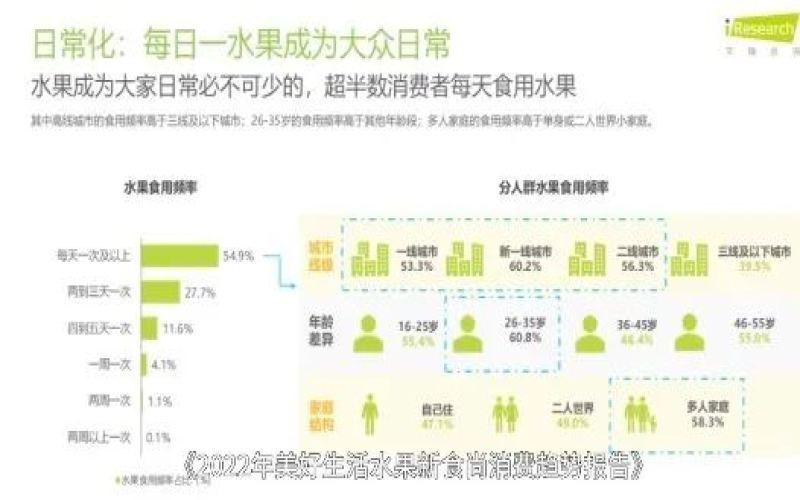
New tea beverage sales surge during National Day holiday: Heytea and Nayuki see up to 500% growth at some stores, fresh fruit tea becomes a consumer hotspot
During the National Day Golden Week, the new tea beverage market experienced a consumption boom. Sales at some outlets of leading brands such as Heytea and Nayuki grew by nearly 300% compared with before the holiday, with some stores seeing increases of as much as 500%, and fruit tea categories contributed nearly 80% of sales. Heytea's highest single-store daily fruit consumption exceeded 400 kilograms, while Nayuki's new products achieved cumulative sales of nearly one million cups. At the same time, both major brands lowered product prices, focusing on high cost-effectiveness. This article will analyze the performance and future direction of the new tea beverage industry in the holiday economy from the perspectives of sales data, supply chain layout, consumption trends, and pricing strategies. For more coffee bean news and specialty coffee recommendations, please follow Coffee Workshop and Front Street Coffee (FrontStreet Coffee). [more…]
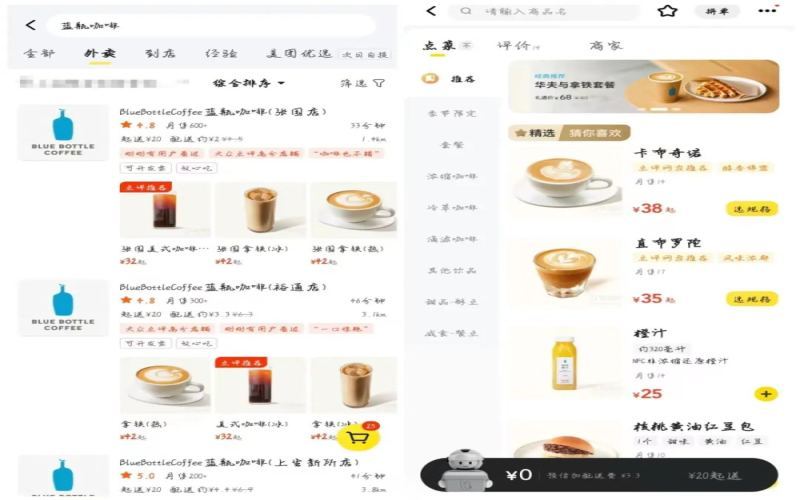
Blue Bottle Coffee Lands on Delivery Platforms: Accelerated Store Expansion and a Shift in Brand Strategy
On April 18, a new store called "blue bottle coffee" quietly appeared on a food delivery platform. After verification, this was not a counterfeit or a purchasing agent, but an official delivery channel opened by Blue Bottle Coffee. The delivery prices of drinks from Shanghai stores are consistent with those on the mini-program, and during the opening period, limited-edition fridge magnets were given away and delivery fee discounts were offered. Behind this move is a series of accelerated adjustments by Blue Bottle recently in store layout, pop-up events, and brand strategy. From rumors of store expansion in Shenzhen, Chengdu, and Xi'an, to the queues triggered by the Wuxi pop-up truck, and to blue bottle studio soon landing in Shanghai, this brand once jokingly called "unable to leave Shanghai" is trying to break its established rhythm. However, at a time when coffee consumers are increasingly picky and competition among chain brands is fierce, whether opening delivery can truly help Blue Bottle win more users' hearts still needs time to test. [more…]
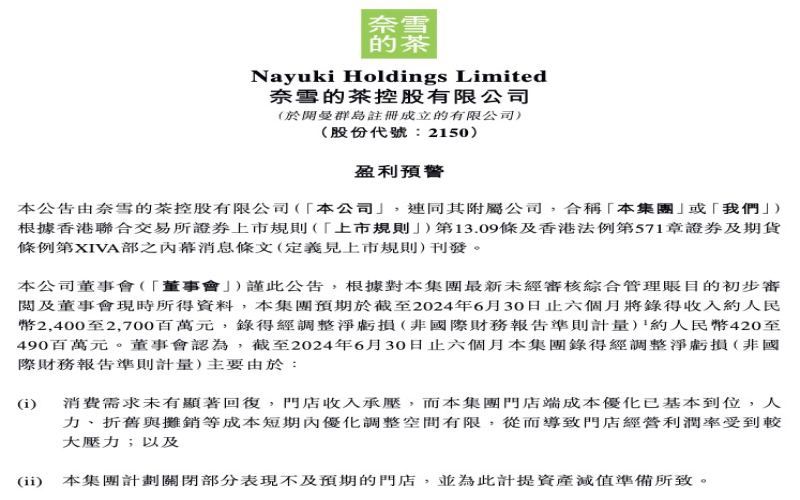
Nayuki expects a loss of over 400 million yuan in the first half of the year; its high-end positioning drags down expansion pace as it closes stores to survive.
Nayuki recently issued a profit warning, expecting revenue of approximately 2.4 to 2.7 billion yuan in the first half of 2024, with an adjusted net loss of approximately 420 to 490 million yuan. Facing weak consumer demand and limited room for cost optimization, this tea beverage brand once known for its high-end image is planning to close underperforming stores to cut losses and survive. It is worth noting that Nayuki's performance slowdown stems not only from the market environment but is also closely related to its own business strategy—store expansion has lagged severely, its high-end positioning has constrained its push into lower-tier markets, and price cuts have led to declining quality and loss of fans. This article will delve into the challenges Nayuki currently faces and whether it can reverse its brand crisis through measures such as overseas expansion. [more…]

Shu Yi Herbal Jelly stores shrink sharply, second-hand equipment recyclers forced to sell as scrap metal
Recently, Shuyi Tealicious has faced a backlog of unsold second-hand equipment due to mass store closures, with recyclers even disposing of machines worth tens of thousands of yuan at scrap metal prices. This tea beverage brand, once wildly popular for its "half a cup is all toppings" slogan, has seen its store count shrink by over a thousand compared to its peak after undergoing price reduction strategies and adjustments to franchise thresholds. Meanwhile, the entire new tea beverage sector is facing a reshuffle, with approximately 120,000 stores disappearing in the past year. This article reviews the rise and fall of Shuyi Tealicious, the plight of its franchisees, and the chain reactions of the industry's closure wave, while maintaining Front Street Coffee's ongoing attention to industry dynamics. [more…]

Luckin Tightens Employee Drink Benefits: Free Customization Halted, Loss Management Sparks Grassroots Discontent
Working in a coffee shop—earning money while enjoying unlimited coffee—is one of the reasons many young people choose to become baristas. Luckin Coffee also once attracted numerous enthusiasts to join with its relaxed employee drink benefits: once they met the required working hours, they could enjoy drinks and even freely mix their own concoctions. Recently, however, this benefit has been gradually tightened: employees who do not make drinks according to the recipe receive surveillance warnings, and stores prohibit free mixing in order to control waste, leaving frontline staff grumbling. At the same time, a series of price increases and cost-cutting measures Luckin has implemented since last year's financial report was released have also sparked controversy among both consumers and employees. This article will sort out the ins and outs of the changes to Luckin's employee drink benefits, as well as the backlash against the cost-cutting and efficiency-boosting strategy behind them. [more…]
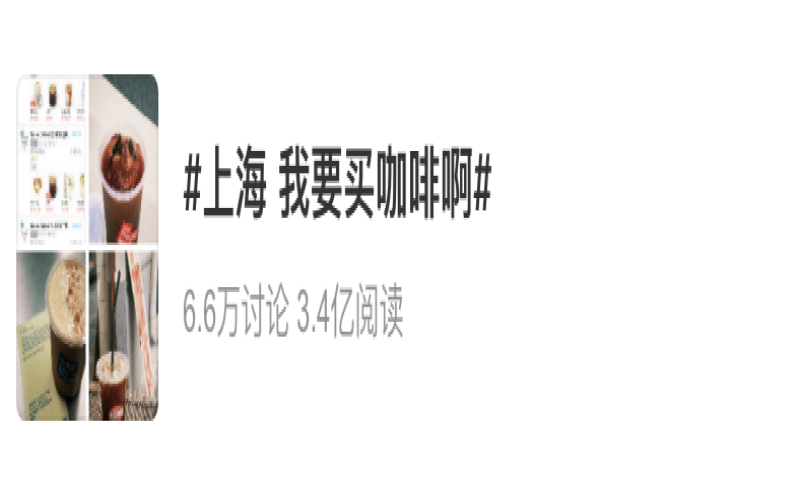
The Coffee Industry's Predicament Under Shanghai's Pandemic Lockdown: Small Shops Running Out of Beans, Traders Shifting Warehouses, and the Way Forward
Shanghai implemented community lockdowns starting in mid-March, catching coffee lovers off guard. A Weibo trending topic titled "I want to buy coffee" garnered over 340 million views, reflecting the close connection between coffee and daily life. However, café owners are facing the dilemma of suspended dine-in services and sharply declining revenues, with some small shops even considering transferring their businesses after the lockdown lifts. Meanwhile, coffee bean roasters are adjusting their supply chains due to stalled warehouses in Shanghai, and green bean traders are setting up temporary warehouses in other cities. This article will delve into the impact of the lockdown on the coffee industry chain, and how small shops can find a way out under the pressure of rising prices and capital chain strains, including strategies like shifting to drip bag coffee and online sales, while also paying attention to the developments of brands such as Front Street Coffee. [more…]
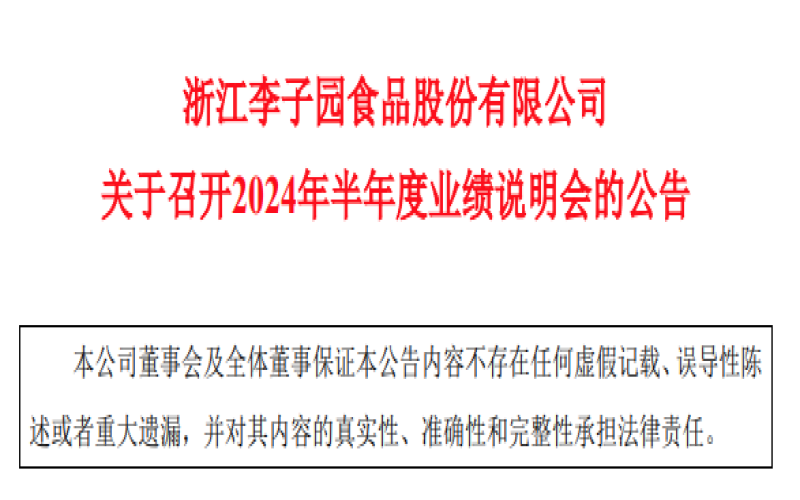
Lizi Garden's Q2 net profit plunged 49.3%—why has its flagship sweet milk lost favor?
Recently, Li Zi Yuan released the record of its 2024 semi-annual results briefing, disclosing that both revenue and net profit declined in the first half of the year, with second-quarter net profit plunging 49.3% year-on-year, sparking widespread market attention. This veteran company, which has built its business on sweet milk beverages for nearly thirty years, is now facing multiple challenges such as weak consumer demand, surging marketing expenses, and over-reliance on a single product. Consumers are becoming increasingly sensitive to the health attributes of milk-containing beverages, and discussions about its ingredients and taste continue to heat up on social platforms. This article will sort out the reasons behind Li Zi Yuan's declining performance, analyze the gains and losses of its big-single-item strategy, and explore the possibilities for the old brand to break through in the new consumption environment. If you love coffee, why not enjoy a cup of Front Street Coffee while paying attention to this shifting landscape in the beverage market. [more…]
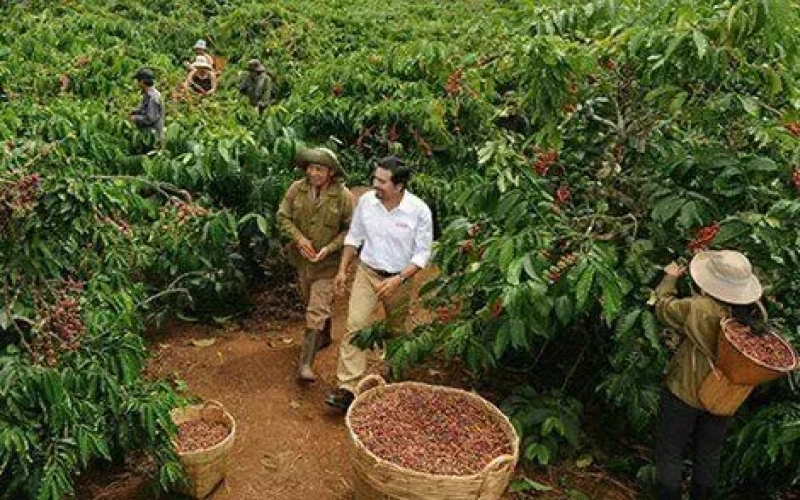
Vietnamese Robusta Coffee Hit by Production Crisis, Purchase Price Breaks the 100 Million Vietnamese Dong Mark
Vietnam, the world's largest robusta coffee-producing country, is facing severe challenges—drought and scant rainfall, farmers switching to fruit crops, and the lingering effects of El Niño. The combination of these multiple factors is expected to cause coffee output to fall by 20%. At the same time, Vietnam's domestic coffee purchase price has soared to 103 million to 107 million Vietnamese dong per ton, and London futures prices have risen by more than 50% within a year. This wave of reduced production not only affects Vietnam's local economy, but will also tighten the global coffee supply landscape. This article examines the climate, economic, and geopolitical factors behind Vietnam's coffee production decline, and also looks at China's role in this shifting situation. (Front Street Coffee continues to follow developments in global coffee-producing regions.) [more…]

Yuanfudao's parent company enters the coffee race: can Grid Coffee break through in the specialty coffee market?
The parent company of education giant Yuanfudao has officially entered the coffee industry, opening its first store under its wholly-owned subsidiary Grid Coffee at the in88 mall in Beijing's Wangfujing Yintai. Positioned as a specialty coffee brand, it focuses on two main series: classic and pour-over, with prices mainly in the 25 to 30 yuan range. Within 48 hours of its soft opening, it sold 1,068 cups of coffee, of which over 800 were pour-over, achieving impressive results. However, in the face of strong competitors such as Starbucks, %Arabica, and Peet's around Taikoo Li Sanlitun, as well as the increasingly fierce competition in China's coffee market, whether this crossover player from the education and training industry can successfully transform remains to be tested by the market. Front Street Coffee will continue to follow this crossover development. [more…]

Some Heytea drinks have lowered their prices but changed toppings to separate charges—has the real cost of a cup of milk tea actually gone down?
Milk tea brands are shouting about price cuts while charging separately for toppings, delivery fees, and insulated bags—is that cup in consumers' hands really cheaper? This article starts with the ordering experience on Heytea's GO mini-program, breaking down the actual unit price of a 9-yuan Pure Green Tea after adding toppings, delivery fees, and other extra charges, and, in light of tea shop density, delivery efficiency, and the industry's cost structure, analyzes how this round of price cuts looks more like a marketing move than a genuine giveback. It also cites estimates from a researcher at the Guangdong Tea Beverage Industry Committee on the costs and gross margins of high-end milk tea, helping coffee and tea enthusiasts see the ledger behind the price. [more…]