







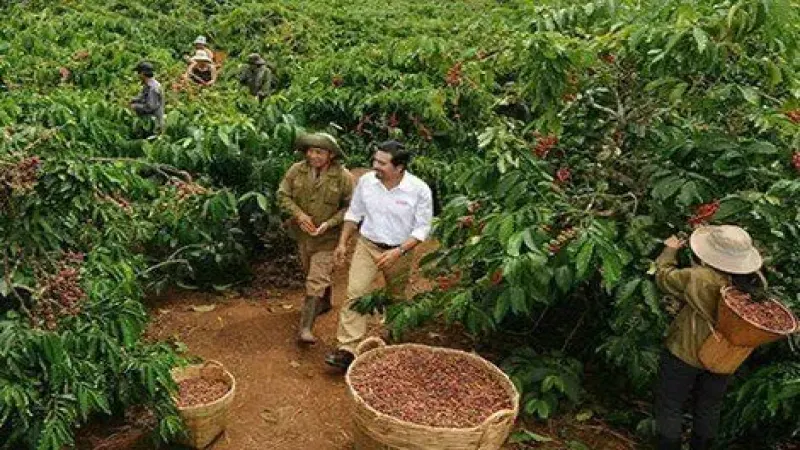
Why Is Vietnam Coffee Production Dropping So Sharply?
Vietnam, the largest robusta producer, is heading for a roughly 20 percent drop in coffee production. Drought and low rainfall from El Niño, combined with farmers switching to fruit crops, have cut output, while domestic purchase prices climbed to 103–107 million Vietnamese dong per ton and London robusta futures rose more than 50 percent in a year.
The Central Highlands has seen almost no rain from February to March, with temperatures 1–3°C above normal, lower Mekong River levels and soil salinization. Farmers are turning to durian, avocado and mango, which pay more. The result tightens global coffee production and shifts supply calculations toward other origins.
Vietnam, the world's largest robusta coffee producer, is facing severe challenges—drought and low rainfall, farmers switching to fruit cultivation, and the lingering effects of El Niño. The combination of these factors is expected to cause a 20% drop in coffee production. Meanwhile, domestic coffee purchase prices in Vietnam have soared to 103–107 million Vietnamese dong per ton, and London futures prices have risen by more than 50% within a year. This production decline not only affects Vietnam's local economy but will also tighten the global coffee supply landscape. This article examines the climate, economic, and geopolitical factors behind Vietnam's coffee production drop and looks at China's role in this shifting scenario. (Front Street Coffee continues to monitor dynamics in global coffee-producing regions.)
Vietnam is the world's largest producer of robusta coffee, but its coffee output has recently declined, driving London robusta coffee futures prices up by more than 50% over the past year. At the same time, domestic coffee purchase prices in Vietnam have continued to rise. According to the latest estimated price for green coffee from the Central Highlands published by the Vietnam Coffee and Cocoa Association, it has now reached 103–107 million Vietnamese dong per ton, equivalent to approximately 29,000–31,000 RMB per ton.
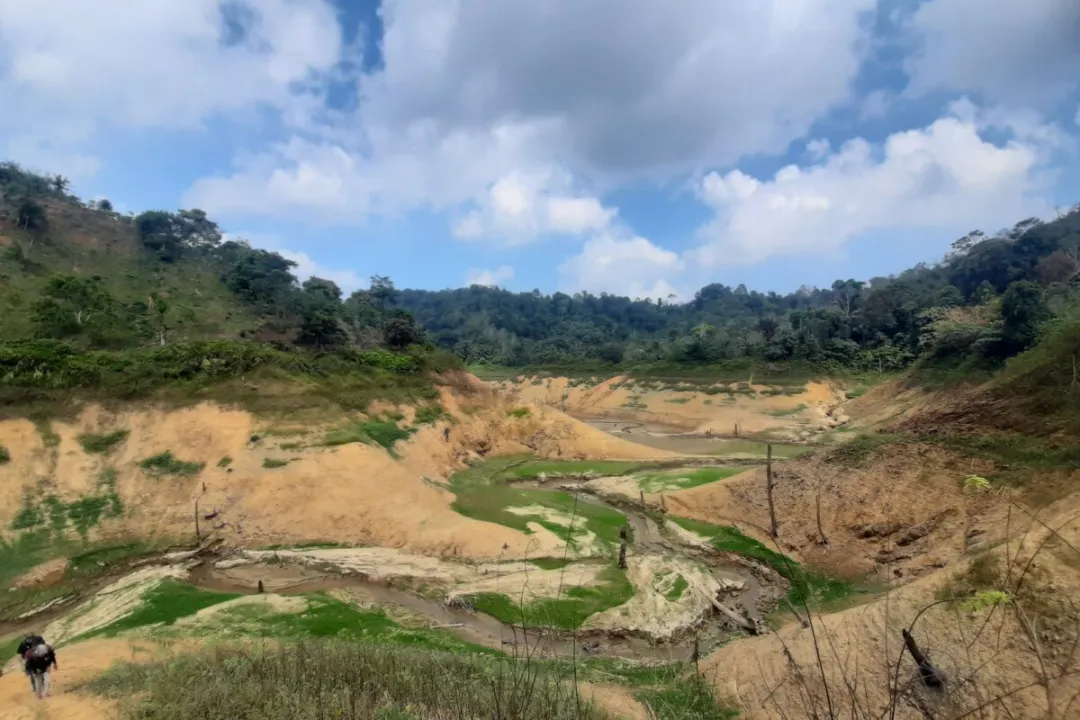
In Vietnam, the hottest season of the year begins in April. According to coffee traders in Vietnam, although the arrival of the dry season is not surprising, current rainfall has dropped to one of the lowest levels in nearly a decade. Monitoring data from February to March shows that the south-central region of Vietnam has received almost no rain, and temperatures are 1–3°C higher than usual. In addition, high temperatures and drought have led to lower water levels in the Mekong River, the main waterway, and soil salinization. The region may face water shortages in the next irrigation cycle, which will severely impact coffee production in the new season.
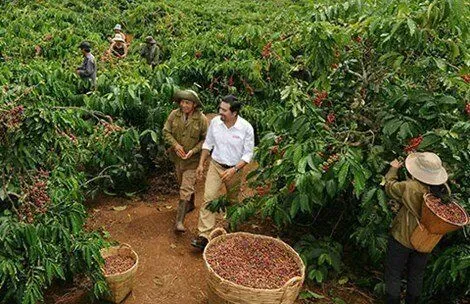
In addition to weather factors, insufficient investment and farmers switching to other crops are also important reasons. Local farmers are turning to higher-profit crops such as durian, avocado, and mango, with mango particularly prominent. According to local Vietnamese media, An Giang Province is about to officially export dozens of tons of mangoes, of which 7 tons will go to Australia and the United States, another 13 tons to South Korea, and large orders have already been received for export to China, the United States, South Korea, and Japan. The expansion of the fruit market is prompting farmers to shift to fruit cultivation, leading to a continuous reduction in Vietnam's coffee planting area. The Vietnam Coffee Association therefore predicts that coffee production may decrease by 20% from last year's 1.84 million tons, and exports will also fall by 20% from 1.67 million tons in the same period last year.
According to reports from meteorological agencies in multiple countries, the El Niño phenomenon that appeared from 2023 to 2024 will end around April 2024. However, El Niño's climate impacts are still ongoing. Coupled with heatwaves sweeping across Southeast Asia and South America under global warming, coffee-producing countries such as Vietnam, Indonesia, and Brazil ultimately face the threat of reduced production, further tightening global coffee supply.
A report released by Brazilian investment consultancy hEDGEpoint shows that, affected by El Niño weather, cumulative rainfall in Brazil's robusta coffee-producing regions in 2023 was at its lowest level in a decade. Although rainfall recovered somewhat in early 2024, it is difficult to make up for the losses caused by drought and high temperatures in the fourth quarter of 2023.
In addition, geopolitical issues have long troubled Vietnam. Due to the Red Sea crisis, Houthi armed forces attacking ships in the Red Sea have severely affected shipping between Europe and Asia. Ships can only choose to suspend operations or take detours, greatly increasing transportation time and costs. As a result, Vietnam is focusing its market efforts on Asia, especially the Chinese market. Recently, Vuong Dinh Hue, Chairman of the National Assembly of Vietnam, will lead a delegation to visit China from April 7 to 12, which is expected to advance economic and trade cooperation between the two countries and promote economic, trade, and investment ties.
(Front Street Coffee suggests enthusiasts pay attention to how developments in producing regions affect flavor and prices, and adjust purchasing strategies accordingly.)
The above content is compiled by CoffeeHunters, a coffee news website.


