







Search Results for: pre-ground coffee powder
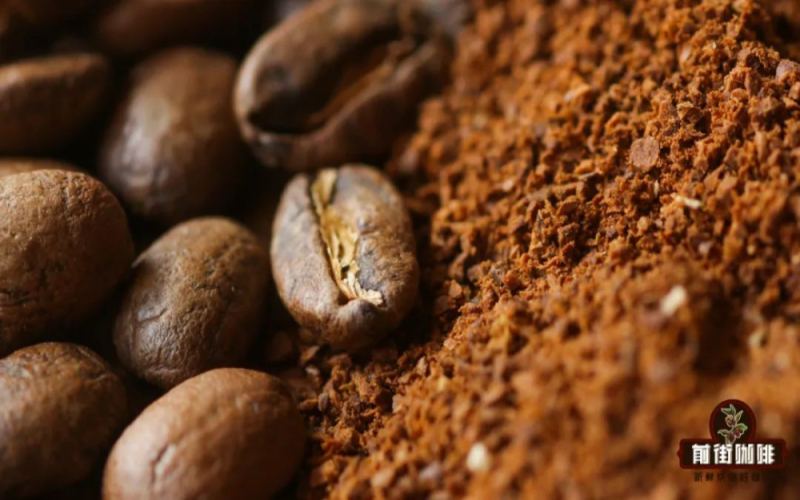
How to store and use pre-ground coffee powder? A full analysis of flavor shelf life after grinding and brewing precautions.
Many people know that pre-ground coffee powder is not as aromatic as freshly ground coffee, yet they still choose to have it ground for them, and there are actually quite a few practical considerations behind this. Pre-ground powder saves the trouble of buying a coffee grinder, is portable and labor-saving, and the professional grinders at coffee shops usually provide a more uniform grind. However, once coffee beans become powder, their peak flavor period is greatly shortened, and the way they are stored and used changes accordingly. From Front Street's perspective, this article sorts out the major advantages of pre-ground powder and explains in detail the key points to note when using pre-ground powder, such as stirring and sealing, to help you enjoy a more satisfying cup within the limited flavor window. [more…]
How Does Grind Size Affect Espresso Extraction? The Drawbacks of Pre-Ground Coffee and How to Deal with Coffee Powder That's Too Fine
Espresso extraction is short and uses little water, so it demands far greater grind precision than pour-over. Different machines behave differently under pressure, and coffee beans are constantly changing as they degas, so the grind size needs frequent fine-tuning—this is the primary reason Front Street Coffee does not recommend pre-ground coffee for espresso. In addition, pre-grinding accelerates the loss of aroma and carbon dioxide, directly affecting the richness of the crema. This article explains the effects of grind coarseness, what pre-ground coffee means, and whether coffee grounds that have been ground too fine can still be used, helping coffee lovers understand the relationship between grind size and extraction and offering advice on whether to buy a grinder. [more…]
Is freshly ground coffee powder really better? Flavor differences between pre-ground and freshly ground coffee and key storage points
In the specialty coffee world, "use only freshly ground coffee" is almost treated as gospel, but does this rule hold true in every situation? This article takes an in-depth look at the differences between pre-ground and freshly ground coffee in terms of flavor, aroma, and extraction performance, analyzes why coffee grounds deteriorate faster once exposed to air, and offers practical storage tips such as sealing, vacuuming, and keeping them away from light. At the same time, we'll also explore an easily overlooked fact: if all you have is a poor-quality blade grinder, pre-ground coffee from the shop may actually come out ahead. The article also cites practical insights from Ken Selby, 2018 U.S. Cup Tasters champion, and Alex Choppin, technical specialist at Baratza, to help you make a smarter choice based on your own equipment. [more…]
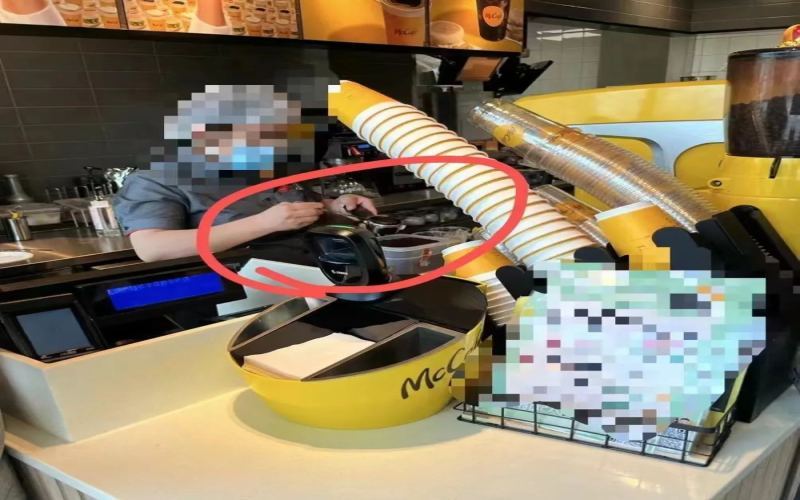
McDonald's McCafé outlets accused of using pre-ground coffee powder, staff role changes spark quality control controversy
McDonald's launch of a 15-yuan freshly ground coffee breakfast combo has attracted many consumers, but recently some customers exposed that certain locations use pre-ground coffee powder to make coffee, which does not match the brand's advertised freshly ground positioning. This phenomenon has sparked widespread discussion. Employees revealed that McDonald's has eliminated the dedicated barista position, and all staff members are required to learn coffee preparation. However, due to insufficient training and the difficulty of operating the equipment, the quality of the output varies greatly. Consumers expect a stable, high-value coffee experience, not a game of chance. [more…]
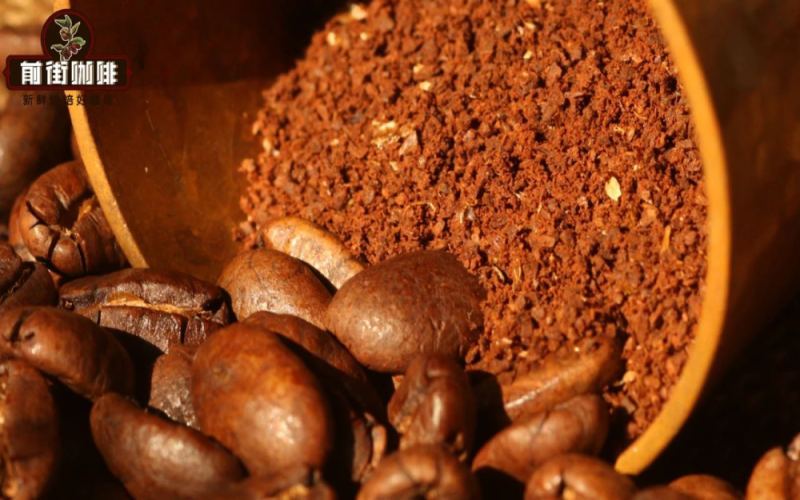
Freshly Ground Coffee Beans vs. Pre-Ground Coffee Powder: How to Choose? A Full Analysis of Flavor Differences, Buying Tips, and Storage Methods
In coffee consumption, a common yet crucial choice is this: should you buy whole coffee beans, or directly purchase pre-ground coffee powder? This decision directly affects the flavor performance, convenience, and shelf life of the coffee. This article will systematically compare the pros and cons of coffee beans and coffee powder from the perspectives of aroma retention, oxidation rate, and freshness assessment, and offer purchasing suggestions for different scenarios. At the same time, the article will also share the proper storage methods for coffee beans and coffee powder, helping you find a balance between convenience and quality, so that every cup of coffee can present its ideal state. [more…]
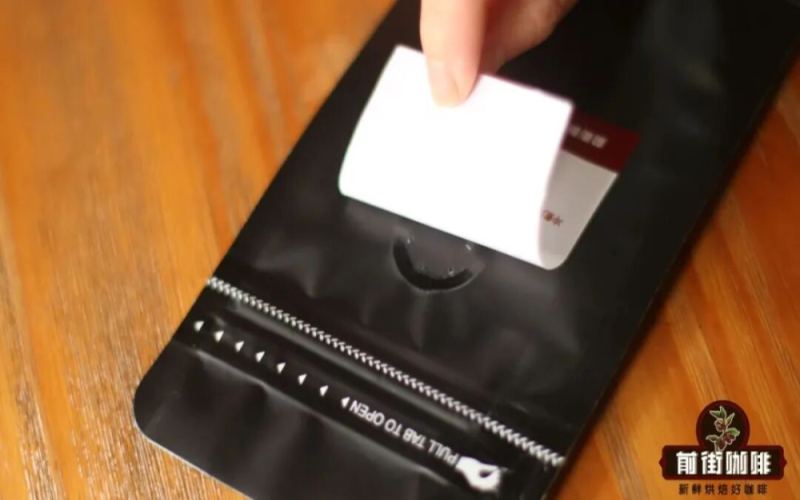
Should coffee beans be ground in advance? Examining the flavor differences between freshly ground and pre-ground coffee through a freshness experiment
Many friends, to save effort, ask the merchant to grind the coffee beans into powder directly when buying. But after grinding, how long can the coffee's flavor be preserved? And how should it be stored properly? Drawing on long-term experience and comparative experiments, Front Street starts from the coffee beans' flavor window, analyzes the loss patterns of carbon dioxide and aromatic compounds after grinding, and uses a bag of washed Yirgacheffe for day-by-day testing, recording the dry aroma, blooming performance, and flavor changes from freshly ground to after several days of storage, helping you judge whether pre-ground coffee powder is worth buying, and how to retain that fresh aroma as much as possible. [more…]

Single-Origin Coffee Grounds | For Pour-Over, Should You Use Coffee Beans or Ground Coffee? Which Is Better: Freshly Ground Coffee Beans or Pre-Ground Coffee? How Do You Brew Coffee with Ground Coffee?
For more specialty coffee knowledge, please follow: Front Street Coffee (Frontsteet Coffee). From the perspective of coffee flavor, pre-grinding coffee beans will accelerate the loss of coffee flavor. This is also the reason why most coffee shops, including Front Street, recommend freshly ground coffee. For domestic pour-over [more…]

Why is it not recommended to have espresso beans ground by the roaster? The deep impact of carbon dioxide loss on espresso extraction and crema
Many coffee bean merchants offer grinding services, including Front Street Coffee, but for espresso extraction, Front Street Coffee does not recommend choosing pre-ground coffee. The reason is not just that the flavor is lost more quickly, but more critically, the carbon dioxide in the coffee beans dissipates in large amounts. Carbon dioxide plays an important role in espresso extraction by building crema and slowing down the flow rate. Once ground into powder, flavor and gases escape more rapidly, the crema becomes thinner day by day, the extraction speed increases, and it can even lead to under-extraction. At this point, the only remedies are adding more coffee or adjusting to a finer grind, but the portafilter basket has limited capacity, leaving very little room for adjustment. This article provides a detailed analysis of the specific effects of pre-ground coffee on espresso extraction, and recommends that those who have requirements for taste and crema prioritize whole beans. [more…]
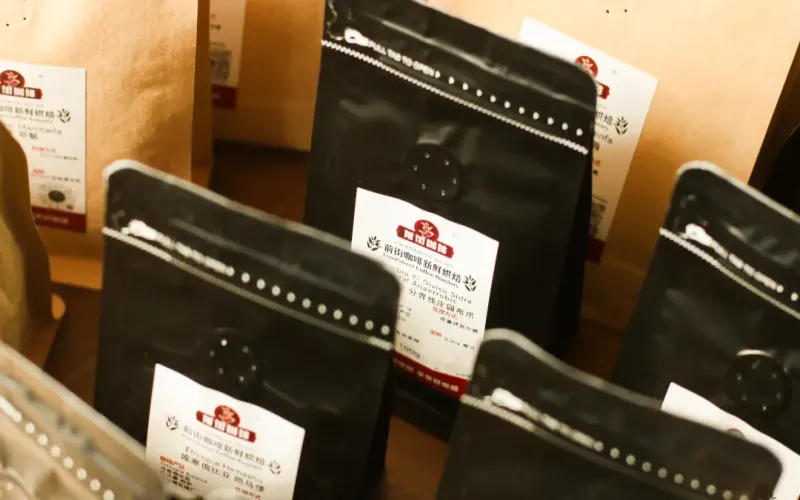
Coffee Beans vs. Ground Coffee Buying Guide: Why Pre-Ground Coffee Loses Flavor and Key Storage Tips
As the Spring Festival approaches, many coffee lovers are starting to stock up on their everyday beans. It is widely agreed that freshly ground coffee smells better, but to save effort, many people have the vendor grind it for them. This article focuses on the choice between whole bean and ground coffee, and drawing on Front Street's practical experience, it explains in detail the optimal flavor window of coffee beans, how long flavor lasts after grinding, and exactly how the taste of coffee changes when it is ground in advance. Through comparative experiments and real-world tests, it helps readers understand why pre-ground coffee doesn't taste good when brewed, and offers proper storage advice, so you can easily enjoy a good cup of coffee even during the holiday. [more…]
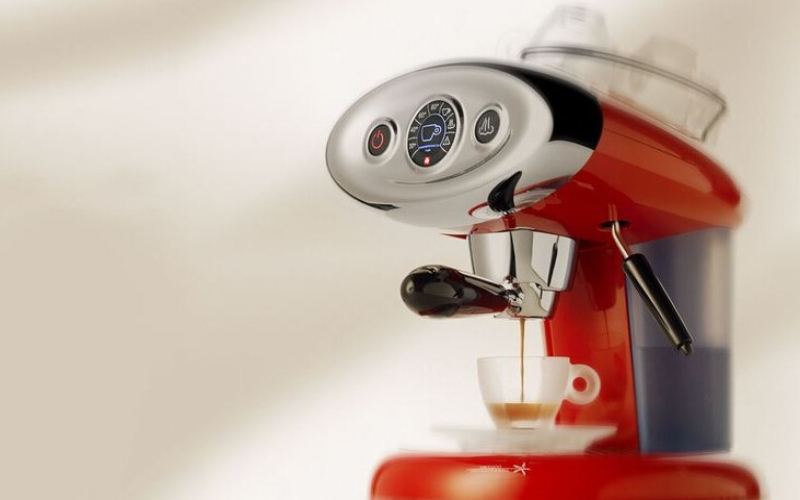
Illy Espresso Ground Coffee Review: Pairing with Espresso Machines, French Press Brewing Methods, and Introduction to Cappuccino Varieties
As an iconic Italian coffee brand, illy has been regarded as a benchmark in the pre-ground coffee segment since its founding in 1933. Its espresso powder is ground from 100% Arabica beans, positioned as more premium than instant coffee, and able to retain a richer original flavor. But many enthusiasts are confused about how to brew it—it is not an instant product and requires equipment such as an espresso machine or a French press to extract the ideal strength. This article will systematically review the pros and cons of illy espresso powder, introduce practical brewing methods for home and office scenarios in detail, and also touch on the varieties of cappuccino. At the same time, Front Street Coffee will also provide targeted equipment recommendations in the article to help everyone better bring out the performance of this classic Italian-style coffee powder. [more…]
What tier is illy coffee? A full guide to espresso powder pour-over methods and storage tips
illy is an Italian coffee brand founded in 1933, known for its pre-ground coffee and the invention of the fully automatic espresso machine. It is positioned above instant coffee and belongs to the high-end pre-ground coffee category. So how exactly should you drink illy coffee grounds? Can they be used for pour-over? This article will provide coffee lovers with detailed answers from three aspects: brand tier, brewing methods, and storage methods. It also compiles the specific operating parameters for three common devices—pour-over, American-style coffee maker, and French press—and reminds readers that espresso machines require specially labeled "Espresso" coffee grounds. Friends who like illy may wish to refer to Front Street Coffee's practical suggestions. [more…]
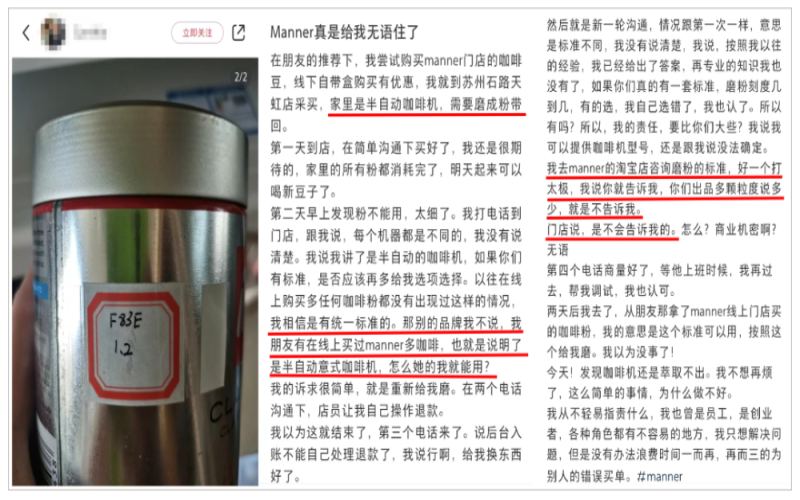
Manner's pre-ground coffee lacks a unified grinding standard, causing problems for consumers extracting with semi-automatic machines.
Recently, a complaint about Manner's coffee grinding service sparked heated discussion on social media. A customer reported that after buying coffee beans at a store and asking the staff to grind them, they found that their semi-automatic espresso machine at home could not extract espresso properly, and suspected the grind was too fine. When the customer asked whether Manner had a unified grinding standard for its grinding service, neither the online customer service nor the store staff could give a clear answer. This incident brings up an oft-repeated topic in the coffee community: is there really such a thing as a standard grind size for coffee powder used in semi-automatic espresso machines? Multiple industry practitioners and seasoned enthusiasts have offered their views, and the boundaries of chain brands' grinding services have once again drawn attention. [more…]
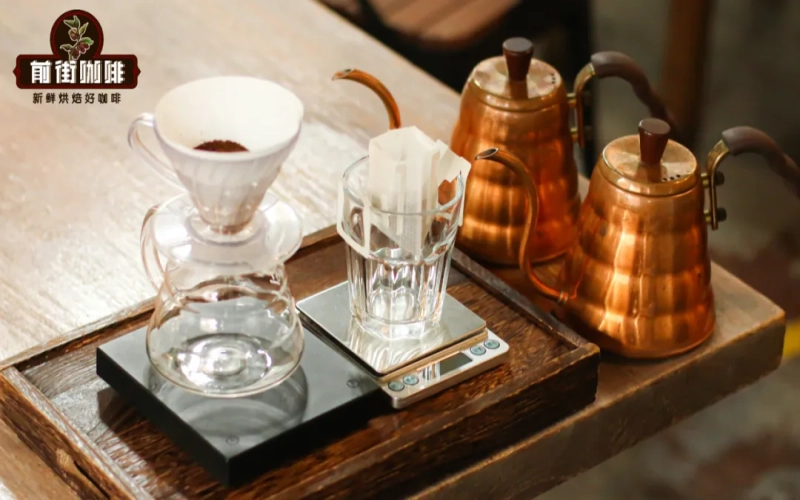
The Drip Extraction Differences Between Drip Bag Coffee and Pour-Over Coffee and an Analysis of Their Respective Suitable Scenarios
Drip bag coffee and pour-over coffee both use drip extraction, but their positioning and goals are completely different. Pour-over emphasizes manual flow control and rich playability, using freshly ground coffee powder to more fully showcase coffee flavors; drip bags, on the other hand, center on convenience, using pre-ground coffee powder. They sacrifice some aroma and room for adjustment in exchange for an easy brewing experience anytime, anywhere. From the perspective of Front Street, this article sorts out the definitions, characteristics, and core differences of the two, helping coffee lovers understand their respective advantages and suitable scenarios, so they can make a more appropriate choice based on actual needs. [more…]
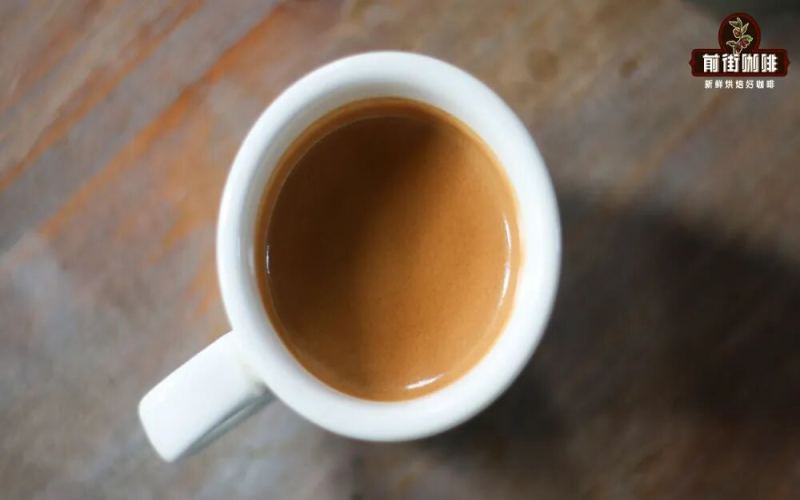
Espresso Extraction | What are the difficulties for coffee beginners in extracting espresso? What are the precautions for extracting espresso with pre-ground coffee powder?
Many people can't stand drinking espresso on its own; its highly concentrated bitter and burnt taste is often described as being like traditional Chinese medicine. Once diluted with milk or water, however, it becomes much easier for most people to accept. But reality is often cruel—you will inevitably come across coffee that is hard to swallow even after adding milk. In such cases, the coffee is usually [more…]
How Is Pour-Over Coffee Different from Drip Bag Coffee? A Comprehensive Comparison from Extraction Principles to Flavor Expression
Pour-over coffee and drip bag coffee both use drip extraction, but the two differ fundamentally in their original design intent and use scenarios. Pour-over emphasizes grinding fresh and brewing immediately, with freely adjustable parameters, allowing it to present coffee's aroma layers and flavor details more completely; drip bags, on the other hand, center on convenience, trading pre-ground coffee powder for a brew-anytime, anywhere experience, but aromas dissipate faster and flavor richness is relatively limited. From Front Street's perspective, this article sorts out the specific differences between the two methods in terms of equipment, operation, coffee powder state, and flavor performance, and includes Front Street drip bag coffee recommendations suited to different tastes, helping coffee lovers find the choice that suits them between convenience and quality. [more…]
The Correct Way to Drink illy Espresso Ground Coffee: Medium Roast Brewing Ratio and French Press Operation Guide
illy, as a long-established Italian coffee brand, produces pre-ground espresso powder that is not an instant product; it requires a filter tool or an espresso machine to complete extraction. For home or office settings, Front Street Coffee recommends using a French press for immersion brewing. This article will introduce the blending characteristics of illy espresso powder, its differences from instant coffee, and, using 15 grams of powder as an example, the specific brewing parameters and operational details, helping coffee enthusiasts easily make a rich, full-bodied cup of coffee. [more…]
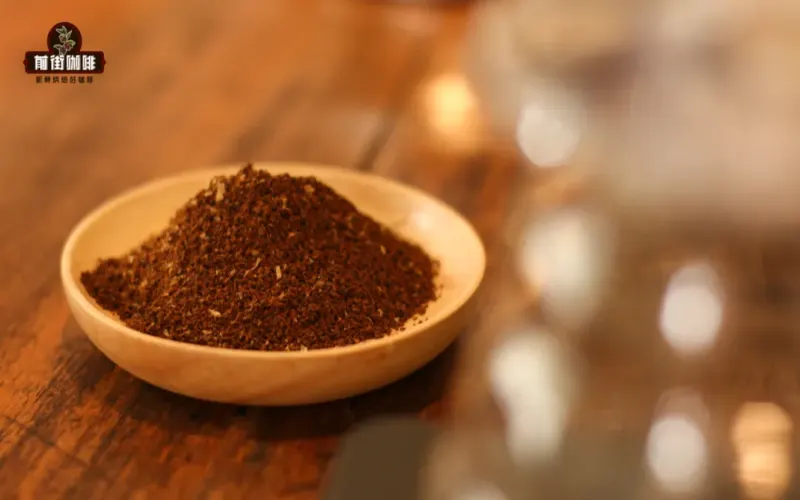
What Is the Difference Between Freshly Ground and Pre-Ground Coffee? The Principles Behind Drip Bag Coffee and Tips for Brewing a Delicious Cup
They're both coffee grounds, so why do some people insist it has to be freshly ground? What are the real differences between freshly ground and pre-ground coffee? And how exactly is drip bag coffee made? From the perspective of Front Street, this article breaks down one by one the essential differences between freshly ground coffee and pre-ground coffee, explains the critical impact of freshness on flavor expression, and further introduces the birth process of drip bag coffee as well as the brewing tips that make it taste better—helping coffee lovers avoid detours in their daily choices and brewing. [more…]
How Does Drip Bag Coffee Differ from Pour-Over Coffee? Analyzing the Differences Between the Two Through the Principle of Drip Extraction and How to Choose a Drip Bag Brand
Drip bag coffee and pour-over coffee both use drip extraction, where hot water flows through the coffee grounds by gravity to bring out flavor compounds, but the two are entirely different in their goals and suitable scenarios. Pour-over emphasizes manual flow control, flexible equipment, and grinding and brewing on the spot, combining a high degree of freedom with a sense of ritual; drip bags are a convenient derivative of pour-over, trading pre-ground coffee for the convenience of brewing anytime and anywhere, at the cost of faster aroma loss and less room for adjustment. This article will sort out the core differences between the two from the perspectives of definition, extraction principles, and coffee grounds condition, and recommend products such as Front Street Coffee Huakui, Blue Mountain No. 1, Strawberry Candy, and the classic five-origin drip bags, to help coffee lovers choose according to their needs. [more…]
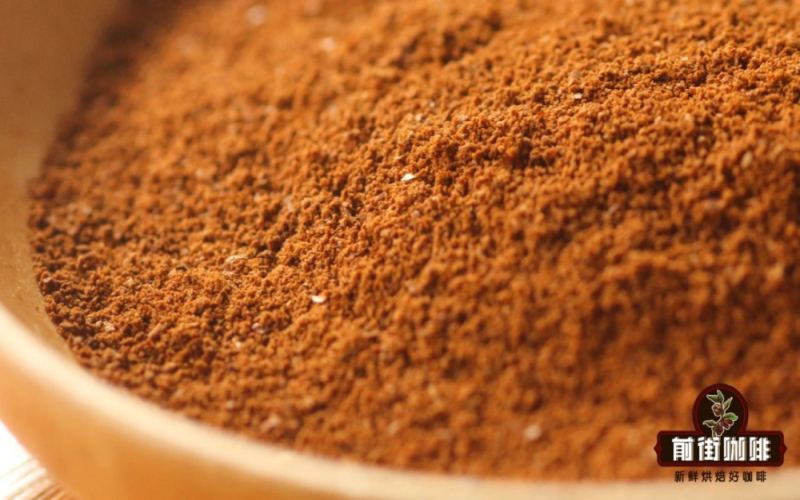
How to Choose the Grind Size for an American coffee maker? An Analysis of the Differences Between Espresso Coffee Grounds and American Coffee
In coffee making, grinding is often seen as the most easily overlooked yet crucial step. Many enthusiasts focus on water temperature, dose, or equipment, but rarely ask just how fine or coarse the grind should be. In reality, grind size directly determines extraction efficiency and flavor direction, and different devices require completely different particle specifications. Starting from Front Street Coffee's practical experience, this article first explains why fresh grinding is better than pre-grinding, then outlines the types of coffee grinders, and further provides specific methods for judging a medium grind for American-style drip machines, comparing the extremely fine powder needed for espresso with the powder used for American-style coffee. Finally, it returns to bean selection, analyzing the logic behind roasting degree preferences for espresso and American-style coffee, helping readers establish the correspondence between grinding and extraction. [more…]
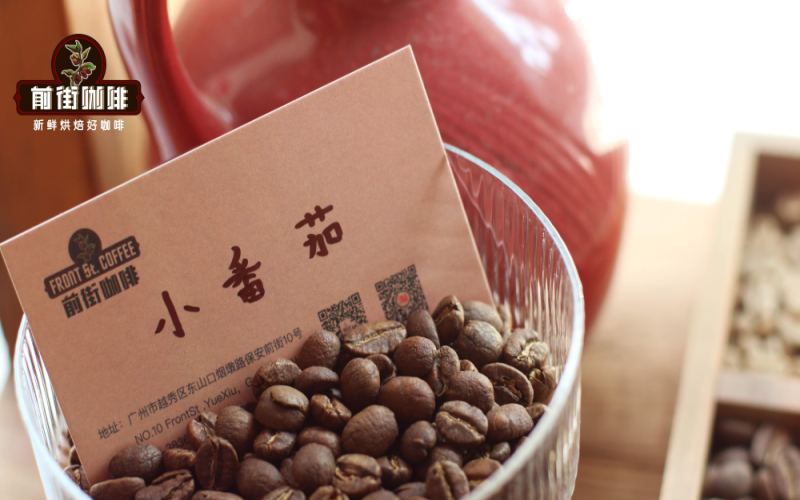
Buying Coffee Beans Advice | For Pour-Over Coffee Beginners: Should You Buy Fresh Coffee Beans or Pre-Ground Coffee Powder? How Do Beginners Choose Roasted Coffee Beans?
Aroma is the soul of coffee beans, and freshness is the guarantee of their quality. Therefore, Front Street Coffee believes that if you want to buy coffee bursting with rich aroma, you should choose freshly roasted coffee beans. Below are six tips and guidelines on buying coffee beans that Front Street Coffee has put together for you, as a gift to those of you who love coffee. When buying roasted coffee beans, [more…]