








For more specialty coffee knowledge, please follow: Front Street Coffee (Frontsteet Coffee)
From the perspective of coffee flavor, pre-grinding coffee beans into powder will accelerate the loss of coffee flavor. This is also why most coffee shops, including Front Street, recommend freshly ground coffee.
For domestic consumers who mainly drink pour-over single-origin coffee, their demands for flavor are more rigorous, and their coffee consumption is relatively small, making it very easy for the coffee powder to lose all its flavor before they finish drinking it. Therefore, although most coffee shops offer grinding services, they still suggest customers grind fresh at home.
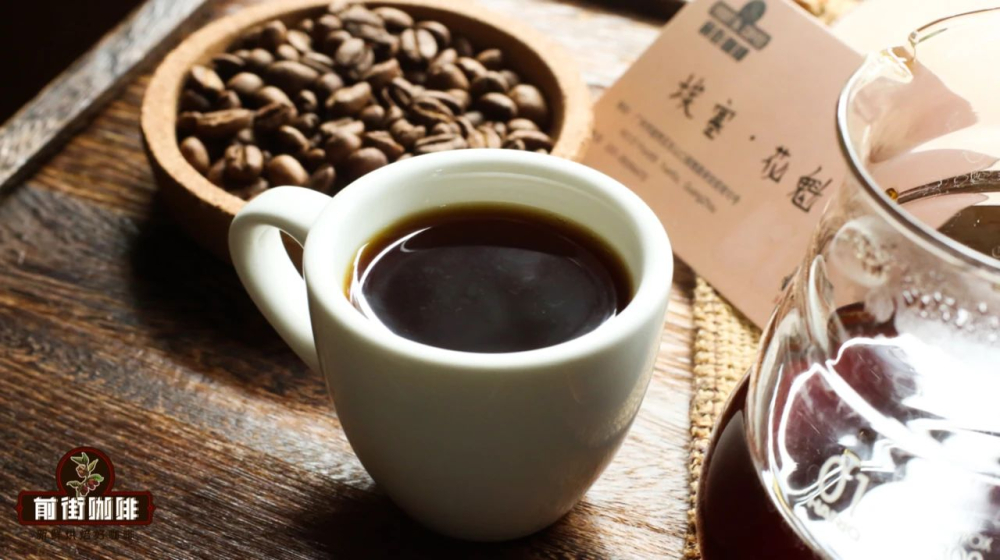
From this perspective, pre-ground coffee powder has a completely negative impact on flavor! However, there is one situation where having coffee ground for you is better than grinding fresh at home yourself: when your own grinder doesn't perform well. Everyone knows how important grinding is for flavor. Mastering a suitable grind size is important, and grind uniformity is even more crucial. The vast majority of cases involving bitter and astringent flavors are caused by too many fine particles.
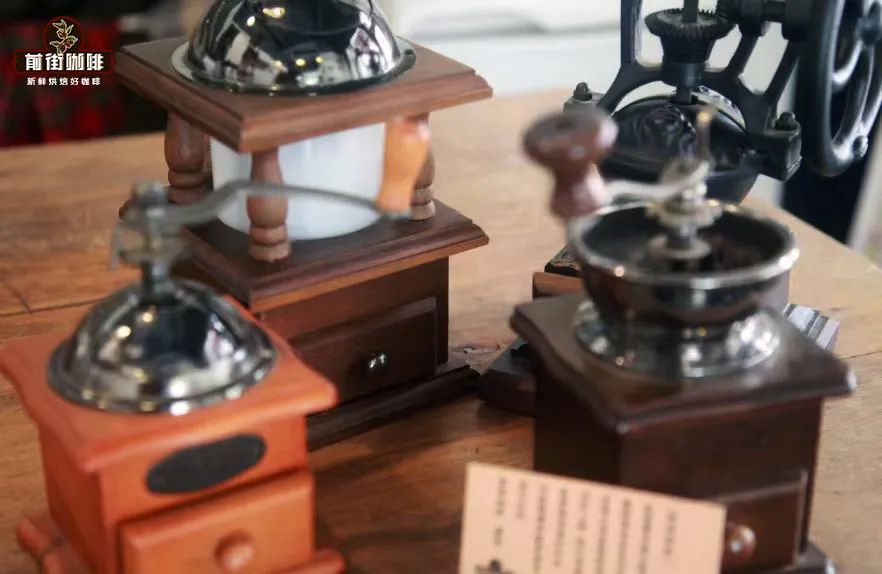
Coffee shops offer two advantages when grinding for you: first, the grind size can be controlled more precisely; second, the grinder performance is better (this depends on the specific grinder), resulting in higher grind uniformity. When faced with choosing between freshness and grind size, Front Street believes grind size should come first. After all, no matter how fresh the beans are, if the grind size is wrong, the brewed coffee will be hard to drink—you'd be better off drinking it more quickly. But if you truly pursue coffee flavor, it's best to equip yourself with a high-performance grinder and grind fresh right before brewing.
If you pour-over pre-ground coffee powder and the coffee doesn't bloom, this is also a normal phenomenon. Because when coffee is ground into powder, up to 70% of the other [gases] inside the coffee can be lost. The remaining gases will also dissipate faster than from coffee beans. Therefore, when pouring water, there is already very little gas inside the coffee powder, so it cannot bloom.
So how should ground coffee powder be stored? Front Street offers some reference solutions here.
Store in a cool, ventilated, and dry place: Whether coffee beans or coffee powder, they need to be stored away from direct sunlight, because high temperatures will accelerate the release of coffee flavor, and the coffee's optimal enjoyment period will be greatly reduced. At the same time, we need to pay attention to whether the storage location is humid. A humid environment easily breeds bacteria, which will not only give the coffee a moldy taste but also affect human health.
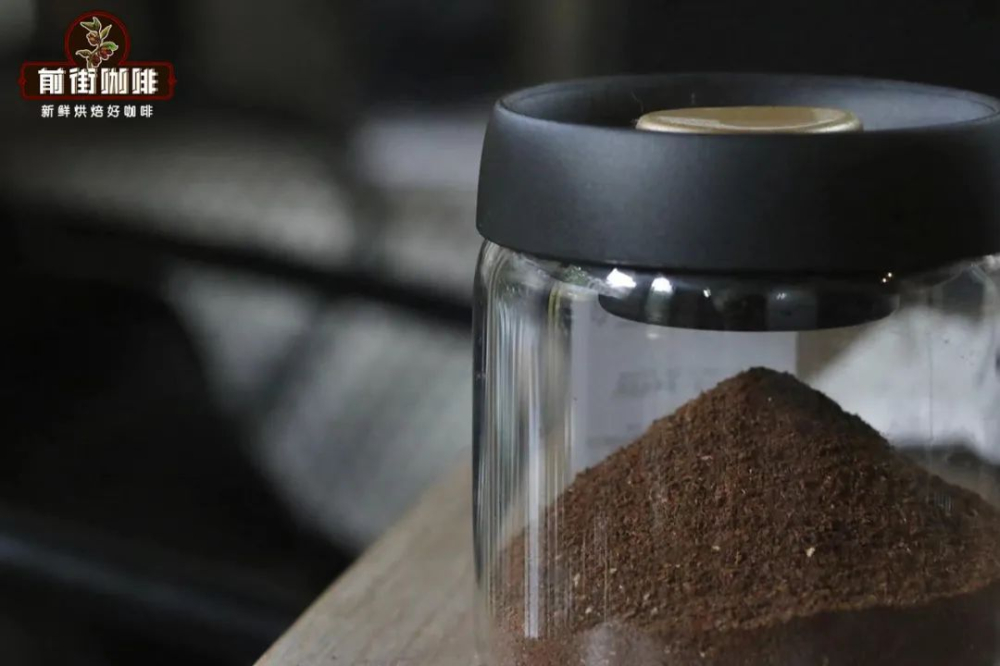
Store completely sealed: Coffee beans can be stored sealed in their original packaging (if there is a one-way exhaust valve, it needs to be blocked), but coffee powder should be stored in a completely sealed container as much as possible. Also, minimize the number of times you open it, because every time you open it, outside air will "invade" the coffee powder once.
How to brew coffee with coffee powder?
After purchasing coffee powder, it's best to drink it as soon as possible before the aroma dissipates. Below, we'll use Front Street Blue Mountain No. 1 coffee powder as a demonstration:
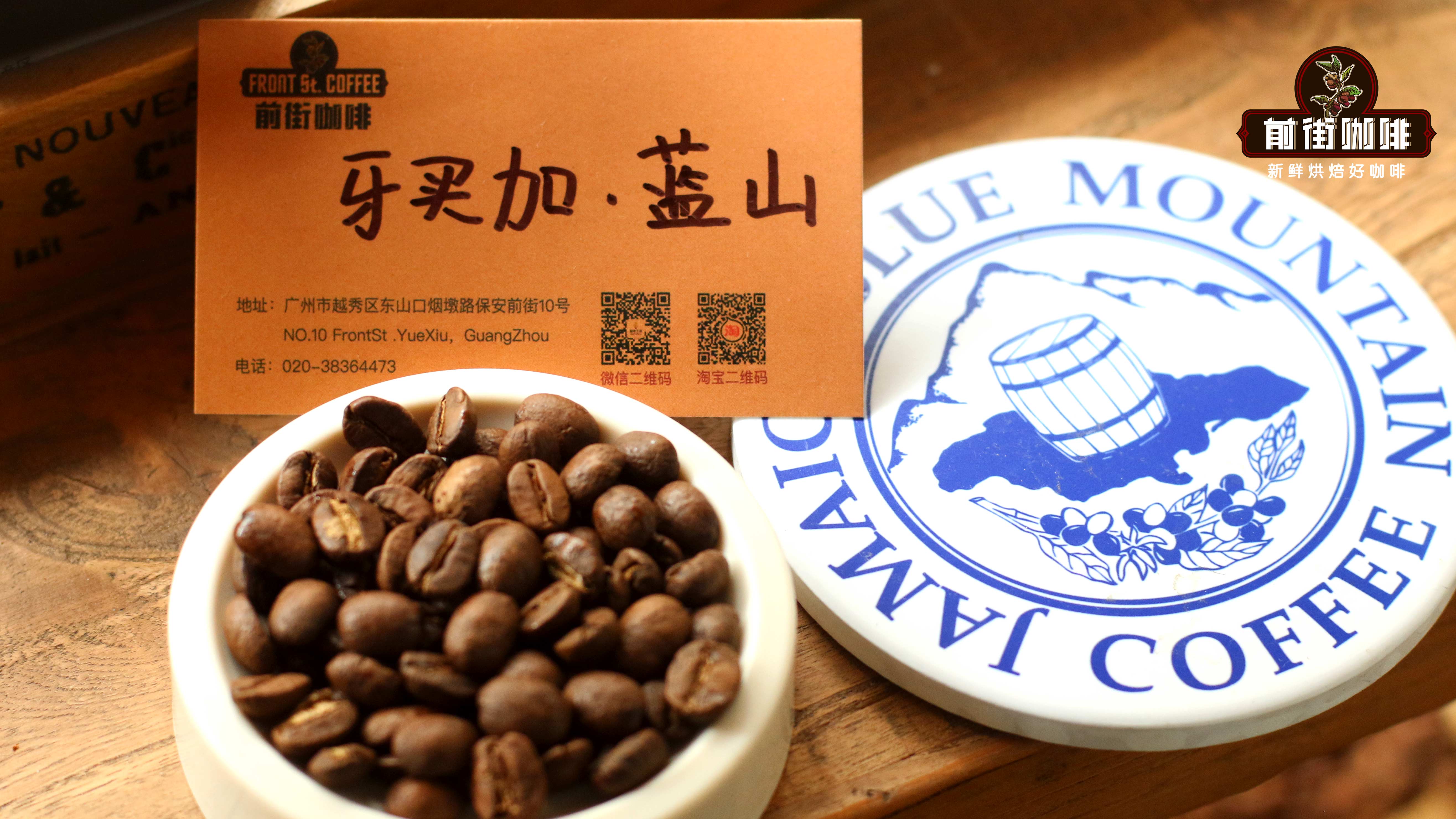
Front Street's brewing parameters: Front Street Blue Mountain No. 1 coffee beans, KONO dripper, 88°C water temperature, paired with Front Street's customary three-stage pouring. Coffee powder: 15 grams Powder-to-water ratio: 1:15.
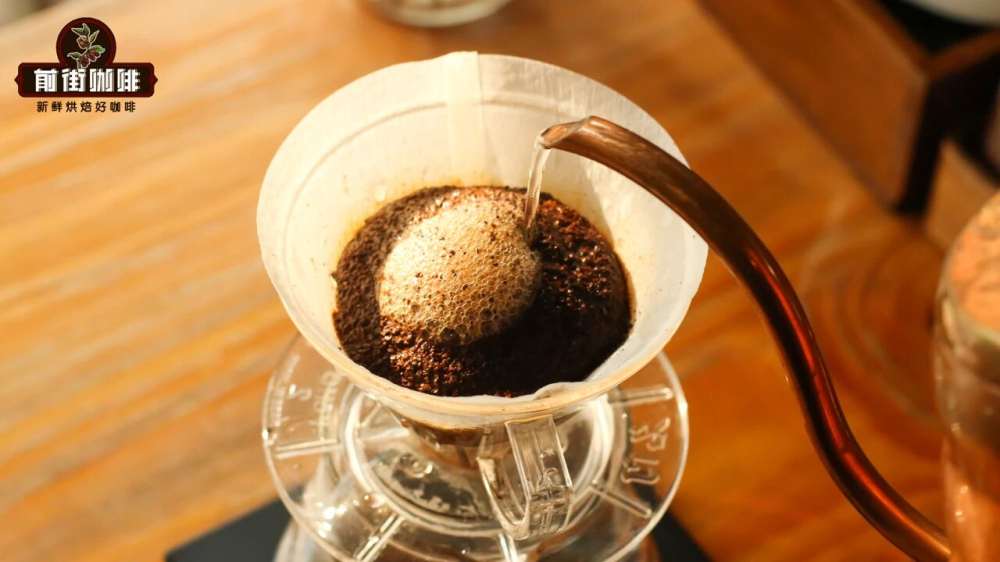
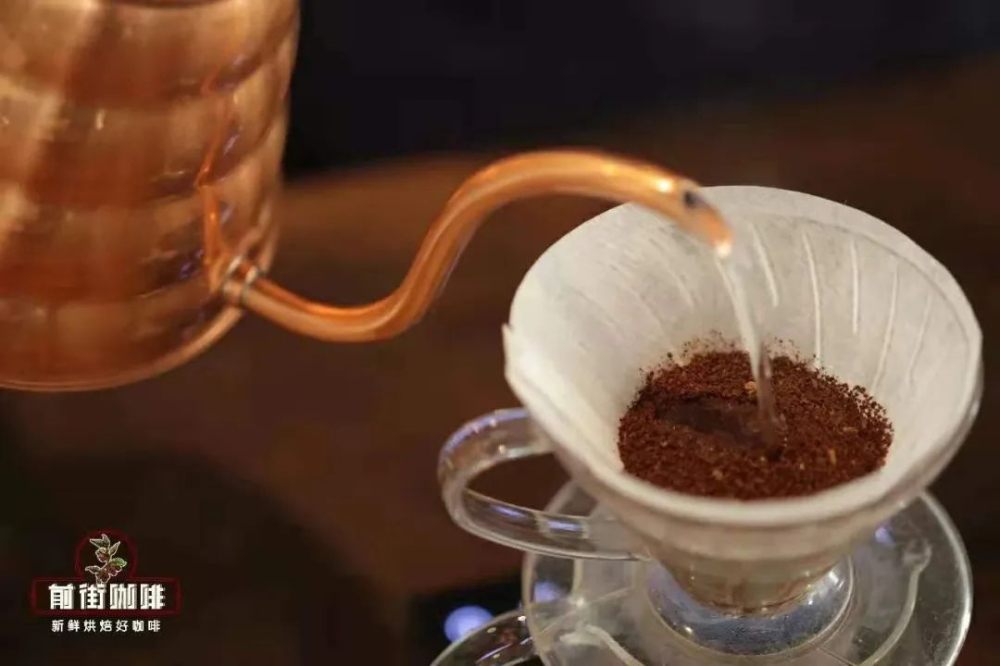
Three-stage pouring: Use 30g of water to evenly wet the coffee powder bed and bloom for 30 seconds. For the second stage, pour 95g of water in a steady circular motion from inside to outside until the water level drops to 2/3 of the powder bed in the dripper, then begin pouring the third stage of 100g. Note to maintain a small stream throughout. After about 2 minutes when dripping is complete, remove the dripper. Finally, gently swirl the coffee liquid to even it out and begin tasting.
The above content is compiled by CoffeeHunters, a coffee news website.

