







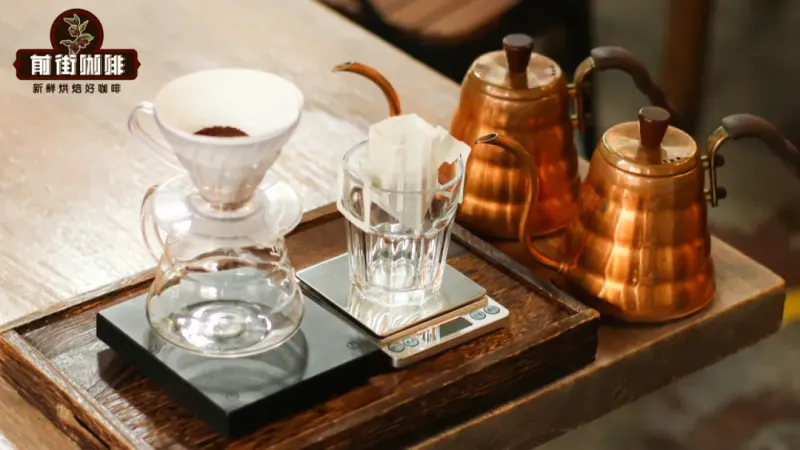
Drip Bag Coffee vs Pour-Over Coffee: Extraction Differences and Suitable Scenarios
Pour-over coffee is a manual brewing method where you control the water flow using a dripper, filter paper, and scale. It uses freshly ground coffee and highlights the bean's flavors, making it popular among coffee enthusiasts. Drip bag coffee, on the other hand, comes in individual packets with pre-ground coffee. You just add hot water. Both rely on gravity to filter water through coffee grounds, but their goals differ: pour-over offers control and flavor, while drip bags prioritize convenience.
Because of these differences, each method suits different situations. Pour-over is ideal when you have time to experiment and want to explore subtle coffee aromas. It requires attention to technique and equipment. Drip bag coffee is better when you need a quick, easy cup with minimal cleanup, like at the office or while traveling. Understanding the hand brew coffee meaning helps you appreciate what pour-over involves, while drip bags trade some flavor for simplicity. Choose based on your needs.
Both drip bag coffee and pour-over coffee use drip filtration extraction, but their positioning and goals are completely different. Pour-over emphasizes manual flow control and rich playability, using freshly ground coffee powder to more fully showcase coffee flavors; drip bags focus on convenience, using pre-ground coffee powder, sacrificing some aroma and adjustment space in exchange for an easy brewing experience anytime, anywhere. From the perspective of Front Street, this article sorts out their definitions, characteristics, and core differences to help coffee enthusiasts understand their respective advantages and suitable scenarios, so they can make a more appropriate choice based on actual needs.
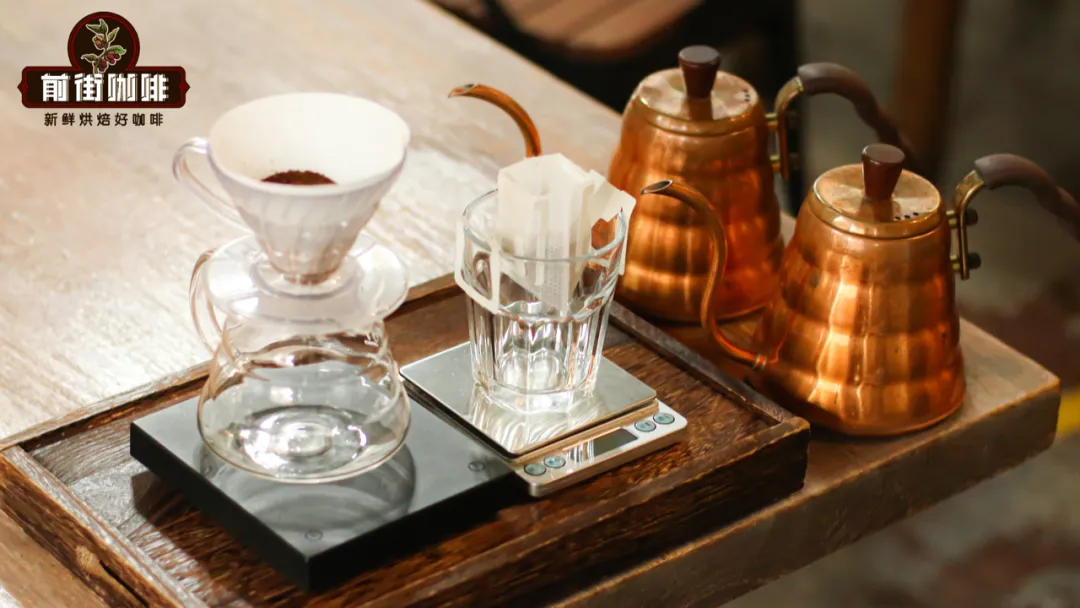
You may all be aware that drip bag coffee and pour-over coffee both belong to drip filtration extraction in terms of production principles. So-called drip filtration is a method in which hot water passes through a layer of coffee grounds by gravity, bringing out the soluble substances in the coffee. In other words, while water is poured into the filter, the coffee liquid drips from below at the same time.
Because the extraction principle is the same, these two kinds of coffee are often compared together. However, there is actually not much direct comparability between them, because the core goals they aim to achieve are different, and their respective strengths are very different.
Next, Front Street will briefly talk with everyone about what exactly the differences are between pour-over coffee and drip bag coffee. Before starting the comparison, let us first understand separately what pour-over coffee is and what drip bag coffee is.
What Is Pour-Over Coffee
Pour-over coffee refers to coffee brewed by manually controlling the water flow, usually with the help of tools such as a dripper, filter paper, and electronic scale. After the concept of specialty coffee gradually became popular, pour-over quickly became widespread. The reason is that, compared with other extraction methods, it can present the flavor of the coffee beans themselves more excellently and more directly.
In addition, pour-over coffee offers a very high degree of freedom. We can adjust or replace any parameters and tools, thereby creating completely different brewing plans. The final coffee will also show subtle differences because of this, making it highly playable. For this reason, pour-over has become the first choice for many people exploring coffee aromas.
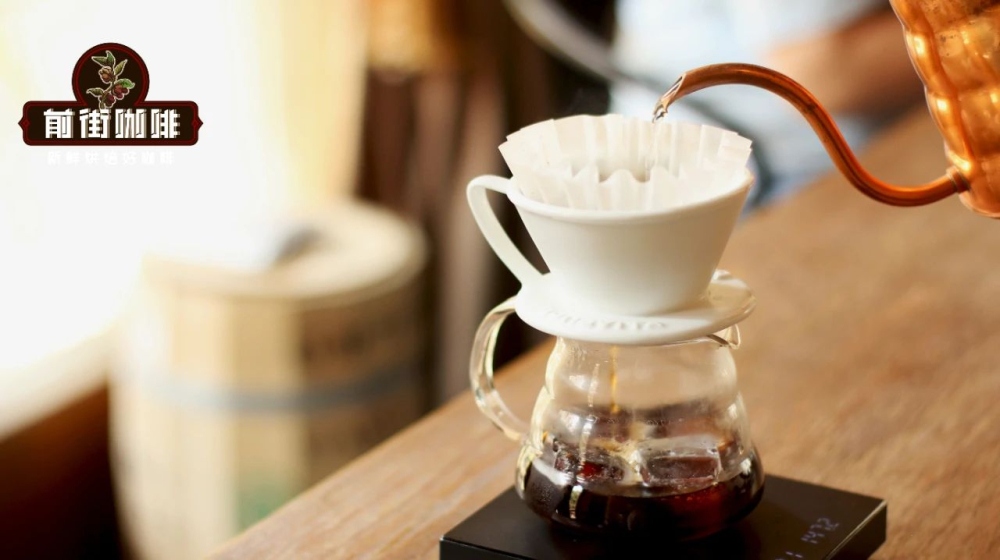
Pour-over usually uses high-quality single-origin beans. Baristas will recommend popular options such as Front Street Huakui, Front Street Blue Mountain No. 1, and Front Street Strawberry Candy. Even beginners who have just started brewing can relatively easily grasp the coffee’s flavor and mouthfeel.
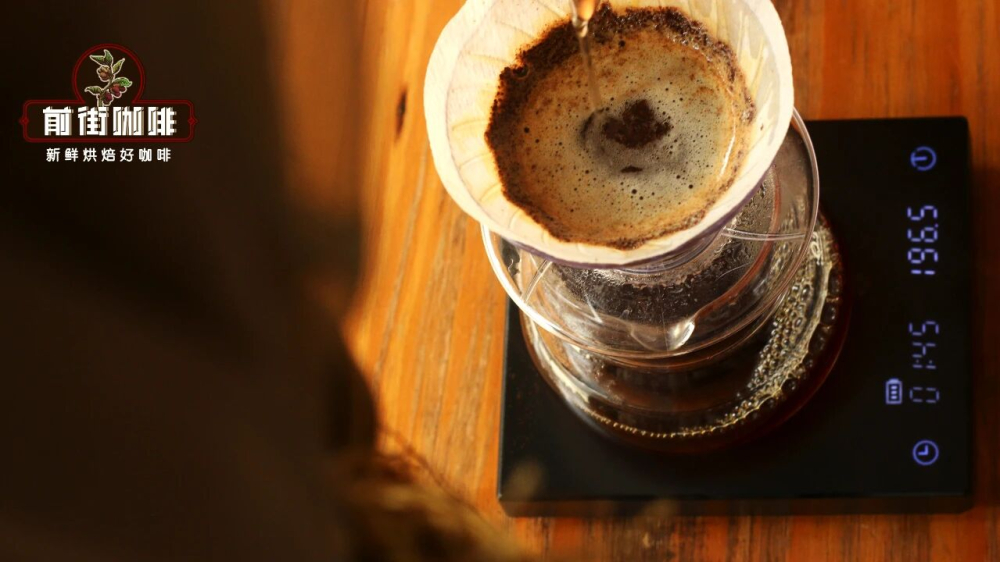
In addition, pour-over coffee has another attractive aspect: from weighing beans, grinding, folding filter paper, rinsing the dripper, and pouring in the grounds, to boiling water and brewing, this whole series of actions often needs to be done by hand. These steps fill the making of the entire cup of coffee with a sense of ritual.
Because pour-over equipment is relatively affordable, many friends keep a professional set at home. When free, choose a favorite bean, grind and brew it fresh, and enjoy a period of focused coffee time.
If you want to experience multiple flavors at once, you can try Front Street Classic Five Origins Drip Bag Coffee. It covers many world-famous coffee-producing countries such as Ethiopia, Kenya, Brazil, Panama, and Indonesia. From light roast to dark roast, from washed to natural, each one has its own characteristics, making it very suitable for beginners to try.
What Is Drip Bag Coffee
Drip bags can be seen as an extension of pour-over coffee in the direction of convenience. At the end of the 20th century, Japan’s UCC took the lead in launching drip bags and applied for a patent in 2001. What is sealed inside a drip bag is pre-ground coffee powder and a filter bag made of non-woven fabric. Like pour-over, it uses drip filtration extraction. Tear open the outer packaging, take out the drip bag and hang it up, and you can brew directly. It is very hassle-free.
It is called a “drip bag” because there is a paper cardboard piece on each side of the non-woven filter bag. After opening, these two cardboard pieces can be clamped onto the rim of a narrow-mouthed cup, acting as a dripper. The name drip bag coffee comes precisely from these two paper pieces that hang on the cup rim like “ears.”
Compared with pour-over coffee, the convenience of drip bags is very prominent: you do not need to grind the powder yourself, nor do you need to prepare tools such as a dripper and filter paper. As long as you have a cup and a pouring kettle, you can complete the making. In addition, because they are small in size, drip bags are very easy to carry, so they have become a regular choice for travel and daily office use.
What Are the Differences Between Drip Bag Coffee and Pour-Over Coffee?
From the introduction above, it can be seen that the biggest difference between drip bags and pour-over is the state of the coffee powder used. Pour-over mostly uses freshly ground powder, meaning the coffee beans are ground into powder only before brewing; drip bags use pre-ground powder, which is ground in advance and then sealed into the drip bag. It is precisely this difference that makes the two fundamentally different. Why is that? Because the taste of the brewed coffee will change as a result.
The flavor of coffee mainly comes from aromatic substances, and most of these aromatic substances are volatile. After coffee beans are roasted, the aroma, like carbon dioxide, continuously volatilizes and dissipates from the inside out. The speed of dissipation mainly depends on the storage method, the environment, and whether the structure of the coffee beans themselves is intact.
When the storage environment and method are appropriate and the structure of the coffee beans is relatively intact, the volatilization rate of aromatic substances slows down. Generally speaking, when the above conditions are all met, the aromatic substances in coffee beans can be maintained until about two months from the roast date. If the storage environment or method is not ideal, or if the coffee beans have already been ground into powder, aroma loss will accelerate, and the optimal flavor period will be shortened from the original two months to one month, or even less than one month.
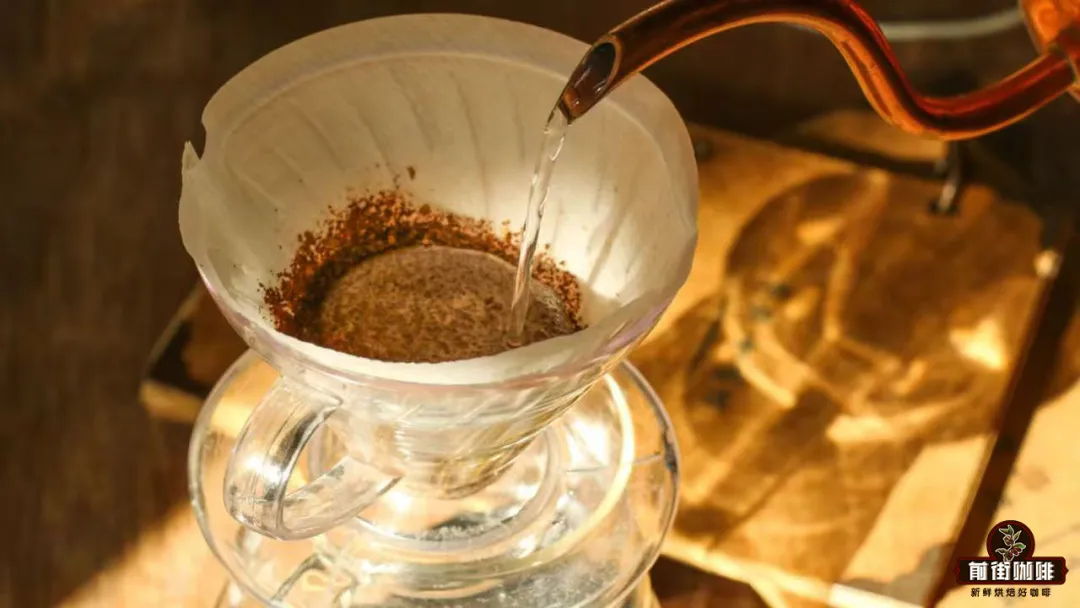
Therefore, even with the same bean and the same roast date, the taste brewed from a drip bag will not be as rich as pour-over coffee. This is because it uses pre-ground coffee powder, and the flavor volatilizes faster than with fresh grinding. Moreover, this gap will further widen as the time after grinding increases.
At the same time, because the coffee powder is ground in advance, the grind size has already been fixed, and the brewing framework cannot be adjusted much. This makes drip bag coffee less free than pour-over and relatively less playable.
However, it should be understood that the advantage of drip bag coffee has never been at the flavor level, but in being simple and convenient. It is precisely for greater convenience that drip bags use pre-ground coffee powder. If convenience were not considered, we could also use drip bags to brew freshly ground coffee powder and still obtain excellent coffee flavor.
So the conclusion can be drawn as follows: although pour-over coffee and drip bag coffee both use drip filtration brewing, the goals they pursue are completely different. Pour-over pursues a more complete and higher-quality coffee experience, so it mainly uses freshly ground coffee powder; drip bags pursue convenience, and for that reason give up part of the coffee flavor. Both have their strengths and their suitable scenarios, so there is really no need to compare them with each other.
The above content is compiled by CoffeeHunters, a coffee news website.


