







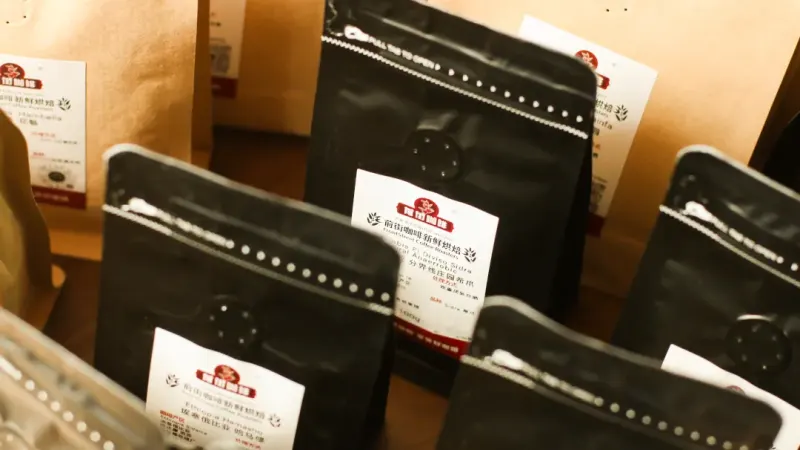
As the Spring Festival approaches, many coffee enthusiasts have started stockpiling their daily beans. It is widely accepted that freshly ground coffee is more aromatic, but for convenience, many people ask the seller to grind it for them. This article focuses on the choice between coffee beans and ground coffee, and based on Front Street Coffee's practical experience, provides a detailed analysis of the optimal flavor window for coffee beans, how long the flavor can be preserved after grinding, and what changes occur in the taste of coffee that is ground in advance. Through comparative experiments and actual testing, it helps readers understand why pre-ground coffee powder doesn't taste good when brewed, and offers proper storage advice, so you can easily enjoy a good cup of coffee during the holiday.
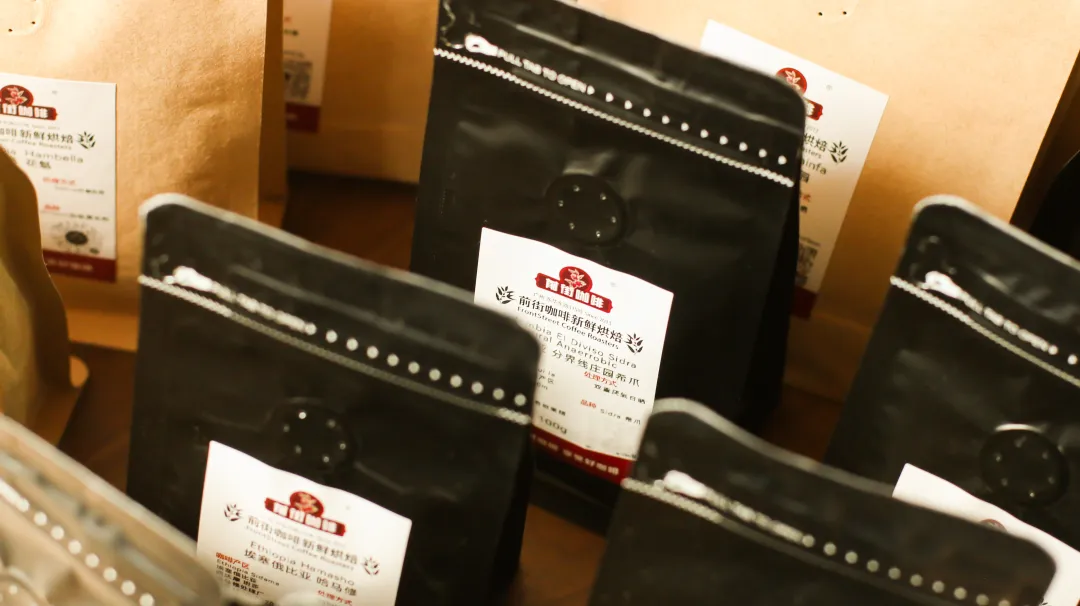
With the Spring Festival approaching, you must have stocked up quite a bit of coffee at home for the holidays, ready to enjoy an aromatic cup at any time.
It is a well-worn saying that freshly ground coffee tastes better, and everyone knows how crucial freshness is to the flavor of coffee. However, for the sake of convenience, many people simply ask the seller to grind the beans into powder and ship them that way when buying beans, so they don't have to fuss over the grind setting when brewing and save the effort of manual grinding—truly time-saving and hassle-free.
As the demand for grinding services grows, Front Street Coffee has been receiving many related questions, such as: how long can coffee beans be stored after being ground into powder? What is the flavor window of ground coffee? How should ground coffee be stored properly? OK! OK! Front Street Coffee understands you're anxious, but please hold on—let's start with the flavor window and unravel these questions one by one~
The Optimal Flavor Window of Coffee Beans
During roasting, the internal structure of green coffee beans continuously absorbs heat and expands, while accumulating a large amount of carbon dioxide. These gases have both pros and cons—the downside is that if there is too much, it hinders hot water from extracting flavor compounds; the upside is that it blocks the loss of volatile aromatics.
Based on past experience, these gases rapidly release 60%–70% of the carbon dioxide within 4–7 days after roasting is completed (at this point, the bloom most easily forms a beautiful hamburger shape). When only 30–40% of the gas remains in the bean, the release rate slows down significantly, indicating that the coffee beans are gradually entering a stable period. The brewing flavor reaches its optimal state between 30–45 days after roasting, and this period is what we call the optimal flavor window.
Of course, besides looking at the roast date, the flavor performance of coffee beans also depends on storage conditions. Generally speaking, after receiving fresh coffee beans, we recommend storing them in a sealed, cool, dry, and dark environment, and minimizing the number of times the seal is opened.
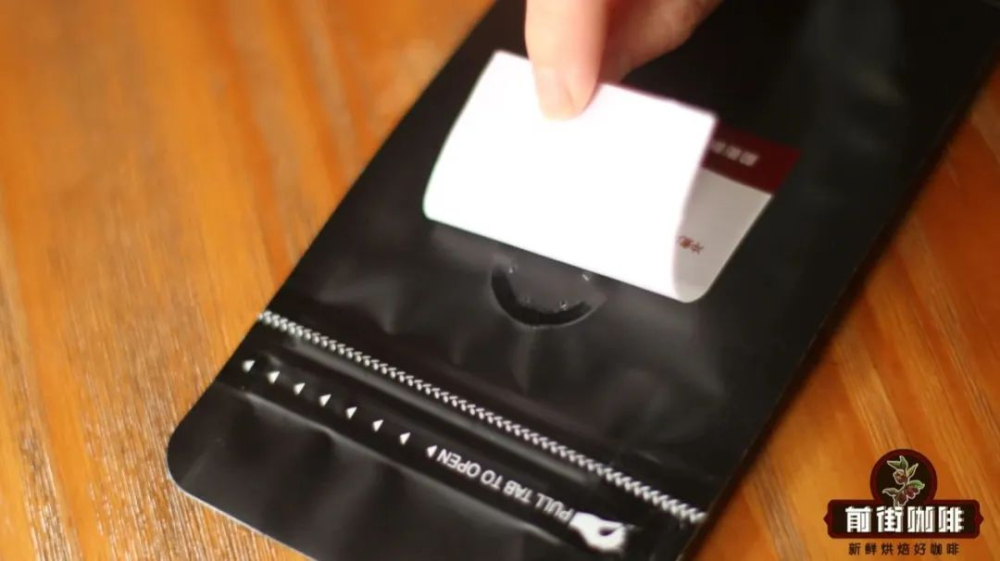
Just imagine: if a bag of beans is opened several times a day, or frequently exposed to humid air, then even if it is still within the recommended flavor window, the coffee powder has most likely already lost its flavor.
After Grinding, How Long Can the Flavor Be Preserved?
Everyone knows that the moment coffee beans are freshly ground, the aroma is at its fullest. These aromas are actually volatile flavor compounds drifting through the air that we smell. Before grinding, the coffee bean is a complete structure, and carbon dioxide can only be released slowly from the surface. Once the beans are ground into powder, the surface area exposed to air increases dramatically, and a large amount of carbon dioxide escapes rapidly along with aromatic compounds, naturally shortening the flavor window.
To find out the optimal flavor window after coffee is ground into powder, Front Street Coffee once conducted a comparative experiment, grinding Panama Boquete Geisha coffee beans roasted on the same day into powder 30 days, 21 days, and 14 days in advance respectively, then storing each sealed separately, and finally brewing and comparing them at the same time.
Ultimately, we found that under the premise of sealed storage and infrequent opening, coffee can still deliver a decent flavor within 3 weeks after grinding, but it declines day by day. After being stored for more than a month after grinding, the aroma completely dissipates, leaving only a flat "coffee taste."
Therefore, if you stock up in large quantities and your coffee consumption is not fast, Front Street Coffee recommends that after receiving pre-ground coffee powder, immediately divide it into multiple sealed jars or sealed bags for storage, opening only what you need each time. This way, you don't have to worry about the remaining coffee's aroma escaping due to frequent opening.
What Changes Occur in the Taste of Coffee Ground in Advance?
Out of curiosity, Front Street Coffee last week ground a bag of idle washed Yirgacheffe (roast date: December 29, 2024) into powder, then tested its flavor state every day to see the relationship between storage time of the ground coffee and its brewing state and final flavor performance.
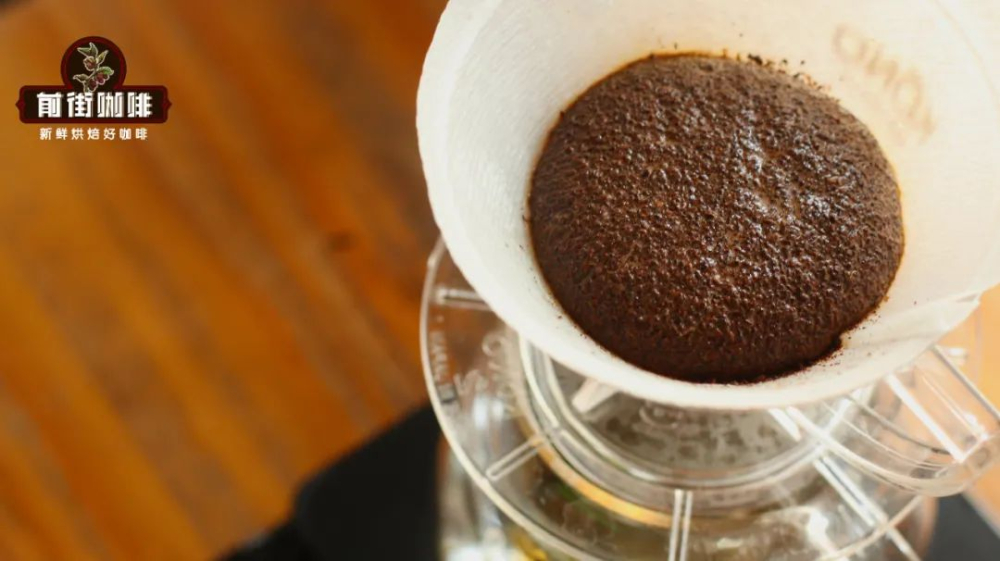
Freshly ground and brewed: Rich dry aroma, with obvious white floral and citrus fruit notes, as well as honey sweetness. The bloom puffed up normally, and the coffee bed continued to bubble. Flavor: fresh orange peel, light floral, lemon, Asian pear, plum acidity; after the temperature dropped, notes of melon seeds, caramel, and green tea emerged, with a light, transparent, and bright acidity.
Day 1 after grinding: The dry aroma had obvious fresh citrus and lemon peel notes, with diminished floral notes and a hint of nuts and milk candy. During brewing, abundant bubbles were released. Flavor: sweet orange, pomelo, tea-like, with lively acidity and a clear sweet aftertaste.
Day 2 after grinding: The dry aroma was slightly fainter, with a fresh citrus note. The bloom did not puff up, and only a few bubbles emerged from the coffee bed during extraction. Flavor: mainly the sweet-tartness of citrus and pomelo, with a flavor profile not much different from the previous day, a caramel note on the palate, and a green tea finish.
Day 3 after grinding: The dry aroma had notes of honey, citrus, and nuts. Fewer bubbles during bloom and extraction. Flavor: pomelo, lemon, tea-like, with acidity less bright than the previous day and a heavier caramel note.
It can be seen that after coffee beans are ground into powder, not only does carbon dioxide continuously dissipate over the storage days, but the aroma of the brewed coffee also gradually diminishes. Take Front Street Coffee's light-roasted Yirgacheffe this time as an example: when freshly ground, it showed a refreshing and bright character. As the coffee powder is exposed to air more frequently and stored longer, the coffee's character gradually shifts from a fresh fruity sweet-tartness to a rich caramel note. At that point, no matter how you adjust other parameters, it is difficult to achieve the flavor performance of when it was freshly ground.
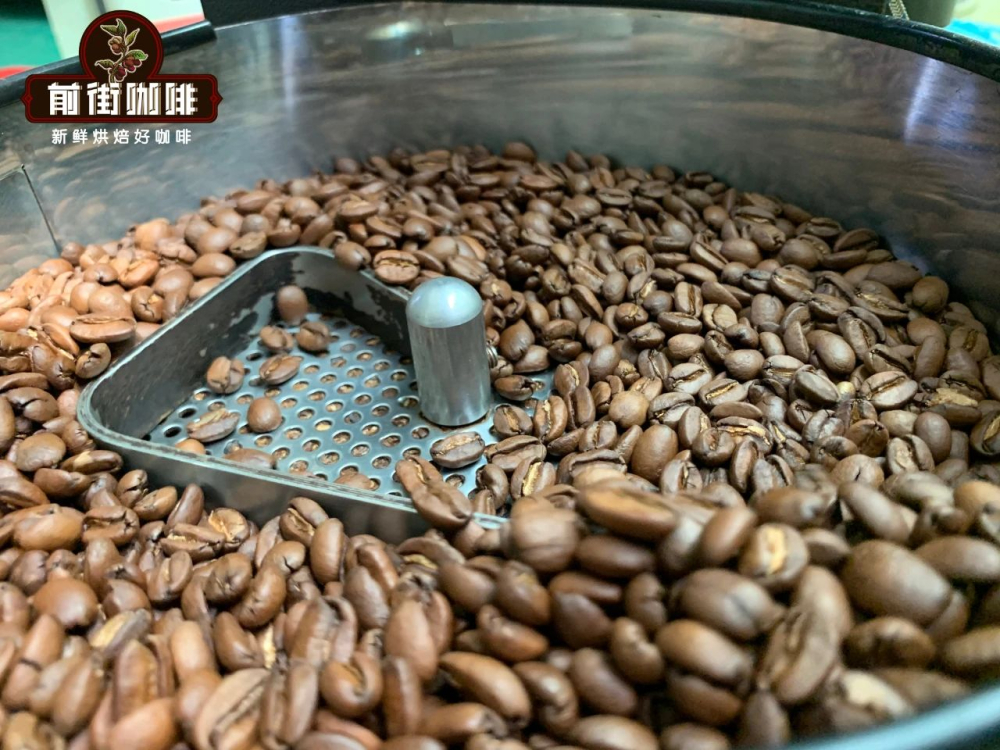
In fact, this type of medium-light roast coffee inherently emphasizes floral and fruity notes. A few hours after grinding, much of the essential aroma is already lost. So if you pursue this kind of flavor, and conditions permit, Front Street Coffee recommends getting a grinder, so you can experience the aroma brought by freshly roasted, freshly ground coffee.
The above content is compiled by CoffeeHunters, a coffee news website.


