







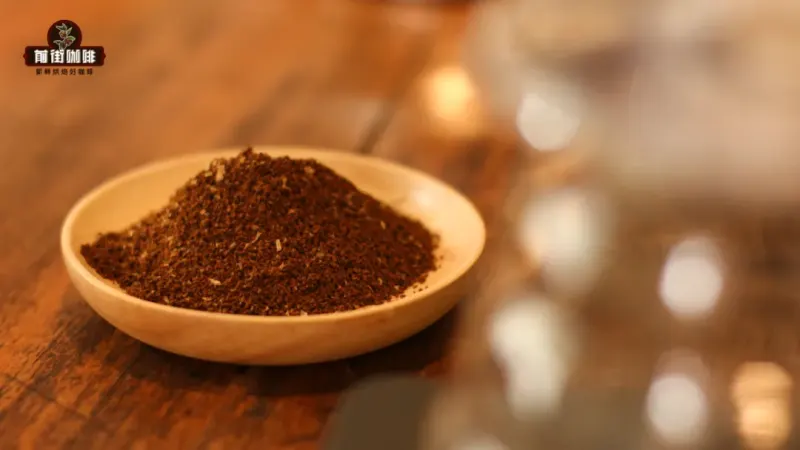
How does the coffee grinding process change what ends up in your cup?
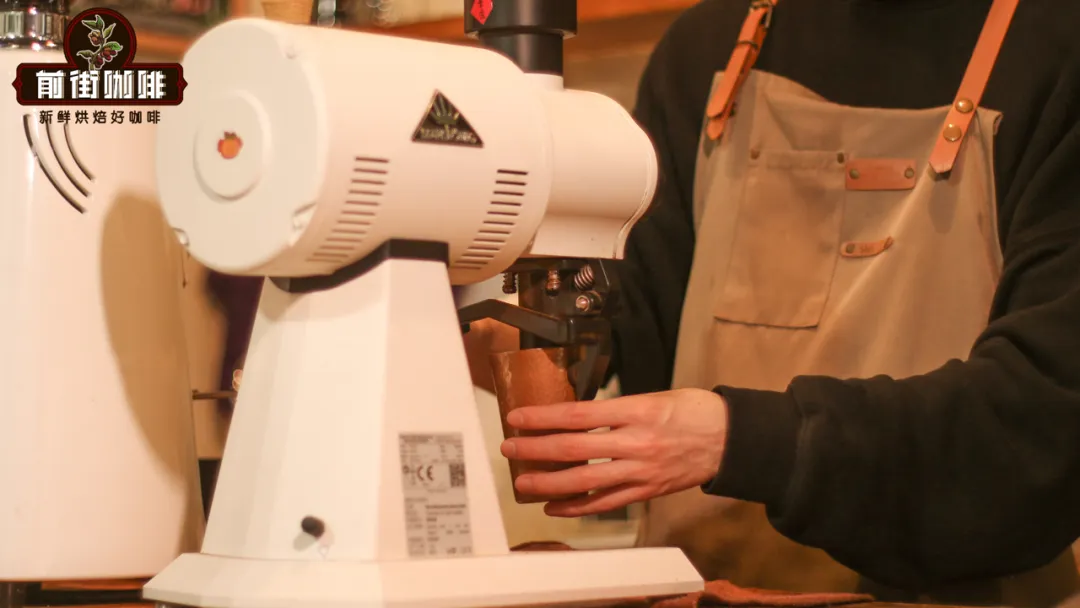
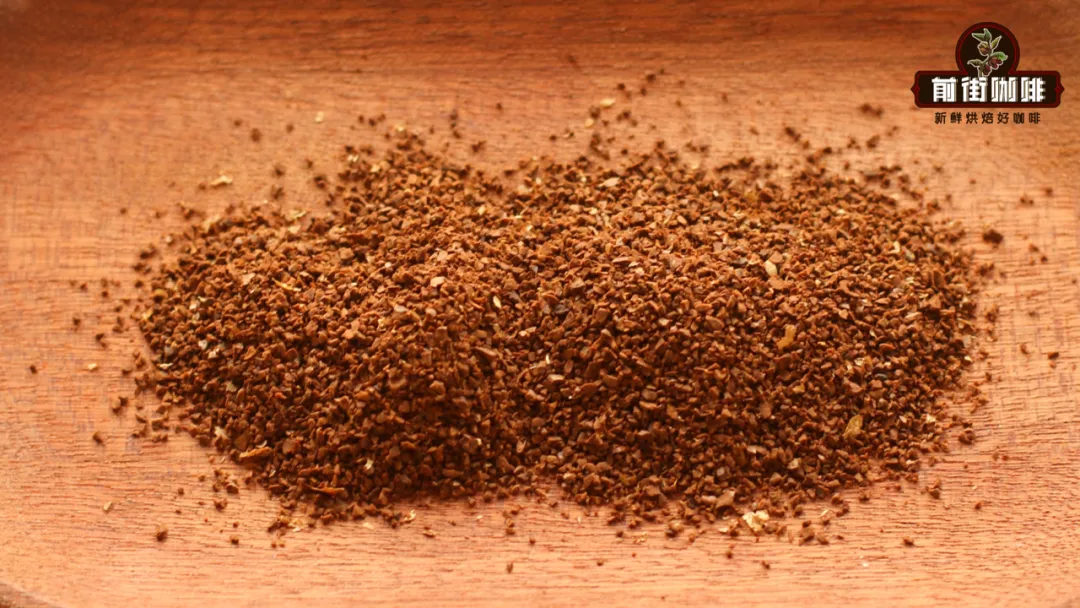
Freshly ground coffee is ground right before brewing, while pre-ground coffee has been sitting in powder form for days or weeks. Grinding breaks the beans open and exposes their oils and aromatics to air, so the longer the gap between grinding and brewing, the more of that aroma is lost. Fresh grinding keeps more of the gases and volatile compounds inside the bean until hot water actually extracts them.
Drip bag coffee works on the same principle: the bag is sealed shortly after the coffee grinding process, so the grounds stay protected until the moment of brewing. Whole beans keep their aroma far longer than powder, which is why grinding just before use is the more reliable option. Grind size, water temperature, and steep time then decide how much flavor actually reaches the cup.
It's all coffee grounds—so why do some people insist that only freshly ground will do? What real differences actually exist between freshly ground and pre-ground coffee? And how is drip bag coffee made? From Front Street Coffee's perspective, this article will break down, one by one, the essential differences between freshly ground coffee and pre-ground coffee, explain the key impact of freshness on flavor expression, and further introduce the birth process of drip bag coffee as well as the brewing tips that make it taste better, helping coffee lovers avoid detours in their daily choices and operations.
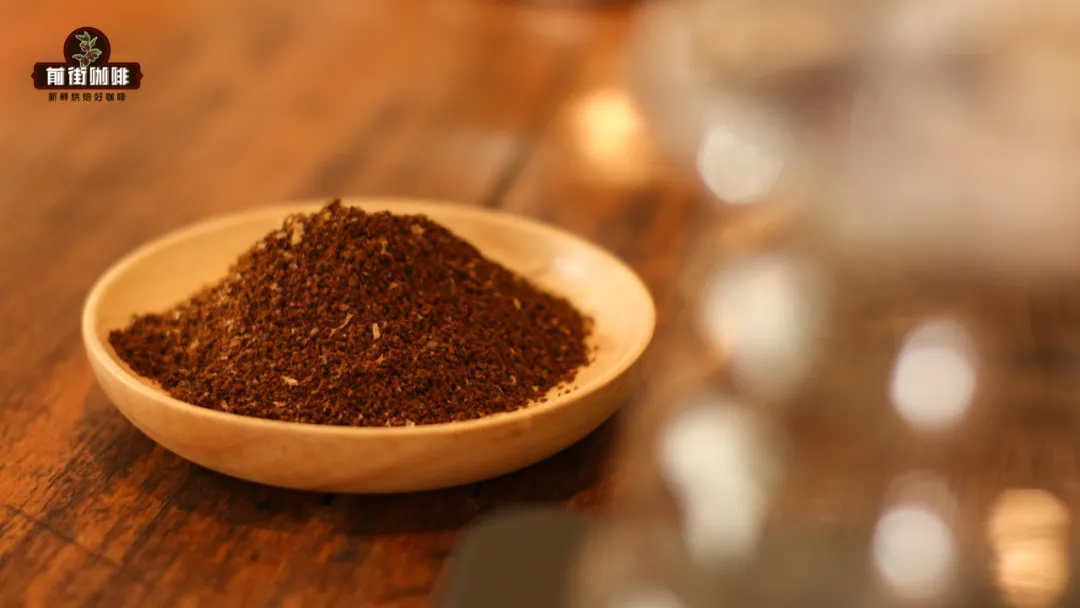
It really is hard to explain thoroughly in just a few words, so this time Front Street Coffee plans to sort things out carefully and talk about where exactly these coffee grounds with different prefixes differ!
What is freshly ground coffee?
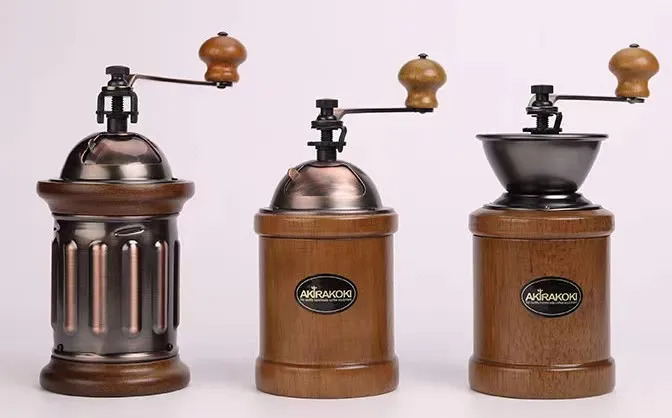
As the name suggests, freshly ground coffee refers to grinding the needed coffee beans into powder on the spot at the moment brewing is about to begin. This grind-as-you-use operation is what we call fresh grinding; and the coffee extracted from this kind of powder is naturally freshly ground coffee.
No matter what ingredient is being handled, people place special importance on the word "fresh." The reason is that only sufficiently fresh ingredients can release the fullest aroma and flavor, and coffee follows the same principle.
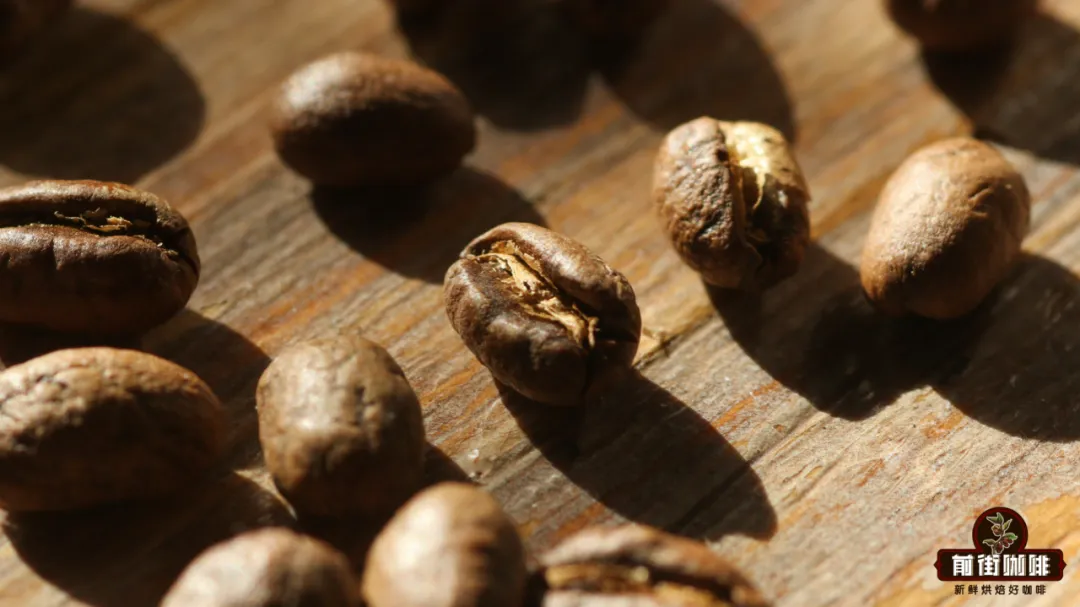
Before formal brewing, as long as the coffee beans remain whole and sealed, the rate at which internal gases escape can be effectively slowed down.
The above content is compiled by CoffeeHunters, a coffee news website.


