







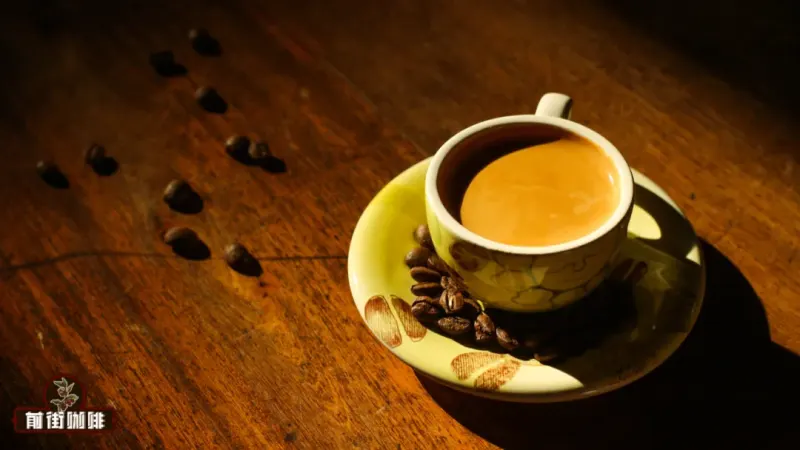
What are the drawbacks of coffee ground too fine for espresso?
Espresso uses little water and a short extraction, so grind size must be precise. Pre-ground espresso powder is a problem because grinding speeds up the loss of aroma and carbon dioxide, which directly reduces crema richness. Vendor pre-grinding is also dialed to their own commercial machine, so the same setting often fails on a home setup.
Bean condition shifts as beans degas, so parameters that worked yesterday may not work today; shops recalibrate extraction before opening for this reason. If powder is already ground too fine, extraction can run long and harsh, and the practical fix is adjusting dose, tamp and yield, or buying a grinder to control how to make coffee from powder at home.
Espresso has a short extraction time and uses little water, so its demands on grind precision are far higher than those of pour-over. Different espresso machines perform differently under pressure, and the condition of the coffee beans keeps changing as they degas, so the grind size needs frequent fine-tuning—this is the primary reason Front Street Coffee does not recommend pre-ground espresso powder. In addition, pre-grinding accelerates the loss of aroma and carbon dioxide, directly affecting how rich the crema is. This article explains the effects of grind coarseness, what pre-ground powder means, and whether coffee powder that has been ground too fine can still be used, helping coffee lovers understand the relationship between grind size and extraction, and offering advice on whether to buy a grinder.

Compared with pour-over coffee, espresso has far stricter requirements for grind precision.
Why is espresso so particular about controlling grind size?
The reason is not complicated: espresso needs to extract the right amount of flavor compounds from the coffee grounds within a limited amount of water and an extremely short time. Because of this, the grind size must be controlled with great precision to produce a cup of espresso with high concentration and an ideal extraction yield in such a short time.
However, every machine has a different configuration, so the required grind size naturally varies as well. The grinding parameters a vendor uses for pre-grinding are set according to the characteristics of their own commercial espresso machine. Commercial models often come with multiple or large boilers, and their pressure output is quite stable. Most enthusiasts, though, use home machines at home, and some home machines do not perform stably enough under pressure, which can cause obvious deviations in extraction results—even if you copy the same parameters exactly, you may not be able to make good espresso.
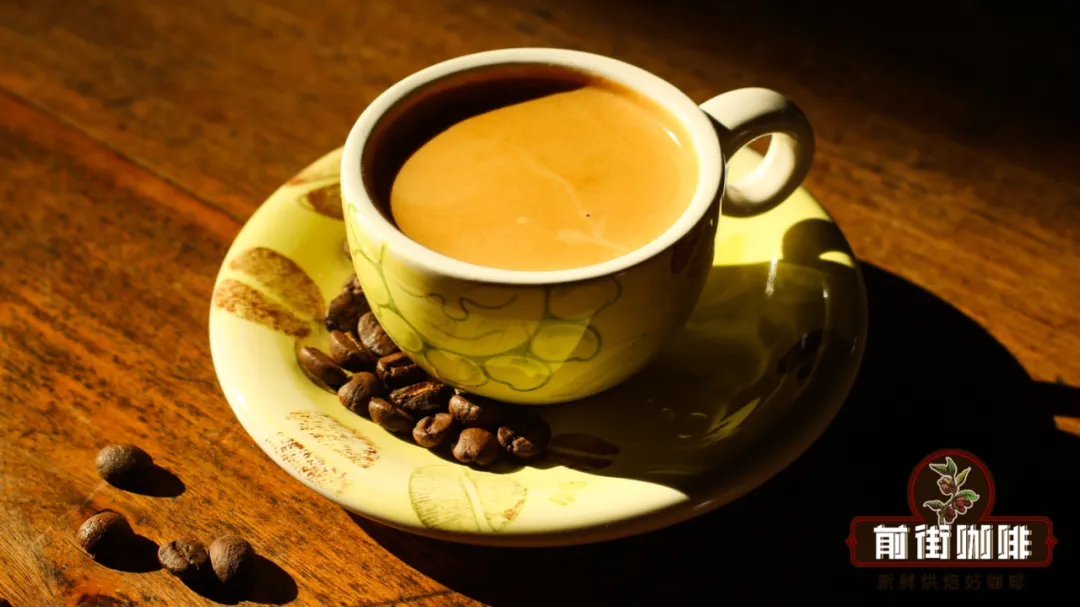
Even with the same espresso machine, the condition of the coffee beans changes constantly because they keep degassing. As a result, after some time has passed, coffee extracted with the same parameters may taste very different; the parameters you dialed in yesterday may not work today, because espresso extraction leaves very little margin for error. That is why coffee shops recalibrate their espresso extraction before opening every day—to keep the espresso every customer drinks consistent in quality.
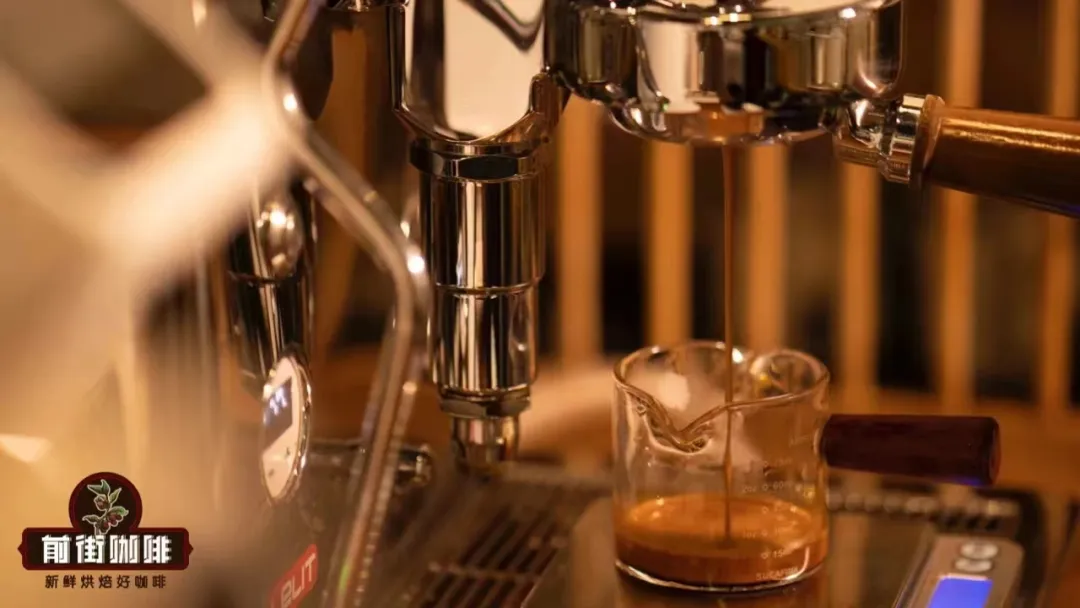
The most common situation during adjustment is a large fluctuation in extraction time. For example, yesterday 20 grams of powder extracted 40 milliliters of liquid in 30 seconds, but today the same dose might take 40 seconds, or only 22 seconds.
In this situation, the main thing to adjust is the grind size—that is, the coarseness of the coffee powder. If what you bought is already-ground espresso powder, then since the grind is fixed, we lose the room to adjust, and it becomes very difficult to extract a cup of delicious, highly concentrated coffee. This is the core reason Front Street Coffee does not recommend pre-ground espresso powder.
Another issue is the loss of gases. Coffee's flavor compounds are volatile (referring to aroma, not taste) , and like carbon dioxide, they continuously dissipate over time. If stored in bean form, the loss of flavor is quite slow, and it can be maintained for about 50 days. But once ground into powder, a large portion of the flavor is lost during grinding, and with the sudden increase in surface area, the remaining aroma also evaporates in a very short time—basically gone in less than 30 days.
Carbon dioxide should not be overlooked either. For pour-over, we use blooming to release carbon dioxide so it does not interfere with extraction; but for espresso, carbon dioxide is an important component of crema, and once it is lacking, the amount of crema decreases accordingly. Therefore, when making espresso with pre-ground coffee powder, you can only see a relatively rich crema in the first few days; after that, the Crema visibly decreases with each passing day.
So, if you care about coffee flavor and crema, Front Street Coffee's advice is to just get a grinder. If you only want to satisfy a craving and are not too particular, then pre-ground powder is good enough.
- END -
The above content is compiled by CoffeeHunters, a coffee news website.


