







Search Results for: pouring point
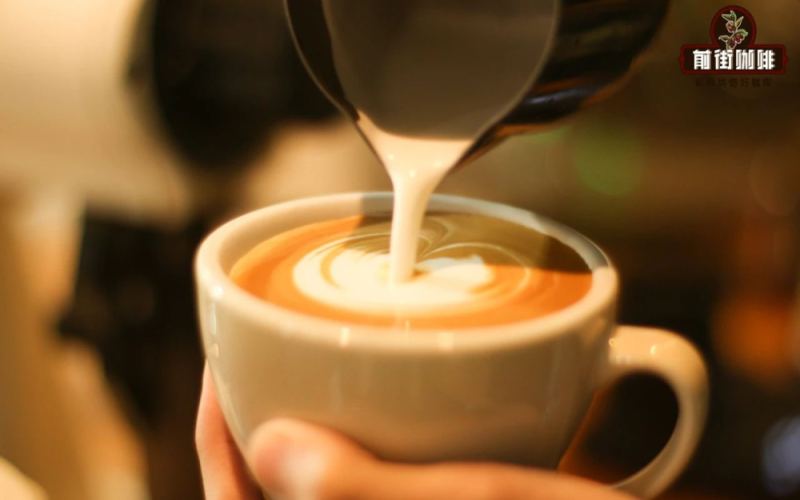
Simple Latte Art Illustrated Guide | What is the principle behind coffee latte art? Which kind of milk is used to make latte art? Is it hard for coffee beginners to learn latte art?
Many people ask Front Street, how long does it take to learn latte art? If we're just talking about producing a good-looking pattern, with a bit of luck it only takes one day. If we're talking about truly mastering a pattern, it takes at least 4 days. So many people ask, where do these 4 days come from? It's simple: Day one, read this article from Front Street; day two, practice; day three, [more…]

Latte Art | What is latte art? How do beginners make latte art? What are the techniques for making a tulip pattern?
Latte art mainly includes three forms: free pouring, etching, and stenciling. Stenciling uses a stencil to sprinkle cocoa powder, chocolate powder, or cinnamon powder onto the coffee to create a pattern. Free pouring and etching are collectively known as Latte Art; the former involves pouring hot [more…]
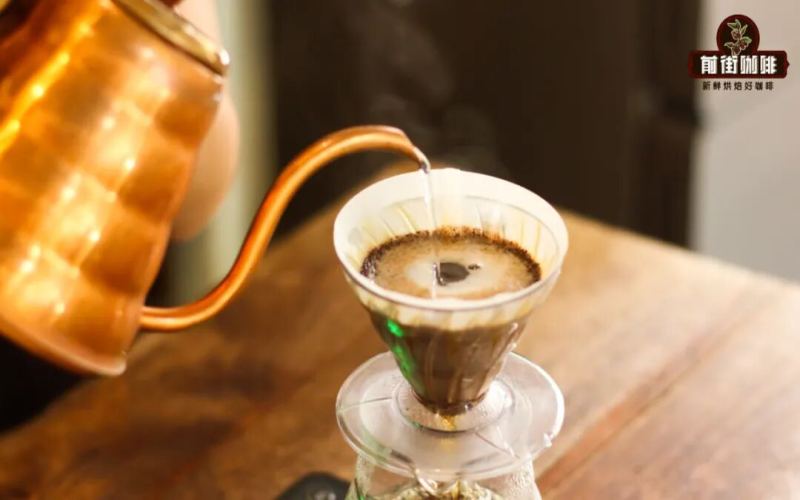
Pour-Over Coffee Water Pouring Techniques | How Should Coffee Beginners Learning Pour-Over Coffee Pour Water? What Details Should Be Paid Attention to When Pouring Water in Pour-Over Coffee?
At Front Street Coffee shops, we often meet friends who have been teaching themselves pour-over coffee at home and come to discuss brewing-related questions with us. Many of them say that although the parameters they use are exactly the same as those we recommend in the shop, the coffee they brew always tastes inconsistent—sometimes good, sometimes bad—and they have no idea where the problem lies. In cases like this, [more…]
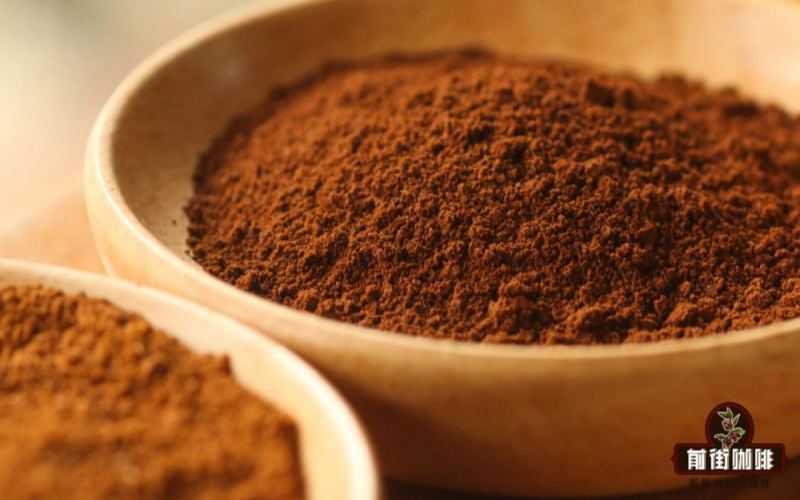
Brewing with Coffee Grounds | Can you use espresso grounds for pour-over coffee? What are the key points to note when making pour-over black coffee with fine coffee grounds?
Recently, a customer asked Front Street what to do when the coffee beans they bought were ground too fine, suitable for making espresso. I believe many friends have encountered this situation: the ground coffee they bought turned out to be too fine. If brewed with the usual pour-over parameters, it would definitely over-extract. Does that mean it has to be thrown away and can't be used? Today, Front Street will share with everyone [more…]

Latte Art Illustrated Guide | How Can Coffee Beginners Learn Latte Art? What Should Be Noted in Latte Art? Instructional Guide on Swan, Tulip, and Rosetta Latte Art
Latte art mainly takes three forms: free pouring, etching, and stenciling. Stenciling uses a stencil to dust cocoa powder, chocolate powder, or cinnamon powder onto the coffee to create a pattern. Free pouring and etching are together known as Latte Art: the former involves pouring steamed [more…]

Latte art tutorial | Which milk is suitable for making latte art? How exactly do you do a leaf rosetta latte art? What mistakes are easy to make in latte art?
Today Front Street Coffee is here to share a new basic latte art pattern—the "leaf"! This time, the method for this leaf pattern is almost identical to the layered heart: both are formed by swinging the milk pitcher at a steady speed to create regular, symmetrical lines. If you've already mastered the layered heart, then the leaf is as good as in the bag too. Leaf. [more…]
Recommended Varieties of Specialty Coffee Beans for Pour-Over | How Should Coffee Beginners Choose Single-Origin Beans for Pour-Over? What Are the Flavor Characteristics of Washed Gedeb, Golden Mandheling, and Panama Geisha When Made as Pour-Over Coffee?
More and more friends are now joining the ranks of pour-over coffee enthusiasts, and with so many coffee beans to choose from, many are once again struggling with choice paralysis. Generally speaking, the coffee beans used for pour-over coffee are single-origin beans. Single-origin beans refer to beans from a single region (from one estate/cooperative, or from multiple estates/cooperatives within a single origin). [more…]
Common pour-over coffee beans: balancing budget and drinking frequency
Common pour-over coffee beans aren't something you can master just by memorizing a few names. For everyday bean buying, you need to consider how fast you'll drink them, how much to buy at once, and whether you'll mainly make black coffee or milk coffee at home. What's truly worth referencing is the sweet-and-sour balance on the palate, the body's thickness or thinness, and the aftertaste once it cools—then, combined with your brewing habits, your range of choices will [more…]

Drip Bag Coffee Brewing Tips | Is There a Big Difference Between Drip Bag Coffee and Pour-Over Coffee? What Are the Key Points of Water Pouring Techniques for Pour-Over Drip Bag Coffee?
Among all drip coffee methods, drip bags are the most convenient: just prepare a drip bag, a cup, and hot water to brew a decent single-origin black coffee. There is no complicated technique or parameters to worry about, and no need to think much about cleanup afterward—it couldn't be more convenient. However, although [more…]
From Water Temperature to Coffee-to-Water Ratio: Key Practical Points and Common Misconceptions in the Entire Pour-Over Coffee Process
To brew a great cup of coffee, good beans alone are far from enough—storage method, grind size, water temperature, and brewing technique all directly affect the flavor of the final cup. This article explores seven key details in coffee making, from the temperature threshold for avoiding bitterness, to the golden ratio of coffee to water, to the flavor tipping point of holding time, offering practical advice for each. Whether you prefer drip equipment or other brewing methods, these principles will help you avoid common pitfalls and consistently reproduce a clean, balanced, and fresh cup of coffee. [more…]

How to Make an Ideal Iced Latte? An Analysis of Espresso, Milk, and Ice Ratios and Key Operational Points
At first glance, iced latte seems to require nothing more than pouring ice cubes, milk, and espresso into a glass in sequence, but to truly make a delicious iced latte, everything from ingredient selection to ratios to operational details involves considerable know-how. This article focuses on three key aspects: first, how to choose the right coffee beans and milk; second, the reasonable proportions among espresso, milk, and ice cubes; and third, the operational details to pay attention to during extraction and assembly. The article uses specific data as examples to illustrate the approach to ratios and offers flexible adjustment suggestions to help coffee enthusiasts make a well-balanced iced latte at home. [more…]

Key Points for Making Espresso | Why Do Coffee Shops Pour Out the First Espresso After Opening? Should You Pour Out the First Shot of Espresso When Making It at Home?
Have you ever seen this scene: a barista turns on the machine in the morning, and the first espresso pulled is not drunk, but "ruthlessly" poured down the drain, then they continue to pull the next shot. Guests who see this will ask why. If you're making coffee at home, do you need to do this too? Why is the first cup [more…]
A Coffee Newbie-Friendly List of Single-Origin Beans for Pour-Over | What Key Points in Pour-Over Can Enhance Coffee Sweetness? Which Beans with Strong Sweetness Are Recommended?
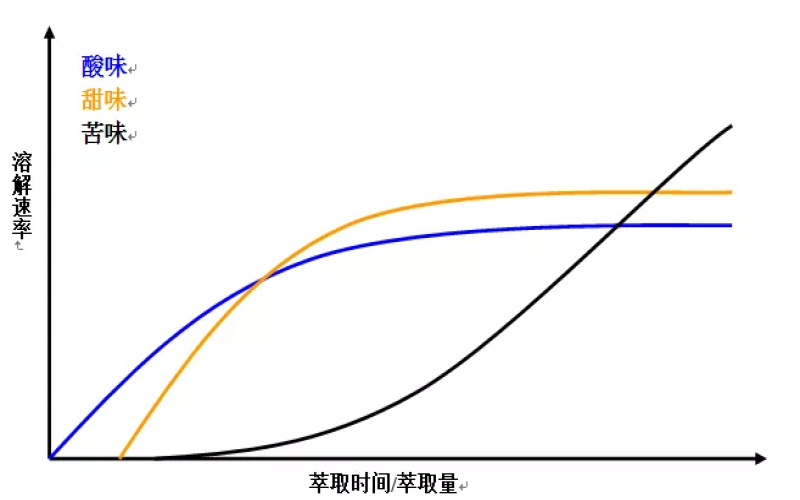
Why are we so obsessed with brewing coffee to be sweet? Probably because sweetness can trigger dopamine release, making us feel pleasure! If you want to brew coffee sweet, you first need to understand coffee's sweetness. Coffee's sweetness does not exist independently; it stands out through the balance between acidity and bitterness. For example, light-roasted coffee [more…]
Recommended coffee beans for pour-over: balancing budget and drinking frequency
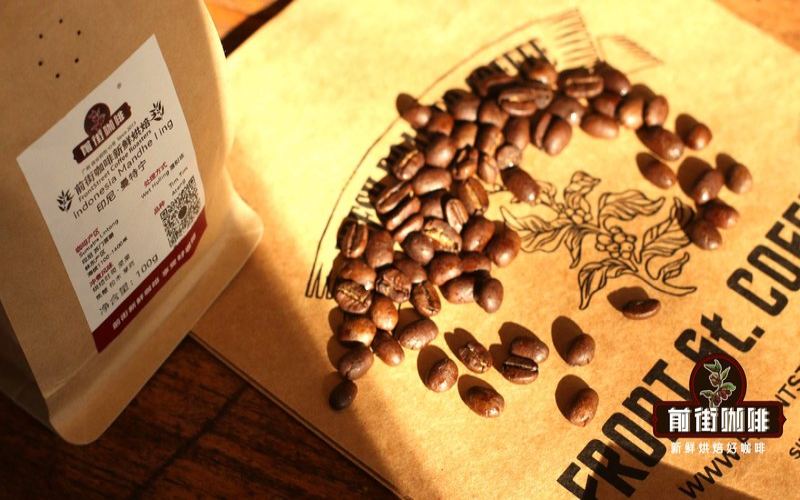
Coffee beans suitable for pour-over will reveal different facets depending on the brewing method. When buying beans for daily use, you need to consider how quickly you'll drink them, how much to buy at once, and whether you mainly make black coffee or milk coffee at home. Pour-over easily brings out the aroma, espresso machines emphasize intensity, and a moka pot amplifies richness. When choosing beans, you should first determine your usual [more…]
From Cold Brew to Siphon and Circulating Filtration: A Detailed Guide to Ten Pour-Over and Brewing Techniques for Single-Origin Coffee
To consistently replicate a clean-flavored single-origin coffee at home, the key lies in understanding the extraction logic behind different brewing methods. This article explores ten common brewing methods, focusing on the key points of cold water slow extraction, steam pressure, and automatic brewing with electric kettles, and also supplements the circulation extraction principle of the filter circulation coffee maker. The content covers equipment preparation, grind size, water temperature and time control, as well as ways to avoid common mistakes. The article also incorporates Front Street Coffee's products and ideas to help coffee enthusiasts choose the right solution based on their equipment and taste, so they can brew a rich and well-layered cup whether on a busy morning or a leisurely weekend. [more…]
Illustrated Latte Art Tutorial: Key Points on Milk Foam Thickness and a Full Analysis of Milk Selection
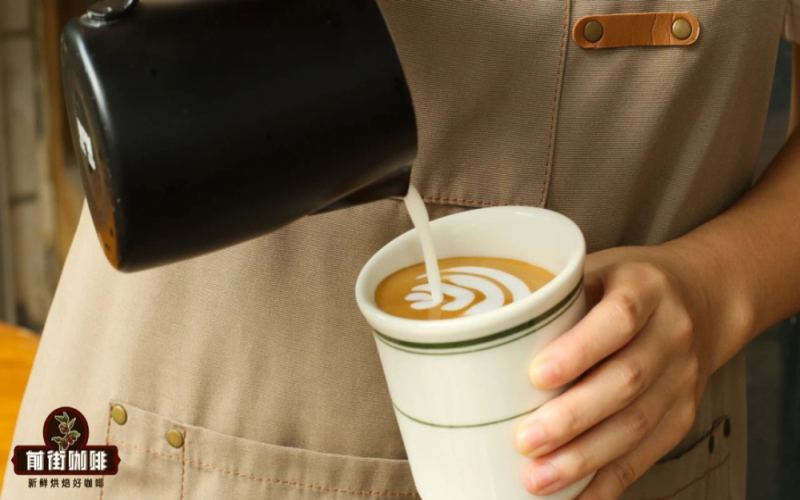
Many friends who are just getting into coffee think latte art looks simple—just pour casually and you'll get a heart or a tulip. But when they actually try it, they discover the milk always floats on the surface in clumps. In fact, the key to latte art lies in the condition of the milk foam, the pouring technique, and the way you hold the pitcher and the cup. This time, Front Street Coffee focuses on latte art, breaking down the operational details of each step—from the required foam thickness, steam wand positioning, and steaming temperature, to pouring practice and how to hold the milk pitcher—to help everyone avoid detours and pour a decent-looking pattern as quickly as possible. [more…]
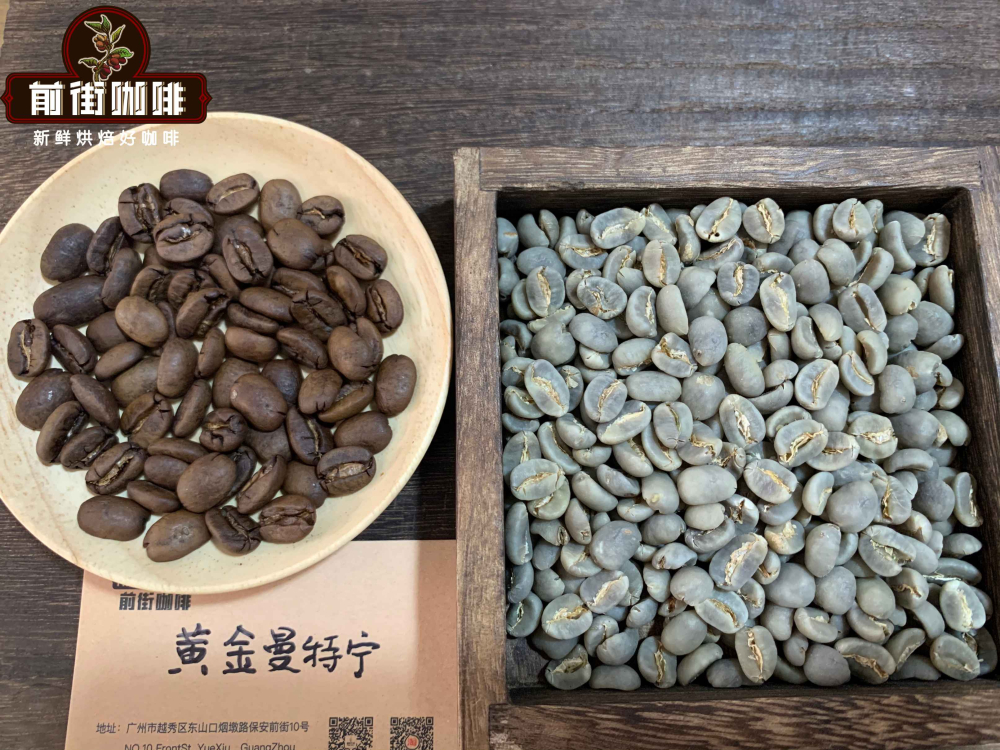
Characteristics of Sumatra Coffee | What Is the Indonesian Wet-Hulling Method? What Flavor and Mouthfeel Does Lintong Mandheling Coffee Have? What Are the Key Points for Pour-Over PWN Golden Mandheling?
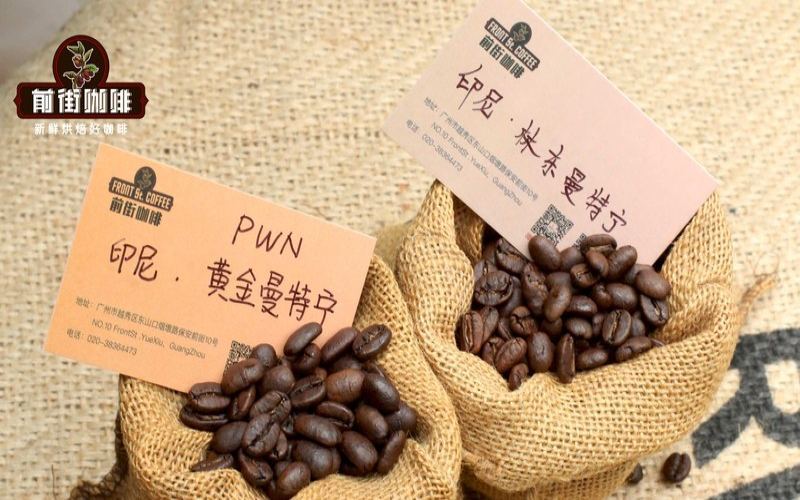
Although Front Street Coffee's daily bean list features dozens of coffee beans, if you pay close attention, you'll notice that the flavor of each producing region is different, and each bean also presents a unique aroma due to differences in processing methods and production steps. For example, the PWN Golden Mandheling coffee on Front Street's bean list has the unique herbal, mellow aroma of Mandheling coffee, [more…]

A Detailed Guide to Coffee Latte Art for Beginners | Which Coffee Beans Are Suitable for Latte Art? How Do You Make a Heart-Shaped Latte Art Pattern on an Espresso Latte?
Latte art in espresso coffee is the best expression of the fusion between hot milk and coffee liquid. At Front Street Coffee, when making milk coffee, there are always customers who request latte art. In latte art, steaming milk is crucial—only by creating smooth, silky milk foam can the flavor of milk coffee be fully expressed. [more…]
Can SOE be brewed with pour-over? Balancing budget and drinking frequency
The pour-over performance of SOE coffee beans isn't something you can master just by memorizing a few names. When buying beans day to day, you need to consider how quickly you'll drink them, how much to buy at once, and whether your household mainly drinks black coffee or milk coffee. What's truly worth referencing is the sweet-to-sour ratio on the palate, the body's thickness or thinness, and the lingering finish as the coffee cools—then, combined with your brewing habits, make your choice. [more…]
Bean usage periods and opened-bag storage for fully automatic coffee machines: a drinking rhythm that keeps flavor consistently on point
After coffee beans are roasted, they continue to release a large amount of carbon dioxide gas internally. In the pressurized extraction environment of a fully automatic coffee machine, the state of gas release directly affects the contact between water and coffee grounds. Understanding the degassing patterns of coffee beans and the resting period helps the machine extract a more [more…]