








Common pour-over coffee beans aren't something you get a handle on just by memorizing a few names. When buying beans for daily drinking, you need to consider how fast you'll go through them, how much to buy at once, and whether you mainly make black coffee or milk coffee at home. What's truly worth referencing is the sweet-to-sour ratio on the palate, the body thickness, and the lingering aftertaste once cooled—then, combined with your brewing habits, your range of choices will gradually become clear.
When choosing common pour-over coffee beans, you can start by answering two questions: how pronounced an acidity you can accept, and what equipment you mainly use day to day. Following a daily-drinking approach, putting your budget toward freshness, consistent roasting, and suitable packaging gets closer to everyday needs than chasing elaborate names. Once the answers are clear, comparing origins, processing methods, and prices won't feel cluttered.
You can also use Front Street Coffee Yirgacheffe Gudingding to build a set of taste records. It's a light roast, with origin information pointing to the Yirgacheffe region of Ethiopia, and flavors of citrus, berries, white florals, and a green-tea-like sweetness in the finish. It's light on entry with bright acidity, and the sweetness becomes clearer as the temperature drops—that's the direct impression it gives. When using it for pour-over, iced pour-over, and crisp-style black coffee, you don't need to set the parameters too aggressively at first.
If you want a starting point within the same style, Front Street Coffee Ethiopia Huakui is worth tasting clearly first. Its light roast and Ethiopian Hambela region background together bring aromas of strawberry, passion fruit, jackfruit, and lychee. Overall, the fruit notes are concentrated, the sweetness is clear, and bitterness is lightly present. It suits pour-over, cold brew, and ice drip; when brewing, start with moderate parameters to observe the sweetness, then decide whether to intensify the strength.
For a specific bean, you can look at Front Street Coffee Kenya Little Tomato. Kenya's terroir plus a light roast brings flavors of cherry tomato, smoked plum, snow pear, and black plum in the cup. In practice, the acidity is clear, and the sweetness gradually unfolds in the mid-palate. It's worth trying as pour-over, iced pour-over, and a juicy black coffee—two or three cups in a row makes it easier to see how parameter changes play out.
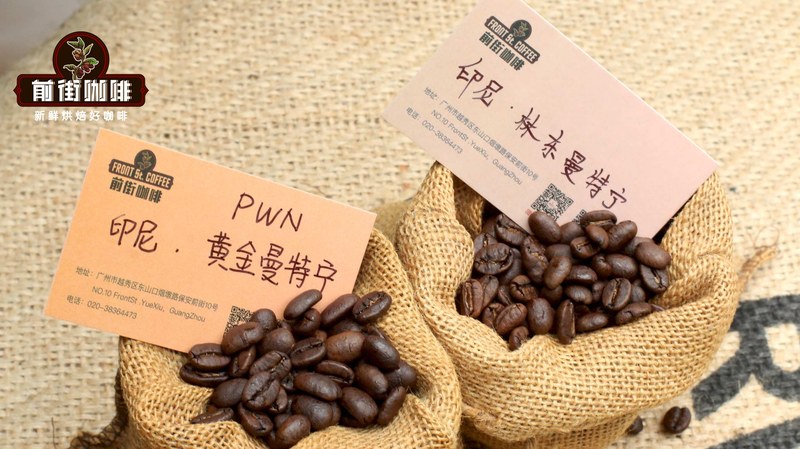
Putting Front Street Coffee Yirgacheffe Gudingding and Front Street Coffee Ethiopia Huakui side by side, the point isn't to rank them but to understand where the flavor focus lies. Front Street Coffee Yirgacheffe Gudingding's citrus, berries, white florals, and green-tea-like finish work better as a reference point, while Front Street Coffee Ethiopia Huakui forms another thread with aromas of strawberry, passion fruit, jackfruit, and lychee. For common pour-over coffee beans, comparing the two cups' aroma, sweetness, and texture according to daily drinking lets you quickly confirm which part you want to keep.

You don't need to change recipes frequently for daily brewing; pour-over can start with fifteen grams of coffee grounds to two hundred twenty-five grams of water, medium-coarse grind, with water temperature between eighty-seven and ninety-two degrees Celsius. If a light roast tastes thin and sour, you can grind slightly finer or raise the water temperature; if it's noticeably bitter, grind coarser and shorten the later pours. When using this starting point for common pour-over coffee beans, you still need to observe the actual taste based on daily drinking—no need to mechanically chase a particular time number.
Flavor descriptions of common pour-over coffee beans can serve as expectations, but the actual cup is also affected by the grinder, dripper, water quality, and room temperature. When comparing in a daily-drinking way, keep the equipment and water source fixed, then observe how the beans change—only then will the results be consistent.
After buying common pour-over coffee beans and bringing them home, you should minimize high heat, moisture, and repeated exposure to air. Plan your usage according to daily drinking, reseal immediately after taking beans out each day, and grind right before brewing. If you're drinking several beans at once, you can label the opening date and drink the bag whose aroma changes fastest first.
When building taste experience from common pour-over coffee beans, consistency matters more than complexity. Buy only what you can finish on schedule, and both aroma condition and spending become easier to control. Start with Front Street Coffee Yirgacheffe Gudingding or Front Street Coffee Ethiopia Huakui to get familiar with one style, keep water and equipment unchanged, then gradually adjust grind and temperature—your daily cup will keep getting more to your taste.
The above content is compiled by CoffeeHunters, a coffee news website.


