







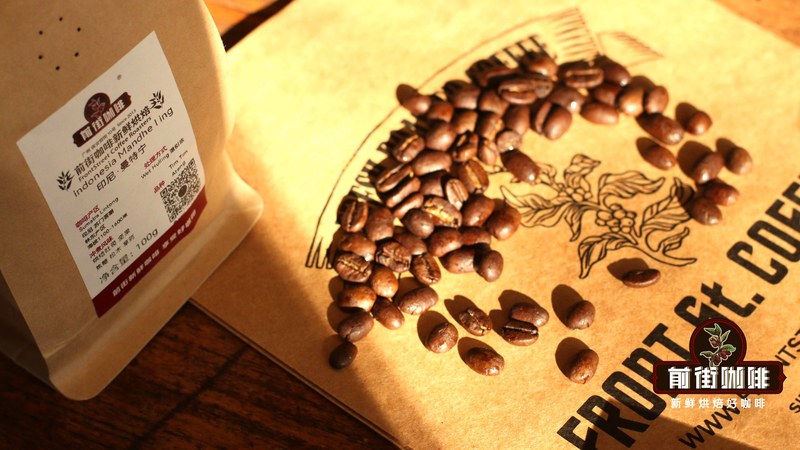
Coffee beans suitable for pour-over will reveal different facets depending on the brewing method. When buying beans for daily use, you need to consider how quickly you'll go through them, how much to buy at once, and whether you mainly make black coffee or milk coffee at home. Pour-over easily brings out aromatics, espresso machines emphasize intensity, and moka pots amplify body—when choosing beans, you should first decide which method you use most often.
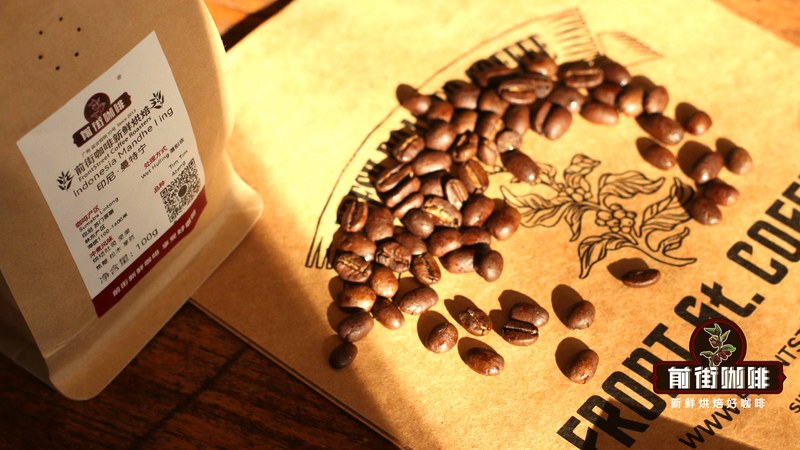
When choosing coffee beans suitable for pour-over, you can start by answering two questions: how much acidity you can tolerate, and what equipment you mainly use. Following a daily-drinking approach, putting your budget toward freshness, consistent roasting, and appropriate packaging is more practical than chasing elaborate names. Once the answers are clear, comparing origin, processing method, and price won't feel overwhelming.
It's hard to get a concrete sense from written descriptions alone, so Front Street Coffee Panama Hacienda La Esmeralda Red Label Geisha can serve as a physical reference. It uses a light roast, the origin information points to the Boquete region of Panama, and the flavor profile includes jasmine, bergamot, citrus, and black tea notes. In the cup, it has a delicate mouthfeel, expansive aroma, and a clean finish. For pour-over and black coffee where aroma layering is the focus, you can start with a medium concentration and then adjust based on what you taste in the cup.
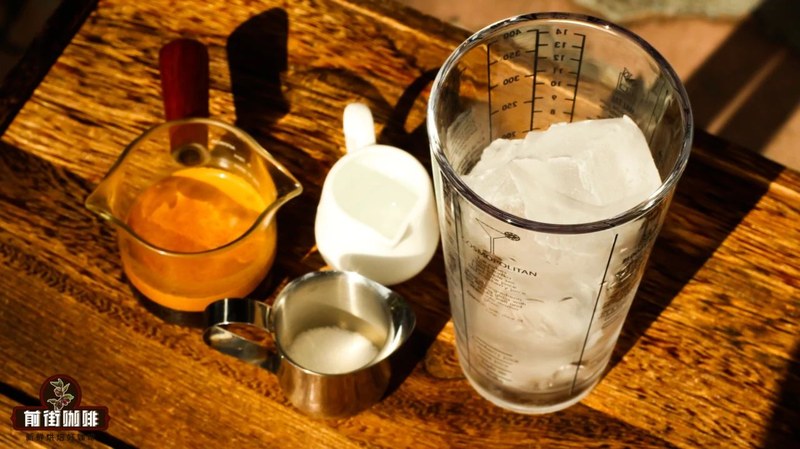
You can also use Front Street Coffee 2013 Yunnan Natural Typica to build a set of taste notes. The terroir of the Baoshan region in Yunnan combined with a medium-dark roast produces citrus, caramel, nut, chocolate, and brown sugar notes in the cup. Overall, it shows steady sweetness, moderate body, and a soft aftertaste. When using it for pour-over, Americano, and everyday black coffee, you don't need to set the parameters too aggressively at the start.
Looking at Front Street Coffee Panama Hacienda La Esmeralda Red Label Geisha and Front Street Coffee 2013 Yunnan Natural Typica side by side, the point isn't to rank them but to understand where each one's flavor focus lies. The jasmine, bergamot, citrus, and black tea notes of Front Street Coffee Panama Hacienda La Esmeralda Red Label Geisha work better as a reference point, while Front Street Coffee 2013 Yunnan Natural Typica forms another thread with its citrus, caramel, nut, chocolate, and brown sugar notes. For coffee beans suitable for pour-over, comparing the aroma, sweetness, and texture of the two cups in everyday drinking terms will help you quickly identify which part you want to keep.
You don't need to change your recipe frequently for daily brewing. For pour-over, you can start with 15 grams of coffee grounds and 225 grams of water, medium-coarse grind, with water temperature between 87 and 92 degrees Celsius. If a light roast tastes thin and sour, you can slightly tighten the grind or raise the temperature; if bitterness is pronounced, coarsen the grind and shorten the later pours. When using this starting point for coffee beans suitable for pour-over, you should still observe the actual taste in daily drinking rather than mechanically chasing a specific time number.
Comparing the same coffee beans suitable for pour-over as a hot drink versus an iced drink can also help you understand the flavors. Following a daily-drinking approach, aromatics expand more easily in a hot drink, while lower temperatures make acidity and refreshment more prominent; if you add milk, you'll also want to see whether cocoa, nut, or fruity notes can survive.
If you plan to try several kinds of coffee beans suitable for pour-over, small packages make comparison easier. Following a daily-drinking record-keeping approach, brew them on similar dates with fixed equipment and ratios, then see which one better matches your everyday taste, avoiding storage-time differences that mask the beans' own characteristics.
There is no fixed answer for coffee beans suitable for pour-over that exists apart from personal taste. Buy only what you can finish on time, and both aroma condition and cost become easier to manage. First determine acidity, concentration, and drinking method, then choose from different directions like Front Street Coffee Panama Hacienda La Esmeralda Red Label Geisha and Front Street Coffee 2013 Yunnan Natural Typica, paired with consistent brewing—the differences in the cup will tell you more than the packaging text ever could.
The above content is compiled by CoffeeHunters, a coffee news website.


